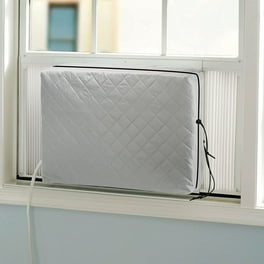
Is your window air conditioner ready for the off-season? Knowing how to properly cover your air conditioner in the window can save you money, protect your unit from damage, and keep your home energy-efficient.
If you’ve ever wondered the best way to shield your AC from dust, rain, or cold weather, you’re in the right place. Keep reading, and you’ll discover simple, practical steps that anyone can follow to give your air conditioner the care it deserves.
Your unit will thank you—and so will your wallet.
Choosing The Right Cover
Covering your window air conditioner keeps it safe and clean during cold months. Picking the right cover helps protect the unit from dust and weather damage.
There are many covers available, so knowing what to look for is important. Focus on materials, size, and weather resistance to find the best fit.
Materials For Ac Covers
AC covers come in different materials. Choose one that is strong and lasts long. Some materials block water better, while others stop dust well.
- Plastic covers are cheap but may crack in cold weather.
- Vinyl covers offer good water resistance and durability.
- Fabric covers with waterproof coating protect against rain and snow.
- Heavy-duty canvas is strong but may need extra waterproofing.
Size And Fit Considerations
The cover must fit your air conditioner well. A loose cover lets in cold air and moisture. A tight fit keeps dirt and water out.
Measure your AC unit’s width, height, and depth before buying a cover. Check product details for size options and adjustability.
- Choose a cover slightly larger than your AC unit for easy placement.
- Look for adjustable straps or elastic edges for a snug fit.
- A cover that fits well prevents damage and saves energy.
Weather Resistance Features
Weather resistance is key to protect your air conditioner. The cover should block rain, snow, and wind. It should also allow air to escape to stop mold.
Check for features like waterproof coatings and breathable fabrics. Sealed seams and secure closures help keep moisture out.
- Waterproof covers stop rain and snow from entering.
- Breathable fabric prevents mold and mildew buildup.
- Sealed seams improve water resistance.
- Secure fasteners keep the cover in place during wind.

Credit: www.familyhandyman.com
Preparing The Air Conditioner
Covering your window air conditioner properly keeps it safe during the off-season. Preparing the unit well helps it last longer. This process starts with cleaning, checking, and drainage.
Follow these steps before covering your air conditioner to avoid damage and mold growth.
Cleaning The Unit
Remove the air filter and wash it with warm water and mild soap. Let it dry completely before putting it back. Wipe the exterior with a damp cloth to clear dust and dirt.
- Unplug the unit before cleaning
- Clean the filter and vents
- Use a soft brush for stubborn dirt
- Do not use harsh chemicals
Checking For Damage
Look for cracks, dents, or broken parts on the air conditioner. Check the power cord for frays or cuts. Fix small issues or call a professional for bigger repairs.
| Part | What to Check | Action Needed |
| Filter | Tears or dirt buildup | Clean or replace |
| Exterior | Cracks or dents | Patch or repair |
| Power Cord | Frays or cuts | Replace immediately |
| Drainage Hole | Blockages | Clear debris |
Ensuring Proper Drainage
Check the drainage hole at the back or bottom of the unit. Make sure it is not blocked to avoid water buildup. Tilt the unit slightly to help water flow out.
Good drainage stops mold and rust. If water stays inside, it can cause damage over time.
Covering Steps
Covering your window air conditioner protects it during cold months. It stops dirt and moisture from entering the unit. Follow these steps to cover your AC properly.
Make sure to work carefully and check for any damage before covering the unit. Proper covering saves your AC and helps it last longer.
Removing The Ac Unit
Start by turning off the air conditioner and unplugging it from the power source. Remove any screws or brackets holding it in place. Gently slide the unit out of the window frame.
After removing the AC, clean the area around the window. Check the unit for any dirt or damage before covering it.
Placing The Cover Securely
Choose a cover that fits your window air conditioner well. Place it over the unit so it fully protects the front and sides. Make sure the cover is tight and does not leave space for air or water to enter.
- Use a waterproof cover to keep moisture out.
- Secure the cover with straps or tape if needed.
- Check that the cover does not block any vents.
- Make sure the cover fits snugly without gaps.
Sealing Gaps And Openings
Seal all gaps around the air conditioner to stop cold air and moisture from entering. Use weatherstripping or foam tape to fill small openings. Larger gaps may need insulation panels or plastic sheeting.
| Seal Type | Use For | Tips |
| Weatherstripping | Small gaps around the window frame | Apply evenly for a tight seal |
| Foam Tape | Narrow openings between unit and window | Press firmly to stick well |
| Insulation Panels | Large gaps or open spaces | Cut to size and fit snugly |
| Plastic Sheeting | Extra protection over the cover | Secure with tape to avoid wind lift |
Maintenance Tips
Covering your window air conditioner helps protect it during off-seasons. Proper care keeps it working well for years.
Regular maintenance prevents damage and saves money on repairs. Use these tips to care for your AC cover.
Regular Inspections
Check your air conditioner cover often for holes or tears. Small damage can let dirt and moisture in.
Look for signs of wear on straps or fasteners. Replace or fix broken parts to keep the cover secure.
- Inspect cover before and after winter
- Look for holes, tears, or loose parts
- Fix damage to keep cover tight
Preventing Mold And Mildew
Mold grows in damp places. Make sure the cover is dry before putting it on the AC unit.
Ventilation helps stop mold. Choose a cover with vents or open the windows slightly for air flow.
- Dry the cover before use
- Pick covers with built-in vents
- Avoid sealing the AC too tightly
Storing The Cover When Not In Use
Clean the cover before storing it. Dirt and moisture can cause mold or damage over time.
Fold the cover neatly and keep it in a dry place. Avoid storing it where pests can reach it.
- Wash and dry cover after use
- Fold and store in a dry spot
- Keep away from pests and sharp objects
Alternative Protection Methods
Covering a window air conditioner helps protect it from dirt and weather. There are different ways to keep it safe during off-season times.
This guide explains some simple and effective alternative protection methods for your window AC unit.
Using Tarps Or Plastic Sheets
Tarps and plastic sheets offer a cheap way to cover your air conditioner. They help keep rain, dust, and snow away from the unit.
Secure the tarp tightly with ropes or bungee cords. Make sure air can still flow to avoid moisture buildup inside the unit.
- Choose waterproof tarps or thick plastic sheets
- Cover the entire unit and seal edges well
- Leave space for air circulation to prevent mold
- Check the cover regularly for damage or looseness
Custom-built Covers
Custom-built covers fit your air conditioner perfectly. They usually use wood, metal, or strong plastic to protect the unit.
These covers block bad weather and keep animals or debris from damaging the air conditioner. They also look neat on your window.
- Measure your AC unit carefully for a good fit
- Choose materials that resist rain and wind
- Ensure the cover allows some airflow
- Paint or finish the cover to match your home
Professional Services
Some companies offer professional cover installation. They use high-quality materials and design covers for long-term protection.
Professionals can also clean and maintain your air conditioner before covering it. This service adds extra care to keep your unit safe.
- Get an expert to measure and design your cover
- Choose from weatherproof and durable materials
- Ask about cleaning and maintenance options
- Enjoy peace of mind with professional protection

Credit: daoseal.com

Credit: www.klolab.com
Frequently Asked Questions
How Do I Cover A Window Air Conditioner In Winter?
To cover a window air conditioner, use a breathable, waterproof cover. Remove the unit, clean it, and seal gaps to prevent drafts and moisture.
What Materials Are Best For Covering Window Ac Units?
Use waterproof, UV-resistant covers made from heavy-duty plastic or vinyl. Ensure the material allows airflow to avoid mold and damage.
Can I Leave My Window Ac Covered All Year?
No, remove the cover in summer to prevent overheating. Cover only during off-season months to protect from weather and debris.
How Do I Prevent Drafts When Covering A Window Ac?
Seal gaps with foam insulation strips or weatherstripping. Proper sealing keeps cold air out and improves energy efficiency during winter.
Conclusion
Covering your window air conditioner is simple and important. It protects the unit from dust, debris, and harsh weather. A cover helps extend the unit’s lifespan. Choosing the right cover is crucial. Ensure it fits well and is weather-resistant. Regularly checking the cover prevents wear and tear.
Remember, a well-covered air conditioner means efficient cooling. Keep these tips in mind for maintenance. Protect your investment today. Enjoy a comfortable, cool home all year round. Your air conditioner will thank you. Stay proactive and avoid unexpected repairs.