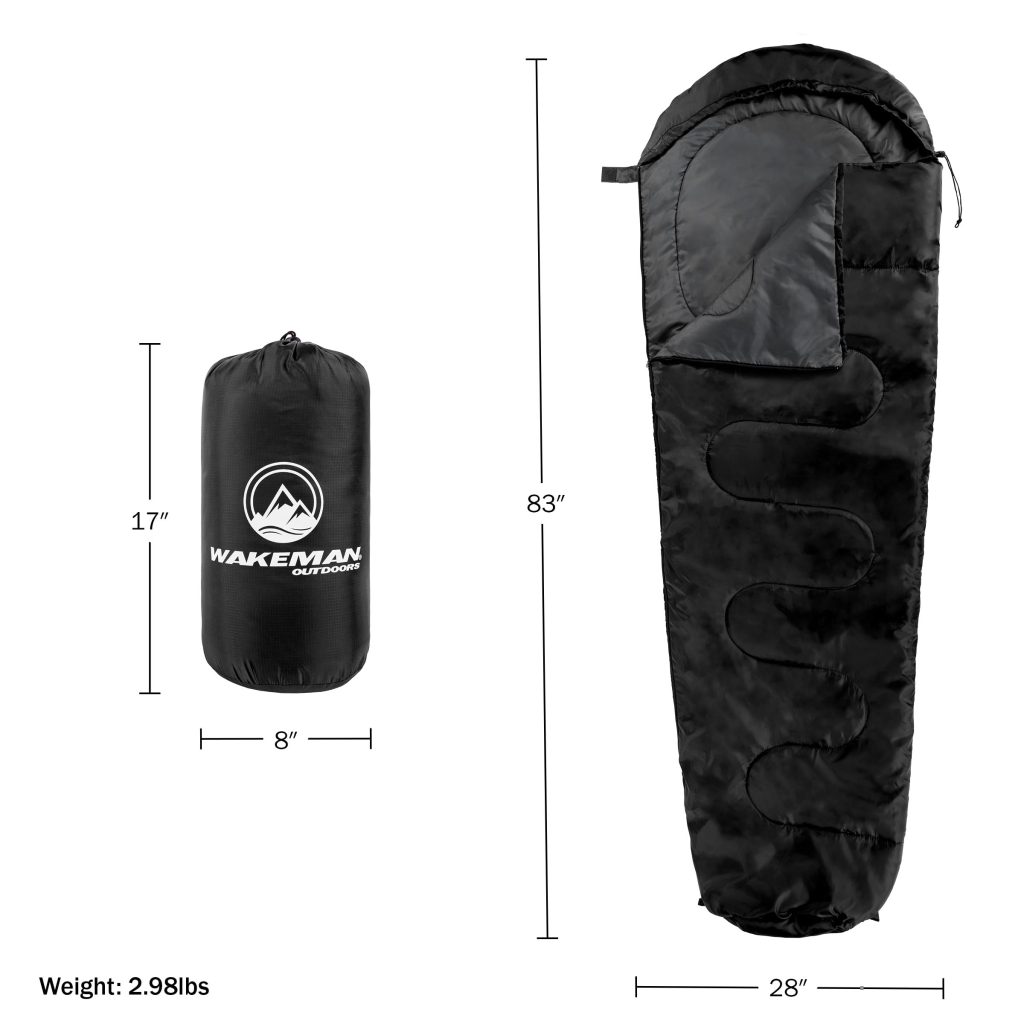
Are you planning your next outdoor adventure and wondering how much your sleeping bag will add to your load? Knowing the weight of your sleeping bag is more important than you might think.
It can affect your comfort, ease of carrying, and even how long you can hike without feeling exhausted. You’ll discover the key factors that influence sleeping bag weight and how to choose the right one for your needs. Keep reading to find out exactly what to expect and how to pack smart for your trip.
Factors Affecting Sleeping Bag Weight
Choosing the right sleeping bag means knowing what affects its weight. Weight matters for comfort and ease during travel.
Several factors influence how heavy a sleeping bag is. These include the materials, insulation, size, and extra features.
Material Types
Sleeping bags can use different materials for the outer shell and lining. Lightweight fabrics like nylon reduce weight. Heavier materials add durability but increase weight.
- Nylon: lightweight and strong
- Polyester: affordable and water-resistant
- Cotton: soft but heavy and less water-resistant
- Ripstop fabrics: resist tearing, slightly heavier
Insulation Options
Insulation keeps you warm but adds weight. Two main types are down and synthetic fill.
| Insulation Type | Weight | Warmth | Water Resistance |
| Down | Light | High | Low |
| Synthetic | Heavier | Moderate | High |
Size And Shape
Larger sleeping bags use more material and weigh more. Shape also matters; mummy bags are usually lighter than rectangular ones.
- Longer bags fit taller people but add weight
- Wider bags offer space but increase bulk
- Mummy shape reduces weight and heat loss
- Rectangular shape adds comfort but weighs more
Additional Features
Extra features add convenience but also weight. Features include pockets, extra zippers, and reinforced areas.
| Feature | Effect on Weight |
| Internal pockets | Light increase |
| Double zippers | Moderate increase |
| Reinforced footbox | Moderate increase |
| Hood with drawcord | Light increase |
Common Weight Ranges
Sleeping bags come in different weights for different needs. The weight affects how easy it is to carry and pack.
Knowing common weight ranges helps you pick the right sleeping bag for your trip.
Lightweight Sleeping Bags
Lightweight sleeping bags usually weigh between 1 and 3 pounds. They are made for backpackers who want to travel light.
These bags use thin insulation and lightweight materials to keep the weight down.
- Weight range: 1 to 3 pounds (0.45 to 1.36 kg)
- Best for hiking and backpacking
- Compress easily to save space
Midweight Sleeping Bags
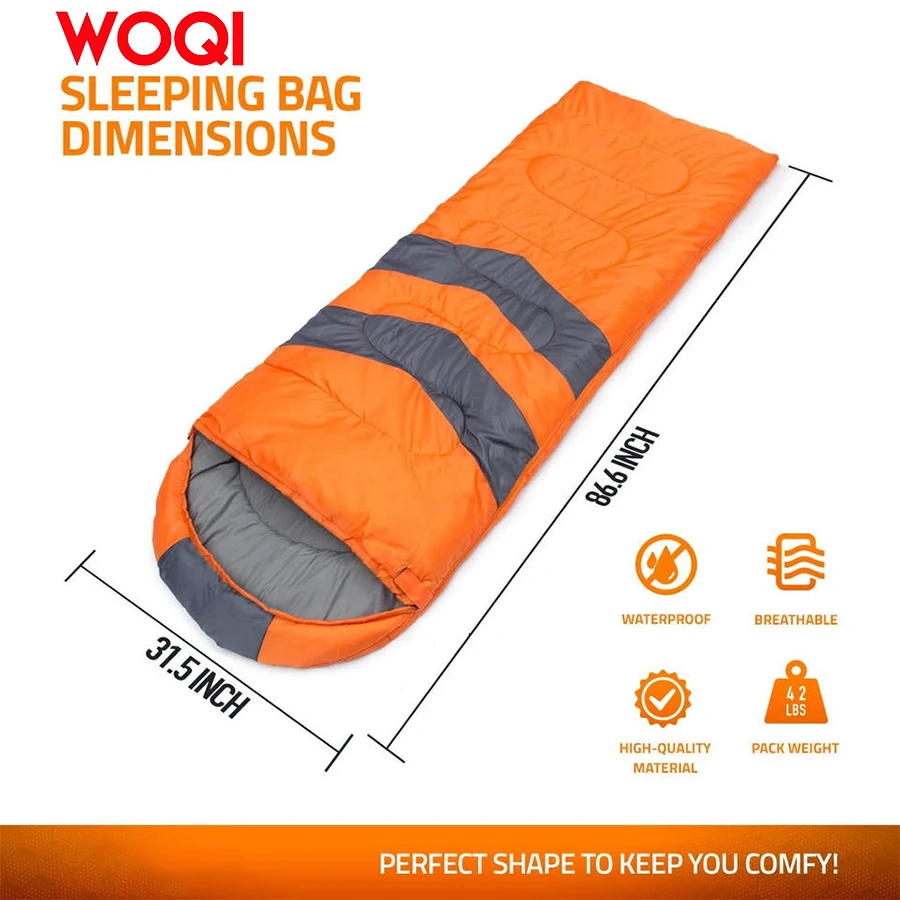
Midweight sleeping bags weigh around 3 to 5 pounds. They offer more warmth and comfort than lightweight bags.
These bags work well for campers who want balance between weight and warmth.
- Weight range: 3 to 5 pounds (1.36 to 2.27 kg)
- Good for car camping and mild weather
- More insulation for cooler nights
Heavyweight Sleeping Bags
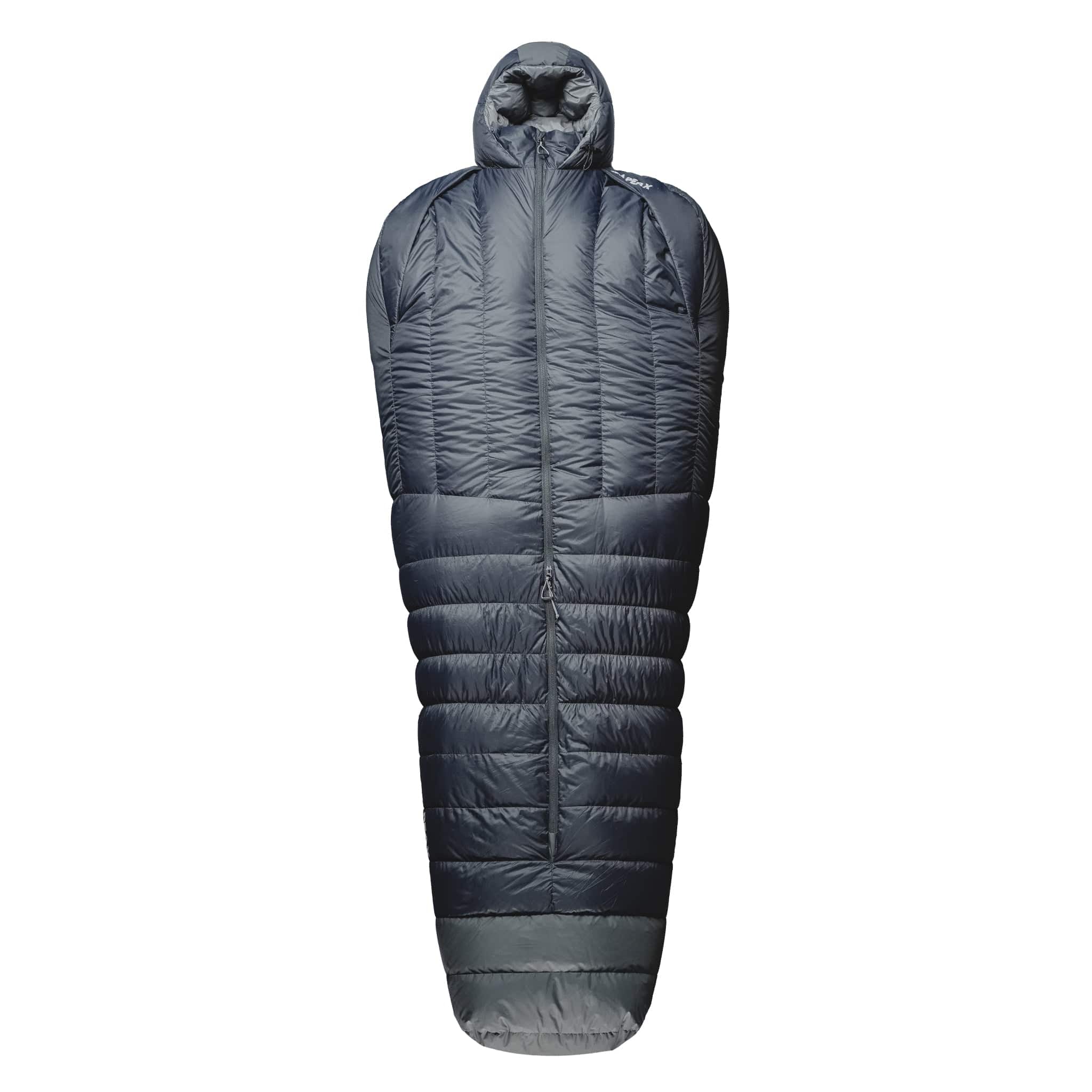
Heavyweight sleeping bags weigh over 5 pounds. They have thick insulation for very cold conditions.
These bags are best for winter camping or mountaineering where warmth is the top priority.
- Weight range: 5 pounds and up (2.27 kg+)
- Designed for cold weather and snow
- Heavier and bulkier to carry
Choosing Weight Based On Camping Style
Sleeping bags come in many weights. The right weight depends on how you camp. Picking the right weight makes your trip more comfortable.
Light bags are easier to carry. Heavy bags offer more warmth. Let’s look at weight choices for different camping styles.
Backpacking And Hiking
Backpackers carry their gear for miles. A light sleeping bag helps save energy. It should be compact and easy to pack.
Look for bags weighing between 1 to 3 pounds. This weight balances warmth and ease of carrying. Avoid heavy bags that slow you down.
- Lightweight synthetic or down insulation
- Compact size for small backpacks
- Temperature rating suitable for expected weather
Car Camping
Car campers can carry heavier gear easily. Weight is less important because the car holds most items. Choose a sleeping bag that feels cozy.
Heavier bags often offer more padding and warmth. You can choose any weight that fits your comfort needs. Size and extra features matter more here.
- Heavier, thicker sleeping bags
- Extra insulation for cold nights
- More room inside for comfort
Winter Camping
Winter camping needs warm sleeping bags. These bags are usually heavier. They have extra insulation to keep you safe from cold.
Expect bags to weigh 3 pounds or more. Weight is less important than warmth here. Look for bags rated for low temperatures.
- Heavy insulation with down or synthetic fill
- Weight varies but warmth is priority
- Extra features like draft collars and hoods
Credit: www.alibaba.com
Impact Of Temperature Ratings On Weight
Sleeping bags come with temperature ratings that show how cold it can get while you stay warm. These ratings affect the weight of the sleeping bag. Understanding this can help you pick the right bag for your trips.
The colder the temperature rating, the heavier the sleeping bag usually is. This is because it needs more insulation to keep you warm.
Why Lower Temperature Ratings Mean Heavier Bags
Sleeping bags rated for cold weather use thicker and denser insulation. This insulation adds weight. It also adds bulk, making the bag larger to carry. Bags for warmer weather use less insulation and weigh less.
Types Of Insulation And Their Weight Impact
There are two main types of insulation: down and synthetic. Each type has different weight and warmth properties.
- Down insulation:Lightweight and compressible but can be expensive.
- Synthetic insulation:Heavier but works better when wet and is usually cheaper.
Temperature Rating Examples And Weights
| Temperature Rating | Insulation Type | Approximate Weight |
| 20°F (-6°C) | Down | 3 to 4 lbs (1.4 to 1.8 kg) |
| 20°F (-6°C) | Synthetic | 4 to 5 lbs (1.8 to 2.3 kg) |
| 40°F (4°C) | Down | 2 to 3 lbs (0.9 to 1.4 kg) |
| 40°F (4°C) | Synthetic | 2.5 to 3.5 lbs (1.1 to 1.6 kg) |
Balancing Weight And Warmth For Your Needs
Think about where and when you will camp. Choose a sleeping bag with a temperature rating that matches the coldest weather you expect. Remember, lighter bags are easier to carry but may not keep you warm enough. Heavier bags offer more warmth but add weight.
Comparing Down Vs Synthetic Bags
Choosing a sleeping bag means thinking about weight and material. Down and synthetic bags each have different weights and care needs.
This guide compares the weight differences and durability of down and synthetic sleeping bags.
Weight Differences
Down sleeping bags are usually lighter than synthetic ones. This is because down fills trap more air and provide better warmth with less weight.
| Type | Average Weight (20°F / -6°C Bag) | Reason |
| Down | 2 to 3 lbs (0.9 to 1.4 kg) | High warmth-to-weight ratio |
| Synthetic | 3 to 4.5 lbs (1.4 to 2 kg) | Heavier insulation fibers |
Durability And Care
Synthetic bags last longer in wet conditions and dry faster. Down bags lose loft when wet and need more careful cleaning.
- Down bags require gentle washing and drying with low heat.
- Synthetic bags tolerate machine washing better.
- Down offers better compressibility but needs a dry storage space.
- Synthetic bags resist mold and mildew more easily.

Credit: www.amazon.com
Tips For Reducing Sleeping Bag Weight
Carrying a light sleeping bag makes hiking easier and more fun. Reducing the weight helps save energy on long trips. Small changes can make a big difference in the weight you carry.
This guide shares simple tips to lower your sleeping bag’s weight. Focus on how you pack and what gear you choose. Both affect the total weight of your pack.
Packing Techniques
How you pack your sleeping bag can reduce its weight and bulk. Proper packing keeps it compact and protects it from damage. This helps keep the bag light and easy to carry.
- Use a compression sack to squeeze out air and shrink the bag.
- Roll the sleeping bag tightly instead of folding it.
- Pack the bag inside your backpack’s bottom compartment to balance weight.
- Keep the sleeping bag dry to avoid extra water weight.
Selecting Multipurpose Gear
Choosing gear that serves more than one purpose cuts down on what you carry. A sleeping bag that doubles as a blanket or pillow saves space and weight.
| Gear Type | Multipurpose Use | Weight Benefit |
| Sleeping Bag | Also works as a blanket | Less gear needed |
| Inflatable Pillow | Can be used as seat cushion | Fewer items packed |
| Sleeping Pad | Acts as insulation and seat | Dual use saves weight |
Credit: www.peaxequipment.com
Frequently Asked Questions
What Is The Average Weight Of A Sleeping Bag?
The average sleeping bag weighs between 2 to 4 pounds. Weight varies by insulation type, size, and temperature rating. Lightweight bags for backpacking often weigh under 3 pounds.
How Does Insulation Affect Sleeping Bag Weight?
Down insulation is lighter and more compressible than synthetic insulation. Synthetic bags tend to weigh more but perform better in wet conditions. Insulation type directly impacts the sleeping bag’s overall weight.
What Is The Weight Difference Between Summer And Winter Sleeping Bags?
Winter sleeping bags are heavier due to thicker insulation for warmth. Summer bags are lighter, often under 2 pounds, to keep cool. Weight increases with added insulation layers for colder temperatures.
Can Sleeping Bag Weight Impact Backpacking Trips?
Yes, heavier sleeping bags add to overall pack weight and reduce mobility. Lightweight bags improve comfort and ease on long hikes. Choosing the right weight balances warmth and portability.
Conclusion
Choosing the right sleeping bag weight matters. It’s essential for comfort and ease. Light bags are great for hiking. Heavier ones provide more warmth. Consider your trip’s needs carefully. Think about the weather and your carrying capacity. Strike a balance between weight and warmth.
This ensures a restful sleep outdoors. Remember, a comfortable sleeping bag enhances your adventure. Always check the bag’s features before buying. Make an informed choice. Enjoy peaceful nights under the stars. A good sleeping bag is your best outdoor friend.
Happy camping!