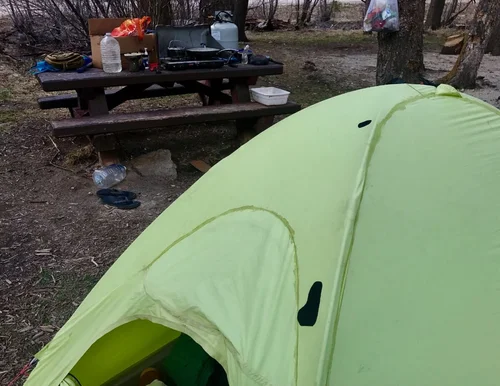
Are you wondering if you can wash your tent in a washing machine? Keeping your tent clean is important for your next outdoor adventure, but you might be worried about damaging it.
You want a quick and easy way to get rid of dirt, stains, and odors without making things worse. You’ll discover the truth about machine washing your tent, what you should watch out for, and the best methods to keep your gear fresh and ready.
Keep reading to learn how to care for your tent the right way and avoid costly mistakes.
Washing Machine And Tents
Washing a tent in a washing machine can save time. But not all tents are suitable for machine washing.
Understanding which tent materials work and the risks involved helps you keep your tent safe.
Suitability Of Tent Materials
Some tent fabrics can handle machine washing, while others may get damaged. Nylon and polyester tents usually do well in gentle cycles.
- Cotton tents may shrink or lose shape.
- Canvas tents can become stiff and heavy.
- Tents with waterproof coatings might lose protection.
- Check the tent’s care label before washing.
Risks Of Machine Washing
Machine washing tents can cause damage if done incorrectly. Damage types include fabric tears and broken seams.
| Risk | Cause | Effect |
| Tears | Strong agitation | Holes in fabric |
| Seam damage | Harsh spinning | Leaks |
| Waterproof loss | Detergents | Reduced water resistance |
| Color fading | Hot water | Faded fabric |
Preparing Your Tent For Cleaning
Cleaning a tent properly helps keep it in good shape. Before washing, you must prepare your tent carefully.
This preparation stops damage and makes cleaning easier and safer for your tent fabric.
Removing Dirt And Debris
Start by shaking out the tent to remove loose dirt and leaves. Use a soft brush to clear off mud and dust.
Cleaning the outside and inside helps avoid stains and damage during washing.
- Take the tent outdoors and shake it well.
- Brush off dried mud gently with a soft brush.
- Use a damp cloth to wipe stubborn dirt spots.
- Check corners and seams for hidden debris.
Detaching Tent Accessories
Remove all poles, stakes, and ropes before cleaning. Detach any removable rainflies or vestibules.
Accessories can damage the tent or washing machine if left attached. Cleaning parts separately protects both.
- Take out all tent poles and stakes.
- Remove rainflies and vestibules carefully.
- Unclip any inner tent parts that come off.
- Store accessories safely while you clean the tent fabric.
Best Practices For Machine Washing
Washing a tent in a machine can save time. But tents need special care to stay strong and last long.
Follow these best practices to clean your tent safely using a washing machine.
Choosing The Right Cycle
Pick a gentle or delicate cycle on your washing machine. This reduces stress on the tent fabric and seams.
Avoid heavy or fast spin cycles. They can damage the tent’s waterproof coating and stitching.
Using Gentle Detergents
Use mild, non-detergent soaps or special tent cleaners. Harsh detergents can harm tent material and coatings.
Do not use bleach, fabric softeners, or strong chemicals. These can weaken the fabric and reduce waterproofing.
Temperature Settings To Consider
Wash your tent in cold or lukewarm water. Hot water can damage fabric and waterproof layers.
- Cold water is safest for most tents
- Lukewarm water helps remove dirt gently
- Avoid water above 30°C (86°F)

Credit: www.reddit.com
Alternatives To Machine Washing
Washing a tent in a machine may harm the fabric or poles. There are safer ways to clean your tent. These methods protect your gear and keep it in good shape.
Hand washing and spot cleaning can remove dirt without damage. These alternatives are easy and use less water and detergent.
Hand Washing Techniques
Hand washing lets you clean your tent gently. Use mild soap and cool water. Avoid strong detergents that can harm waterproof coatings.
- Set up a clean area outdoors or in a bathtub.
- Fill it with cool water and add mild soap.
- Submerge the tent fabric and soak for 10 to 15 minutes.
- Use a soft brush or sponge to scrub dirt spots gently.
- Rinse the tent thoroughly with clean water to remove soap.
- Hang the tent to dry fully before packing it away.
Spot Cleaning Tips
Spot cleaning works well for small stains or mud patches. It saves time and water by cleaning only the dirty areas.
| Cleaning Material | Purpose | Notes |
|---|---|---|
| Soft cloth or sponge | Remove surface dirt | Use gentle pressure |
| Mild soap solution | Clean stains without damage | Dilute soap in water |
| Soft brush | Scrub stubborn dirt | Avoid hard scrubbing |
| Clean water | Rinse soap and dirt | Use plenty of water |
Drying And Storing Your Tent
Proper drying and storage keep your tent in good shape. Wet tents can develop mold and bad smells.
Learn how to dry and store your tent carefully to extend its life and keep it ready for your next trip.
Proper Drying Methods
Dry your tent fully before storing. Use these tips to dry it safely:
- Set up the tent outdoors in shade to avoid sun damage.
- Make sure all parts, including the rainfly and floor, are dry.
- Air dry the tent by keeping it open and spread out.
- Use a clean towel to blot wet spots gently.
- Avoid drying tents near direct heat sources like heaters or fireplaces.
Storage Tips To Maintain Quality
Store your tent in a cool, dry place. Follow these tips for the best results:
| Storage Tip | Reason |
| Keep tent loosely packed | Prevents fabric damage and creases |
| Avoid plastic bags | Allows air circulation to stop mold |
| Use a large cotton or mesh storage sack | Protects tent and keeps it dry |
| Store away from direct sunlight | Stops fabric and color fading |
| Check tent regularly | Detects any mold or damage early |
Credit: alpkit.com
Common Mistakes To Avoid
Washing a tent in a washing machine can be risky if done incorrectly. Many people make mistakes that can damage the tent fabric or waterproof coating.
Knowing what to avoid helps keep your tent safe and clean. Here are some common errors to watch out for.
Using Harsh Chemicals
Harsh chemicals like bleach or strong detergents can ruin your tent. They break down the fabric and remove waterproof coatings.
Always use mild soap or special tent cleaners made for delicate materials. Avoid anything with bleach or strong scents.
- Do not use bleach or chlorine
- Choose gentle, non-detergent soaps
- Skip fabric softeners and stain removers
- Rinse the tent thoroughly to remove all soap
Ignoring Care Labels
Care labels give important instructions about washing your tent. Ignoring them can cause damage or shrinkage.
Check the label before cleaning. It tells you if machine washing is safe and what settings to use.
- Follow temperature guidelines on the label
- Use the recommended washing cycle
- Look for warnings about machine washing
- Follow drying instructions carefully

Credit: www.popularmechanics.com
Frequently Asked Questions
Can I Wash My Tent In A Washing Machine?
Yes, you can wash some tents in a washing machine. Use a gentle cycle with cold water and mild detergent. Avoid harsh chemicals and fabric softeners to protect the tent’s material and waterproof coating.
What Washing Machine Settings Are Best For Tents?
Use a delicate or gentle cycle with cold water. Avoid high spin speeds to prevent damage. Always remove tent poles and accessories before washing to protect both the tent and the machine.
Will Washing A Tent Damage Its Waterproof Coating?
Machine washing can weaken waterproof coatings if done improperly. Use mild detergent and avoid fabric softeners. Air dry the tent and reapply waterproof spray if needed to maintain water resistance.
How Often Should I Wash My Tent?
Wash your tent only when it’s visibly dirty or has odors. Frequent washing can degrade fabric and coatings. Spot clean minor stains to extend the tent’s lifespan.
Conclusion
Washing your tent in a machine isn’t usually recommended. It risks damage. Instead, opt for hand washing. It’s safer for your tent’s fabric. Use mild soap and a soft brush. Rinse thoroughly to remove soap residue. Air dry completely to avoid mold.
Regular maintenance ensures your tent lasts longer. Store it properly after drying. This keeps it ready for your next adventure. A little care goes a long way. Enjoy your outdoor trips with a clean, sturdy tent. Happy camping!