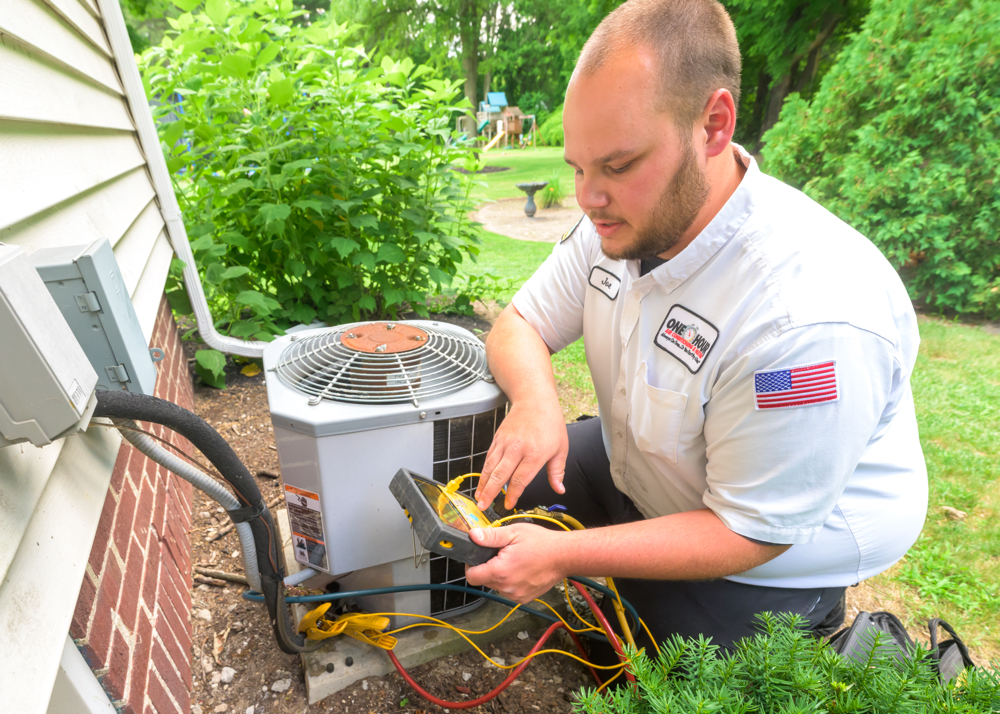
Is your air conditioner not cooling like it used to? The problem might be with your condenser.
Fixing it yourself might seem tough, but with the right steps, you can save time and money. In this guide, you’ll learn simple ways to diagnose and repair your air conditioner condenser. Keep reading to discover easy tips that can bring back your cool comfort without calling a costly technician.
Your home deserves the best, and you’re just a few steps away from making your AC work like new again.
Credit: www.youtube.com
Signs Of A Faulty Condenser
The air conditioner condenser plays a key role in cooling your home. If it has problems, the whole system suffers. Knowing the signs helps you act fast.
Look out for unusual noises, less cooling power, and frequent system shutdowns. These signs often mean the condenser needs repair.
Unusual Noises
Strange sounds from the condenser can show it is faulty. You may hear banging, rattling, or humming noises.
These noises can come from loose parts, worn-out bearings, or debris stuck inside the unit. Don’t ignore these sounds.
- Banging means parts may be loose or broken
- Rattling can show debris or loose panels
- Humming might indicate electrical issues
Reduced Cooling Efficiency
If your air conditioner does not cool well, the condenser might be the cause. It may not remove heat properly.
A faulty condenser can lower airflow or reduce refrigerant flow. This makes your space feel warmer than usual.
- Longer cooling times
- Warm spots in rooms
- Higher energy bills
Frequent System Shutdowns
The air conditioner may turn off often if the condenser has issues. This protects the system from damage.
Overheating or electrical faults in the condenser cause the system to shut down. This can happen multiple times a day.
- System stops cooling suddenly
- Unit restarts after some time
- Possible circuit breaker trips
Safety Precautions
Repairing an air conditioner condenser needs care and attention. Safety is important to avoid accidents.
Follow these safety steps before and during the repair work. They help protect you and the unit.
Power Off The Unit
Always switch off the power before starting any repair on the condenser. This stops electric shocks and damage.
- Locate the main power switch or circuit breaker.
- Turn off the power supply to the air conditioner.
- Use a voltage tester to confirm no electricity is flowing.
- Do not touch any wires until power is confirmed off.
Wear Protective Gear
Wear the right safety gear to protect yourself from injuries and harmful substances.
- Use safety goggles to protect your eyes from dust and debris.
- Wear gloves to avoid cuts and electrical shocks.
- Put on a dust mask if you expect dirt or mold.
- Wear long sleeves and pants to protect your skin.
Handle Components Carefully
Be gentle when handling condenser parts. Damaged parts can cause more problems.
| Component | Care Tips |
| Fan Blades | Clean softly, avoid bending or breaking. |
| Coils | Do not use sharp tools; clean with soft brush. |
| Electrical Wires | Check for wear, avoid pulling or twisting. |
| Capacitors | Discharge before handling; avoid short circuits. |
Tools And Materials Needed
Repairing an air conditioner condenser needs the right tools and materials. These help fix common problems safely.
Having everything ready makes the repair faster and easier. Here are the main items you will need.
Basic Repair Tools
Basic tools help you open, test, and fix the condenser. You do not need special equipment for simple repairs.
- Screwdrivers (flathead and Phillips)
- Adjustable wrench
- Pliers
- Multimeter to check electrical parts
- Socket set for bolts and nuts
- Fin comb to straighten condenser fins
- Flashlight for better visibility
Replacement Parts
Some parts may need replacement to fix your condenser. Use parts made for your air conditioner model.
- Condenser fan motor
- Capacitors
- Contactors
- Fan blades
- Refrigerant lines (if damaged)
- Fuses
Cleaning Supplies
Cleaning the condenser keeps it working well. Use supplies that remove dirt without damage.
- Soft brush to clean fins
- Garden hose for gentle washing
- Coil cleaner spray
- Rags or cloths
- Protective gloves
Cleaning The Condenser Coil
Cleaning the condenser coil is important for your air conditioner. A clean coil helps the unit work better and last longer.
Dirty coils make the air conditioner use more energy. Cleaning keeps it cool and efficient.
Remove Debris
Start by turning off the power to the air conditioner. Remove leaves, grass, and dirt from around the coil.
Use a brush or a vacuum to clear debris from the coil surface. This helps the coil cool better.
Use Coil Cleaner
Buy a coil cleaner made for air conditioners. Spray the cleaner evenly on the coil.
Let the cleaner sit for 5 to 10 minutes. It will dissolve dirt and grime on the coil.
Rinse And Dry
After the cleaner works, rinse the coil with a gentle stream of water. Avoid using a high-pressure hose.
Let the coil dry completely before turning the power back on. Dry coils help the air conditioner run well.
Fixing Electrical Issues
Electrical problems often cause air conditioner condenser failures. Fixing these issues can restore proper cooling.
Check wiring, capacitors, and components to find the source of the problem. Use simple tools to inspect each part.
Check Wiring Connections
Loose or damaged wires can stop the condenser from working. Turn off power before checking connections.
Look for frayed wires, corrosion, or burnt spots. Tighten or replace wires as needed to ensure a good connection.
- Turn off the power supply to the unit
- Use a screwdriver to check terminal screws
- Inspect wires for damage or wear
- Replace wires if insulation is broken
- Secure all connections tightly
Inspect Capacitors
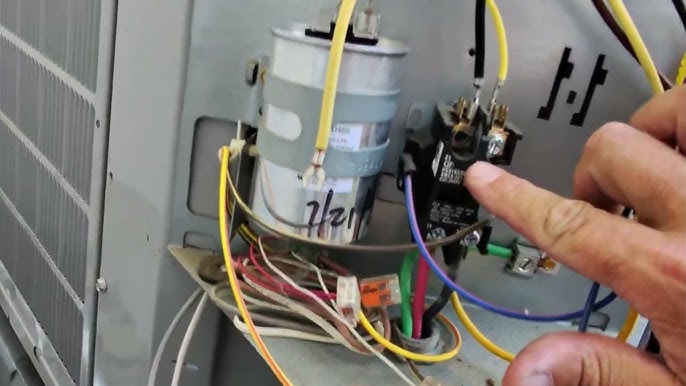
Capacitors help start the compressor and fan motors. A bad capacitor can stop the condenser from running.
Check for bulges, leaks, or cracks on the capacitor. Use a multimeter to test capacitance if you have one.
- Disconnect power before inspection
- Look for physical damage on the capacitor
- Use a multimeter to check capacitance
- Replace the capacitor if readings are low or zero
Replace Faulty Components
Some parts like contactors or relays may fail and need replacement. Faulty components can stop electrical flow.
Identify the bad parts by testing or visual signs. Replace them with exact or compatible parts for safety.
- Turn off the power completely
- Remove the faulty part carefully
- Buy a matching replacement part
- Install the new part securely
- Test the unit before closing the cover

Credit: www.youtube.com
Repairing Refrigerant Leaks
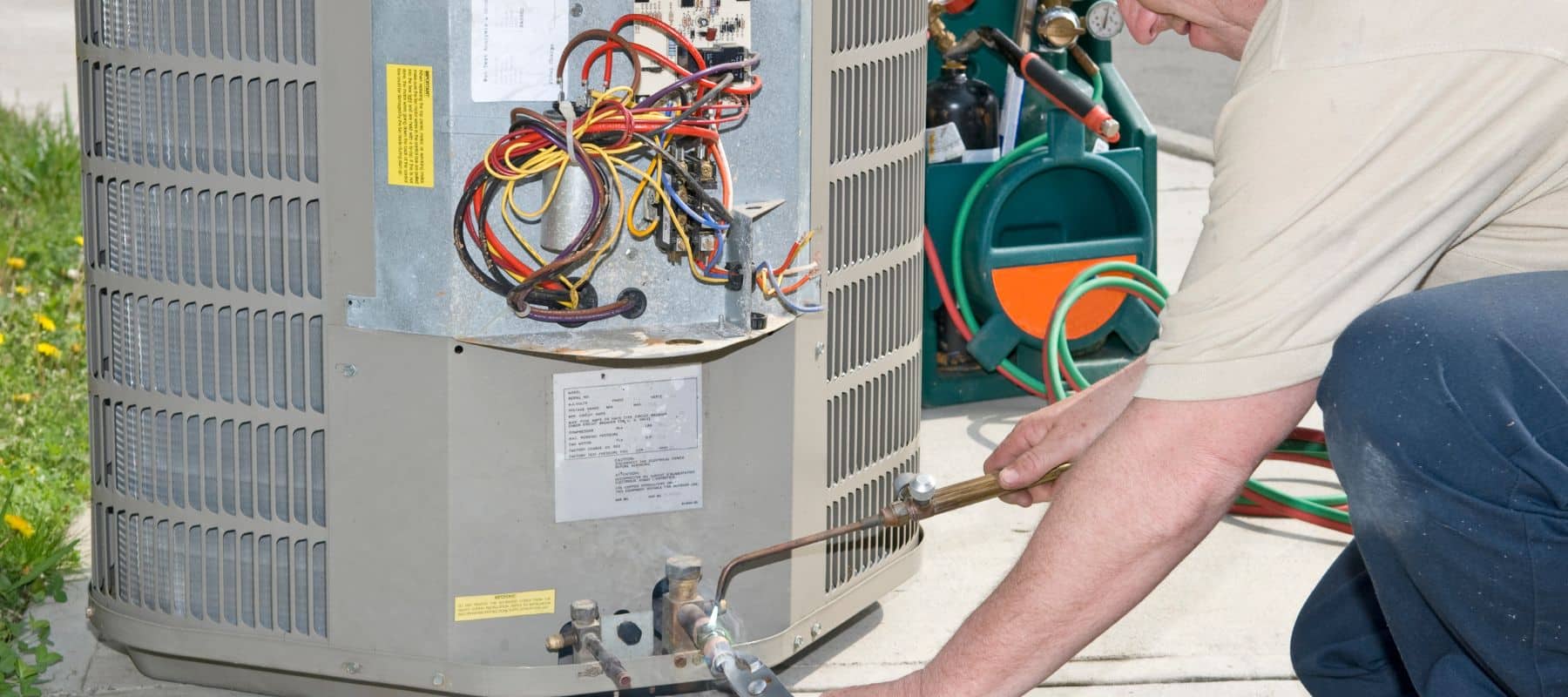
Fixing refrigerant leaks in an air conditioner condenser is vital. It improves cooling and saves energy.
Leaks reduce the system’s efficiency and can harm the environment. Finding and fixing leaks keeps your AC working well.
Identify Leak Locations
Look for oily spots on pipes and fittings. These often show where refrigerant is escaping.
- Check joints and connections closely.
- Listen for hissing sounds around the condenser.
- Use a leak detector spray or electronic leak detector.
- Inspect coils for corrosion or damage.
- Look under the unit for signs of refrigerant pooling.
Seal Small Leaks
Use a refrigerant leak sealant for minor leaks. This stops small holes from losing gas.
| Sealant Type | Best For | Application Method |
| UV Dye Sealant | Small pinholes | Injected into system |
| Epoxy Putty | Pipe cracks | Applied externally |
| Rubber Tape | Temporary fixes | Wrapped around leak |
Recharge Refrigerant
After sealing leaks, refill the system with the correct refrigerant type. This restores cooling power.
- Turn off power and connect gauges to the service ports.
- Evacuate air and moisture with a vacuum pump.
- Slowly add refrigerant while monitoring pressure levels.
- Stop when the system reaches the recommended pressure.
- Check for leaks again after recharging.
Testing The Condenser
Testing the air conditioner condenser helps find problems early. This keeps the AC running well and saves money.
Check the condenser carefully to see if it works right. Look at power, temperature, and sound during the test.
Power On And Monitor
Turn on the AC unit to test the condenser. Watch the power supply and the unit’s response.
Make sure the condenser gets power and starts running. If it does not, check the fuse or circuit breaker.
- Switch on the AC and listen for the condenser fan.
- Check the power cable and connections for damage.
- Use a multimeter to test voltage at the condenser.
- Look for any signs of electrical faults or overheating.
Check Temperature Output
Measure the temperature near the condenser to check its cooling. The air should feel cooler after it passes the condenser.
If the temperature is not dropping, the condenser might be dirty or damaged. Clean or repair it as needed.
- Use a thermometer to measure air before and after the condenser.
- Note if the air is cooler after the condenser.
- Check condenser fins for dirt or debris blocking airflow.
- Clean the condenser fins gently with a brush or water spray.
Listen For Normal Operation
Listen to the sounds the condenser makes when working. Normal operation has a steady, low hum.
Strange noises like grinding, rattling, or buzzing may mean a problem. Fix these issues quickly to avoid damage.
- Hear for a smooth fan rotation sound.
- Identify any unusual noises or vibrations.
- Check fan blades for damage or looseness.
- Repair or replace parts causing noise problems.
Credit: www.topahill.com
When To Call A Professional
Air conditioner condensers can have many issues. Some problems need expert help. Knowing when to call a professional saves time and money.
Simple fixes you can try yourself. But complex problems need a trained technician. Here are signs that you should get professional service.
Complex Electrical Repairs
Electrical issues can be dangerous. If your condenser shows these signs, call a professional:
- Frequent circuit breaker trips
- Burning smells near the unit
- Exposed or damaged wiring
- Unit won’t start despite power supply
- Strange buzzing or clicking sounds
Major Refrigerant Issues
Refrigerant problems affect cooling performance and safety. You need a certified technician if you notice:
| Symptom | Possible Cause |
|---|---|
| Poor cooling | Low refrigerant levels |
| Ice buildup on coils | Refrigerant leak |
| Hissing noise | Gas escaping |
| High energy bills | Overworked compressor |
Persistent Performance Problems
Some issues keep coming back or get worse. A professional can find hidden problems. Look for these warning signs:
- Unit cycles on and off frequently
- Airflow is weak or inconsistent
- Unusual noises continue after cleaning
- Thermostat settings don’t match room temperature
- Repeated breakdowns after repairs
Frequently Asked Questions
How Do I Diagnose Condenser Problems In My Ac?
Check for unusual noises, poor cooling, or leaks. Inspect the condenser coil for dirt or damage. Use a multimeter to test electrical components. Proper diagnosis helps target the exact issue and ensures efficient repairs.
What Tools Are Needed To Repair An Ac Condenser?
You need a screwdriver, fin comb, coil cleaner, and a multimeter. Additional tools include a vacuum pump and refrigerant gauge. Having the right tools ensures safe and effective repair work on your air conditioner condenser.
Can I Clean The Ac Condenser Myself?
Yes, you can clean the condenser coil with a soft brush and coil cleaner. Ensure the power is off before cleaning. Regular cleaning improves efficiency and extends your AC’s lifespan.
When Should I Replace The Air Conditioner Condenser?
Replace it if the coil is severely damaged or corroded. Frequent refrigerant leaks or compressor failure also indicate replacement. Timely replacement prevents higher repair costs and maintains cooling efficiency.
Conclusion
Repairing an air conditioner condenser isn’t as hard as it seems. Follow each step carefully to avoid common mistakes. Keep your tools ready and ensure safety first. Regular maintenance can prevent future breakdowns. It’s cost-effective and extends the unit’s life.
Check filters and coils often to ensure smooth operation. If problems persist, contacting a professional is wise. Remember, a well-functioning air conditioner keeps your home comfortable. Stay cool and enjoy the comfort of a well-maintained system. By doing so, you enhance efficiency and save on energy bills.