If you’re serious about fishing, you know that tying braided fishing line to a swivel the right way makes all the difference. A strong, reliable knot keeps your line from slipping and helps you land more fish.
But if you’ve struggled with knots that come undone or are too complicated, you’re not alone. In this guide, you’ll learn simple, step-by-step methods to tie your braided line securely to a swivel. By the end, you’ll have the confidence to cast out without worrying about losing your catch.
Ready to master this essential skill? Let’s dive in.

Credit: www.reddit.com
Choosing The Right Swivel
Choosing the right swivel helps your fishing line stay strong and tangle-free. The right swivel matches your fishing style and line type.
Swivels come in different types, materials, and sizes. Picking the best one protects your braided line and improves your fishing experience.
Types Of Swivels
There are several types of swivels to choose from. Each type serves a different purpose and works well in certain fishing situations.
- Barrel Swivels:Simple and strong, good for general fishing.
- Ball Bearing Swivels:Spin smoothly, reduce line twist better.
- Three-Way Swivels:Allow attaching multiple lines for different baits.
- Snap Swivels:Have a clip for quick lure changes.
Material And Size Considerations
Swivels come in many materials and sizes. Choosing the right one depends on your fishing line strength and the fish you target.
| Material | Advantages | Best For |
|---|---|---|
| Brass | Strong and rust-resistant | Freshwater fishing |
| Stainless Steel | Very durable and corrosion-resistant | Saltwater fishing |
| Nickel Plated | Good corrosion resistance, shiny finish | General use |
| Plastic or Composite | Lightweight but less durable | Light fishing and small fish |
Size matters. Use a swivel size that fits your braided line’s strength. Too small, and it may break. Too big, and it adds unwanted weight.
Preparing The Braided Line
Preparing the braided fishing line correctly helps create a strong knot. It makes attaching the swivel easier and more secure.
Start with cutting the line carefully and checking its condition. Then moisten the line before tying it to the swivel.
Cutting And Inspecting The Line
Use sharp scissors or a line cutter to get a clean cut. Avoid frayed or damaged sections of the line.
- Cut a length of line slightly longer than needed.
- Check the line for any cuts or abrasions.
- Remove any weak or worn parts before tying.
- Ensure the line end is neat and straight.
Moistening The Line
Moistening the braided line reduces friction and heat. This helps the knot tighten smoothly without damaging the line.
| Moistening Methods | Benefits |
|---|---|
| Use saliva | Quick and easy, natural lubricant |
| Apply water | Prevents heat from friction during tightening |
| Use line conditioner | Protects the line and improves knot strength |
Popular Knots For Braided Line
Braided fishing line is strong and thin. It needs special knots to tie to a swivel. Using the right knot keeps your line secure.
Here are some popular knots that work well with braided line. These knots hold tight and are easy to tie.
Palomar Knot
The Palomar knot is simple and strong. It works well with braided line because it keeps the line from slipping.
To tie the Palomar knot, double the line and pass it through the swivel’s eye. Make a loose knot and pass the loop over the swivel. Pull tight.
- Double the line before starting
- Keep the knot loose until the last step
- Wet the line to reduce friction before tightening
Uni Knot
The Uni knot is versatile and strong. It works well with braided line and is easy to adjust before tightening.
To tie the Uni knot, pass the line through the swivel eye and make a loop. Wrap the tag end around the main line five to six times. Pull the tag end to tighten the coils and slide the knot down to the swivel.
- Make 5-6 wraps for good hold
- Keep coils neat and tight
- Moisten line before pulling tight
Improved Clinch Knot
The Improved Clinch knot is popular for many fishing lines. It works with braided line if tied carefully to avoid slipping.
To tie it, pass the line through the swivel eye. Wrap the tag end around the main line five to seven times. Pass the tag end through the small loop near the eye, then back through the big loop. Pull tight carefully.
- Use 5-7 wraps for strength
- Pass tag end through loops correctly
- Wet line before tightening the knot

Credit: www.youtube.com
Step-by-step Knot Tying
Tying braided fishing line to a swivel needs a strong and reliable knot. This keeps your gear connected and prevents losing fish.
Below are three easy knots you can use for braided line and swivels. Follow each step carefully for best results.
Tying The Palomar Knot
The Palomar knot is strong and simple. It works well with braided line because it does not weaken the line much.
- Double about 6 inches of line and pass it through the swivel eye.
- Tie a loose overhand knot with the doubled line.
- Pass the swivel through the loop formed by the knot.
- Pull the loop over the swivel.
- Moisten the knot and pull both ends to tighten it.
- Trim the tag end close to the knot.
Tying The Uni Knot
The Uni knot works well with braided line. It is easy to tie and holds firm under pressure.
- Pass the line through the swivel eye and double back.
- Create a loop by laying the tag end alongside the doubled line.
- Wrap the tag end around both lines and through the loop 5 to 6 times.
- Moisten the knot and pull the tag end to tighten the coils.
- Slide the knot down to the swivel eye.
- Pull the main line to secure the knot.
- Cut the tag end close to the knot.
Tying The Improved Clinch Knot
The Improved Clinch knot is popular for many lines. It works well if tied correctly and wet before tightening.
- Pass the line through the swivel eye.
- Wrap the tag end around the main line 5 to 7 times.
- Pass the tag end through the small loop near the swivel.
- Then pass it back through the big loop just created.
- Wet the knot to reduce friction.
- Pull the tag end and main line to tighten the knot.
- Trim the tag end close to the knot.
Tips For A Secure Connection
Tying braided fishing line to a swivel needs care. A secure connection stops the line from slipping off.
Using the right knot and tightening it well helps keep the line strong and steady.
Avoiding Line Slippage
Braided line is smooth and slippery, so it can slip on knots easily. Using the right knot reduces slippage.
Adding extra wraps around the swivel’s eye increases friction and holds the line better.
- Use knots like Palomar or Improved Clinch for braided line
- Make at least 5-7 wraps around the swivel eye
- Moisten the line before tightening to reduce heat and friction
- Pull the knot slowly and firmly to set it properly
Ensuring Knot Tightness
Tight knots keep the line from loosening during fishing. Check the knot after tying and before casting.
A loose knot can fail under pressure. Tighten the knot by pulling both the line and tag end firmly.
- Hold the swivel and pull the main line to tighten the knot
- Pull the tag end to secure the knot’s end
- Trim the tag end close but leave a small tail for safety
- Test the knot with a strong tug before use
Testing Your Knot Strength
After tying braided fishing line to a swivel, you must test the knot strength. This ensures your knot will hold during fishing.
Testing helps prevent losing fish or gear due to knot failure. Use simple techniques to check your knot’s durability.
Pull Test Techniques
Pull testing lets you feel how strong your knot is. Use steady force and watch for any slipping or loosening.
- Hold the swivel firmly in one hand.
- Pull the braided line slowly with the other hand.
- Increase pressure until you feel resistance.
- Check if the knot slips or loosens.
- Repeat several times to be sure.
Signs Of Knot Failure
Look for these signs to know if your knot is weak or unsafe.
| Sign | Description |
| Slipping | The knot moves along the line under pressure. |
| Loosening | The knot becomes less tight and may come undone. |
| Line Damage | The braided line frays or cuts near the knot. |
| Swivel Rotation | The swivel twists or moves unusually. |
Common Mistakes To Avoid
Tying braided fishing line to a swivel seems easy but often goes wrong. Mistakes can cause the line to slip or break.
Knowing what to avoid helps you tie stronger, safer knots. This guide covers common errors to watch out for.
Using Wrong Knot For Braided Line
Not all knots work well with braided line. Some knots slip or weaken the line. Using the wrong knot wastes your time and fish.
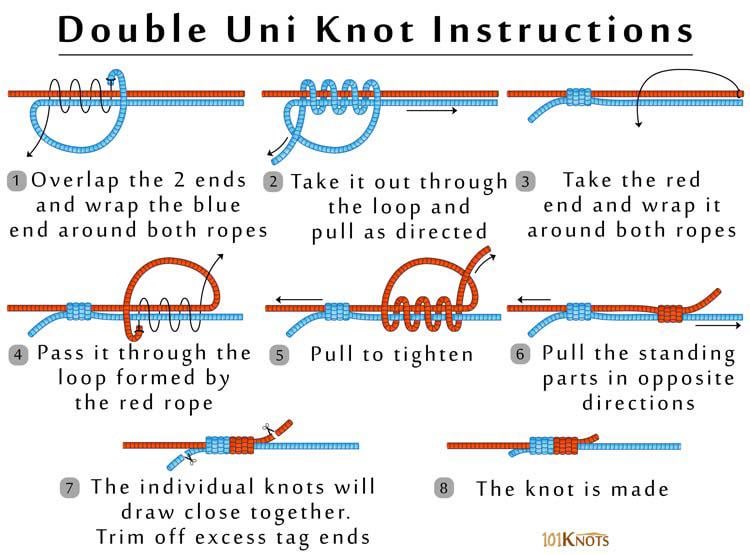
Choose knots made for braided line. Knots like the Palomar or Double Uni hold tight and keep strength. Avoid knots meant for monofilament.
- Wrong knots can slip on braided line
- Some knots reduce line strength
- Use knots tested for braided line
- Palomar and Double Uni knots are good choices
Neglecting Line Preparation
Skipping line preparation causes knots to fail. Braided line is slick and needs care before tying.
Always wet the line before tightening the knot. This reduces heat and friction that can weaken the line. Also, trim tag ends neatly to avoid slippage.
- Wet line before tightening knots
- Trim tag ends close but not too short
- Check line for frays or damage
- Keep knots neat and tight

Credit: www.youtube.com
Frequently Asked Questions
What Is The Best Knot For Braided Line To Swivel?
The Palomar knot is highly recommended for tying braided line to a swivel. It provides a strong, reliable connection and is easy to tie, ensuring your line won’t slip or break during fishing.
How Do I Prevent Braided Line From Slipping On Swivels?
Use knots like the Palomar or Uni knot, which hold braided lines securely. Always moisten the knot before tightening to reduce friction and avoid weakening the line.
Can Braided Fishing Line Damage Swivels?
Braided line is generally gentle on swivels if tied properly. However, using a swivel with smooth surfaces helps prevent abrasion and extends both the line and swivel life.
How Tight Should I Tie The Knot On Braided Line?
Tie your knot firmly but avoid over-tightening. Excessive force can weaken the braided fibers. A snug, secure knot ensures strength without damaging the line or swivel.
Conclusion
Tying a braided fishing line to a swivel is essential. It ensures strength and reliability. Start by choosing the right knot. Practice makes perfect, so try different techniques. Remember, patience is key. Each step matters for a secure connection. A well-tied knot prevents line breakage.
It also enhances your fishing experience. Always check your knots before casting. This small effort pays off with a successful catch. Enjoy your fishing adventures with confidence. Happy fishing!