Have you ever noticed your air conditioner suddenly blowing cold air that feels more like a chilly breeze—or worse, no air at all? When your AC freezes up, it’s not just a minor hiccup; it’s a sign that something’s seriously wrong.
This can leave you sweating in discomfort and wondering what caused it. Understanding what happens when your air conditioner freezes up can help you spot the problem early, avoid costly repairs, and keep your home cool and comfortable. Keep reading to find out why this happens and what you can do about it before it gets worse.

Credit: www.advantageairtech.com
Why Ac Freezes
Air conditioners can freeze up and stop working properly. This problem happens when something affects the cooling system.
Understanding why the AC freezes helps you fix it faster and avoid bigger problems.
Low Refrigerant Levels
Refrigerant is the fluid that cools the air in your AC. Low levels make the evaporator coil too cold.
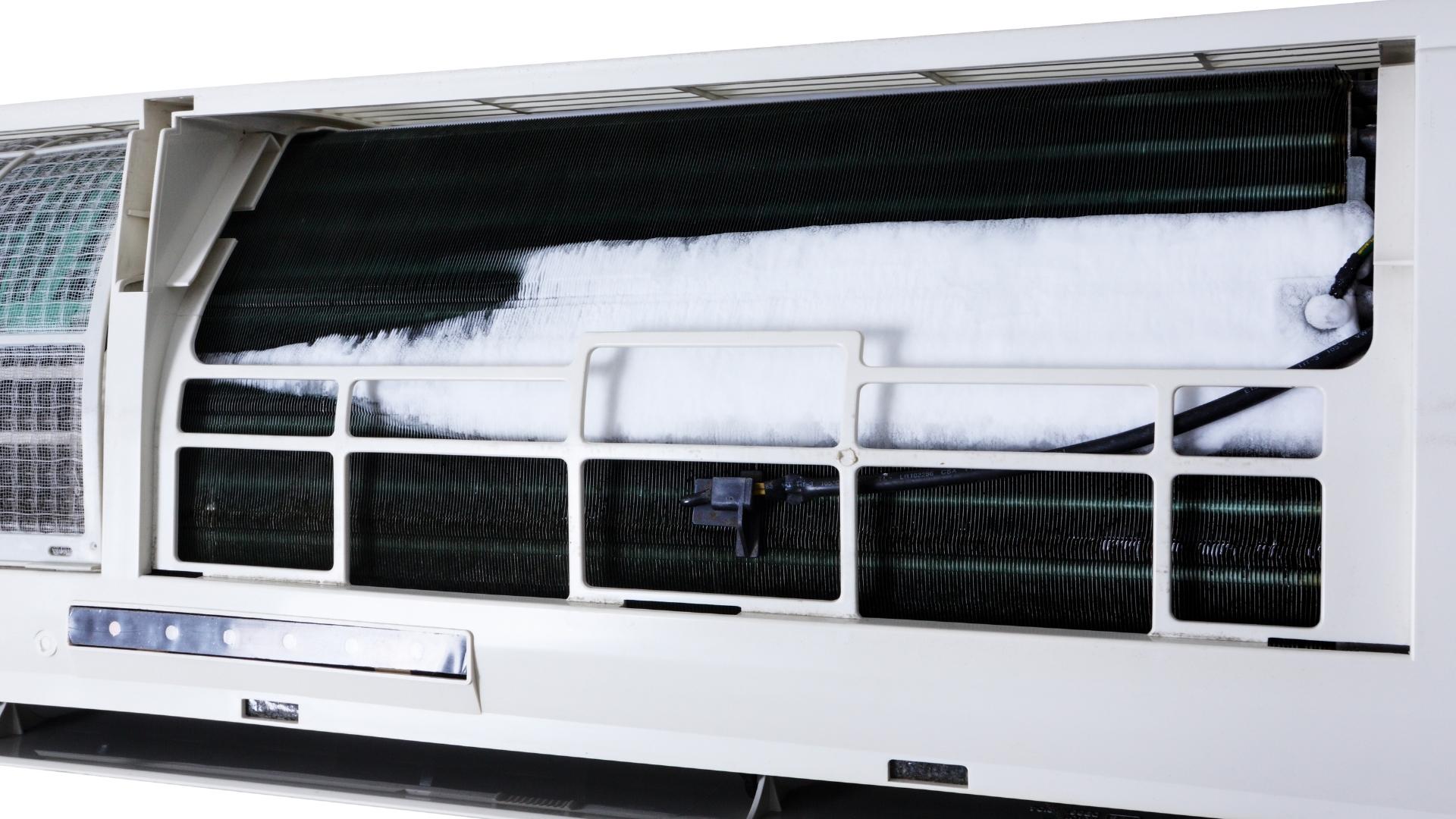
When the coil gets too cold, moisture freezes on it. This ice blocks the airflow and stops cooling.
Poor Airflow
Air needs to flow freely through your AC to keep it working well. Poor airflow causes the coil to freeze.
Blocked vents, closed registers, or dirty parts reduce airflow. The cold air stays trapped and forms ice.
Thermostat Issues
The thermostat controls your AC’s temperature. If it gives wrong signals, the system runs too long or too cold.
Running too long causes the evaporator coil to freeze. This stops the AC from cooling your home.
Dirty Air Filters
Air filters clean dust and dirt from the air. When filters are dirty, air cannot pass through easily.
Blocked filters reduce airflow and cause the coil to get too cold. Ice then forms on the coil.
Blocked Evaporator Coil
The evaporator coil cools the air. Dirt and debris can cover the coil and block heat transfer.
When the coil is blocked, it gets colder than normal. Moisture freezes and forms ice on the coil.
Credit: serviceplusheatingcooling.ca
Signs Of A Frozen Ac
Air conditioners can freeze up during use. This causes problems that stop the unit from cooling well.
Knowing the signs of a frozen AC helps you fix it early. Here are common signs to watch for.
Ice On The Unit
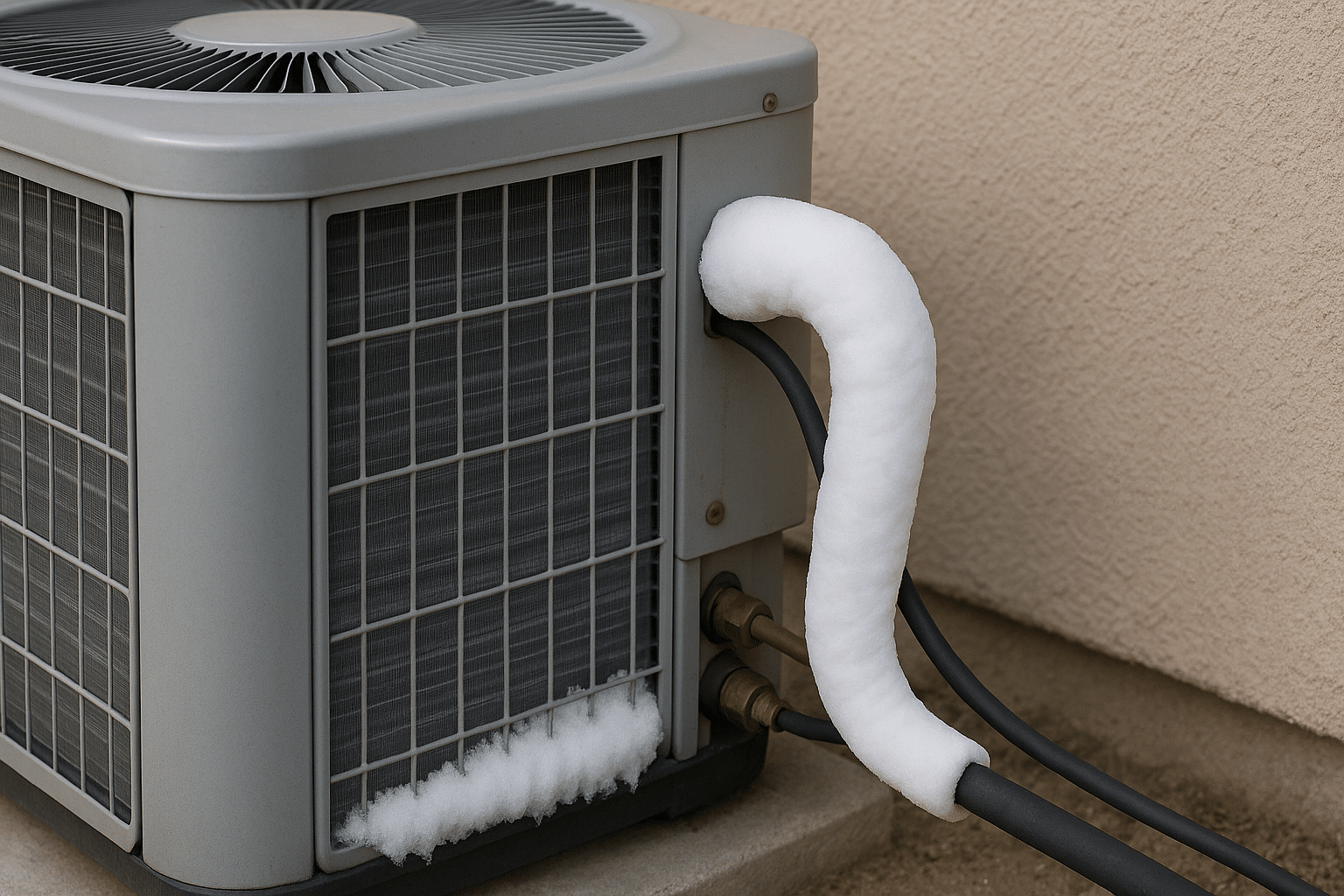
One clear sign of a frozen AC is ice buildup on the unit. Ice may form on the coils or outside parts.
The ice blocks air flow and stops the AC from working correctly. You might see thick ice or frost on the unit.
Reduced Cooling
A frozen AC will not cool your space well. You may feel less cool air or warmer air blowing out.
This happens because ice stops the AC from removing heat properly. The system loses its cooling power.
Strange Noises
Frozen AC units often make unusual sounds. You might hear banging, rattling, or hissing noises.
These noises come from the ice blocking parts or the system working harder than normal. Pay attention to new sounds.
Water Leaks
Water leaking near the AC can be a sign of a freeze. When ice melts, it can drip and cause puddles.
Leaking water may damage floors or walls. Check for wet spots around your AC unit often.
Fixing A Frozen Ac
A frozen air conditioner stops cooling your home properly. Ice forms on the coils and blocks airflow.
Fixing this problem quickly helps avoid bigger damages and keeps your AC running well.
Turn Off The System
First, turn off your AC system. This lets the ice melt safely. Running the AC while frozen can harm the compressor.
Check And Replace Filters
Dirty filters reduce airflow and cause freezing. Look at your filters and replace them if they are clogged or dirty.
- Remove the filter carefully
- Check for dust and dirt build-up
- Replace with a new filter if needed
- Clean reusable filters with water and dry fully
Clear Airflow Obstructions
Objects blocking vents or registers limit airflow. Remove furniture, curtains, or debris near the AC vents to improve air circulation.
Inspect Refrigerant Levels
Low refrigerant causes ice buildup. Check refrigerant levels with a professional. Do not try to recharge refrigerant yourself as it needs special tools.
Clean The Evaporator Coil
Dirty evaporator coils freeze easily. Clean the coils gently with a soft brush or coil cleaner to remove dust and grime.
| Cleaning Tips | Details |
| Turn off power | Ensure safety before cleaning |
| Use soft brush | Prevent coil damage |
| Apply coil cleaner | Follow product instructions |
| Let dry fully | Before turning AC back on |
Credit: www.thervgeeks.com
Preventing Future Freezes
An air conditioner that freezes up can stop working well and cause damage. Taking simple steps helps keep it running smoothly. You can avoid frozen coils and cold air problems with good care.
Preventing freezes means paying attention to your AC’s needs. Regular checks and cleaning are key to keeping the system healthy all year long.
Regular Maintenance
Regular maintenance helps your AC work at its best. Changing filters, cleaning coils, and checking refrigerant levels keep the system from freezing.
- Change or clean air filters every 1 to 3 months.
- Remove dirt and dust from coils and fans.
- Check refrigerant levels and refill if needed.
- Look for signs of leaks or damage.
Keep Air Vents Clear
Blocked air vents reduce airflow and cause the AC to freeze. Keep vents open and clean to help air move freely.
- Do not cover or block vents with furniture.
- Clean vents regularly to remove dust.
- Check for objects that may block airflow.
Monitor Thermostat Settings
Setting your thermostat too low can make the AC freeze. Keep it at a moderate temperature to avoid strain on the system.
| Thermostat Setting | Effect on AC |
| Too Low (Below 70°F) | Increases freeze risk |
| Moderate (70°F to 75°F) | Good for steady cooling |
| Too High (Above 75°F) | Less cooling, more wear |
Schedule Professional Inspections
Experts can spot problems early and fix them before freezing starts. Schedule inspections once a year for best results.
During a professional inspection, the technician will:
- Check refrigerant and pressure levels
- Clean coils and fan blades
- Inspect electrical connections
- Test the thermostat and controls
Frequently Asked Questions
Why Does An Air Conditioner Freeze Up?
An air conditioner freezes up due to restricted airflow or low refrigerant levels. Dirty filters or blocked vents reduce airflow. Low refrigerant causes coil temperatures to drop below freezing. This leads to ice buildup on coils, reducing cooling efficiency and potentially damaging the system.
How To Fix A Frozen Air Conditioner Coil?
To fix a frozen coil, first turn off the AC to let ice melt. Replace dirty filters and clean vents. Check for refrigerant leaks and call a professional to recharge if needed. Regular maintenance prevents future freezing and ensures optimal cooling performance.
Can A Frozen Ac Cause System Damage?
Yes, a frozen AC can damage the compressor and other components. Ice restricts airflow and increases pressure, causing strain. Running the AC while frozen can lead to costly repairs. Immediate attention and proper maintenance help avoid permanent damage and extend unit lifespan.
How To Prevent Air Conditioner Freezing?
Prevent freezing by regularly changing filters and cleaning vents. Ensure proper refrigerant levels and schedule professional tune-ups. Avoid running the AC when windows or doors are open. Proper maintenance keeps airflow steady and prevents ice buildup on coils.
Conclusion
A frozen air conditioner disrupts home comfort. It leads to inefficient cooling. Regular maintenance prevents freezing issues. Always keep filters clean. Check refrigerant levels often. Addressing minor issues early saves money. Avoids major repairs too. An HVAC professional helps in complex situations.
Understanding your system is crucial. It keeps your home cool and comfortable. Simple steps ensure efficient operation. Stay proactive and enjoy consistent cooling.