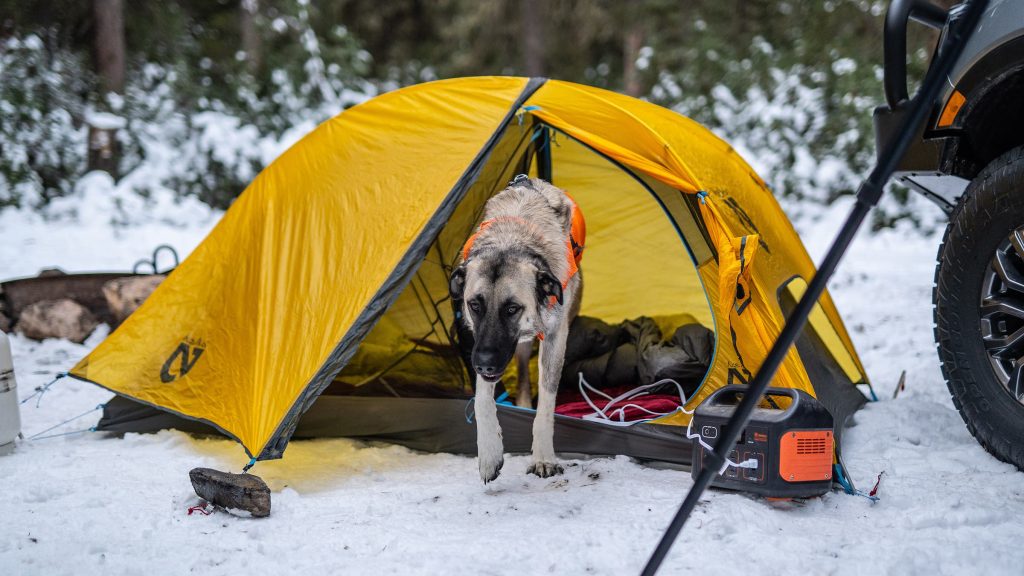
Are you planning a camping trip and wondering if propane heaters are safe to use inside your tent? Staying warm while enjoying the great outdoors is important, but safety should always come first.
You might have heard mixed opinions about using propane heaters in tents, and it’s easy to feel confused or worried. This article will clear up those concerns and give you practical tips to keep you and your loved ones safe and cozy.
Keep reading to discover what you need to know before turning on that heater inside your tent.

Credit: www.reddit.com
Risks Of Using Propane Heaters In Tents
Using propane heaters in tents can be dangerous. It is important to know the risks before using one.
Many people use propane heaters to stay warm. But these heaters have safety concerns that need attention.
Fire Hazards
Propane heaters can cause fires if not used carefully. The open flame or hot surfaces may ignite tent fabric or nearby items.
- Keep flammable materials far from the heater.
- Use heaters designed for indoor or tent use only.
- Never leave the heater unattended while it is on.
- Place the heater on a stable, flat surface to avoid tipping.
Carbon Monoxide Poisoning
Propane heaters produce carbon monoxide (CO), a gas that can harm or kill. It has no smell or color and is hard to detect.
| Symptom | Description |
| Headache | Common early sign of CO poisoning |
| Dizziness | Feeling lightheaded or unsteady |
| Nausea | Feeling sick to the stomach |
| Confusion | Difficulty thinking clearly |
| Loss of consciousness | Severe poisoning can cause fainting |
Ventilation Challenges
Tents often have limited airflow. Without enough ventilation, dangerous gases build up quickly.
To reduce risks, ensure your tent has proper ventilation:
- Keep tent flaps or windows slightly open.
- Avoid sealing the tent fully while the heater runs.
- Use carbon monoxide detectors designed for tents.
Choosing The Right Propane Heater
Using a propane heater in a tent can keep you warm during cold nights. Choosing the right heater is important for safety and comfort.
You should look at models that are safe, certified, and fit your tent size well. This guide will help you pick the best propane heater for camping.
Portable And Safe Models
Look for propane heaters made for camping and outdoor use. These models are lightweight and easy to carry. They also have safety features like automatic shut-off if tipped over.
Some heaters have protective grills to stop burns and are designed to use propane safely inside tents. Always choose one that fits your camping needs and tent size.
Safety Certifications To Look For
- CSA (Canadian Standards Association) certification shows the heater meets safety rules.
- UL (Underwriters Laboratories) listing means the product passed strict safety tests.
- ETL (Intertek) mark indicates the heater is tested for safe use.
- Look for heaters with safety valves and oxygen sensors.
Buying a heater with these certifications reduces risks and helps keep your camping safe.
Size And Heat Output Considerations
| Heater Size | Heat Output (BTU) | Best Tent Size |
| Small | 3,000 – 5,000 | 1-2 person tents |
| Medium | 5,000 – 9,000 | 3-4 person tents |
| Large | 9,000 – 12,000 | 5+ person tents |
Choose a heater that matches your tent size. Too much heat can be unsafe. Too little will not keep you warm.
Safe Setup And Operation
Using propane heaters in tents can keep you warm. Safety is very important to prevent accidents.
Follow key steps to set up and operate your heater safely inside a tent.
Proper Placement Inside The Tent
Place the heater where air flows well. Avoid corners or tight spaces where heat can build up.
Keep the heater near an open tent flap or vent to allow fresh air in and let fumes out.
Maintaining Distance From Flammable Materials
Keep the heater far from sleeping bags, clothes, and tent fabric. Flames or heat can start a fire.
Make sure no objects hang over or touch the heater while it is on.
- Keep at least 3 feet of space around the heater
- Do not place near curtains or plastic items
- Store fuel canisters outside the tent
Stable And Level Surface Setup
Set the heater on a flat, firm surface to stop it from tipping over. Unstable placement can cause burns or fires.
Check the ground before lighting the heater. Use a heat-resistant mat if needed to protect the tent floor.
- Use a small table or platform if ground is uneven
- Ensure the heater cannot slide or move easily
- Keep the setup steady during windy conditions

Credit: www.reddit.com
Ventilation Strategies
Using propane heaters in tents requires careful attention to ventilation. Proper airflow helps prevent dangerous gas buildup. It also keeps the air fresh and safe to breathe.
Good ventilation reduces the risk of carbon monoxide poisoning. This section explains how to keep your tent well-ventilated and safe while using propane heaters.
Ensuring Adequate Airflow
Open vents or windows help air move in and out of the tent. This movement stops harmful gases from building up inside. Keep some openings near the floor and others near the roof.
Use fans or vents designed for tents to improve airflow. Avoid sealing the tent completely when the heater is on. Always check the tent’s instructions for proper ventilation options.
- Open tent flaps or windows slightly
- Use vented heaters if possible
- Place vents at different heights
- Use battery-powered fans to move air
Using Carbon Monoxide Detectors
Carbon monoxide (CO) is a colorless, odorless gas from propane heaters. CO detectors alert you if levels rise. Always have a working CO detector inside your tent.
Place the detector near the sleeping area. Test it before each trip to make sure it works. Replace batteries regularly to keep it active.
- Choose a CO detector suitable for tents
- Place it at head level where you sleep
- Test before every use
- Change batteries often
Signs Of Poor Ventilation
Watch for headaches, dizziness, or nausea. These symptoms may mean the air inside the tent is unsafe. If you notice these signs, turn off the heater and get fresh air immediately.
Other signs include condensation inside the tent and stuffy air. Check vents and openings to make sure air flows well. Never ignore these warning signs when using a propane heater.
- Headaches or dizziness
- Nausea or feeling weak
- Excess moisture or condensation
- Stale or stuffy air
Maintenance And Inspection
Using propane heaters in tents can keep you warm. Safety depends on good maintenance and regular checks.
Inspecting and cleaning your heater helps avoid accidents. Follow these steps to keep your heater safe.
Checking For Gas Leaks
Gas leaks are dangerous and must be found early. Use a soap and water mix to check for leaks on hoses and connections.
Bubbles form if there is a leak. Never use a flame to check for leaks. Fix leaks before using the heater.
- Mix soap and water in a spray bottle
- Spray on all gas connections and hoses
- Look for bubbles forming on sprayed areas
- Tighten or replace parts if bubbles appear
Cleaning And Servicing Tips
Clean your propane heater before each use. Dust and dirt can block vents and cause problems.
Use a soft brush or cloth to remove dirt. Check the flame for a steady blue color, which shows proper burning.
- Unplug and cool down the heater before cleaning
- Remove dust from vents and grills gently
- Wipe surfaces with a damp cloth
- Replace filters if your heater has them
Regular Equipment Inspections
Check your heater regularly for wear and damage. Look closely at hoses, connections, and the fuel tank.
Replace any damaged parts right away. Keep a schedule for inspections to stay safe every time you use the heater.
- Inspect hoses for cracks and leaks
- Check regulator and valves for damage
- Ensure fuel tank is free of rust and dents
- Test the heater before each camping trip
Credit: www.advnture.com
Emergency Precautions
Using propane heaters in tents requires careful safety steps. Emergencies can happen fast. Knowing what to do can save lives.
This guide covers key emergency precautions. Focus on fire safety, exit plans, and carbon monoxide awareness.
Fire Extinguisher Readiness
Keep a fire extinguisher near your tent. It should be easy to reach and ready for use. Check it often to make sure it works well.
- Choose an extinguisher rated for propane fires (Class B or multipurpose)
- Know how to use it before setting up your heater
- Inspect the extinguisher pressure gauge regularly
- Store it in a dry, visible spot inside or just outside your tent
Emergency Exit Planning
Plan how to leave your tent fast if a fire or gas leak occurs. Practice the plan with everyone who shares the tent.
| Emergency Exit Tips |
|---|
| Keep exits clear of gear and obstacles |
| Mark exits with glow sticks or reflective tape |
| Know the nearest safe outdoor area |
| Practice quick evacuation drills before bedtime |
Recognizing Carbon Monoxide Symptoms
Carbon monoxide is a colorless, odorless gas from propane heaters. Know the signs to act fast.
- Headache
- Dizziness
- Nausea
- Shortness of breath
- Confusion or weakness
If you or anyone feels these symptoms, turn off the heater immediately. Get fresh air and seek help.
Frequently Asked Questions
Are Propane Heaters Safe For Indoor Tent Use?
Propane heaters can be safe in tents if used properly. Always ensure good ventilation and follow manufacturer instructions to prevent carbon monoxide buildup and fire hazards.
How To Prevent Carbon Monoxide Poisoning With Propane Heaters?
To avoid poisoning, always use propane heaters in well-ventilated areas. Install a carbon monoxide detector and never sleep with the heater on unattended.
What Safety Features Should A Propane Heater Have?
Look for heaters with automatic shut-off, tip-over protection, and low oxygen sensors. These features reduce risks and improve safe use inside tents.
Can Propane Heaters Cause Fires In Tents?
Yes, if placed too close to flammable materials or used improperly. Maintain safe distances and never leave the heater unattended to prevent fire risks.
Conclusion
Propane heaters can be safe in tents with care. Always follow safety guidelines. Ventilation is crucial to prevent carbon monoxide buildup. Ensure your tent allows airflow. Use heaters with built-in safety features. Keep them away from flammable materials. Monitor the heater while in use.
Never leave it unattended. Turn it off before sleeping. Safety first ensures a warm and secure camping experience. Stay informed and prepared. Enjoy your adventure with peace of mind.