Have you ever wondered if your air conditioner pulls in fresh air from outside? Understanding how your AC works can help you make smarter choices about your home’s comfort and air quality.
You might be surprised to learn what role outside air plays in cooling your space—and how it affects energy use and indoor freshness. Keep reading to discover the truth about your air conditioner and outside air, so you can get the most from your cooling system all year round.
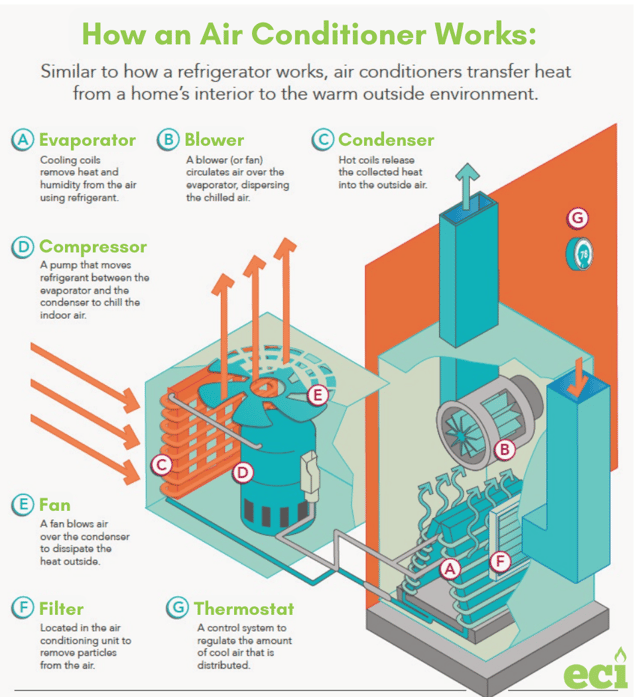
Credit: www.ecicomfort.com
How Air Conditioners Work
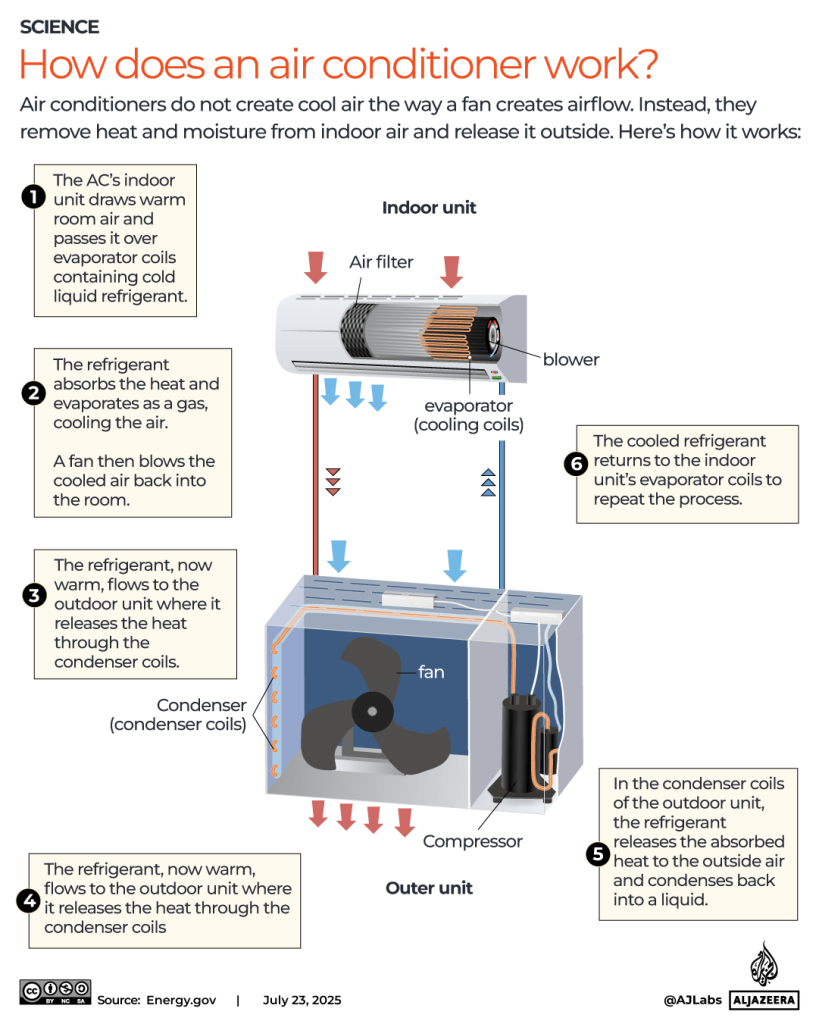
Air conditioners cool your home by moving heat from inside to outside. They do not use outside air directly to cool the indoor space. Instead, they rely on a cycle involving refrigerant and two main units.
This process removes warm air and moisture, making the indoor air cooler and more comfortable.
Basic Cooling Process
An air conditioner works by taking warm air from inside and transferring its heat outside. It uses a closed loop system where air inside the room passes over cold coils. This cools the air and removes moisture.
- Warm indoor air flows over cold evaporator coils.
- The refrigerant inside the coils absorbs heat.
- Cool air is blown back into the room.
- The heat absorbed by the refrigerant moves outside.
- The refrigerant releases heat through condenser coils outdoors.
Role Of Refrigerant
Refrigerant is a special fluid that helps move heat from inside to outside. It changes between liquid and gas as it absorbs and releases heat. This change allows the air conditioner to cool the indoor air efficiently.
| Stage | Refrigerant State | Function |
| Evaporation | Liquid to Gas | Absorbs heat inside |
| Compression | Gas | Raises temperature and pressure |
| Condensation | Gas to Liquid | Releases heat outside |
| Expansion | Liquid | Reduces pressure before cycle repeats |
Indoor And Outdoor Units
An air conditioner has two main parts: the indoor unit and the outdoor unit. Each plays a key role in cooling your home.
- Indoor Unit:Contains evaporator coils and a fan. It pulls warm air from the room and cools it.
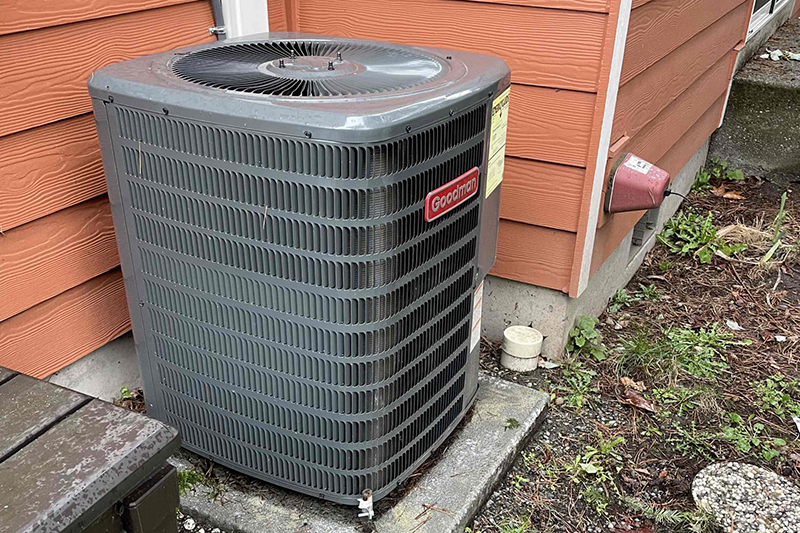
- Outdoor Unit:Contains compressor and condenser coils. It releases the heat taken from inside to the outside air.

Credit: www.reddit.com
Air Intake Sources
Air conditioners cool indoor spaces by moving air over cold coils. The air they use can come from inside or outside the building. Understanding where the air comes from helps us know how air conditioners work.
This section explains the main air intake sources: recirculated indoor air and outside air intake. Each has different effects on cooling and air quality.
Recirculated Indoor Air
Most air conditioners use indoor air that has already been inside the room. This air is pulled back through vents, cooled, and then sent back into the room. The system keeps recycling this air to save energy.
Recirculating indoor air helps air conditioners work faster. It also keeps out dust, pollen, and pollution from outside. The air inside is cooled repeatedly to maintain the temperature.
Outside Air Intake Possibility
Some air conditioners can bring in outside air to mix with indoor air. This helps improve air quality by adding fresh air. Outside air is usually filtered before it enters the system.
Using outside air depends on the system design and weather conditions. In hot or humid weather, outside air may make cooling harder. In cooler weather, fresh air can help reduce indoor pollution.
Types Of Air Conditioners
Air conditioners come in different types to cool indoor spaces. Each type works differently with air from outside.
Understanding these types helps you know if they use outside air or recirculate indoor air.
Window And Split Systems
Window and split air conditioners usually cool indoor air by removing heat. They mostly recirculate indoor air.
- Window units fit in a window and cool one room.
- Split systems have two parts: one inside and one outside.
- They do not bring in much outside air during cooling.
- Some models allow fresh air intake, but it is not common.
Central Air Conditioning
Central air systems cool many rooms or a whole building. They use ducts to move air around.
| Feature | Description |
| Air Source | Mostly recirculates indoor air |
| Fresh Air Intake | Can include outside air through ventilation |
| Cooling Area | Multiple rooms or entire building |
| Energy Use | Efficient for large spaces |
Ventilation And Fresh Air Systems
Ventilation systems bring fresh outside air into the building. They help improve indoor air quality.
These systems often work with air conditioners. They:
- Bring outside air inside
- Remove stale indoor air
- Control humidity and odors
- Can include heat recovery ventilators
Energy Efficiency And Air Quality
Air conditioners cool indoor spaces by removing heat. They can use inside air or bring in outside air. This choice affects energy use and air quality.
Understanding how outside air impacts your AC helps keep your home comfortable and healthy. It also affects your energy bills.
Impact Of Outside Air On Efficiency
Using outside air in an air conditioner can change how much energy it uses. Outside air may be hotter or more humid than indoor air. This makes the AC work harder.
- Bringing in hot outside air raises cooling load.
- High humidity outside increases energy to remove moisture.
- Sealed systems using indoor air run more efficiently.
- Fresh air intake may need extra cooling or heating.
Effect On Indoor Air Quality
Outside air can improve indoor air by adding fresh oxygen. It also helps reduce indoor pollutants. But outside air may bring dust or allergens inside.
| Air Quality Factor | Benefit | Possible Drawback |
| Fresh Oxygen | Improves breathing comfort | None |
| Pollutants | Reduces indoor air contaminants | Brings dust and pollen |
| Humidity | Balances dry air | May cause dampness |
| Odors | Removes stale smells | Introduces outdoor odors |
When Outside Air Is Used
An air conditioner usually cools the air inside a building. It does not always use outside air. Outside air is used only in certain situations.
Using outside air helps bring fresh air inside. This can improve air quality and reduce stuffiness in rooms.
Fresh Air Ventilation Settings
Some air conditioners have settings to bring in fresh outside air. This is called fresh air ventilation. It helps keep the indoor air clean and healthy.
When fresh air ventilation is on, the air conditioner mixes outside air with indoor air. This reduces stale air and removes odors.
- Used in homes, offices, and schools for better air quality
- Helps reduce indoor pollutants and humidity
- May increase energy use slightly because outside air must be cooled
Heat Recovery Ventilators
Heat recovery ventilators (HRVs) bring fresh outside air into a building. They also remove stale indoor air. HRVs save energy by transferring heat between the two air flows.
HRVs work with air conditioners to keep air fresh without wasting energy. They are common in airtight, well-insulated buildings.
- Bring in fresh air without losing indoor heat
- Help reduce heating and cooling costs
- Improve indoor air quality and comfort
Credit: lifetimeheating.com
Common Misconceptions
Many people wonder if air conditioners use outside air to cool a room. This idea is not true for most home units. Understanding how air conditioners work helps clear up this confusion.
We will explain the difference between air conditioners and air purifiers. Then, we will look at how cooling differs from ventilation.
Air Conditioner Vs. Air Purifier
An air conditioner cools the air inside a room. It does not bring in fresh air from outside. Instead, it removes heat from the indoor air and sends it outside.
An air purifier cleans the air inside a room. It removes dust, pollen, and other particles. Air purifiers do not cool or heat the air. They only filter the air that is already inside.
- Air conditioners cool air but do not clean it.
- Air purifiers clean air but do not cool it.
- Neither usually brings outside air indoors.
Cooling Vs. Ventilation
Cooling lowers the temperature inside a room. Air conditioners do this by cycling indoor air and removing heat. They do not add fresh air from outside.
Ventilation brings fresh air from outside into a building. It removes stale air and controls moisture. Ventilation helps improve indoor air quality but does not cool the air.
- Cooling changes indoor air temperature.
- Ventilation changes indoor air by adding fresh air.
- Some systems combine both functions.
Frequently Asked Questions
Does An Air Conditioner Bring In Outside Air?
No, most air conditioners recirculate indoor air. They cool and dehumidify the air inside without using outside air. Some systems use limited fresh air for ventilation, but standard units do not.
How Does An Air Conditioner Cool Indoor Air?
Air conditioners remove heat and moisture from indoor air. They circulate air over cold coils, cooling it before blowing it back inside. This process lowers room temperature and humidity efficiently.
Can Outside Air Affect Air Conditioner Performance?
Yes, outside air can impact efficiency. Hot, humid outdoor air increases the cooling load. However, standard AC units primarily recirculate indoor air, minimizing outside air’s effect on performance.
Do Air Conditioners Improve Indoor Air Quality With Fresh Air?
Standard ACs do not add fresh air but filter indoor air. HVAC systems with ventilation components can bring in outside air, improving indoor air quality by reducing pollutants and stale air.
Conclusion
Air conditioners do not use outside air to cool your home. They recirculate indoor air instead. This process helps maintain a comfortable indoor climate. Understanding this can help with energy efficiency. Regular maintenance is key. This ensures the unit works effectively.
Proper settings save energy and costs. Keep windows and doors closed when using the AC. This keeps the cool air inside. Use fans to improve air circulation. Fans work well with air conditioners. Stay cool and comfortable by using your AC wisely.