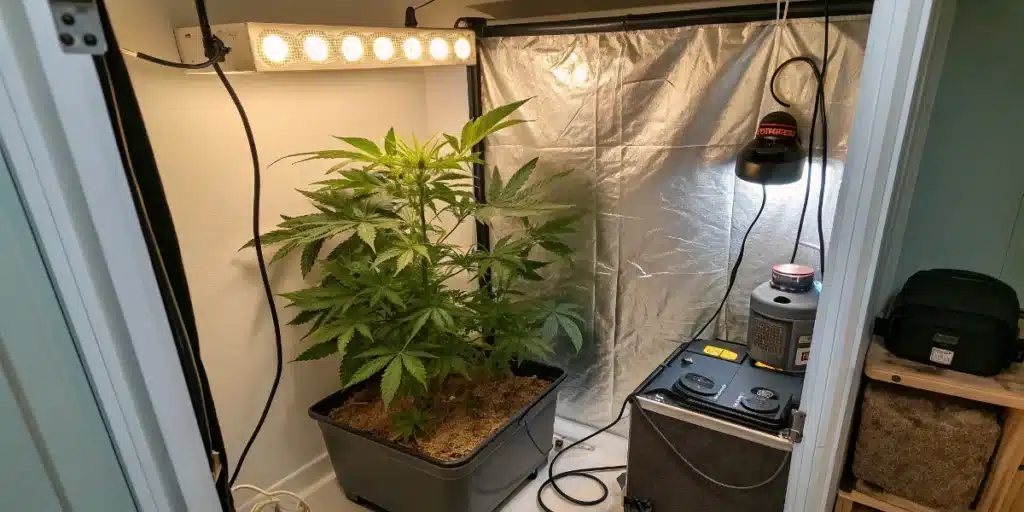
If you want to grow weed at home but don’t have much space, a grow tent is your best friend. It lets you control everything—light, temperature, and humidity—so your plants can thrive.
Imagine harvesting your own high-quality buds without stepping outside. In this guide, you’ll learn exactly how to set up your grow tent and care for your plants step-by-step. By the end, you’ll have the confidence and know-how to grow weed successfully, right in your own space.
Ready to get started? Let’s dive in!

Credit: blimburnseeds.com
Choosing The Right Grow Tent
Choosing the right grow tent is key to growing healthy cannabis plants. Your tent must fit your space and meet your growing needs. This guide helps you pick the best tent for your setup.
Focus on the size, material, and ventilation of the tent. Each part affects plant growth and your ease of use.
Size And Space Considerations
Pick a tent size that fits your available space and the number of plants you want to grow. Too small tents limit plant growth. Too big tents waste electricity and space.
- Measure your room before buying a tent.
- Allow extra space for lights and fans inside the tent.
- Consider the height of plants as they grow tall.
- Choose a tent that fits your budget but is large enough for your goals.
Material Quality And Light Proofing
Look for strong materials that last long and block all light. Light leaks can confuse plants and reduce yields. The tent should have thick fabric and sturdy zippers.
| Material | Benefit |
| 600D Oxford cloth | Durable and tear-resistant |
| Mylar lining | Reflects light evenly inside |
| Double stitching | Prevents light leaks |
| Heavy-duty zippers | Secure closure, blocks light |
Ventilation And Airflow Features
Good airflow stops heat buildup and keeps plants healthy. A tent with vents and ports makes it easy to install fans and filters. Proper ventilation helps control humidity and odor.
- Look for tents with adjustable vents for fan and duct placement.
- Choose tents with mesh windows or panels for extra airflow.
- Check if the tent has enough ports for your ventilation system.
- Ensure the tent frame can hold exhaust fans and filters securely.

Credit: blimburnseeds.com
Selecting Quality Cannabis Seeds
Choosing the right cannabis seeds is key for a successful grow tent setup. Quality seeds affect plant health and final yield.
Start by learning about different seed types and how they match your growing goals. This guide covers important seed selection tips.
Types Of Seeds: Feminized, Auto-flowering, And Regular
There are three main seed types. Each suits different growers and grows.
- Feminized Seeds:These seeds grow only female plants. They are popular for higher yields.
- Auto-flowering Seeds:These plants flower automatically after a short time. They need less light control.
- Regular Seeds:These can grow male or female plants. They are good for breeding and experienced growers.
Strain Selection For Desired Effects
Choose strains based on the effects you want. Some strains relax, others energize. Pick what fits your needs.
| Strain Type | Common Effects |
| Indica | Relaxation, sleep aid, pain relief |
| Sativa | Energy, creativity, focus |
| Hybrid | Balanced effects of indica and sativa |
Seed Source And Germination Tips
Buy seeds from trusted sources to ensure quality and genetics. Keep seeds dry and cool before planting.
- Store seeds in a dark, cool place
- Use the paper towel method to test germination
- Plant seeds once the taproot appears
- Keep seedlings warm and moist during early growth
Setting Up Lighting Systems
Lighting is key for growing weed in a grow tent. It helps plants make food through photosynthesis.
Choosing the right light type and managing its schedule and position affects plant health and yield.
Led Vs Hps Lights
LED and HPS are popular lights for grow tents. Each has pros and cons for growing weed.
| Light Type | Energy Use | Heat Output | Light Spectrum | Cost |
| LED | Low | Low | Full spectrum | Higher upfront |
| HPS | High | High | Mostly red/yellow | Lower upfront |
LEDs save energy and run cooler. HPS lights are cheaper but hotter and use more power.
Light Schedule For Growth Stages
Plants need different light hours during growth and flowering. Follow a set schedule to help plants grow well.
- Vegetative stage: 18 hours light, 6 hours dark
- Flowering stage: 12 hours light, 12 hours dark
Keep light timing consistent. Sudden changes can stress plants and lower yield.
Positioning And Intensity
Place lights close enough for strong light but not too near to burn leaves. Adjust as plants grow.
- LED lights: 12–24 inches above plants
- HPS lights: 18–36 inches above plants
- Use a light meter to measure intensity
- Lower light intensity in seedlings
- Increase intensity during flowering
Optimizing Temperature And Humidity
Growing weed in a grow tent needs the right temperature and humidity. These factors help plants grow healthy and strong.
Controlling temperature and humidity can improve your plant’s growth and yield. Let’s look at how to manage them well.
Ideal Ranges For Vegetative And Flowering Phases
The vegetative phase needs different conditions than the flowering phase. Each stage has its own ideal temperature and humidity.
| Growth Phase | Temperature (°F) | Humidity (%) |
|---|---|---|
| Vegetative | 70-85°F | 40-70% |
| Flowering | 65-80°F | 40-50% |
Keep temperature stable. Avoid big changes in heat or moisture. This helps prevent stress and mold.
Using Humidifiers And Dehumidifiers
Humidifiers add moisture to the air. Use them if your tent is too dry for your plants.
Dehumidifiers remove moisture. Use them if humidity is too high, which can cause mold and pests.
- Place devices near air circulation for best effect
- Check water levels in humidifiers often
- Adjust settings based on plant needs and tent size
Monitoring With Sensors
Sensors help track temperature and humidity in real time. They give quick feedback to adjust conditions.
Use digital sensors that show clear numbers. Some connect to apps for easy monitoring from anywhere.
- Place sensors at plant level for accurate readings
- Check readings daily to keep conditions stable
- Use alarms or alerts to catch problems early
Soil And Nutrient Management
Growing weed in a grow tent needs good soil and proper nutrients. Healthy soil helps plants grow strong and produce more buds.
Nutrient management means giving plants the right food at the right time. This keeps plants healthy and prevents problems.
Choosing The Right Growing Medium
Pick soil or a growing medium that drains well and holds moisture. This helps roots get air and water.
Good options include organic potting soil, coco coir, or a mix of peat moss and perlite. Avoid heavy soils that stay wet too long.
- Organic potting soil supports microbes and nutrients
- Coco coir holds water and air well
- Perlite improves drainage and aeration
- Mixing peat moss keeps soil light and moist
Essential Nutrients And Feeding Schedule
Plants need nutrients like nitrogen, phosphorus, and potassium. These help leaves, roots, and buds grow.
Use a feeding schedule to give nutrients regularly but not too much. Overfeeding can hurt plants.
| Growth Stage | Nutrients Needed | Feeding Frequency |
|---|---|---|
| Seedling | Low nutrients, mostly nitrogen | Once a week |
| Vegetative | High nitrogen, moderate phosphorus | Every 3-4 days |
| Flowering | Less nitrogen, more phosphorus and potassium | Every 3 days |
Ph Levels And Adjustments
Check the pH level of your soil or water. The right pH helps plants absorb nutrients well.
Keep soil pH between 6.0 and 7.0. Use pH up or down solutions to adjust water if needed.
- Test pH with a meter or strips
- Adjust pH before watering plants
- Watch plants for signs of nutrient problems
- Keep pH stable for best growth

Credit: www.reddit.com
Watering Techniques
Watering is key to growing healthy weed in a grow tent. Proper watering helps plants get enough moisture without problems.
Use the right methods to keep your plants strong and avoid common watering mistakes.
Frequency And Amount
Water your plants regularly but do not flood the soil. Check the soil moisture to decide when to water.
Use enough water to reach the roots but avoid leaving the soil soggy.
- Water when the top inch of soil feels dry
- Adjust watering based on plant size and growth stage
- Use small amounts more often for seedlings
- Give larger plants more water but less often
Avoiding Overwatering And Underwatering
Too much water can drown roots and cause mold. Too little water makes plants weak and dry.
Look for signs to know if watering is right. Adjust your schedule if plants show stress.
- Overwatered plants have yellow leaves and droop
- Underwatered plants look dry and brittle
- Check soil moisture before watering
- Use pots with good drainage to prevent water buildup
Water Quality Considerations
Water quality affects plant health. Use clean water free from harmful chemicals.
Test your water for pH and minerals. Adjust water if needed to keep it safe for plants.
- Use filtered or distilled water if tap water is hard
- Keep water pH between 6.0 and 7.0 for best growth
- Avoid water with chlorine or heavy metals
- Let tap water sit for 24 hours to remove chlorine
Training And Pruning Plants
Growing weed in a grow tent needs careful training and pruning. These techniques help plants grow strong and healthy.
Training changes plant shape for better light use. Pruning removes extra leaves and branches to boost airflow.
Low-stress Training Methods
Low-stress training (LST) bends plants gently without cutting. It spreads branches to get more light.
Tie branches to the sides of the grow tent. Use soft strings or plant ties to avoid damage.
- Start training early when plants are young
- Bend branches slowly to avoid breaking
- Keep branches evenly spaced for light
- Adjust ties as plants grow
Topping And Fimming
Topping means cutting the top of the main stem. It makes the plant grow more branches and buds.
Fimming is a similar cut but less exact. It can create many new growth tips at once.
- Use clean scissors or blades
- Cut above the third or fourth node
- Give plants time to recover after cutting
- Watch for new growth to guide training
Defoliation For Better Light Penetration
Defoliation is removing large fan leaves. This helps light reach lower buds and improves airflow.
Remove old or shaded leaves carefully. Do not remove too many leaves at once to avoid stress.
- Focus on leaves blocking light
- Remove leaves near lower buds
- Check plants daily after defoliation
- Stop if plants show stress signs
Pest And Disease Control
Growing weed in a grow tent needs good pest and disease control. Pests and diseases can harm your plants. This guide helps you keep your plants healthy.
Understanding common pests and treatments helps you protect your grow tent. Preventive steps reduce risks before problems start.
Common Indoor Pests
Many pests attack indoor cannabis plants. Some pests are tiny and hard to see. Watch your plants closely for signs of damage.
- Spider mites: Small and create webs on leaves.
- Aphids: Soft-bodied insects that suck plant sap.
- Fungus gnats: Larvae damage roots in moist soil.
- Thrips: Tiny insects that cause silvery spots.
- Whiteflies: Small white flying insects that weaken plants.
Natural And Chemical Treatments
Use natural or chemical methods to fight pests. Natural treatments are safer for your plants and environment.
| Treatment Type | Examples | Notes |
| Natural | Neem oil, insecticidal soap, predatory insects | Safe and eco-friendly |
| Chemical | Pyrethrin, spinosad, synthetic insecticides | Use carefully, follow instructions |
Apply treatments early to stop pests before they spread. Repeat as needed but avoid overuse of chemicals.
Preventive Measures
Prevent pests and diseases with good habits. Clean your grow tent often and keep it dry.
- Inspect plants regularly for bugs or damage.
- Use clean tools and gloves when handling plants.
- Keep humidity low to stop mold and fungus.
- Remove dead leaves and debris from the tent.
- Quarantine new plants before adding them to your tent.
Harvesting At Peak Maturity
Harvesting your cannabis at the right time is key to good quality. It affects the taste, strength, and effects of your weed.
Understanding when and how to harvest helps you get the best results from your grow tent.
Signs Of Readiness
Look closely at your plants to know when they are ready. The trichomes and pistils give clear signals.
- Trichomes change from clear to milky white or amber.
- Pistils turn from white to a reddish or brown color.
- Leaves may start to yellow as the plant uses up nutrients.
- Buds become dense and sticky with resin.
Harvesting Techniques
Use clean scissors or pruning shears to cut your plants. Handle buds gently to avoid damage.
- Cut branches individually for easier handling.
- Remove large fan leaves first to expose buds.
- Trim smaller leaves close to the buds for better drying.
- Place trimmed buds in a clean container for drying.
Drying And Curing Process
Proper drying and curing improve taste and prevent mold. Keep the environment controlled during this process.
| Stage | Duration | Conditions |
| Drying | 7 to 10 days | Dark, 60% humidity, 60-70°F (15-21°C) |
| Curing | 2 weeks to 2 months | Glass jars, open daily to release moisture |
Maximizing Yield Tips
Growing weed in a grow tent requires careful planning to get the best harvest. Small changes can lead to bigger yields and healthier plants.
This guide covers key tips on plant density, CO2 enrichment, and regular maintenance to help you improve your grow tent setup.
Optimizing Plant Density
Plant density affects how much light and air each plant receives. Too many plants can block light and cause mold. Too few plants waste space.
- Space plants evenly to avoid overcrowding.
- Use training methods like topping or LST to control growth.
- Choose plant sizes that fit your tent dimensions.
- Keep airflow strong to prevent humidity buildup.
Co2 Enrichment
Adding CO2 helps plants grow faster and produce more buds. Keep CO2 levels between 1000 and 1500 ppm for best results.
| CO2 Level (ppm) | Effect on Plants |
| Below 400 | Normal growth |
| 1000-1500 | Increased growth and yield |
| Above 2000 | Can harm plants |
Regular Maintenance And Monitoring
Check plants daily for pests, mold, and nutrient issues. Clean the tent and tools regularly to keep conditions ideal.
- Inspect leaves and stems for pests or damage.
- Measure temperature and humidity often.
- Prune dead or yellow leaves to improve airflow.
- Keep the grow tent clean and tidy.
Frequently Asked Questions
What Equipment Is Needed To Grow Weed In A Grow Tent?
You need a grow tent, LED or HID lights, ventilation, pots, soil or hydro system, and nutrients. A timer and hygrometer help control light and humidity for optimal growth.
How Do I Control Temperature Inside A Grow Tent?
Use an exhaust fan, intake vents, and an air conditioner or heater if necessary. Keep temperature between 70-85°F for healthy cannabis growth.
What Type Of Lighting Is Best For Grow Tents?
LED grow lights are energy-efficient and produce less heat. HID lights like MH and HPS provide strong light but need more cooling.
How Often Should I Water Cannabis Plants In A Tent?
Water when the top inch of soil feels dry. Overwatering can cause root problems, so ensure proper drainage and avoid soggy soil.
Conclusion
Growing weed in a grow tent is rewarding and fun. With patience, your plants can thrive. Start with good seeds and quality soil. Ensure your tent has proper lighting and ventilation. Water and nutrients are key. Monitor your plants’ progress closely.
Address issues like pests promptly. Stick to a consistent schedule. Over time, you’ll learn what works best. Celebrate each harvest as a success. Share your experiences with others. Growing weed can be a relaxing hobby. Enjoy the process and watch your skills improve.
Happy growing!