If you want your fishing experience to be smooth and successful, knowing how to attach your fishing line to the reel is a must. It might seem simple, but doing it the right way can save you from frustrating tangles and lost catches.
In this guide, you’ll discover easy steps that anyone can follow, whether you’re a beginner or just need a quick refresher. Keep reading, and you’ll be ready to cast with confidence every time.
Choosing The Right Fishing Line
Choosing the right fishing line is important for a good fishing experience. The line affects how you cast, catch fish, and handle the reel.
Different fishing lines fit different reels and fishing styles. Understanding types, matching, and strength helps you pick the best line.
Types Of Fishing Lines
There are three main types of fishing lines: monofilament, fluorocarbon, and braided. Each has unique features and uses.
- Monofilament:Easy to handle and stretchable. Good for beginners and general fishing.
- Fluorocarbon:Less visible underwater and sinks faster. Ideal for clear water fishing.
- Braided:Very strong and thin. Best for heavy cover and long casting.
Matching Line To Reel
Match your fishing line to your reel type for smooth performance. Spinning reels work well with lighter lines. Baitcasting reels need stronger lines for control.
| Reel Type | Recommended Line Type | Notes |
|---|---|---|
| Spinning Reel | Monofilament or Fluorocarbon | Easier to cast, good for light to medium fishing |
| Baitcasting Reel | Braided or Heavy Monofilament | Strong line for heavy cover and bigger fish |
| Spincast Reel | Monofilament | Simple and user-friendly, good for beginners |
Line Strength And Thickness
Line strength is called “pound test.” It shows how much weight the line can hold before breaking. Thickness affects casting and fish feel.
- Choose stronger lines for bigger fish and heavy cover.
- Thinner lines cast farther and are less visible in water.
- Balance strength and thickness for your fishing style.
Credit: monsterbass.com
Preparing The Reel
Preparing your fishing reel is important before attaching the line. It helps the line stay strong and work well.
Clean and set up the reel carefully to avoid problems while fishing.
Cleaning The Spool
Start by removing old line from the spool. Wipe the spool with a clean cloth to remove dirt and dust.
Cleaning the spool helps the new line stick properly and last longer.
Setting The Drag
The drag controls how much resistance the fish feels when pulling the line. Set the drag before attaching the line.
Turn the drag knob to a medium setting. Adjust later based on the fish size you expect.
Opening The Bail
The bail is the wire arm on the reel that guides the line. Open it to attach the line to the spool.
Flip the bail up or away from the spool to make space for tying the fishing line.
Attaching The Line To The Spool
Attaching the fishing line to the reel spool is important for smooth casting. A proper attachment keeps the line from slipping and tangling.
This guide focuses on how to find the right spot, tie a strong knot, and test it well.
Finding The Anchor Point
Look for the small hole or metal loop on the spool’s center. This is the anchor point where you attach the line.
Thread the line through this hole to secure it before tying the knot.
Tie A Secure Knot
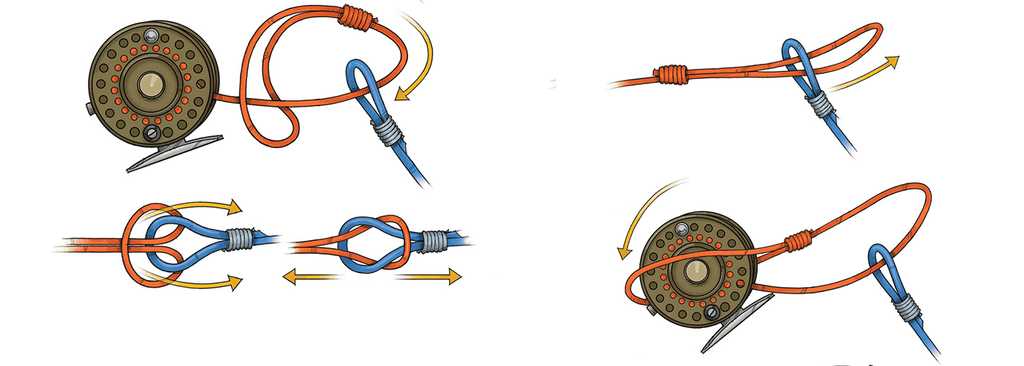
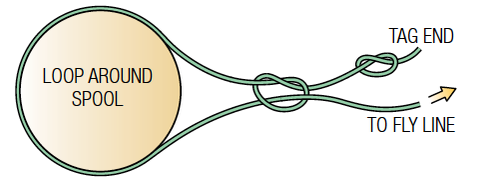
The best knot for attaching line to the spool is the Arbor knot. It holds tight and is easy to tie.
- Pass the line through the spool’s anchor point.
- Wrap the line around itself to form a loop.
- Tie an overhand knot around the main line.
- Tie a second overhand knot near the tag end.
- Pull both knots tight and trim excess line.
Testing The Knot Strength
| Test Method | What to Do | Expected Result |
|---|---|---|
| Pull Test | Hold the line and pull firmly away from the spool. | The knot should not slip or loosen. |
| Spin Test | Turn the reel handle slowly while holding the line. | The line stays tight and does not unwind. |
| Visual Check | Look closely at the knot for any gaps or frays. | The knot looks neat and secure. |

Credit: windrider.com
Spooling The Line Properly
Attaching fishing line to your reel correctly is key for smooth casting. Proper spooling helps prevent problems during fishing.
This guide covers how to maintain tension, wind the line evenly, and avoid twists and tangles.
Maintaining Tension
Keep the fishing line tight while spooling to avoid loose wraps. Loose line can cause tangles and reduce casting distance.
- Attach the line to the reel spool with a secure knot.
- Hold the line between your fingers to keep firm tension.
- Ask a friend to hold the spool or place it under your foot for control.
- Reel in slowly while maintaining steady line tension.
Winding Evenly
Wind the line evenly across the reel spool to prevent bunching. Uneven winding leads to line damage and casting problems.
| Tip | Description |
|---|---|
| Guide Line | Use the reel’s line guide to move the line back and forth evenly. |
| Slow Reeling | Reel the line slowly to control placement and avoid overlaps. |
| Layer Control | Make sure each layer is tight before starting the next one. |
Avoiding Twists And Tangles
Twists and tangles weaken the line and cause casting failures. Use these tips to keep the line straight and smooth.
- Attach the line spool so it spins the same way as the reel spool.
- Check the line for twists before spooling.
- Use a swivel if your lure or rig tends to spin.
- Keep the line taut while reeling in.
Final Checks And Maintenance
After attaching the fishing line to your reel, it is important to perform some final checks. These steps help ensure your equipment works well and lasts longer. Regular maintenance keeps your reel in good condition for every fishing trip.
Focus on trimming excess line, inspecting for damage, and following simple care tips. These actions protect your gear and improve your fishing experience.
Trimming Excess Line
Cutting off extra line after tying it to the reel prevents tangles and snags. Use sharp scissors or a line cutter for a clean trim. Leave a small tag end to avoid slipping.
- Trim line close but not too tight to the knot
- Keep about 1/8 inch (3 mm) of line beyond the knot
- Check for loose ends that may catch on objects
- Dispose of trimmed line properly to avoid litter
Inspecting For Damage
Check the fishing line and reel for any signs of damage before use. Look for cracks, frays, or weak spots that could cause problems later.
| Item | What to Check | Action if Found |
| Fishing Line | Frays, cuts, discoloration | Replace the line |
| Reel Spool | Cracks, dents, corrosion | Clean or repair |
| Knots | Slips or loosens | Retie securely |
Regular Reel Care Tips
Taking care of your reel keeps it working smoothly. Clean it regularly and store it properly to avoid damage.
- Rinse the reel with fresh water after fishing
- Dry it completely before storage
- Apply reel oil to moving parts as needed
- Store in a cool, dry place away from direct sunlight
- Inspect and replace worn parts on schedule

Credit: www.wikihow.com
Frequently Asked Questions
How Do I Tie Fishing Line To A Reel Spool?
Start by threading the line through the reel’s line guide. Wrap the line around the spool twice. Tie a secure knot, like an arbor knot, and trim the excess line. This ensures the line stays firmly attached during casting and retrieval.
What Type Of Knot Is Best For Reel Attachment?
The arbor knot is the most reliable for attaching fishing line to a reel. It’s simple to tie and holds the line securely on the spool. Using the right knot prevents slippage and line damage during fishing.
How Much Fishing Line Should I Spool On The Reel?
Fill the reel spool about 1/8 inch below the rim. Overfilling can cause tangles, while underfilling reduces casting distance. Proper line amount ensures smooth casting and minimizes line twists and snags.
Can I Attach Braided Line The Same Way?
Yes, braided line attaches similarly but requires extra care. Use a backing of monofilament line for better grip on the spool. Tie the arbor knot carefully to prevent the line from slipping.
Conclusion
Attaching a fishing line to your reel is simple with practice. Follow the steps for a smooth experience. Remember to check the line’s tension. This ensures a successful fishing trip. Always use quality line for better results. Practice makes perfect, so don’t rush.
Take your time to get it right. Enjoy your fishing adventure with confidence. Happy fishing!