Are you struggling to keep your lure secure on your fishing line? Knowing how to tie a lure properly can make all the difference between a great catch and a missed opportunity.
If your knot slips or comes undone, you could lose your lure—and maybe even the big fish you’ve been waiting for. This guide will show you simple, reliable ways to tie your lure so it stays put, giving you more confidence and better results every time you cast.
Keep reading to master this essential fishing skill and improve your chances on the water.
Credit: medium.com
Choosing The Right Knot
Tying a lure to your fishing line is key for a good catch. The knot you choose affects your fishing success. A strong knot holds your lure well and does not slip.
Different knots suit different lures and fishing lines. Learning popular knots helps you pick the right one for your needs.
Popular Knots For Lures
Many anglers use certain knots to tie lures. These knots are simple and reliable. Try these common knots to see which works best for you.
- Improved Clinch Knot:Easy to tie and holds well on most lines.
- Palomar Knot:Very strong and good for braided or monofilament lines.
- Loop Knot:Allows the lure to move freely and look natural.
- Snell Knot:Best for attaching hooks directly to the line with strong hold.
Knot Strength And Reliability
Choosing a knot means thinking about its strength and reliability. A knot with high strength keeps your lure attached even under pressure. A reliable knot is easy to tie and stays tied during fishing.
| Knot | Strength (%) | Ease of Tying | Best Use |
|---|---|---|---|
| Improved Clinch | 85-90 | Easy | General use with most lures |
| Palomar | 95-100 | Easy | Strong hold for braided lines |
| Loop Knot | 80-85 | Medium | Allows lure movement |
| Snell | 90-95 | Medium | Hooks and strong setups |
Preparing The Fishing Line
Tying a lure to a fishing line starts with proper line preparation. This step helps secure the lure and improves fishing success.
Taking time to trim and moisten the line and checking its strength makes a big difference. These tasks keep the line ready for any catch.
Trimming And Moistening
Cutting the fishing line cleanly prevents frays that weaken the knot. Use sharp scissors or a line cutter for the best result.
- Trim the line end straight across.
- Remove any damaged or frayed parts.
- Moisten the line with water or saliva before tying.
- Wet lines reduce friction and help knots tighten smoothly.
Ensuring Line Integrity
Check the fishing line for signs of wear before attaching the lure. Small cracks or weak spots can cause the line to break.
| Check Point | What to Look For |
| Line Color | Faded or uneven color may mean damage |
| Line Texture | Rough or sticky spots show wear |
| Line Strength | Test by gently pulling the line |
| Knots | Replace old knots before tying new ones |
Step-by-step Knot Tying
Tying a lure to a fishing line is easy when you follow clear steps. A good knot keeps your lure secure and ready for fishing.
This guide shows you how to tie a knot safely and tightly. Focus on each part to make sure the lure stays on the line.
Attaching The Lure Eye
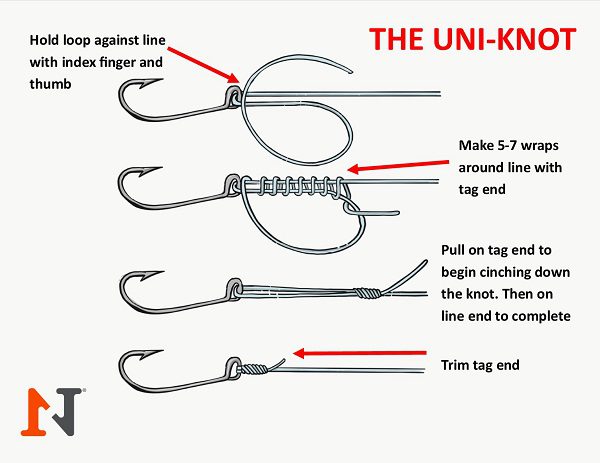
Start by passing the end of your fishing line through the eye of the lure. Make sure you have enough line to work with for the next steps.
Wrapping The Line
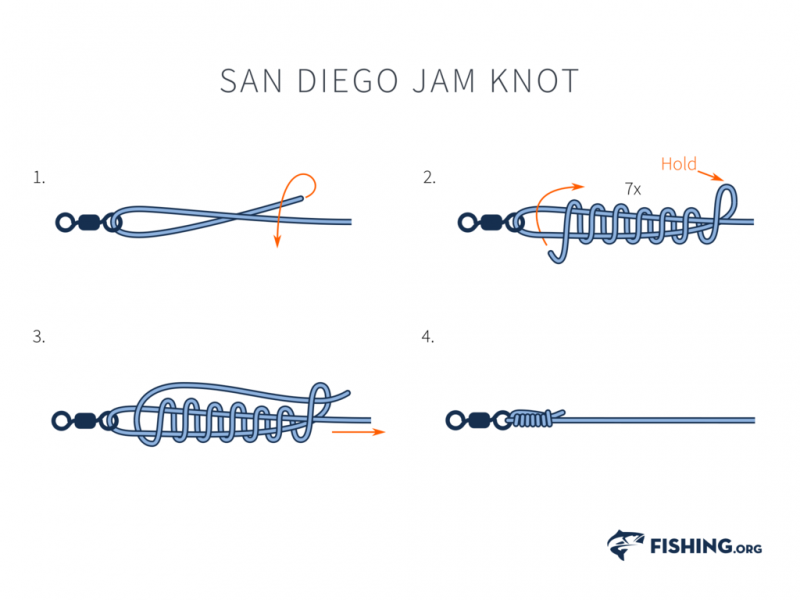
Wrap the loose end of the line around the main line several times. This will create a strong hold for the lure.
- Hold the lure and line steady.
- Wrap the tag end around the main line 5 to 7 times.
- Make sure the wraps are neat and tight.
Securing And Tightening
After wrapping, pull the tag end to tighten the knot. Secure it by sliding the knot close to the lure eye. Trim any excess line to finish.
| Action | Tip |
| Pull Tight | Use steady pressure without jerking |
| Slide Knot | Bring knot close to lure eye |
| Trim Excess | Leave small tag for safety |

Credit: www.youtube.com
Testing The Knot
After tying your lure to the fishing line, it is important to test the knot. Testing helps make sure the knot is strong and safe for fishing.
Checking the knot carefully can prevent losing your lure or fish. A good test shows if the knot holds under pressure.
Checking For Slippage
To check for slippage, pull the line hard near the knot. Watch if the knot moves or loosens on the line.
If the knot slides down the line, it means the knot is slipping. This can cause the lure to come off during fishing.
- Hold the lure firmly
- Pull the line away from the lure
- Look for any movement in the knot
- If slipping occurs, retie the knot
Adjusting Knot Tightness
A knot that is too loose can fail when fishing. Tighten the knot by pulling the loose ends firmly.
Make sure the knot is snug but not damaged. Over-tightening can weaken the line or knot.
- Pull the tag end and main line together
- Keep the knot steady as you tighten
- Stop tightening if the line starts to fray
- Test the knot again after adjusting
Tips For Different Lure Types
Tying a lure to a fishing line is a key skill for anglers. Each lure type needs a slightly different knot or method.
This guide shows easy tips for soft plastic lures, hard baits, spinnerbaits, and jigs. Follow these tips for better fishing results.
Soft Plastic Lures
Soft plastic lures are flexible and need a secure knot. The Palomar knot is strong and easy to tie on these lures.
- Double the line and pass it through the lure eye.
- Make a loose overhand knot with the doubled line.
- Pass the lure through the loop.
- Tighten the knot close to the eye.
- Trim excess line.
Hard Baits
Hard baits have solid bodies and often multiple hooks. Use the Improved Clinch knot for a strong hold.
| Step | Action |
| 1 | Thread line through the lure eye. |
| 2 | Wrap line around itself 5-7 times. |
| 3 | Pass line through small loop near eye. |
| 4 | Pass line through big loop created. |
| 5 | Moisten knot and pull tight. |
Spinnerbaits And Jigs
Spinnerbaits and jigs often need quick changes. Use a loop knot for more lure movement.
Loop knot tying tips:
- Make an overhand knot in the line about 10 inches from the end.
- Pass the tag end through the lure eye.
- Thread the tag end through the overhand knot.
- Wrap the tag end around the standing line 4-5 times.
- Pass the tag end back through the overhand knot.
- Moisten and pull tight, leaving a small loop.
Credit: www.youtube.com
Common Mistakes To Avoid
Tying a lure to a fishing line seems easy. Many anglers make simple errors that weaken the knot.
These mistakes cause lost fish and wasted time. Avoid these common problems for better fishing.
Overlapping Line Issues
Lines that overlap incorrectly create weak knots. Overlapping can cause the knot to slip or break.
Make sure the line lays smooth without crossing itself too much. Overlapping strands reduce knot strength.
- Do not twist the line when tying
- Keep wraps neat and tight
- Avoid crossing lines at sharp angles
Insufficient Knot Tightening
Failing to tighten the knot firmly is a common error. Loose knots can slip and come undone easily.
Pull the knot tight slowly and evenly. This helps the knot set properly and hold strong under pressure.
- Wet the line before tightening
- Pull both ends firmly but gently
- Check the knot before casting
Frequently Asked Questions
How Do You Securely Tie A Lure To A Fishing Line?
To tie a lure securely, use a strong knot like the improved clinch knot. Pass the line through the lure eye, wrap it around 5-7 times, then thread the end back through the loop. Pull tight and trim excess line for a firm hold.
Which Knot Is Best For Tying Fishing Lures?
The improved clinch knot and Palomar knot are best for tying lures. Both provide strength and reliability. The Palomar knot is easier for thicker lines, while the improved clinch knot works well with monofilament and fluorocarbon lines.
How Much Line Should Be Left When Tying A Lure?
Leave about 6 inches of line when tying a lure. This length allows for multiple wraps around the standing line, ensuring a strong knot. Too little line can cause knot failure, while too much may tangle during casting.
Can Tying A Lure Wrong Affect Fishing Success?
Yes, improper tying can cause lure loss or poor action in water. A weak knot may break, and a poorly tied lure can reduce its natural movement, making it less attractive to fish. Always double-check your knots for security.
Conclusion
Tying a lure to a fishing line is simple with practice. Follow the steps carefully for a secure knot. Strong knots increase your chances of a good catch. Use quality line and lure for best results. Check your knot strength before casting.
This ensures you don’t lose your lure. Practice makes perfect, so keep trying. Soon, tying lures will become second nature. Enjoy your time fishing. It’s relaxing and rewarding. Happy fishing!