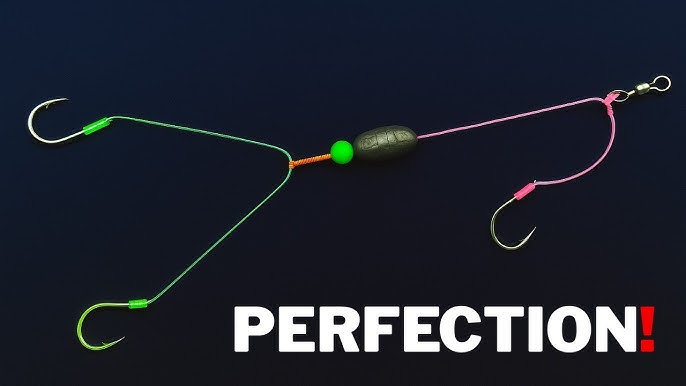
Are you ready to catch more trout on your next fishing trip? Setting up your fishing line the right way can make all the difference between an empty hook and a successful catch.
Whether you’re new to trout fishing or want to improve your technique, this guide will show you simple, step-by-step tips to get your line just right. Keep reading, and you’ll learn how to set up your fishing line so it works with the trout’s natural behavior—giving you a real edge on the water.
Don’t miss out on these easy tricks that can turn your fishing experience around!

Credit: www.reddit.com
Choosing The Right Line
Picking the right fishing line is key for catching trout. The right line helps you cast better and avoid losing fish.
Understanding line types and their features helps you choose the best line for your fishing trip.
Monofilament Vs. Fluorocarbon
Monofilament lines are soft and stretch more. They are easy to handle and cheaper. Fluorocarbon lines are harder to see underwater. They sink faster and resist abrasion better.
- Monofilament: good for beginners, floats on water
- Fluorocarbon: less visible, sinks faster, lasts longer
- Both work well but suit different fishing styles
Line Strength And Diameter
| Line Strength (lb) | Diameter (inches) | Use |
| 2-4 | 0.006 – 0.008 | Small trout, clear water |
| 4-6 | 0.008 – 0.010 | Average trout size, general use |
| 6-8 | 0.010 – 0.012 | Large trout or rough conditions |
Choose thinner lines for better casting. Stronger lines help if fish are bigger or water has obstacles.
Consider Water Conditions
Clear water needs less visible line. Fluorocarbon works well here. In murky water, you can use monofilament with higher visibility.
- Clear water: use low-visibility lines like fluorocarbon
- Murky water: use stronger, visible lines like monofilament
- Fast currents: pick stronger lines with good abrasion resistance

Credit: jacksonholeflycompany.com
Selecting The Proper Tackle
Choosing the right tackle is important for fishing trout. The tackle helps you catch fish more easily and enjoy your time.
Good tackle matches the fish size and fishing spot. It also makes your fishing line strong and steady.
Matching Rod And Reel
Use a light to medium rod for trout fishing. A rod length between 6 to 7 feet works well in most places.
Choose a reel that fits your rod size. Spinning reels are easy to use and work great for trout.
- Rod length: 6 to 7 feet
- Rod power: light to medium
- Reel type: spinning reel
- Reel size: small to medium
Choosing Hooks And Weights
Use small hooks to catch trout. Hooks in sizes 8 to 14 work well for most trout fishing.
Add small weights to your line to keep the bait near the bottom. Use split shot or small sinkers for this.
- Hook sizes: 8 to 14
- Weight type: split shot or small sinkers
- Weight size: light to medium
Using Leaders And Tippets
Use leaders to connect your main line to the hook. Leaders reduce line visibility and prevent fish from seeing it.
Choose tippets that are thin but strong. A 4X or 5X tippet works well for trout fishing.
- Leader length: 9 to 12 inches
- Tippet size: 4X or 5X
- Material: fluorocarbon or monofilament
Setting Up The Line
Setting up your fishing line correctly is key to catching trout. A well-prepared line helps you cast better and handle fish with ease.
This guide covers attaching the line to the reel, knot tying, and adding sinkers and bobbers for a perfect setup.
Attaching The Line To The Reel
Start by threading the fishing line through the reel’s guides. Then secure it tightly to the spool. This keeps the line from slipping when you cast or reel in.
Make sure the line is wound evenly on the reel. Avoid overlapping to reduce tangles and improve casting distance.
Knot Tying Techniques
Using strong knots is important to keep your line from breaking. Here are three common knots for trout fishing:
- Improved Clinch Knot: Easy to tie and holds well on hooks.
- Palisade Knot: Great for attaching leaders or fly fishing tippets.
- Loop Knot: Creates a strong loop for better bait movement.
Practice these knots until you can tie them quickly and securely.
Adding Sinkers And Bobbers
| Type | Purpose | Placement |
|---|---|---|
| Split Shot Sinkers | Add weight to cast farther | 2-3 inches above the hook |
| Slip Sinkers | Allow bait to move naturally | On the main line, above a swivel |
| Round Bobbers | Keep bait suspended at set depth | Attach 1-3 feet above the hook |
| Slip Bobbers | Adjustable depth for precise fishing | Use a bobber stop to set depth |
Choose sinkers and bobbers based on water conditions and fish behavior. Attach them firmly but without restricting line movement.

Credit: mysterytacklebox.com
Adjusting For Trout Behavior
Fishing for trout requires careful setup of your fishing line. Trout react to many factors like water and weather. Adjusting your line can improve your chances of catching them.
Understanding trout behavior helps you choose the right line settings. This guide covers reading water and weather, selecting line color, and adapting line length and tension.
Reading Water And Weather
Trout move and feed differently based on water flow and weather changes. Calm water usually means trout stay near the bottom. In fast currents, trout hold near rocks or logs.
- Check water temperature: Trout prefer cooler water.
- Watch for cloudy or clear water conditions.
- Note recent rainfall or drought effects on water levels.
- Observe wind direction and strength as it affects surface ripples.
Choosing Line Color And Visibility
Trout can see your line in clear water. Using the right color helps avoid spooking them. Match the line color to water clarity and light conditions.
| Water Clarity | Recommended Line Color |
| Clear | Light green or clear |
| Stained | Olive or brown |
| Muddy | Bright colors like orange or chartreuse |
Adapting Line Length And Tension
Adjusting line length and tension helps you control your lure or bait better. This adjustment depends on trout activity and water conditions.
Consider these tips:
- Use shorter line in fast water to reduce drag.
- Keep light tension to feel subtle trout bites.
- Longer line works well in still water to reach distant spots.
- Adjust tension to prevent trout from breaking the line.
Maintenance And Troubleshooting
Keeping your fishing line in good condition helps catch more trout. Regular checks and fixes prevent problems during fishing.
This guide covers how to check your line, fix twists, and know when to replace it.
Checking For Wear And Damage
Look over your fishing line before each trip. Small cuts or weak spots can break your line when you reel in a trout.
- Run the line through your fingers slowly.
- Watch for frays, nicks, or discoloration.
- Replace if you find any damaged sections.
- Check knots for tightness and wear.
Handling Line Twists And Tangles
Twists and tangles reduce casting distance and cause frustration. Use these tips to keep your line smooth.
| Cause | Solution |
| Over-spooling | Leave a small gap on the reel spool |
| Reeling against the drag | Keep drag tight when reeling in |
| Improper casting | Practice smooth, straight casts |
| Using wrong knot | Use knots like Palomar or improved clinch |
Replacing Line Regularly
Even if your line looks good, replace it often to avoid unseen damage. Old line loses strength and stretches more.
Follow this schedule to keep your fishing line fresh:
- Replace monofilament line every 3-6 months.
- Replace braided line every 12 months or after heavy use.
- Change line after catching a large trout or snagging.
Advanced Tips For Experts
Setting up fishing line for trout needs careful thought. Experts can improve their catch with smart line choices and setups.
This guide shares advanced tips to help you refine your fishing line setup for trout. Use these ideas to adapt to different trout and fishing conditions.
Using Specialized Lines
Specialized fishing lines offer specific benefits for trout fishing. Fluorocarbon lines are nearly invisible underwater, helping with wary trout.
Braided lines provide strength and sensitivity. Use them when you need to feel light bites or fish in thick cover.
- Fluorocarbon: low visibility, good abrasion resistance
- Braid: high sensitivity, strong and thin
- Monofilament: good stretch, easy to handle and knot
Customizing Setups For Different Trout Species
Different trout species prefer different habitats and food. Adjust your line strength and length based on the trout type you target.
For example, smaller line tests work well for brook trout in clear streams. Larger line can help catch bigger rainbow trout in rivers.
| Trout Species | Line Strength (lb test) | Recommended Setup |
|---|---|---|
| Brook Trout | 2-4 lb | Light fluorocarbon with small fly or lure |
| Rainbow Trout | 4-8 lb | Monofilament or fluorocarbon, medium length |
| Brown Trout | 6-10 lb | Braid or fluorocarbon, strong leader |
Incorporating Technology In Line Setup
Technology can improve your fishing line setup and success. Use line testers to check breaking strength before fishing.
Digital knot strength meters help ensure your knots hold well. Fish finders can guide you to trout habitats for better line choices.
- Line testers check strength and durability
- Knot strength meters verify secure knots
- Fish finders locate trout and depth changes
- Line conditioners improve casting and reduce memory
Frequently Asked Questions
What Is The Best Fishing Line For Trout Fishing?
Monofilament and fluorocarbon lines are ideal for trout. They offer good sensitivity and invisibility underwater. Choose 4-8 lb test strength for most trout fishing.
How Do I Attach A Fishing Line To A Trout Rod?
Use a strong knot like the improved clinch knot. Thread the line through the rod guides, then tie securely to the reel spool to prevent slipping.
What Length Of Fishing Line Should I Use For Trout?
A 100-150 yard fishing line length is sufficient. It gives enough casting distance and control without excess line that may tangle.
Should I Use Braided Or Monofilament Line For Trout?
Monofilament is preferred for trout due to its stretch and invisibility. Braided lines are strong but more visible, which may spook trout.
Conclusion
Setting up a fishing line for trout can be simple and fun. Follow the steps outlined, and you’re ready to fish. Choose the right line for your water conditions. Secure the hook properly. Don’t forget the importance of bait selection.
Practice makes perfect. Enjoy the tranquility of fishing. Feel the excitement when you catch your first trout. Share your fishing stories with friends and family. Remember, patience is key. Happy fishing and tight lines!