Have you ever wondered why ice fishing rods are so small compared to regular fishing rods? If you’re new to ice fishing or just curious, this might seem puzzling.
The size of your fishing rod can make a huge difference in how well you catch fish through the ice. Understanding why these rods are short and compact will help you choose the right gear and improve your ice fishing experience.
Keep reading, and you’ll discover the key reasons behind their size—and how it can work to your advantage.
Credit: www.scheels.com
Ice Fishing Basics
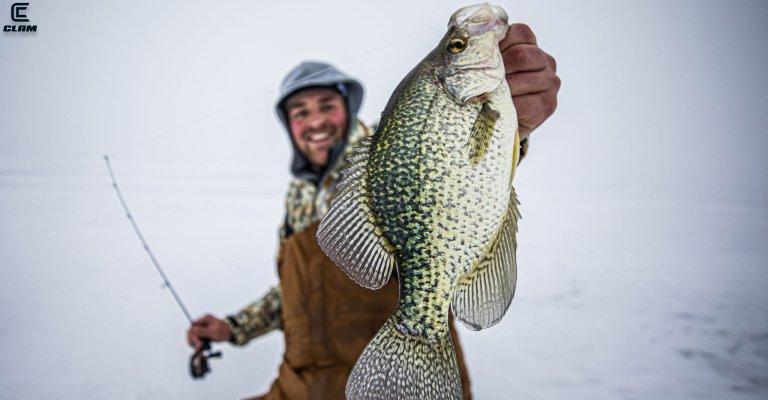
Ice fishing is a special type of fishing done on frozen lakes. Fishermen cut holes in the ice to catch fish below.
The tools used in ice fishing are different from regular fishing gear. One key tool is the ice fishing rod.
How Ice Fishing Differs
Ice fishing takes place in very cold weather on frozen water. Anglers fish through small holes in the ice.
Because of the cold and small fishing area, ice fishing needs compact and easy-to-handle gear. The fishing line goes straight down into deep water under the ice.
- Fishing through small holes limits movement
- Cold weather affects gear size and material
- Lines drop vertically, not cast far
Role Of The Rod In Ice Fishing
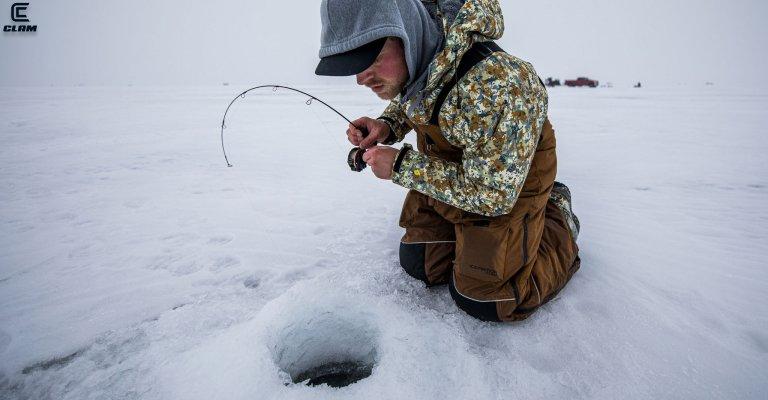
The ice fishing rod is smaller to fit the tight space around the hole in the ice. Its size helps anglers control the line better.
A small rod makes it easier to feel fish bites. It also helps anglers keep the line steady in cold, windy conditions.
- Small size fits limited fishing space
- Improves sensitivity to detect bites
- Makes handling easier in cold weather
Credit: www.scheels.com
Rod Size And Ice Fishing
Ice fishing rods are much smaller than regular fishing rods. Their size fits the unique needs of ice fishing. Ice fishing happens in small holes on frozen lakes.
A smaller rod helps anglers work in tight spaces and handle the cold better. It also matches the type of fish caught through ice fishing holes.
Compact Design Benefits
Small rods are easier to carry and store in cold weather. They fit well inside ice fishing shelters and backpacks. This makes them perfect for long trips on the ice.
The compact design helps prevent damage from ice and cold. Shorter rods are less likely to break or bend under pressure from ice or heavy fish.
- Easier to transport on ice
- Fits inside small fishing shelters
- Less risk of breaking in cold weather
- Takes up less space in gear bags
Handling And Control Advantages
Small rods give anglers better control over their line and bait. This control is important in ice fishing because fish bite lightly. Quick response helps catch more fish.
The shorter length allows easy movement when pulling fish from the hole. It also helps prevent line tangles in cold, windy conditions.
- Improves sensitivity to fish bites
- Allows quick reaction to catches
- Reduces line tangles in tight spaces
- Makes it easier to lift fish out of holes
Environmental Influences
Ice fishing rods are smaller because of the harsh environment. The cold and the ice affect how people fish.
Fishing on ice needs special tools. The environment limits what can be used.
Limited Space On Ice
When fishing on ice, space is very small. Anglers sit close to their fishing holes.
Small rods fit better in tight spaces. Long rods can be hard to handle on ice.
- Small rods are easier to move around
- Less chance of rods hitting the ice or snow
- Compact size helps with quick fishing
Cold Weather Impact
Cold weather affects fishing gear. Large rods get stiff and hard to use in cold.
Small rods are lighter and easier to hold with gloves. They also stay more flexible in cold.
- Small rods reduce hand fatigue in cold
- Better control with thick gloves
- Less chance of damage from cold temperatures
Fish Behavior And Rod Choice
Ice fishing rods are much smaller than regular rods. This size fits the way fish act in cold water. Understanding fish behavior helps choose the best rod.
Small rods give better control and sensitivity. Anglers can feel even soft bites under the ice. This is important because fish move and feed differently in winter.
Fish Species Targeted
Ice fishing often targets fish that stay active in cold water. These fish include perch, walleye, crappie, and trout. Each species has unique habits and sizes.
- Perch:Small but active, perch need light rods for gentle bites.
- Walleye:Larger fish, but still cautious. Medium rods work best.
- Crappie:Small and delicate, require very sensitive rods.
- Trout:Can be picky. Anglers use rods that allow precise lure control.
Movement In Cold Water
Fish move slower in cold water. Their metabolism drops, so they bite less often. Rods must be sensitive to detect light taps or slow strikes.
| Movement Aspect | Rod Feature Needed |
| Slow fish movement | High sensitivity to detect light bites |
| Reduced fish activity | Short rod length for better control |
| Fish staying near bottom | Strong but flexible tip to handle subtle strikes |
Material And Durability
Ice fishing rods are smaller than regular rods. This size helps anglers handle cold conditions better. The materials used also keep the rods light and strong.
Durability is important because ice fishing can be tough on equipment. The rods must resist cold and rough use while staying easy to carry.
Lightweight Materials Used
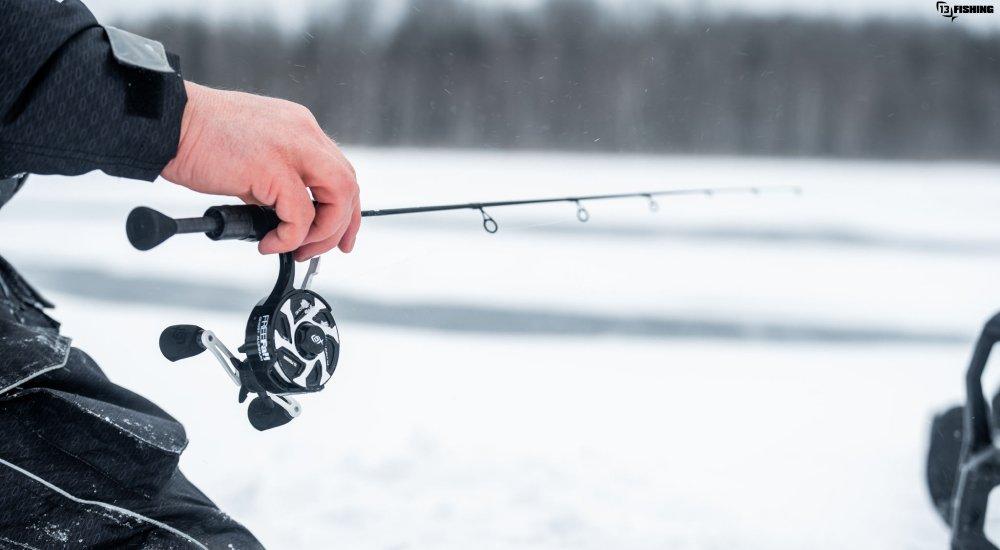
Ice fishing rods use materials that make them light. Light rods reduce hand fatigue during long fishing sessions. Common materials include graphite and fiberglass.
- Graphite offers a strong but light frame.
- Fiberglass gives flexibility and durability.
- Composite blends combine the best features of both.
- Lightweight materials help anglers feel bites better.
Strength For Ice Conditions
Rods must handle cold temperatures and strong fish. The strength of the rod is key to avoid breaks or cracks in ice fishing.
| Material | Strength | Cold Resistance |
|---|---|---|
| Graphite | High | Good |
| Fiberglass | Medium | Excellent |
| Composite | High | Good |
Credit: www.scheels.com
Practical Tips For Choosing Rods
Ice fishing rods are smaller than regular rods for good reasons. Their size helps anglers control bites better in cold conditions. Choosing the right rod makes fishing easier and more fun.
This guide covers how to match rods to fishing styles and useful rod accessories. Use these tips to pick a rod that fits your ice fishing needs.
Matching Rod To Fishing Style
Different ice fishing styles need different rods. For quick bites, use a short, sensitive rod. For bigger fish, pick a rod with more strength and length. The rod’s action and power must match how you fish.
- Use light rods for panfish and small species
- Choose medium rods for walleye and perch
- Pick heavy rods for large fish like pike and trout
- Short rods allow better control through the ice hole
- Longer rods give more reach but less sensitivity
Accessories And Enhancements
Accessories can improve your ice fishing rod’s performance. Adding the right gear helps handle cold weather and catch more fish. Some attachments increase comfort and control.
| Accessory | Purpose | Benefit |
| Rod Holder | Hold rod steady | Hands-free fishing |
| Rod Sleeve | Protect rod tip | Prevents damage |
| Reel Covers | Keep reel warm | Improves reel function |
| Ice Picks | Safety tool | Helps in emergencies |
| Grip Enhancers | Better hold in cold | Reduces slipping |
Frequently Asked Questions
Why Are Ice Fishing Rods Smaller Than Regular Rods?
Ice fishing rods are smaller for better control in tight spaces. Their compact size fits ice holes and allows precise bait movement. Small rods also reduce fatigue during long fishing sessions on ice.
How Does Rod Size Affect Ice Fishing Success?
Smaller rods provide sensitivity to detect subtle bites under ice. They offer better maneuverability in confined ice fishing shelters. This improves hook setting and overall catch rate in icy conditions.
What Materials Make Ice Fishing Rods Small Yet Strong?
Ice fishing rods use lightweight materials like graphite or fiberglass. These materials provide strength and flexibility without extra bulk. This balance ensures durability and ease of use in cold, harsh environments.
Are Small Ice Fishing Rods Easier To Transport?
Yes, smaller ice fishing rods are highly portable. Their compact design fits easily in backpacks or gear bags. This convenience allows anglers to move quickly between fishing spots on ice.
Conclusion
Ice fishing rods are small for good reasons. They provide better control. Anglers need precision in tight spaces. Smaller rods are easier to handle. They fit well in ice shanties. Short rods offer improved sensitivity. This helps detect light bites.
Ice fishing demands quick, efficient movements. A compact rod meets these needs. Always choose the right size for your style. Understanding these benefits enhances your fishing experience. Enjoy your next ice fishing adventure. Stay warm and catch plenty!