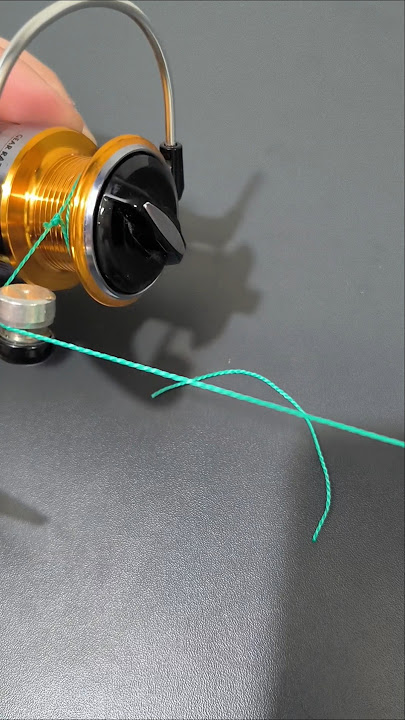
Are you ready to improve your fishing game? Knowing how to start fishing line on your reel the right way can make all the difference between a smooth cast and a frustrating tangle.
Whether you’re new to fishing or just want to sharpen your skills, this simple step can save you time and help you catch more fish. In this guide, you’ll learn easy, clear steps to get your line set up quickly and correctly.
Keep reading, and you’ll be ready to reel in your next big catch with confidence!
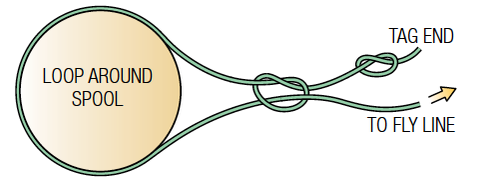
Credit: monsterbass.com
Choosing The Right Fishing Line
Picking the right fishing line is key to a good fishing experience. The line affects your casting, bait presentation, and catch rate.
Different lines suit different fishing styles and fish types. Learn about line types, strength, and what fits your target fish.
Monofilament Vs. Braided Lines
Monofilament lines are made of a single strand of nylon. They stretch under load, which helps absorb shock and protect your hook.
Braided lines use many thin fibers woven together. They have little stretch and offer high strength for their size.
- Monofilament is easier to handle and knots well.
- Braided line casts farther and resists abrasion better.
- Monofilament is less visible underwater.
- Braided lines last longer and are more sensitive.
Line Strength And Diameter
| Line Type | Typical Diameter (inches) | Strength Range (lbs) |
| Monofilament | 0.012 – 0.035 | 4 – 30 |
| Braided | 0.006 – 0.020 | 10 – 65 |
Thicker lines are stronger but less stealthy. Choose a line that balances strength and invisibility.
Considerations For Different Fish Species
Match your fishing line to the fish species you want to catch. Use this guide:
- Small fish:Use light monofilament lines (4-8 lbs).
- Medium fish:Use medium strength lines (10-20 lbs), monofilament or braided.
- Large fish:Use strong braided lines (20 lbs or more) for better durability.
- Fish with sharp teeth:Use abrasion-resistant braided lines or add a fluorocarbon leader.
Selecting The Appropriate Reel
Choosing the right reel is key to starting your fishing line properly. Different reels work better for different fishing styles and fish types.
Understanding the main types of reels and their features will help you make a good choice for your fishing needs.
Spinning Vs. Baitcasting Reels
Spinning reels are easy to use and good for beginners. They work well with light lines and small lures.
Baitcasting reels offer better control and power. They are suited for heavier lines and larger fish but need more practice to use.
- Spinning reels: simple to cast and less likely to tangle
- Baitcasting reels: more accurate casting and stronger drag
- Spinning reels: better for light tackle fishing
- Baitcasting reels: ideal for big fish and heavy lures
Reel Size And Capacity
Reel size affects how much line the reel can hold and its weight. Choose size based on the type of fish you want to catch.
| Reel Size | Line Capacity (yards) | Best For |
| 1000 – 2500 | 100 – 150 | Small fish, light freshwater |
| 3000 – 4000 | 150 – 250 | Medium fish, general freshwater |
| 5000+ | 250+ | Large fish, saltwater |
Maintenance Tips Before Spooling
Keep your reel clean before adding line. Dirt and salt can damage parts and reduce reel life.
- Wipe the reel with a damp cloth to remove dirt
- Check for rust or damage on the spool and handle
- Apply light oil to moving parts for smooth operation
- Make sure the drag system works properly
- Use fresh line that fits your reel size and type
Preparing The Reel For Spooling
Starting fishing line on your reel needs careful preparation. It helps your line spool evenly and prevents tangles.
Follow these steps to prepare your reel before you add the fishing line.
Attaching The Reel To The Rod
Secure the reel firmly to the rod. This gives you control while spooling the line.
- Slide the reel foot into the rod’s reel seat.
- Tighten the reel seat collar to lock the reel in place.
- Check that the reel does not wobble.
Opening The Bail Arm
Open the bail arm on your spinning reel before you start spooling. This allows you to thread the line properly.
To open the bail arm:
- Locate the wire arm on the reel.
- Flip it up gently until it locks in an open position.
- Do not force it; it should move smoothly.
Applying Backing Line
Backing line adds extra strength and fills space on the reel spool. Use it before adding your main fishing line.
| Backing Line Type | Reason to Use |
| Monofilament | Affordable and easy to handle |
| Dacron | Strong and low stretch |
| Braid | Very thin and high strength |
- Attach the backing line to the reel spool using an arbor knot.
- Wind the backing line evenly until the spool is about one-quarter full.
- Keep tension on the line as you wind to avoid loose wraps.
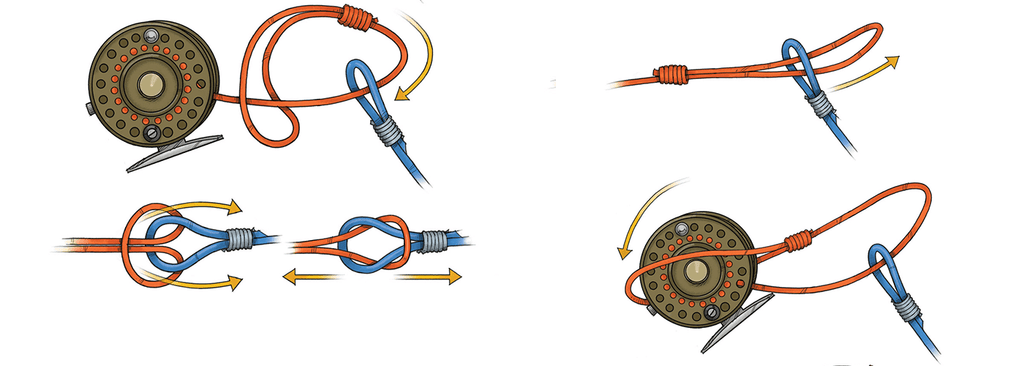
Credit: www.epicflyrods.com
Attaching The Line To The Reel
Starting your fishing line on the reel is an important step. It ensures your line stays secure and works smoothly.
This guide explains how to attach the line using the arbor knot, keep it secure, and avoid twists or tangles.
Using Arbor Knot
The arbor knot is a simple, strong knot to attach the line to the reel spool. It holds tight and does not slip.
- Wrap the line around the reel spool’s center.
- Tie an overhand knot around the main line.
- Tie a second overhand knot at the tag end.
- Pull both knots tight against the spool.
- Trim the excess tag end close to the knot.
Ensuring Secure Attachment
Check that the line is firmly fastened and will not slip while you fish. A loose line can cause problems.
| Check Point | What to Do |
| Knot Tightness | Pull knots firmly until no movement |
| Line Wraps | Make sure line lies flat on the spool |
| Tag End Length | Trim close but leave a small tail |
| Spool Fit | Line should sit evenly on spool without gaps |
Checking For Twists And Tangles
Twists and tangles make casting hard and can damage your line. Avoid them by checking the line as you spool.
- Keep tension steady while winding the line.
- Let the line flow freely from the spool.
- Stop and fix any loops or tangles immediately.
- Check the line direction to prevent twist buildup.
Spooling The Line Correctly
Spooling fishing line on a reel is an important skill. It helps you avoid problems while fishing.
Doing it right makes your line last longer and reduces tangles. This guide covers key tips for spooling line correctly.
Maintaining Proper Tension
Keep firm tension on the line while spooling. Loose line can cause loops and tangles during casting.
- Hold the line between your fingers to control tightness.
- Use a cloth or rubber band if needed to keep steady pressure.
- Make sure the spool and reel move smoothly together.
Avoiding Overfilling The Spool
Do not fill the spool beyond its limit. Overfilling causes line to spill over and tangle.
| Spool Size | Fill Level |
| Small (1000-2000) | Leave 1/8 inch from edge |
| Medium (3000-4000) | Leave 1/4 inch from edge |
| Large (5000+) | Leave 3/8 inch from edge |
Tips For Even Line Distribution
Spread the line evenly across the spool to prevent bunching. Uneven line reduces casting distance.
- Guide the line with your fingers as you spool.
- Turn the reel handle slowly and steadily.
- Check often to adjust the line’s position on the spool.
Finishing Touches
After winding the fishing line on your reel, some final steps make sure it stays secure. These steps also check that your line is ready for fishing.
Proper finishing helps avoid line slipping and keeps your reel in good shape.
Cutting The Line And Securing The End
Cut the fishing line leaving a small extra length after winding. This extra length makes it easier to tie knots or attach lures.
Tie a secure knot at the end to stop the line from unraveling. Use simple knots like the overhand or surgeon’s knot for strength.
- Leave about 6 inches of extra line after winding
- Use a strong knot to tie the line end
- Trim any excess line close to the knot
Testing The Line Strength
Check the line strength before fishing. Pull the line gently to feel if it holds firm without breaking.
Test knots and the line itself. Replace the line if it feels weak or worn out.
- Pull the line slowly to test tension
- Check knots for slipping or loosening
- Inspect line for cracks or frays
Storing Your Reel Properly
Store your reel in a dry place to avoid rust or damage. Keep it covered or in a reel case for protection.
Loosen the drag system to reduce pressure on the reel parts while storing.
- Keep the reel away from moisture and dirt
- Use a protective cover or storage box
- Loosen the drag to prevent spring damage
Common Mistakes To Avoid
Starting fishing line on your reel seems easy but many make errors. These mistakes can cause line damage or reduce casting quality.
Knowing what to avoid helps you spool your reel correctly. Here are common mistakes and tips to fix them.
Overtightening The Line
Pulling the line too tight while spooling can stretch or break it. It also makes casting harder and may damage the reel.
- Keep firm but gentle tension on the line.
- Do not stretch the line beyond its limit.
- Check line tension often as you spool.
- Use your fingers or a cloth to control tension softly.
Ignoring Line Twist
Line twist causes tangles and weak spots. It happens if the line spins on the reel or is wound incorrectly.
To prevent twist, attach the line to the reel spool properly. Let the line unwind from the spool naturally without spinning.
Spooling Too Much Or Too Little Line
Adding the right amount of line is key. Too much line can spill off and tangle. Too little line limits casting distance.
| Amount of Line | Problem | Solution |
|---|---|---|
| Too Much | Line spills over spool edge | Stop filling when line is 1/8 inch below spool lip |
| Too Little | Short casts and quick line shortage | Fill spool to recommended capacity on reel |
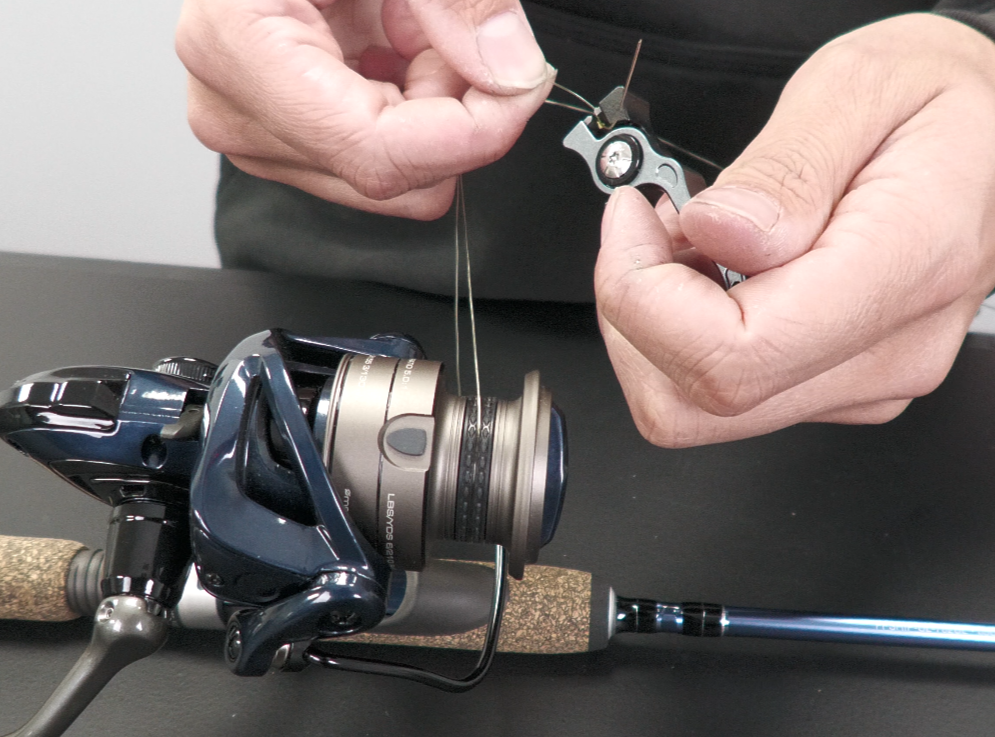
Credit: www.fishusa.com
Frequently Asked Questions
How Do I Start Fishing Line On A Reel?
Begin by threading the line through the rod guides. Tie the line to the reel spool using an arbor knot. Wind the line evenly onto the spool, maintaining tension to avoid tangles. Fill the spool to about 1/8 inch from the rim for best performance.
What Type Of Fishing Line Is Best For Reels?
Monofilament lines are versatile and beginner-friendly. Fluorocarbon lines offer low visibility underwater. Braided lines provide high strength and durability. Choose based on your fishing environment and target species for optimal results.
How Much Fishing Line Should I Put On A Reel?
Fill the spool to about 1/8 inch below the spool’s edge. Overfilling can cause tangles and underfilling reduces casting distance. Check your reel’s specifications for the recommended line capacity before spooling.
How Do I Prevent Line Twist When Spooling A Reel?
Keep the line spool aligned with the reel spool to reduce twist. Apply steady tension while winding the line. Avoid letting the line twist freely off the spool during the process.
Conclusion
Starting fishing line on a reel can seem tricky. But with practice, it becomes simple. Follow the steps carefully. Secure the line tightly. Avoid tangles. Remember to check the drag. It helps control the line. Keep the reel clean. This prevents issues later.
Patience is key when learning. Enjoy the process of fishing. It’s rewarding and relaxing. Share your experiences with friends. They might join you next time. Happy fishing and tight lines!