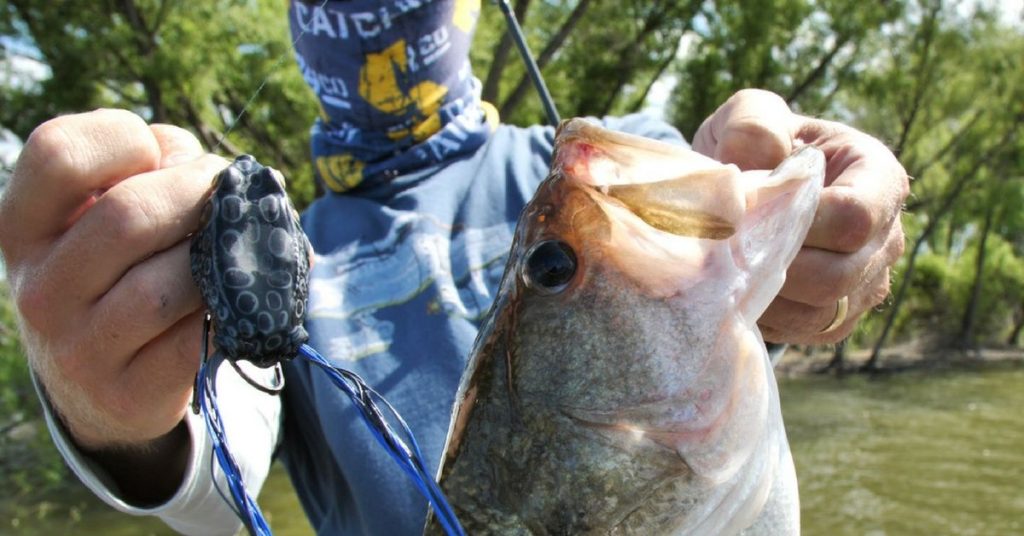
If you want to catch bigger fish in shallow waters, fishing with a frog lure is one of the best tricks you can learn. You might think it’s tricky at first, but once you get the hang of it, you’ll see just how exciting and effective it can be.
This method lets you mimic a frog’s natural movement, making fish eager to strike. Ready to boost your fishing game and land more bites? Keep reading, because we’ll walk you through everything you need to know to fish with a frog lure like a pro.

Credit: www.youtube.com
Choosing The Right Frog Lure
Fishing with a frog lure can be very effective in catching bass and other fish. Picking the right frog lure helps you fish better in different water conditions. This guide explains how to choose the best frog lure for your needs.
Understanding the types, colors, and sizes of frog lures can improve your fishing success. Each factor plays an important role in attracting fish and making your lure work well.
Top Frog Lure Types
There are several common frog lure types that anglers use. Each type moves differently in the water and suits certain fishing spots.
- Hollow Body Frogs:These float on the surface and create a soft splash.
- Solid Body Frogs:These sink slightly and are good for dense cover.
- Popper Frogs:These have a cupped mouth that makes noise on the water.
- Walking Frogs:These mimic the side-to-side movement of a real frog.
Color Selection Tips
Choosing the right color depends on water clarity and light conditions. Fish react to colors differently in clear and murky water.
| Water Condition | Best Frog Lure Colors |
| Clear Water | Natural greens, browns, and yellows |
| Murky Water | Bright colors like chartreuse, white, or neon |
| Low Light (Dawn/Dusk) | Dark colors or black to create a silhouette |
| Sunny Days | Earth tones and subtle patterns |
Size And Weight Matters
Size and weight of your frog lure affect how it moves and where you can fish. Choose these based on the type of water and fish you want to catch.
- Smaller Frogs (2-3 inches):Work well in shallow water and light cover.
- Larger Frogs (3-4 inches):Better for heavy vegetation and bigger fish.
- Lighter Weight:Allows slower, softer action on the water surface.
- Heavier Weight:Helps cast longer distances and fish deeper spots.

Credit: www.youtube.com
Essential Gear For Frog Fishing
Fishing with a frog lure is fun and effective. You need the right gear to catch fish well.
This guide covers the essential gear you need to start frog fishing confidently and comfortably.
Rod And Reel Setup
A strong rod helps you cast a frog lure far. Use a rod that can handle heavy lines and hooks.
A medium-heavy or heavy-action rod around 6 to 7 feet is best. Pair it with a reel that has a good drag system.
- Rod length: 6 to 7 feet
- Rod power: Medium-heavy to heavy
- Reel type: Baitcasting or spinning reel
- Drag system: Smooth and strong
Line And Leader Choices
Use braided line for strength and sensitivity. It helps you feel bites through thick cover.
A 30 to 50-pound test braided line works well. Add a fluorocarbon leader to avoid fish seeing your line.
- Braid line test: 30 to 50 pounds
- Leader type: Fluorocarbon
- Leader length: 12 to 24 inches
- Leader test: 20 to 30 pounds
Tackle Box Must-haves
Keep your tackle box ready with the right hooks and extra frog lures. Carry pliers for easy hook removal.
Other useful items include scissors, spare line, and a small first-aid kit for safety.
- Wide gap hooks for frog lures
- Extra frog lures in different colors
- Needle nose pliers
- Scissors or line cutters
- Spare braided line
- Small first-aid kit
Best Techniques For Frog Retrieval
Fishing with a frog lure is exciting and effective for catching bass. The way you retrieve the frog can make a big difference. Using the right technique will help you attract more fish and enjoy your time on the water.
Below are three popular frog retrieval methods. Each one works well in different conditions. Try them to see what works best for you.
Slow And Steady Retrieve
This method involves pulling the frog lure slowly through the water. Keep a steady pace to mimic a frog swimming calmly on the surface. This technique works well in calm waters and around lily pads.
Keep your rod tip low and reel in slowly. Pause only briefly if you need to avoid snags.
Popping And Pausing
Popping and pausing means giving short, sharp jerks to the rod. This makes the frog splash and create noise. Then, pause for a few seconds to let fish strike. This method works well in murky water or when fish are less active.
- Make a quick, sharp pull on the rod tip to pop the lure.
- Pause and hold the lure still for 3 to 5 seconds.
- Repeat the popping and pausing to mimic a distressed frog.
- Watch for any movement or strikes during the pause.
Walking The Frog
This technique makes the frog lure move side to side on the water surface. It looks like a real frog hopping across the water. Use this method near thick vegetation or shallow areas where frogs usually live.
| Action | Effect |
|---|---|
| Cast the frog lure and let it sit briefly | Attracts attention from fish nearby |
| Twist the rod tip left and right slowly | Makes the lure “walk” side to side |
| Pause occasionally between twists | Lets fish prepare to strike |
| Repeat the walking and pausing | Keeps fish interested and active |

Credit: mysterytacklebox.com
Targeting Bass Hotspots
Using a frog lure is a great way to catch bass in their favorite spots. Bass like places where they can hide and wait for food.
Knowing where to cast your frog lure can help you catch more bass. Look for areas where bass feel safe and can strike easily.
Vegetation And Lily Pads
Bass love to hide under plants and lily pads. These places give them cover and keep them hidden from prey.
Cast your frog lure near thick vegetation or on the edges of lily pads. Bass often wait there to ambush food.
- Look for floating lily pads with open water nearby
- Target thick weeds and grass where bass hide
- Make slow, short pulls to avoid snagging
Shallow Water Structures
Bass use shallow structures like fallen trees and rocks for shelter. These spots provide good hiding places close to food.
Throw your frog lure near these structures. Bass will strike as the lure moves close to their cover.
- Check around submerged logs and branches
- Cast near rocky edges and shallow drop-offs
- Use a steady retrieve to mimic a frog’s movement
Times Of Day For Success
Bass are more active at certain times of the day. Early morning and late evening are often the best times.
During these times, bass move into shallow water to hunt. Use your frog lure then for better chances to catch fish.
- Fish at dawn when bass feed near shore
- Try dusk for active bass in shallow areas
- Avoid midday when bass stay deeper and quiet
Hooking And Landing Big Bass
Fishing with a frog lure is a fun way to catch big bass. These lures float on the water surface and mimic frogs. They attract bass hiding in weeds and shallow water.
To catch big bass, you must hook them well and land them carefully. This guide helps you handle strong strikes and release bass safely.
Setting The Hook
When a bass bites the frog lure, wait a moment before pulling. This pause lets the bass fully take the lure in its mouth. Pull the rod tip up quickly and firmly to set the hook.
Use a strong, sharp hook to hold big bass. Keep your rod tip high to avoid the fish shaking the hook loose.
Handling Strong Strikes
Big bass often strike hard and fight strongly. Hold your rod firmly and keep steady pressure on the line. Let the fish run if needed to avoid breaking the line.
- Keep your drag set properly to avoid snaps
- Use smooth, even pulls to tire the fish
- Watch the fish’s movement and adjust your tension
Safe Bass Release Tips
After landing the bass, handle it gently to keep it healthy. Wet your hands before touching the fish to protect its slime coat. Avoid squeezing or dropping the bass.
Remove the hook carefully using pliers. If the hook is deep, cut the line close to the hook. Release the bass back into the water quickly and let it swim away on its own.
Common Mistakes To Avoid
Fishing with a frog lure can be fun and effective. But many anglers make errors that reduce their catch.
Avoiding these common mistakes helps you fish smarter and catch more fish with your frog lure.
Overworking The Lure
Many anglers move the frog lure too fast or too much. This can scare fish away instead of attracting them.
- Use slow, steady pulls to mimic a real frog.
- Pause often to let the lure sit still on the water.
- Avoid jerky or rapid movements that look unnatural.
Ignoring Water Conditions
Water temperature, clarity, and weather affect how fish react to frog lures. Ignoring these can waste your time.
| Water Condition | Tip for Frog Lure Fishing |
| Clear Water | Use natural colors and gentle movements |
| Muddy Water | Pick bright colors and strong action |
| Warm Water | Fish are more active, try faster retrieves |
| Cold Water | Fish are slower, use slow and steady pulls |
Wrong Gear Choices
Using the wrong rods, lines, or hooks can reduce your frog lure success. Gear must match your fishing style and location.
- Choose a medium-heavy rod for better control.
- Use braided line for strength and sensitivity.
- Pick strong hooks that hold fish well.
- Match your gear to the size of the frog lure.
Frequently Asked Questions
What Is A Frog Lure In Fishing?
A frog lure mimics a frog’s appearance and movement. It attracts fish by floating on water surfaces, ideal for bass fishing.
How To Choose The Right Frog Lure Color?
Select frog lure colors based on water clarity. Use natural colors in clear water, and bright colors in murky water for visibility.
What Is The Best Technique To Fish With A Frog Lure?
Cast near vegetation or lily pads. Use a slow, twitching retrieve to mimic frog movements and entice strikes from fish.
When Is The Best Time To Use Frog Lures?
Early morning and late evening are prime times. Fish are more active near water surfaces, making frog lures highly effective.
Conclusion
Fishing with a frog lure can be exciting and rewarding. It challenges your skills and patience. The thrill of a catch is unmatched. Remember, practice makes perfect. Try different techniques and spots. Adjust your strategy based on weather and water conditions.
Stay patient and keep learning. Enjoy the process and the peaceful moments. The right lure can make a difference. So, grab your gear and head out. Your next fishing adventure awaits. And always respect nature and the environment. Happy fishing!