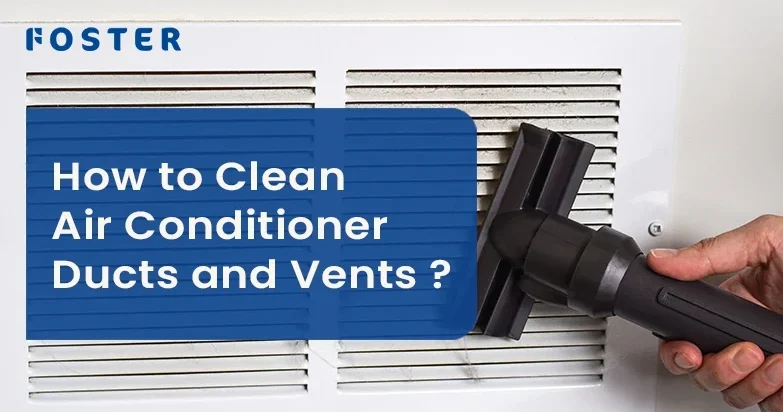
Are your air conditioner vents looking dusty or clogged? Cleaning them might seem like a small task, but it can make a big difference in the air quality and efficiency of your AC.
If you want your home to feel fresher and your energy bills to drop, learning how to clean your air conditioner vents is a smart move. This guide will show you simple, effective steps you can take right now to improve your comfort and protect your health.
Keep reading—you’ll be surprised how easy it is to get your vents spotless and working better than ever.
Why Clean Ac Vents
Cleaning air conditioner vents is important for a healthy home. Dust and dirt build up inside vents over time.
Dirty vents can cause problems with air flow and make your system work harder. Regular cleaning keeps vents clear and safe.
Impact On Air Quality
Dirty AC vents spread dust, dirt, and other particles in the air. This lowers the air quality inside your home.
Cleaning vents removes these particles and helps you breathe cleaner air. It also reduces bad odors caused by dust.
Energy Efficiency Benefits
When vents are clogged, the AC uses more energy to cool your home. This raises your electricity bill.
Clean vents allow air to flow easily. This helps your AC work better and saves energy.
- Improves air flow
- Reduces energy use
- Lowers electricity costs
Preventing Mold And Allergens
Moisture and dust in vents can create a perfect place for mold to grow. Mold can cause health problems.
Cleaning vents removes dust and moisture. This stops mold and allergens from spreading in your home.

Credit: www.corner2corner.ca
Tools And Materials Needed
Cleaning air conditioner vents helps improve airflow and air quality. You need the right tools and materials to do it well.
This guide covers basic cleaning supplies, specialized equipment, and safety gear you should have ready.
Basic Cleaning Supplies
Basic supplies help remove dust and dirt from vents. These items are easy to find and use at home.
- Soft cloths or microfiber towels
- Vacuum cleaner with brush attachment
- Dish soap or mild detergent
- Bucket of warm water
- Soft-bristle brush or old toothbrush
- Step stool or small ladder
Specialized Equipment
Some vents need tools that reach deep inside or clean tough dirt. Specialized equipment makes this easier.
- Compressed air canister or air blower
- Vacuum cleaner with narrow nozzle
- Foam vent cleaner spray
- Flexible vent cleaning brush
- Replacement vent filters (if applicable)
Safety Gear
Safety gear protects you from dust, allergens, and chemicals during cleaning. Always wear the right protection.
- Dust mask or respirator
- Protective gloves
- Safety goggles or glasses
- Old clothing or apron
Preparing For Cleaning
Cleaning air conditioner vents keeps your home air fresh and healthy. Before you start, prepare your space properly.
Preparation helps protect your home and makes cleaning easier. Follow these steps to get ready.
Turning Off The System
Always turn off your air conditioner before cleaning vents. This stops dust from blowing around.
Switch off the unit at the thermostat and the breaker for safety. Wait a few minutes before touching vents.
Removing Vent Covers
Take off vent covers carefully to avoid damage. Most covers can be unscrewed or popped off by hand.
Check if your vents have screws or clips. Use a screwdriver if needed and keep screws safe for reinstallation.
- Use a screwdriver for screws
- Handle covers gently to prevent cracks
- Keep screws and clips in a small container
Protecting Surrounding Areas
Cover the floor and furniture near vents before cleaning. Dust and debris may fall during the process.
Use a drop cloth or old sheet to catch dirt. This makes cleanup faster and keeps your home clean.
- Place a drop cloth under the vent
- Move furniture away if possible
- Wear old clothes to avoid dust stains
Step-by-step Cleaning Process
Keeping your air conditioner vents clean helps improve air quality. It also makes your AC work better. Follow these simple steps to clean the vents safely and well.
This guide shows you how to dust and vacuum vents, wash vent covers, and clean inside the ducts.
Dusting And Vacuuming Vents
Start by removing dust and loose dirt from the vents. This helps stop dust from spreading during deeper cleaning.
- Turn off the air conditioner to avoid dust blowing around.
- Use a soft brush or cloth to dust the vent surface gently.
- Attach a brush nozzle to your vacuum cleaner.
- Vacuum the vent openings carefully to remove dust inside.
- Check for any stuck debris and remove it by hand if needed.
Washing Vent Covers
Washing the vent covers removes dirt and grime that dusting cannot clean. You can wash them safely without damage.
- Unscrew or unclip the vent covers from the wall or ceiling.
- Fill a basin with warm water and mild soap.
- Soak the vent covers for 10 to 15 minutes.
- Use a soft brush to scrub away any stains or buildup.
- Rinse the covers with clean water and let them dry completely.
- Reattach the vent covers carefully once dry.
Cleaning Inside The Ducts
Cleaning inside the ducts can improve airflow and reduce dust. This step takes more care and tools.
| Tool | Purpose |
|---|---|
| Vacuum with hose | Reach deep inside ducts to remove dust |
| Brush with long handle | Dislodge stuck dirt and debris |
| Microfiber cloth | Wipe accessible duct surfaces |
| Mask and gloves | Protect yourself from dust and allergens |
- Wear a mask and gloves for safety.
- Use a vacuum hose to clean as far into the ducts as possible.
- Brush the inside walls gently to loosen dirt.
- Wipe reachable areas with a damp microfiber cloth.
- If ducts are very dirty, consider hiring a professional.
Tips For Maintaining Clean Vents
Keeping air conditioner vents clean helps improve air quality in your home. It also keeps your system working well.
Below are simple tips to maintain clean vents and ensure your air conditioner runs smoothly.
Regular Cleaning Schedule
Set a regular cleaning routine to avoid dust buildup in your vents. Clean vents every three months or more often in dusty areas.
- Turn off the air conditioner before cleaning.
- Use a vacuum with a brush attachment to remove dust.
- Wipe vent covers with a damp cloth and mild soap.
- Dry covers completely before reinstalling.
- Check for mold or damage and address it immediately.
Using Air Filters
Air filters catch dust before it reaches the vents. Replace or clean them regularly to keep air flowing freely.
| Filter Type | Cleaning Frequency |
| Disposable Fiberglass | Replace every 1 month |
| Washable Electrostatic | Clean every 1-2 months |
| HEPA | Replace every 6-12 months |
Professional Inspection
Have a professional check your air conditioner vents yearly. They can spot problems you may miss.
During inspection, professionals will:
- Check for blockages or leaks in ducts.
- Clean hard-to-reach vent areas.
- Test airflow and system performance.
- Recommend repairs or upgrades if needed.

Credit: pc-homeservices.com
Troubleshooting Common Issues
Air conditioner vents can develop problems that affect your home’s comfort. Regular cleaning helps avoid these issues. This guide covers common problems and how to fix them.
Knowing the signs of trouble lets you act quickly. This keeps your air flowing clean and fresh.
Persistent Odors
Bad smells from vents often come from dust, dirt, or moisture buildup. These odors can make your home uncomfortable.
- Check if the vent filters are dirty or clogged.
- Clean the vent covers with mild soap and water.
- Use a vacuum with a brush attachment to remove dust inside the vents.
- Spray a light disinfectant to stop bacterial growth.
- Make sure the drip pan is clean and draining properly.
Blocked Airflow
Blocked airflow reduces cooling efficiency and raises energy costs. Dirt and debris often cause this problem.
| Cause | Solution |
| Dust buildup | Vacuum vents and replace filters regularly |
| Obstructed vents | Remove furniture or objects blocking vents |
| Damaged ductwork | Inspect ducts and repair any holes or leaks |
| Closed dampers | Check and open dampers fully |
Signs Of Mold
Mold in air vents can cause health problems. It often appears as dark spots or a musty smell.
To spot mold, look for these signs:
- Black or green spots near vent openings
- Persistent dampness or moisture around vents
- Unusual musty odors when the AC runs
If you see mold, clean vents with a mixture of water and vinegar. Wear gloves and a mask to protect yourself. For large mold problems, call a professional.

Credit: www.blingstrom.com
Frequently Asked Questions
How Often Should I Clean Air Conditioner Vents?
Clean air conditioner vents every 3 to 6 months. Regular cleaning improves airflow and prevents dust buildup. It also enhances indoor air quality. Frequent cleaning reduces allergy risks and maintains AC efficiency.
What Tools Do I Need To Clean Ac Vents?
You need a vacuum with a brush attachment, a microfiber cloth, mild detergent, and a screwdriver. These tools help remove dust and debris effectively. Using proper tools ensures thorough and safe cleaning.
Can I Clean Air Conditioner Vents Myself?
Yes, you can clean AC vents yourself. Turn off the AC first for safety. Use a vacuum and damp cloth to remove dust. For deep cleaning, remove vent covers and wash them gently.
Why Is Cleaning Ac Vents Important?
Cleaning AC vents prevents dust and mold buildup. It improves air quality and reduces allergens. Clean vents help the AC run efficiently. This lowers energy bills and extends the system’s lifespan.
Conclusion
Cleaning air conditioner vents is simple and essential. It keeps your home fresh. Regular cleaning prevents dust buildup. This improves air quality. Your unit works more efficiently, saving energy. Follow these steps to maintain your vents. Use the right tools for better results.
Always ensure safety while cleaning. Regular maintenance can extend the life of your air conditioner. A clean vent means a healthier living space. Enjoy a cool and comfortable home. Keep your family breathing easy. Make vent cleaning part of your routine.
It’s worth the effort.