If you want to improve your fishing game, knowing how to tie a bullet weight on your fishing line is a must. This simple skill helps your bait sink faster and stay in the right spot, giving you a better chance to catch more fish.
Whether you’re a beginner or just need a quick refresher, this guide will show you easy steps to tie your bullet weight securely and quickly. Keep reading, and you’ll be ready to fish smarter on your very next trip!
Choosing The Right Bullet Weight
Choosing the right bullet weight is key to good fishing. It affects how your bait moves and how deep it sinks.
Different weights work best in different water and weather conditions. This guide helps you pick the best bullet weight.
Types Of Bullet Weights
Bullet weights come in many shapes and sizes. Each type suits a different fishing style or water type.
- Standard Bullet Weights:Most common, shaped like a bullet for smooth casting.
- Heavy Bullet Weights:Heavier for deep water or strong currents.
- Tungsten Bullet Weights:Denser and smaller, good for sensitive fishing.
- Split Shot Bullet Weights:Small and easy to pin on the line.
Selecting Size And Material
Choose size based on how far and deep you want to cast. Bigger sizes weigh more and sink faster.
| Size (Ounces) | Use | Material |
| 1/8 | Light fishing in shallow water | Lead |
| 1/4 | General use in moderate depth | Lead or Tungsten |
| 3/8 | Deeper water or windy days | Tungsten |
| 1/2 and up | Strong currents or deep lakes | Tungsten or Heavy Lead |
Matching Weight To Fishing Conditions
Match your bullet weight to water depth, current speed, and bait type. This helps your bait stay where fish are.
- Use lighter weights in calm, shallow water.
- Use heavier weights in deep water or strong currents.
- Choose tungsten if you want more sensitivity and smaller size.
- Consider wind and cast distance when picking weight.

Credit: www.amazon.ca
Preparing Your Fishing Line
Before tying a bullet weight on your fishing line, you need to prepare the line properly. This helps ensure the weight stays secure and your fishing is effective.
Taking time to cut and inspect the line and choosing the right knot are important steps in preparation.
Cutting And Inspecting The Line
Start by cutting the fishing line with sharp scissors or a line cutter. Make a clean cut to avoid frayed ends.
Check the line for any damage like nicks or weak spots. Damaged sections can cause the line to break easily.
- Cut the line straight for a smooth end
- Look closely for cuts or abrasions
- Replace the line if it looks worn out
Choosing The Right Knot
Select a knot that holds the bullet weight tightly and is easy to tie. A strong knot prevents slipping and losing the weight.
Some knots work better with heavier lines, while others suit lighter lines. Match the knot to your fishing line type.
- Improved Clinch Knot: good for most lines
- Palomar Knot: strong and simple to tie
- Uni Knot: versatile and reliable
Step-by-step Tying Process
Tying a bullet weight on a fishing line helps you control the bait’s depth. It also keeps your line neat and ready for fishing.
Follow these simple steps to tie the bullet weight securely and quickly every time you fish.
Threading The Bullet Weight
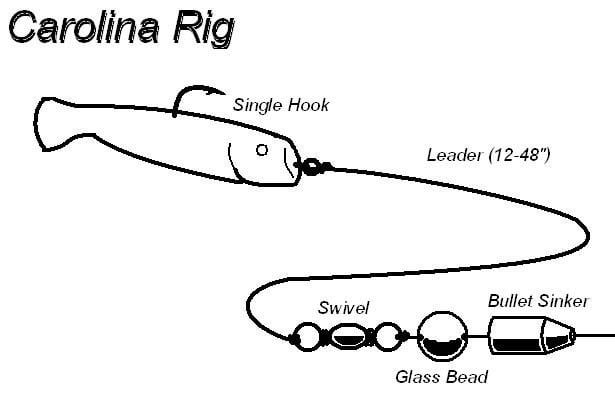
Start by taking your fishing line and passing it through the hole in the bullet weight. The pointed end of the bullet weight should face away from the rod.
Pull enough line through to give yourself room to tie the knot below the weight.
Forming The Knot
Make a loop with the fishing line below the bullet weight. Hold the loop steady with one hand.
Wrap the free end of the line around the main line and through the loop five times. This creates a strong knot to hold the weight.
- Make a loop below the bullet weight
- Hold the loop with one hand
- Wrap the loose end around the main line 5 times
- Pass the loose end through the loop
Tightening And Securing The Knot
Wet the knot with water or saliva to reduce friction. Slowly pull the main line and the loose end in opposite directions.
Pull tight until the knot is snug against the bullet weight. Trim the extra line close to the knot for a clean finish.
- Wet the knot before tightening
- Pull both ends slowly and firmly
- Ensure the knot sits tight against the weight
- Trim excess line close to the knot

Credit: mysterytacklebox.com
Tips For A Strong Knot
Tying a bullet weight on your fishing line needs a strong knot. A strong knot keeps the weight secure during fishing.
Use simple steps to tie the knot right and avoid losing your weight or fish.
Avoiding Common Mistakes
Avoid mistakes like leaving too much slack or not tightening the knot. These errors make the knot weak.
Make sure to wet the line before tightening. This stops friction that can weaken the line.
- Don’t pull too hard when tying; it can damage the line.
- Keep the knot neat and close to the weight.
- Trim excess line, but leave a small tag end to avoid slipping.
- Practice tying the knot several times to get it right.
Testing Knot Strength
After tying, test your knot by pulling hard on the line. It should not slip or break.
Try pulling from different angles to check if the knot holds well under pressure.
- Pull the line slowly to feel if it slips.
- Check the knot after each cast to ensure it stays tight.
- Replace the knot if it shows signs of wear or loosening.
Adjusting Bullet Weight Placement
Placing the bullet weight correctly on your fishing line is important. It helps control how your bait moves in the water.
You can change the position of the weight to suit different fishing conditions. This affects how fish see and react to your bait.
Sliding Vs Fixed Weights
Sliding bullet weights can move freely along the line. Fixed weights stay in one place, usually tied or stopped by a knot.
Sliding weights let fish feel less resistance when they take the bait. Fixed weights give more control over how deep the bait stays.
- Sliding weight: moves freely, less drag on bait
- Fixed weight: stays put, controls bait depth
- Sliding weight: good for sensitive bites
- Fixed weight: better for steady bottom fishing
Effects On Bait Presentation
The weight placement changes how your bait looks and moves. This can attract or scare fish depending on the setup.
When the weight is close to the bait, it sinks faster and stays low. When placed higher, the bait floats more naturally and moves freely.
- Weight close to bait: fast sinking, steady movement
- Weight higher on line: slower sink, natural bait action
- Sliding weight: allows more natural bait drift
- Fixed weight: keeps bait at a set depth
Maintaining Your Setup
Keeping your fishing line and bullet weight secure is key to a good fishing experience. Regular care helps avoid losing fish or gear.
Check your knots and weights often. This keeps your setup strong and ready for any catch.
Regular Knot Checks
Knots can weaken after use. Look for frays, slips, or damage every time you fish.
- Run your fingers along the knot to feel for rough spots.
- Pull gently to test if the knot holds tight.
- Replace any knot that slips or looks worn out.
- Retie knots if the fishing line feels weak nearby.
Replacing Worn Weights
Bullet weights get scratched and bent from rocks or use. Old weights can affect your cast and sink speed.
| Sign of Damage | Why Replace | Replacement Tips |
| Scratches or dents | Changes sinking behavior | Choose smooth, round weights |
| Corrosion or rust | Weakens metal, can break | Use rust-resistant materials |
| Loose attachment | Weight may fall off line | Secure with proper knots |

Credit: www.amazon.com
Frequently Asked Questions
How Do You Tie A Bullet Weight On A Fishing Line?
To tie a bullet weight, thread the line through the wide end first. Then, attach your hook below it using a secure knot like the improved clinch knot. This setup lets the weight slide freely, improving casting and bait presentation.
Why Use A Bullet Weight For Fishing?
Bullet weights are streamlined and reduce snags. They help your bait reach deeper water faster. Their shape allows smooth movement through weeds and rocks, making them ideal for bass fishing and other freshwater species.
What Knot Is Best For Attaching Bullet Weights?
The improved clinch knot is ideal for tying bullet weights. It’s strong, easy to tie, and holds well under pressure. This knot ensures your weight stays secure during casts and when fighting fish.
Can I Use Bullet Weights For Saltwater Fishing?
Yes, bullet weights can be used in saltwater fishing. Choose corrosion-resistant materials like brass or tungsten. Adjust weight size based on current strength and target species for best results.
Conclusion
Tying a bullet weight enhances your fishing experience. It’s simple yet effective. With practice, you’ll attach weights with ease. Ensure the weight is secure on the line. This helps the bait sink properly. Always check your knot strength before casting.
A well-tied weight can lead to a successful catch. Remember, practice makes perfect. Keep your gear organized and ready. Enjoy your time fishing and learn with each trip. Happy fishing!