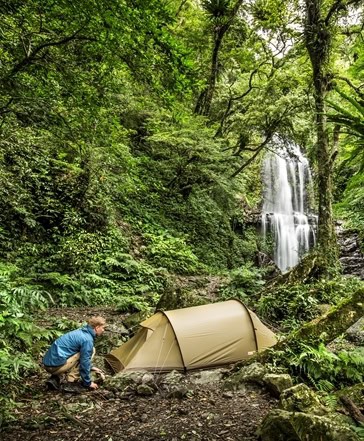
Have you ever wondered what’s inside your tent that keeps it water-resistant and durable? You might be surprised to learn about a chemical called PFAS.
This substance is often used in tents to make them repel water and stains. But what exactly is PFAS, and why should you care about it? Understanding this can help you make better choices for your health and the environment.
Keep reading to discover what PFAS in tents means for you and your outdoor adventures.
Pfas Chemicals In Tents
PFAS are chemicals used in many outdoor products, including tents. They help tents resist water and stains.
These chemicals make tents more durable and protect against harsh weather conditions.
Common Types Of Pfas Used
Several types of PFAS are common in tent fabrics. They vary by how they repel water and resist dirt.
- Perfluorooctanoic acid (PFOA)
- Perfluorooctanesulfonic acid (PFOS)
- Fluorotelomers
- Perfluoroalkyl acids (PFAAs)
Purpose Of Pfas In Tent Fabrics
PFAS chemicals give tents important features. They help tents stay dry and clean.
| Function | Description |
| Water Repellency | Prevents water from soaking into fabric |
| Stain Resistance | Stops dirt and oil from sticking |
| Durability | Makes fabric last longer under tough conditions |
| Wind Resistance | Keeps fabric strong against wind damage |
Health Risks Linked To Pfas
PFAS are chemicals used to make tents water and stain resistant. These chemicals can be harmful to health. People may be exposed to PFAS from tents during camping or outdoor activities.
Understanding the health risks linked to PFAS in tents is important. This helps people make safer choices when using these products.
Exposure Routes From Tent Use
People can come into contact with PFAS in tents in different ways. Skin contact is common when touching tent fabric. Some PFAS can also get into the air inside the tent.
Small amounts of PFAS may transfer to hands and then into the mouth. This can happen if people eat or drink without washing their hands first. Dust from tents can also carry PFAS particles.
- Touching tent fabric
- Breathing air inside tents
- Accidental hand-to-mouth contact
- Contact with dust from tents
Potential Long-term Effects
PFAS can stay in the body for many years. Long-term exposure may cause health problems. These chemicals can affect the liver, immune system, and hormones.
Some studies link PFAS to higher risks of cancer and thyroid disease. They may also harm growth and development in children. Scientists continue to research these effects.
- Liver damage
- Weakened immune system
- Hormone disruption
- Increased cancer risk
- Thyroid problems
- Developmental delays in children
Environmental Impact Of Pfas
PFAS are chemicals used in many products, including tents. They do not break down easily. This causes problems for the environment.
These chemicals can spread through water and soil. They may harm animals, plants, and people over time.
Persistence In Nature
PFAS stay in the environment for a very long time. They resist heat, water, and oil. This makes them hard to remove.
- PFAS do not break down naturally.
- They build up in soil and water.
- They can move through rivers and lakes.
- Animals can absorb PFAS from their surroundings.
- Human health can be affected by this buildup.
Contamination Concerns
PFAS contamination is a serious issue. It affects drinking water and food sources. Many communities face risks from these chemicals.
| Source of PFAS | Type of Contamination | Potential Impact |
| Tent Manufacturing | Air and Water Pollution | Harm to local wildlife |
| Use of PFAS-treated Tents | Soil Contamination | Exposure to humans and animals |
| Disposal of Tents | Landfill Leaching | Long-term soil and water damage |
Detecting Pfas In Your Tent
PFAS are chemicals used to make tents water-resistant and stain-proof. These chemicals can be harmful to health and the environment. It is important to know if your tent contains PFAS.
Detecting PFAS in your tent helps you make safer choices. There are ways to check for PFAS by looking for signs or testing the fabric.
Signs And Labels To Watch For
Tent manufacturers may list materials and treatments on labels. Look for words that hint at PFAS or similar chemicals. These clues can help you identify PFAS presence.
Common terms to watch for include:
- “Water-repellent” or “waterproof” coatings
- “Stain-resistant” or “oil-resistant” treatments
- Chemical names like PTFE, PFOA, or PFOS
- “Fluorinated” or “fluoropolymer” finishes
Testing Options Available
You can test your tent fabric to find out if it contains PFAS. Some tests can be done at home, but others need a lab. Testing helps confirm if PFAS chemicals are present.
Here are common testing options:
- Home test kits that detect PFAS chemicals on fabric
- Professional lab tests that measure PFAS levels accurately
- Sending fabric samples to environmental testing companies
- Using water or wipe tests to check for chemical residues
Safer Tent Alternatives
Many tents use PFAS chemicals for water resistance. These chemicals can harm health and the environment.
Choosing tents without PFAS helps protect nature and keeps camping safer for everyone.
Pfas-free Tent Materials
Some fabrics block water without using PFAS. These materials keep tents dry and safe.
- Waxed cotton: Natural and water-resistant
- Silicone-coated nylon: Strong and PFAS-free
- Polyurethane (PU) coatings: A safer synthetic option
- Recycled polyester with safe treatments
Brands Prioritizing Safety
Some brands now focus on making PFAS-free tents. They choose safe materials and clean production.
| Brand | Material Used | Waterproof Method |
| GreenTrail | Waxed Cotton | Natural Wax Coating |
| SafeCamp | Silicone Nylon | Silicone Seal |
| EcoTent | Recycled Polyester | PU Coating |

Credit: riseoutdoor.ca
Reducing Pfas Exposure While Camping
PFAS are chemicals used in many tents to make them water-resistant. These chemicals can be harmful if they get into the body. It is important to reduce exposure to PFAS while camping.
You can protect yourself by handling tents properly and keeping them clean. Simple steps help lower the risk of PFAS contact during outdoor activities.
Proper Tent Handling Practices
Always set up your tent in a clean area away from dirt and chemicals. Avoid touching the fabric too much, as PFAS can stick to your hands.
Store your tent in a dry place and avoid folding it when wet. This helps keep the chemical coatings from breaking down or spreading.
- Pick a clean, dry spot for your tent
- Minimize direct contact with tent fabric
- Keep the tent dry before storing
- Use a protective groundsheet to reduce dirt
Cleaning And Maintenance Tips
Clean your tent gently using mild soap and water. Do not use harsh chemicals or strong detergents, as they can damage the tent and release PFAS.
Let the tent dry fully before packing it away. Regular cleaning helps remove dirt and reduces the chance of chemical buildup on the fabric.
- Use mild soap and cold water only
- Rinse the tent thoroughly to remove soap
- Air dry the tent completely before storage
- Check for damage and repair small tears quickly
Regulations And Industry Trends
PFAS are chemicals used to make tents water-resistant and stain-proof. These chemicals can harm the environment and health.
Many countries set rules to limit PFAS use in tents. The tent industry is changing to meet these rules and reduce PFAS impact.
Current Standards And Guidelines
Several standards control PFAS levels in tents. These rules aim to protect people and nature from harmful chemicals.
Standards often require testing tents for PFAS content. Some regions ban certain PFAS types completely in tent fabrics.
- Limits on total PFAS amount in tent materials
- Mandatory labeling of PFAS presence
- Restrictions on long-chain PFAS chemicals
- Regular product testing and certification
Future Directions In Tent Manufacturing
Manufacturers are moving to safer, PFAS-free tent fabrics. New materials aim to keep tents water-resistant without harmful chemicals.
Industry trends include better recycling and more transparency about materials. Companies invest in research for eco-friendly solutions.
- Development of non-PFAS water repellents
- Use of biodegradable and recycled fabrics
- Clear labeling about tent chemical content
- Stricter self-regulation and compliance checks

Credit: www.cruaoutdoors.com

Credit: www.bigagnes.com
Frequently Asked Questions
What Is Pfas In Tents?
PFAS are synthetic chemicals used in tents for water and stain resistance. They enhance durability but raise health concerns due to their persistence.
Why Are Pfas Used In Tent Fabrics?
PFAS create a protective layer that repels water, oil, and dirt. This keeps tents dry and clean during outdoor use.
Are Pfas Chemicals Harmful In Tents?
Yes, PFAS can be toxic and may cause health issues. Long-term exposure is linked to immune and hormonal disruptions.
How To Identify Pfas-free Tents?
Look for labels stating “PFAS-free” or eco-friendly certifications. Checking product details can help avoid tents with harmful chemicals.
Conclusion
Understanding PFAS in tents is crucial for your safety. These chemicals can impact health and environment. Always check labels before buying a tent. Choose options labeled as PFAS-free to reduce risks. Protect yourself and the planet. Use these insights to make informed decisions.
Stay informed and prioritize safety. Your health matters. Your choices make a difference. Stay safe on your outdoor adventures. Enjoy nature responsibly with awareness.