Are you tired of spending hours on the water without a single bass bite? Choosing the right lure can make all the difference between a slow day and a trophy catch.
But with so many options out there, how do you know which one will work best for you? You’ll discover the best bass fishing lure that can boost your chances and bring excitement back to your fishing trips. Keep reading, because your next big catch might be just a lure away.
Credit: n1outdoors.com
Types Of Bass Fishing Lures
Bass fishing lures come in many types. Each type works well in different conditions.
Choosing the right lure helps catch more bass. Learn about popular lure types below.
Crankbaits
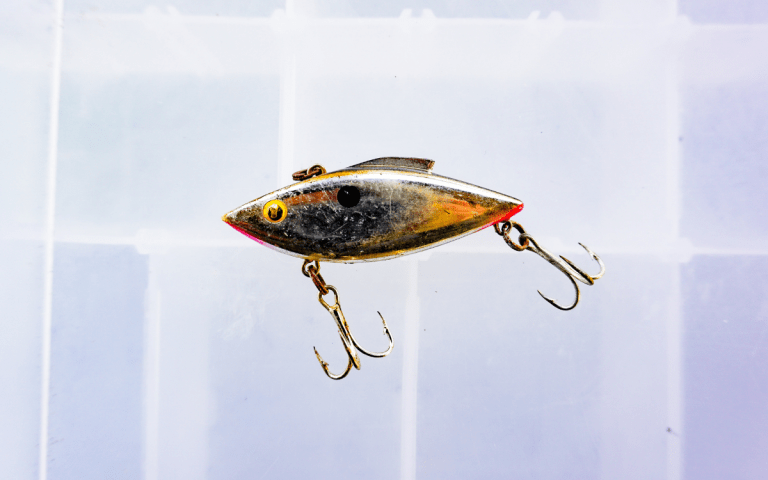
Crankbaits are hard plastic lures that dive when reeled in. They have a bill on front to control depth.
They mimic small fish and create vibrations. Bass often strike them during active feeding times.
- Different sizes reach various depths
- Colors imitate baitfish or stand out
- Good for covering water fast
Spinnerbaits
Spinnerbaits have one or more spinning blades. These blades flash and create vibrations in the water.
They are useful in murky water and around cover like weeds or wood.
- Blades vary in shape and size
- Colors range from natural to bright
- Work well with slow or fast retrieves
Jigs
Jigs have a weighted head and a hook with soft or feathered skirts. They sink and stay near the bottom.
Jigs are good for slow fishing and targeting bass hiding in cover.
- Use different colors for different water clarity
- Pair with soft plastic trailers for extra action
- Work well in cold or deep water
Soft Plastics
Soft plastics come in many shapes like worms, crawfish, and creatures. They are flexible and lifelike.
Anglers rig soft plastics in many ways to match bass feeding habits.
- Texas rig hides hook for weedless fishing
- Wacky rig makes soft plastic flutter on fall
- Use natural colors in clear water
Topwater Lures
Topwater lures float and create splashes or noise on the water surface. They attract bass visually.
They work best in low light or calm water when bass feed near the surface.
- Popper lures make popping sounds
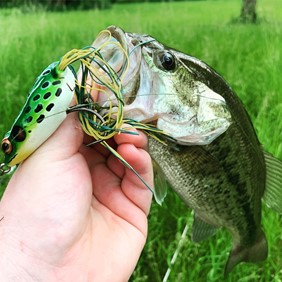
- Frogs imitate real frogs in weeds
- Walking baits create side-to-side motion
Factors Influencing Lure Choice
Choosing the best bass fishing lure depends on many factors. Each factor affects how bass respond to your lure.
Understanding these factors helps you pick the right lure and catch more bass.
Water Clarity
Water clarity changes how visible your lure is to bass. Clear water lets bass see colors well.
In murky or stained water, choose lures that create more vibration or noise.
- Clear water: Use natural colors like green or brown
- Stained water: Use bright or dark colors for better visibility
- Murky water: Use noisy or vibrating lures to attract attention
Weather Conditions
Weather affects bass activity and lure choice. Bass bite more in certain weather types.
Cloudy days often call for brighter lures. Sunny days work well with natural colors.
- Sunny: Use subtle, natural-colored lures
- Cloudy or rainy: Use bright or flashy lures
- Windy: Use heavier lures to maintain control
Bass Behavior
Bass change their habits based on hunger and safety. Lure choice depends on their mood.
Active bass chase fast-moving lures. Slow bass prefer lures that move gently.
- Active bass: Use crankbaits or spinnerbaits
- Inactive bass: Use soft plastics or slow-moving jigs
- Shy bass: Use natural colors and subtle actions
Seasonal Changes
Seasons affect water temperature and bass feeding habits. Adjust lures by season.
Spring and fall bass are more active. Summer bass hide in cool water spots.
- Spring: Use moving lures like crankbaits or spinnerbaits
- Summer: Use deep-running or slow-moving lures
- Fall: Use aggressive lures to match feeding frenzy
- Winter: Use slow, subtle lures near cover
Top Lures For Trophy Bass
Choosing the right lure is key for catching trophy bass. Different lures work best in different water and weather conditions. Knowing which lure to use helps you catch bigger fish more often.
This guide covers the top lures that many anglers trust for trophy bass. Each type offers unique action and appeal to bass in lakes and rivers.
Best Crankbaits
Crankbaits dive and wobble through the water to mimic injured baitfish. They come in many depths and colors to match bass prey. Use crankbaits to cover water quickly and find active bass.
Best Spinnerbaits
Spinnerbaits flash and vibrate as their blades spin. This creates noise that attracts bass from a distance. They work well around cover like weeds and wood where bass hide.
- Colorado blades produce strong vibration for murky water
- Willow blades create flash for clear water
- Double-blade spinnerbaits offer a balanced action
- Single-blade spinnerbaits have a wider wobble
Best Jigs
Jigs are heavy lures with soft skirts and a hook. Bass often strike jigs near the bottom around rocks, docks, and brush. They work well for slow, steady retrieves.
| Jig Type | Best Use | Color |
| Football Jig | Rocky bottoms | Black, Brown |
| Chatterbait | Open water | White, Chartreuse |
| Flipping Jig | Heavy cover | Green Pumpkin |
| Swimming Jig | Clear water | Blue, Silver |
Best Soft Plastics
Soft plastics imitate worms, craws, and other prey. They are versatile and work with many rigging styles. Soft plastics excel at slow presentations that trigger bites.
Popular soft plastic types include worms, creature baits, and swimbaits. Colors should match local forage and water clarity.
Best Topwater Lures
Topwater lures create splashes and noise on the surface. Bass strike these lures with explosive power. They work best in low light or calm water conditions.
- Frogs for heavy vegetation and lily pads
- Poppers for open water with surface disturbance
- Walk-the-dog style lures for a zigzag action
- Prop baits with spinning blades for extra noise

Credit: mysterytacklebox.com
Techniques For Using Bass Lures
Choosing the right bass lure is only part of the fishing experience. Using the right techniques improves your chances of catching bass. Understanding how to retrieve, cast, and present your lure makes a big difference.
Each technique works best in different situations. Knowing these techniques helps you adapt to changing water and weather conditions. Let’s explore key methods for using bass lures effectively.
Retrieval Methods
Retrieval means how you pull the lure through the water. The speed and style of retrieval affect how the bass sees the lure. Slow retrieval works well in cold water because bass are less active.
Fast retrieval can trigger a reaction strike from bass. You can also try a stop-and-go retrieval. This method makes the lure look like a wounded fish, which attracts bass.
- Steady retrieve keeps a consistent motion.
- Stop-and-go create pauses to mimic injured prey.
- Twitching adds quick movements to attract attention.
- Burning means retrieving fast to provoke a strike.
Casting Tips
Good casting puts your lure where the bass are hiding. Aim near structures like rocks, logs, or weed beds. These places hold bass waiting to ambush prey.
Cast beyond your target and reel in slowly. This lets the lure move naturally through the strike zone. Use accurate, quiet casts to avoid spooking fish.
- Practice smooth, controlled casts for better accuracy.
- Avoid splashing water when your lure lands.
- Cast parallel to shorelines or structures.
- Use sidearm casts to reach tight spots.
Presentation Styles
Presentation means how the lure looks and moves in the water. Bass respond to lures that imitate their natural food. Change your presentation to match what bass expect to see.
Try bottom bouncing lures to imitate crawfish. Use topwater lures that create splashes to attract attention. Soft plastic lures can look like worms or small fish when rigged properly.
- Use slow sinking lures near the bottom for natural movement.
- Try jerking lures to mimic fleeing prey.
- Use floating lures on calm water to create surface action.
- Change depth by adjusting lure weight or retrieval speed.
Matching Lures To Fishing Spots
Choosing the right lure depends on where you fish. Different spots need different lures. This helps catch more bass.
We will look at the best lures for lakes, rivers, weed beds, and open water. This guide makes picking easier.
Lakes And Reservoirs
In lakes and reservoirs, bass hide near structures like rocks and docks. Use lures that move slowly and look natural. Jigs and soft plastics work well here.
Rivers And Streams
Rivers have strong currents. Use heavier lures that stay steady. Crankbaits and spinnerbaits help cover water fast. They attract bass holding in deeper pools.
Weed Beds And Cover
Bass hide in weeds and cover to ambush prey. Use weedless lures to avoid snagging. Soft plastic worms, frogs, and Texas-rigged baits work best.
- Soft plastic worms rigged Texas style
- Topwater frogs for surface action
- Weedless spinnerbaits for thick cover
- Jigs with trailers to mimic prey
Open Water
In open water, bass look for fast-moving prey. Use lures that dive and flash. Crankbaits, spoons, and swimbaits are good choices.
| Lure Type | Best Use | Action |
| Crankbait | Open water, deep areas | Dives and vibrates |
| Spoon | Open water, fast retrieval | Flashes and wobbles |
| Swimbait | Open water, mimics baitfish | Realistic swimming motion |
Maintenance And Care For Lures
Taking care of your bass fishing lures keeps them working well. Proper maintenance helps lures last longer and catch more fish.
Regular cleaning, good storage, and hook care are key parts of lure maintenance. These steps keep your gear ready for fishing trips.
Cleaning Tips
Clean your lures after each use to remove dirt and fish slime. This stops rust and damage to the lure’s surface.
Use fresh water and a soft brush to gently scrub the lure. Avoid harsh chemicals that can harm the paint or plastic.
- Rinse lures in fresh water immediately after fishing
- Use a soft toothbrush to clean small parts
- Dry lures completely with a soft cloth
- Check for cracks or damage during cleaning
Storage Solutions
Store lures in a dry, cool place to avoid rust and fading. Use a tackle box with separate compartments to keep lures organized.
Avoid leaving lures in direct sunlight or damp areas. This can cause hooks to rust and colors to fade.
- Use tackle boxes with dividers for each lure
- Keep lures away from moisture and heat
- Store soft plastic baits separately to prevent melting
- Check stored lures regularly for signs of wear
Hook Replacement
Replace hooks that are dull, bent, or rusted. Sharp hooks improve your chances of catching bass.
Use pliers to remove old hooks and attach new ones securely. Match the hook size to the lure type for best results.
- Inspect hooks after each fishing trip
- Use split ring pliers to remove and add hooks
- Choose hooks that fit the lure’s size and style
- Keep extra hooks in your tackle kit for quick replacements

Credit: www.amazon.ca
Frequently Asked Questions
What Is The Best Bass Fishing Lure For Beginners?
The best bass fishing lure for beginners is a spinnerbait. It is easy to use and works well in various water conditions. Spinnerbaits attract bass with their flash and vibration, making them effective for catching fish.
Which Bass Lure Works Best In Clear Water?
In clear water, finesse lures like plastic worms or jigs work best. They offer a natural presentation that bass find hard to resist. These lures mimic small prey, making them ideal for clear, calm environments.
How Do I Choose The Right Bass Fishing Lure?
Choose a bass fishing lure based on water clarity, weather, and bass behavior. Match lure size and color to local baitfish. Experiment with different types to find what bass prefer that day.
Are Topwater Lures Effective For Bass Fishing?
Yes, topwater lures are highly effective, especially during low light. They create surface disturbance, attracting aggressive bass strikes. Use them early morning or late evening for the best results.
Conclusion
Choosing the right bass fishing lure can boost your fishing success. Different lures work in various situations. Consider water conditions and bass behavior. Experiment with colors and sizes for best results. Pay attention to what local anglers use. Their tips can guide you.
Always keep a variety of lures in your tackle box. This prepares you for changing conditions. Remember, patience and practice improve your skills. Enjoy the process of learning and refining your techniques. Happy fishing!