Are you tired of your sleeping bag slipping off your backpack during hikes? Knowing how to attach your sleeping bag securely can make a big difference in your comfort and convenience on the trail.
In this guide, you’ll discover simple, effective ways to fasten your sleeping bag so it stays put, saves space, and keeps your gear organized. Keep reading, and you’ll never worry about your sleeping bag slowing you down again.

Credit: www.reddit.com
Choosing The Right Sleeping Bag
Choosing the right sleeping bag is important for your camping trip. It helps you stay warm and comfortable.
Knowing the types, size, and materials will help you pick the best sleeping bag for your needs.
Types Of Sleeping Bags
Sleeping bags come in different shapes and styles. Each type fits different needs and climates.
- Mummy bags fit snugly and keep heat well.
- Rectangular bags offer more room to move.
- Double bags are for two people to share.
- Quilt bags are lightweight and good for warm weather.
Size And Weight Considerations
Pick a sleeping bag size that fits your height. Too small or too big can cause discomfort.
Weight matters if you carry your bag on a backpack. Lighter bags are easier to carry on long hikes.
- Choose a size with some extra length for comfort.
- Look for lightweight bags if you hike long distances.
- Consider compressible bags that pack small.
Material And Insulation
Sleeping bags use different materials and insulation types. These affect warmth and weight.
Down insulation is light and warm but costs more. Synthetic insulation is heavier but works when wet.
- Outer fabrics should be durable and water-resistant.
- Down insulation offers the best warmth-to-weight ratio.
- Synthetic insulation dries faster and is cheaper.
- Check the temperature rating to match your camping conditions.
Selecting The Best Backpack
Choosing the right backpack is key to attaching your sleeping bag securely. A good backpack keeps your gear balanced and easy to carry.
Look for features that match your needs for comfort and durability. This helps you enjoy your outdoor trips without hassle.
Backpack Features For Attachment
Check if the backpack has loops, straps, or daisy chains for attaching a sleeping bag. These features make it easy to secure your bag outside.
- External straps for tying the sleeping bag
- Bottom compartments with separate access
- Compression straps to hold gear tight
- Daisy chains to clip gear safely
Capacity And Fit
Pick a backpack size that fits your gear and body well. Too small or too large can cause discomfort or poor weight distribution.
| Backpack Size | Best Use |
| 20-35 liters | Day trips with light gear |
| 35-50 liters | Weekend trips with medium gear |
| 50+ liters | Long trips with heavy gear |
Durability And Comfort
Look for strong materials and padded straps. These reduce wear and make the backpack easier to carry all day.
- Water-resistant fabric
- Reinforced stitching
- Strong buckles and zippers
- Padded shoulder and hip belts
Attachment Methods
Attaching a sleeping bag to a backpack keeps it secure and saves space inside. There are several ways to attach it depending on your gear.
Choosing the right attachment method helps balance your load and protects your sleeping bag from dirt and damage.
Using Straps And Loops
Most backpacks have straps and loops designed for carrying extra gear. You can use these to attach your sleeping bag outside the pack.
Secure the sleeping bag with compression straps or tie it with cords through the loops. This prevents it from swinging or falling off.
- Use adjustable straps for a tight fit
- Place the sleeping bag at the bottom or back of the pack
- Check strap tension regularly during your hike
Compression Sack Benefits
A compression sack reduces the sleeping bag size by squeezing out air. This makes it easier to attach or store inside the backpack.
Using a compression sack protects your sleeping bag from dirt and moisture when attached externally. It also keeps your pack organized.
- Makes the sleeping bag compact and easier to carry
- Protects from rain and dirt
- Helps balance the pack weight better
External Vs Internal Attachment
Attaching a sleeping bag inside the backpack keeps it protected but takes up space for other gear. It is good for wet or bulky bags.
External attachment frees up space inside the pack. It is easier to access but may expose the bag to weather and dirt.
- Internal attachment protects the bag and keeps the pack balanced
- External attachment saves space and is easy to reach
- Use waterproof covers for external attachment in wet conditions
Step-by-step Attachment Process
Attaching a sleeping bag to your backpack keeps your gear organized. It also saves space inside your pack.
Follow these simple steps to attach your sleeping bag securely and comfortably.
Preparing Your Sleeping Bag
First, make sure your sleeping bag is dry and rolled tightly. This reduces its size and makes it easier to carry.
Use the compression sack if your sleeping bag came with one. This helps keep it compact and protected.
Securing With Straps
Locate the straps on your backpack designed for gear attachment. These are usually at the bottom or sides.
Place the sleeping bag under the straps and tighten them firmly. Make sure the bag will not slip out while walking.
- Use adjustable straps for a snug fit
- Check that buckles are secure
- Avoid over-tightening to protect the bag
Balancing Weight
Attach the sleeping bag so it does not make your pack unbalanced. Even weight helps you walk comfortably.
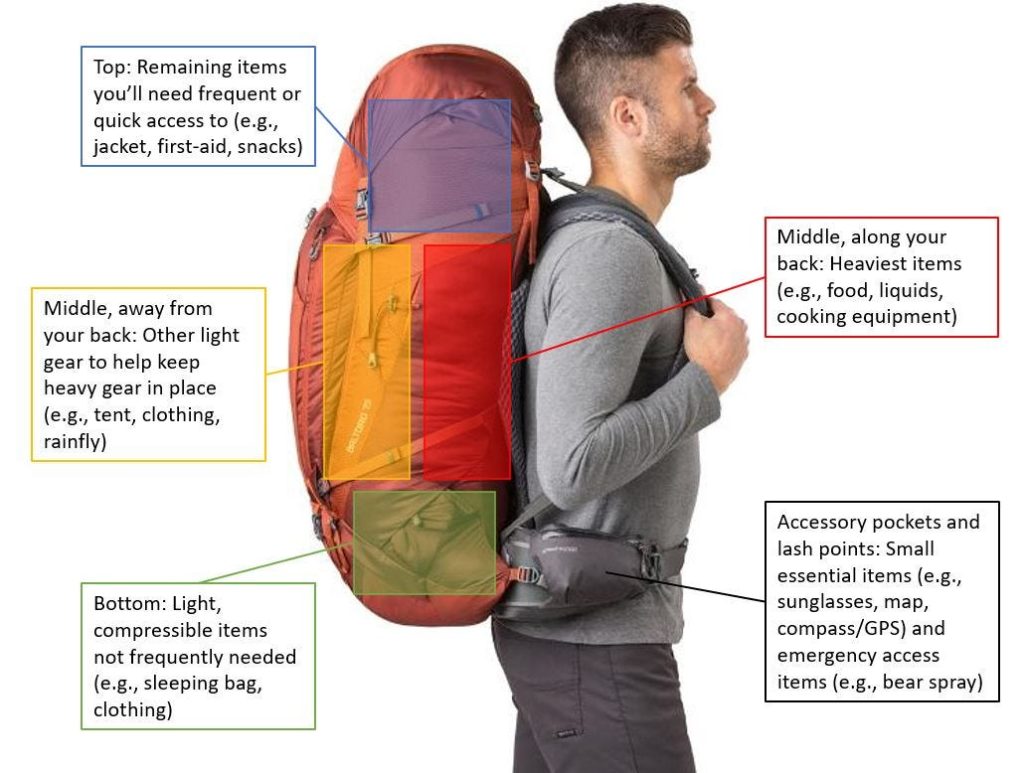
Try to keep heavy items close to your back and lighter items outside. Sleeping bags usually go at the bottom or outside the pack.
- Place sleeping bag low on the pack
- Keep center of gravity near your back
- Test the pack balance before hiking
Tips For Weather Protection
Keeping your sleeping bag dry is key for a warm, comfortable night. Rain and moisture can soak your gear and cause cold.
Learn how to attach your sleeping bag to your backpack to protect it from weather. Use these tips to stay dry.
Waterproof Covers
Use waterproof covers to shield your sleeping bag from rain and wet conditions. These covers fit over your bag and block water.
- Choose covers made of water-resistant material.
- Check for sealed seams to stop leaks.
- Secure covers tightly around the sleeping bag.
- Look for covers that are lightweight and packable.
Positioning To Avoid Moisture
Where you attach your sleeping bag on the backpack matters. Avoid spots that touch the ground or get splashed.
| Position | Pros | Cons |
| Top of Backpack | Easy to reach | Exposed to rain |
| Bottom of Backpack | Protected from rain | Can touch wet ground |
| Side Straps | Good airflow | Can swing and hit wet areas |
Quick Access Strategies
Plan so you can grab your sleeping bag fast if weather changes. This saves time and keeps you dry.
- Attach the bag where you can reach it without unpacking.
- Use quick-release straps for easy removal.
- Keep the opening facing up to avoid water getting in.
- Practice attaching and detaching before you hike.

Credit: www.reddit.com
Common Mistakes To Avoid
Attaching your sleeping bag to your backpack seems simple. Many hikers make errors that cause discomfort or even damage to their gear.
Knowing common mistakes helps you pack smarter and hike safer. Avoid these errors to keep your sleeping bag secure and your backpack balanced.
Overloading Your Backpack
Putting too many items on your backpack makes it heavy and hard to carry. Overloading can strain your back and make walking difficult.
- Do not add extra gear beyond your pack’s limit.
- Keep the sleeping bag light and compact.
- Use compression straps to reduce bulk.
- Check the total weight before starting your hike.
Loose Attachments
Attaching your sleeping bag loosely causes it to swing or fall off. This can slow you down and risk losing important gear.
- Use strong straps or cords designed for backpacks.
- Double knot or fasten buckles tightly.
- Check attachments frequently during the hike.
- Avoid tying with thin or weak strings.
Ignoring Weight Distribution
Placing your sleeping bag only on one side can unbalance your backpack. This makes walking harder and strains your muscles.
| Weight Placement | Effect |
| Sleeping bag at bottom | Improves stability and lowers center of gravity |
| Sleeping bag on one side | Causes uneven weight and discomfort |
| Sleeping bag on top | May shift gear and affect balance |
| Sleeping bag inside pack | Protects bag but may reduce space |
Maintenance And Care
Keeping your sleeping bag attached to your backpack is easy with proper care. Good maintenance helps your gear last longer. It also keeps it safe and ready for your next trip.
Follow simple steps to clean, check, and store your sleeping bag and its attachments. This way, your equipment stays strong and works well every time.
Cleaning Your Sleeping Bag
Clean your sleeping bag only when it is very dirty. Washing too often can harm the material. Use a gentle cleaner made for sleeping bags or mild soap.
Hand washing is best. Use cold water and soak the bag. Rinse it well to remove all soap. Let it dry fully before packing it away.
- Use cold water and mild soap
- Hand wash to protect fabric
- Rinse thoroughly to remove soap
- Dry completely in a shaded area
Checking Straps And Clips
Inspect straps and clips before every trip. Look for tears, cracks, or loose stitches. Fix small problems early to avoid bigger damage.
Make sure clips open and close smoothly. Replace broken parts if needed. Tighten straps so your sleeping bag stays secure on your backpack.
- Look for rips or worn spots
- Test clips for smooth action
- Tighten straps before use
- Replace broken clips or straps
Storage Tips
Store your sleeping bag loosely to keep its shape. Avoid tight compression for long times. Use a large storage sack or hang it in a dry place.
Keep straps and clips fastened when storing. This prevents them from catching or breaking. Check storage area for moisture to stop mold and smells.
- Store bag loosely, not compressed
- Use a large storage sack or hang
- Fasten straps and clips securely
- Keep storage area dry and clean

Credit: www.reddit.com
Frequently Asked Questions
How Do I Attach A Sleeping Bag To My Backpack?
Use compression straps or dedicated loops on your backpack. Roll the sleeping bag tightly, then secure it firmly. This method saves space and keeps your gear balanced during hikes.
What Is The Best Position For Attaching A Sleeping Bag?
Attach the sleeping bag at the bottom or outside of your backpack. This placement prevents moisture from reaching your main gear. It also maintains easy access and balances weight distribution.
Can I Use Straps To Secure A Bulky Sleeping Bag?
Yes, adjustable compression straps work well for bulky sleeping bags. They compress the bag size and hold it tightly against your pack. This prevents shifting and makes carrying easier.
Should I Waterproof My Sleeping Bag Before Attaching?
Waterproofing your sleeping bag or using a dry sack is recommended. It protects your bag from rain and moisture during travel. This ensures your sleeping bag stays dry and comfortable.
Conclusion
Attaching a sleeping bag to a backpack is simple. First, choose the right backpack. Ensure it has straps or loops. Next, roll your sleeping bag tightly. Secure it with straps. Attach it to the bottom of your backpack. This helps balance the weight.
Always check your setup before hiking. Make sure everything is tight and secure. This prevents shifting during your trek. Practice these steps a few times. With practice, it becomes second nature. Enjoy your hiking adventure with ease and comfort. Happy trails!