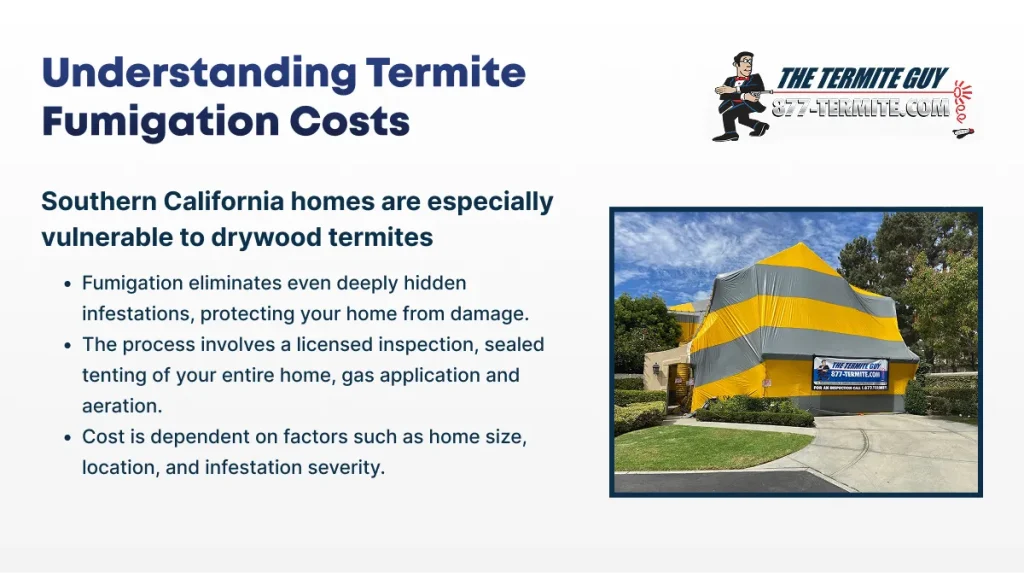
Are you worried about termites damaging your home? You’re not alone.
Termite tenting is one of the most effective ways to get rid of these destructive pests. But before you schedule the service, you probably want to know one thing: How much does termite tenting cost? Understanding the price can help you plan your budget and avoid surprises.
You’ll discover the factors that influence termite tenting costs and learn how to get the best value for your money. Keep reading to protect your home without breaking the bank.
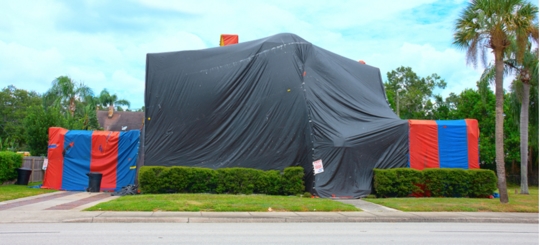
Credit: www.242pest.com
Termite Tenting Basics
Termite tenting is a common way to get rid of termites in a home. It uses a special gas to kill these pests inside the house.
The process covers the entire home with a large tent. This helps the gas reach all areas where termites hide.
What Is Termite Tenting
Termite tenting is a pest control method. Professionals cover a house with a big tent made from plastic sheets.
They fill the tent with a gas that kills termites inside walls and floors. The gas can reach places other treatments cannot.
- The tent seals the house to trap the gas inside
- The gas kills termites throughout the home
- The process usually takes a few days
- People and pets must leave during treatment
When Is Tenting Necessary
Tenting is needed when termite damage is widespread. It works best for serious termite infestations.
It is also used when other treatments do not work well. Tenting reaches all hidden areas where termites live.
- If termites are found in many parts of the house
- When damage is severe and must be stopped fast
- If other termite treatments fail to control pests
- When a full home treatment is required
Factors Influencing Tenting Costs
The cost of termite tenting depends on many factors. These factors affect the price you pay.
Knowing these factors helps you understand why prices vary. It also helps you plan your budget.
Home Size And Layout
Bigger homes need more materials and work for tenting. This raises the total cost.
Complex layouts with many rooms or levels take longer to treat. This adds to the price.
- Large square footage increases cost
- Multiple floors require extra labor
- Many rooms or open spaces need more fumigant
Extent Of Infestation
Severe termite damage means more treatment is needed. This can make tenting cost more.
Light infestations are easier and cheaper to treat. The cost grows with infestation size.
- Heavy infestations require longer fumigation
- More chemicals may be needed
- Additional repairs can increase overall cost
Location And Accessibility
Homes in remote or hard-to-reach areas may cost more to tent. Travel and equipment setup add expenses.
Easy access to your home helps reduce labor time and cost. Narrow streets or tight spaces can increase price.
- Remote locations add travel fees
- Limited access increases labor time
- Urban areas may have permits or restrictions
Season And Timing
Termite tenting costs can change by season. Busy seasons may have higher prices due to demand.
Scheduling during off-peak times may lower costs. Weather conditions also affect when tenting can happen.
- High demand seasons raise prices
- Off-season scheduling can save money
- Weather delays may increase cost
Average Price Range
Termite tenting is a common method to eliminate termite infestations. The cost can vary widely depending on several factors. Knowing the average price range helps homeowners plan their budget.
This guide explains typical cost estimates and how prices change by region. It includes useful details to understand termite tenting expenses better.
Typical Cost Estimates
The cost of termite tenting depends on the size of the property and the severity of the infestation. On average, prices range from $1,000 to $3,000.
- Small homes (under 1,500 sq ft): $1,000 – $1,500
- Medium homes (1,500 to 2,500 sq ft): $1,500 – $2,500
- Large homes (over 2,500 sq ft): $2,500 – $3,000+
Additional services like repairs or preventive treatments may add to the total cost.
Cost Variations By Region
Prices for termite tenting vary by region due to local labor rates and chemical costs. Below is a table showing estimated average costs in different areas.
| Region | Average Cost Range |
|---|---|
| Northeast | $1,200 – $2,200 |
| South | $1,000 – $2,500 |
| Midwest | $1,100 – $2,000 |
| West | $1,500 – $3,000 |
Additional Expenses To Expect
Termite tenting is a common way to eliminate termites from a home. The basic cost covers the fumigation process. You should know about other possible costs too.
These extra expenses can affect the total price. Knowing them helps you plan your budget better.
Preparation And Cleanup Fees
Before fumigation, your home needs preparation. You may have to remove food, plants, and pets. This sometimes requires professional help.
After fumigation, cleanup is needed to make your home safe. This may include airing out the house and cleaning surfaces.
- Removing or covering food and drinks
- Moving plants and pets out of the house
- Cleaning after the tent is removed
- Disposal of dead termites and debris
Structural Repairs
Termite damage can weaken wood and other parts of your home. Repairs may be needed to fix this damage after treatment.
Costs vary depending on how much damage is found. Some repairs may be simple, while others are more complex.
- Replacing damaged wood beams or studs
- Fixing flooring or walls affected by termites
- Repairing doors and windows that stick
- Checking and fixing structural safety issues
Follow-up Treatments
One fumigation may not stop all termites. Follow-up treatments help prevent future infestations. These treatments add to the total cost.
Termite control companies may recommend regular inspections and additional treatments. This keeps your home safe long term.
- Regular termite inspections
- Spot treatments for new termite activity
- Soil treatments around the home
- Installing termite bait stations
Affordable Alternatives To Tenting
Termite tenting can be costly and disruptive. Luckily, there are affordable ways to protect your home from termites.
These alternatives focus on targeted treatment and prevention without the need to cover your entire house.
Spot Treatments
Spot treatments target termite nests or affected areas directly. This method uses chemicals or heat to kill termites in one spot.
- Less expensive than full tenting
- Quick application with minimal disruption
- Effective for small or localized infestations
- May require follow-up inspections
Bait Systems
Bait systems use poisoned food to attract termites. Termites carry the bait back to their colony, killing others.
| Benefit | Details |
| Cost | Moderate, less than tenting |
| Safety | Low chemical use, safe for families |
| Maintenance | Needs regular monitoring |
| Effectiveness | Good for active infestations |
Chemical Barriers
Chemical barriers stop termites from entering your home. Pest control experts apply liquid chemicals around the foundation.
Key points about chemical barriers:
- Affordable compared to tenting
- Long-lasting protection
- Requires professional application
- Effective for prevention and control

Credit: www.reddit.com
Diy Prevention Tips
Termite tenting can be costly, so preventing infestations is important. Taking simple steps at home helps keep termites away.
This guide shares easy tips to reduce termite risks without hiring professionals.
Moisture Control
Termites love damp places. Fix leaks and avoid water buildup near your home.
Keep gutters clean and make sure water drains away from the foundation.
- Repair leaking pipes and faucets
- Use dehumidifiers in damp basements
- Grade soil to slope away from house
- Clear leaves and debris from gutters
Wood Maintenance
Termites eat wood, so keep wood dry and healthy. Avoid wood touching soil directly.
Seal cracks and holes in wood to stop termite entry.
- Paint or stain wood surfaces
- Replace rotting or damaged wood
- Store firewood away from house
- Use termite-resistant wood if possible
Regular Inspections
Check your home often for signs of termites. Early detection saves money and damage.
Look for mud tubes, discarded wings, or hollow wood sounds.
- Inspect crawl spaces and basements
- Examine wooden structures and beams
- Watch for small holes or wood dust
- Schedule professional checks if needed
Choosing The Right Pest Control Service
Termite tenting can be costly. Choosing the right pest control service helps you get the best value for your money. It also ensures safe and effective termite removal.
Before hiring a company, research and compare several options. Look at prices, credentials, and customer feedback. This helps you make a smart decision.
Comparing Quotes
Get quotes from at least three pest control companies. Prices can vary based on treatment methods and home size. Comparing helps you avoid overpaying.
| Company | Price Range | Included Services |
|---|---|---|
| Company A | $1,200 – $1,500 | Tenting, inspection, follow-up visit |
| Company B | $1,000 – $1,300 | Tenting and inspection only |
| Company C | $1,400 – $1,600 | Tenting, inspection, and warranty |
Checking Credentials
Make sure the pest control service has proper licenses and insurance. Certified companies follow safety rules and use approved chemicals. This protects your family and home.
- Verify state licenses
- Ask about insurance coverage
- Check if technicians are certified
- Confirm use of safe, approved products
Reading Reviews
Look for reviews on trusted websites. Customer feedback shows the company’s reliability and quality of work. Pay attention to comments about punctuality, professionalism, and results.
- Check recent reviews for current service quality.
- Notice how the company responds to complaints.
- Look for detailed reviews, not just star ratings.

Credit: www.homeyou.com
Frequently Asked Questions
What Factors Influence Termite Tenting Cost?
Termite tenting costs vary by home size, infestation severity, and location. Additional fees may include preparation and post-treatment inspection. Larger homes or severe infestations generally increase costs. Local market rates and accessibility also affect pricing. Always request detailed quotes for accurate estimates.
How Long Does Termite Tenting Treatment Take?
Termite tenting typically takes 24 to 48 hours. The process includes sealing the home, fumigation, and airing out. Time may vary depending on house size and infestation level. Proper ventilation after treatment ensures safety before re-entry.
Is Termite Tenting Covered By Insurance?
Most homeowners insurance policies do not cover termite tenting costs. Termite damage is often considered preventable, so coverage is limited. Check your specific policy and consider separate termite protection plans. Prevention is usually more cost-effective than repair.
Can Termite Tenting Cost Be Reduced?
You can reduce termite tenting costs by comparing quotes from licensed pest control companies. Early detection limits infestation spread and treatment size. Regular home maintenance and inspections prevent costly damage. Some companies offer seasonal discounts or financing options.
Conclusion
Termite tenting costs vary based on several factors. Home size, infestation severity, and location all influence pricing. It’s important to get multiple quotes. This ensures you find a fair deal. Always choose a reputable pest control company. Safety and effectiveness should be top priorities.
Investing in termite tenting protects your home. It prevents costly future damage. Remember, proactive maintenance saves money. Keep your home termite-free by scheduling regular inspections. Stay informed and plan ahead. This way, you maintain a safe and comfortable living space.