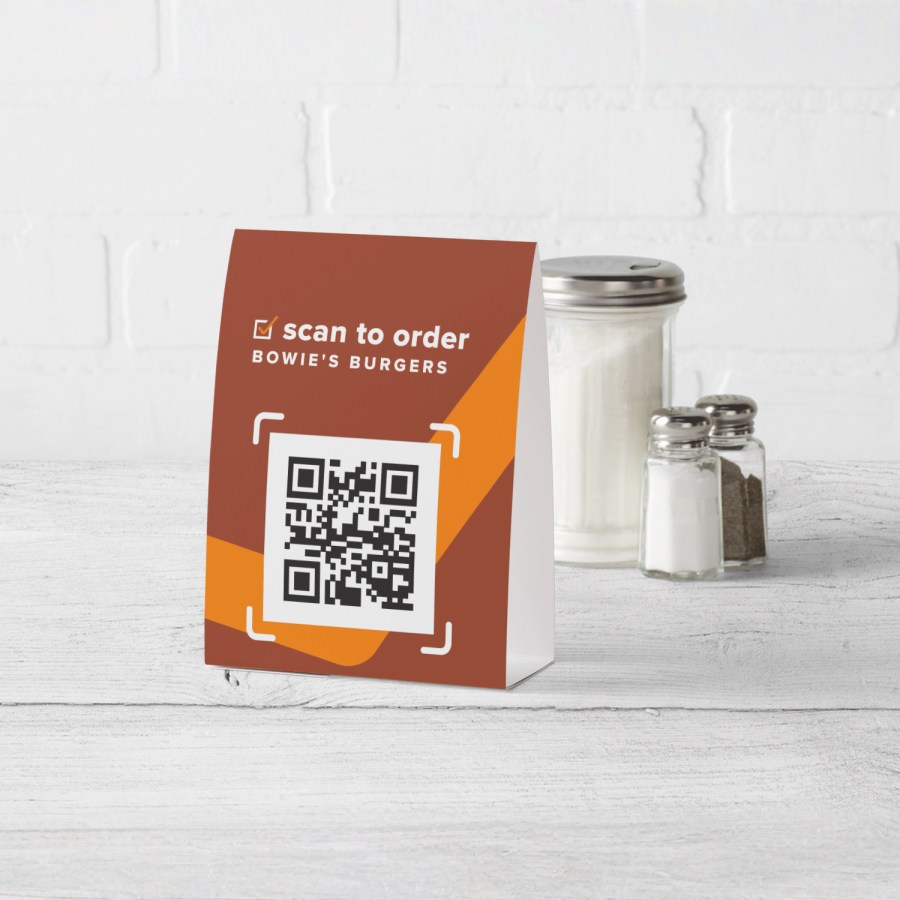
Have you ever noticed those small, folded cards sitting on restaurant tables or at events? Those are called table tents, and they might be more powerful than you think.
Whether you want to grab attention, share important information, or boost sales, a table tent could be the secret tool you’re missing. You’ll discover exactly what a table tent is and how it can work for you. Keep reading to unlock simple ideas that can make a big impact.
Table Tent Basics
Table tents are small, foldable signs that sit on flat surfaces. They help share messages directly with people nearby.
They are popular in cafes, restaurants, and events for showing information clearly.
Definition And Purpose
A table tent is a piece of printed material folded into a triangular or tent shape. It stands upright on tables or counters.
Its main purpose is to display messages like promotions, menus, or announcements to people sitting or standing close by.
Common Uses In Marketing
- Promoting daily specials in restaurants
- Advertising events or sales in retail stores
- Providing product information at trade shows
- Encouraging customer engagement with QR codes
- Displaying safety or health guidelines
Materials And Sizes
| Material | Description | Common Sizes |
|---|---|---|
| Cardstock | Thick paper, easy to print on, affordable | 4 x 6 inches, 5 x 7 inches |
| Plastic | Durable, water-resistant, good for long use | 4 x 6 inches, 6 x 9 inches |
| Foam board | Lightweight, sturdy, used for premium displays | 5 x 7 inches, 8 x 10 inches |

Credit: birdieproducts.com
Design Tips
Table tents can capture attention quickly. Good design helps share your message clearly. Use smart colors, fonts, and branding to make them stand out.
Simple choices in design improve readability. They also keep your table tents looking professional and inviting to customers.
Eye-catching Colors
Use colors that grab attention but stay easy on the eyes. Bright colors work well for calls to action. Contrast helps text stand out from backgrounds.
- Pick two or three main colors
- Use contrasting colors for text and background
- Avoid too many bright colors in one design
- Match colors with the mood you want to create
Effective Typography
Choose fonts that are easy to read from a distance. Limit the number of font styles to keep your design clean. Use size and weight to guide the reader.
| Font Choice | Use Case |
| Sans-serif | Clear and modern look |
| Serif | Traditional and formal feel |
| Bold | Highlight important words |
| Italic | Add emphasis or style |
Incorporating Branding Elements
Include your logo and brand colors to make your table tent recognizable. Consistent branding builds trust. Add your website or social media handles for easy contact.

Placement Strategies
Table tents work best when placed carefully. Good placement helps catch attention. It also supports your marketing goals.
Choosing the right spots and timing can improve results. This guide covers key placement ideas for table tents.
High-traffic Areas
Place table tents where many people pass by. High-traffic spots increase views and engagement. Examples include entrance lobbies, checkout counters, and busy tables.
- Near cash registers or payment areas
- On reception desks or waiting areas
- Close to popular product displays
- At cafe tables or bar counters
- Near elevators or stairways
Complementing Other Marketing Tools
Table tents work well with flyers, posters, and digital signs. They reinforce messages and guide customers to offers. Use similar colors and themes to create consistency.
| Marketing Tool | How Table Tents Help |
| Flyers | Highlight key points and direct to flyer details |
| Posters | Provide quick info near poster locations |
| Digital Signs | Offer a physical reminder after seeing digital ads |
| Coupons | Display coupon codes or QR codes for easy access |
Timing And Rotation
Change table tents regularly to keep content fresh. Rotate messages based on time, season, or promotions. This approach keeps customers interested.
- Plan rotation schedules monthly or weekly
- Match messages to holidays or special events
- Remove outdated information quickly
- Track which designs get more attention
- Adjust placement based on customer flow changes
Benefits For Businesses
Table tents are small, folded signs placed on tables in restaurants, cafes, or stores. They help businesses share information in a clear and visible way.
These tools offer many benefits for businesses. They can attract attention and communicate messages quickly to customers.
Increasing Customer Engagement
Table tents encourage customers to interact with your brand while they wait or dine. They provide interesting content or questions to spark curiosity.
Engaged customers tend to spend more time looking at your products or services. This builds a stronger connection and can increase sales.
Promoting Special Offers
Table tents are perfect for highlighting discounts, deals, or new products. They catch the eye of customers who might miss other ads.
Using table tents helps spread the word about limited-time offers right at the point of sale. This can boost immediate purchases.
- Show daily specials
- Advertise happy hour deals
- Promote seasonal products
Enhancing Brand Visibility
Table tents keep your brand visible in busy places. They reinforce your logo, colors, and message in a small space.
Repeated exposure to your brand helps customers remember you. This builds trust and can lead to repeat business.
Creative Uses
Table tents are small, folded cards placed on tables. They catch attention and share important information.
Businesses use table tents in many creative ways to engage customers and share messages.
Menus And Specials
Table tents are perfect for showing menus and daily specials. They help customers decide what to order.
Restaurants often use table tents to highlight new dishes or limited-time offers.
- Display appetizers or desserts
- Show prices and descriptions clearly
- Promote seasonal or holiday specials
- Suggest food and drink pairings
Event Announcements
Table tents work well to announce upcoming events. They keep guests informed while they wait.
Businesses can share details about live music, happy hours, or special parties.
- Include event date and time
- Add a short description
- Use eye-catching graphics
- Encourage customers to join or RSVP
Interactive Features
Table tents can have interactive elements to engage customers. This makes the experience more fun.
Some interactive ideas include games, QR codes, or feedback forms.
- Place QR codes for quick website access
- Add trivia questions or puzzles
- Include polls or surveys
- Offer scratch-off areas for prizes

Credit: blanksusa.com
Measuring Impact
A table tent is a small, folded card placed on tables to share messages. It helps promote products or events directly to customers.
Measuring the impact of table tents shows how well they work. It helps improve marketing and increase sales.
Tracking Customer Response
Watch how customers react to table tents. Look for signs like reading, picking up, or asking about the message.
Use surveys or quick questions to get feedback. This helps learn if the table tents catch attention.
- Note if customers stop to read the table tent
- Ask staff if customers mention the table tent
- Use short surveys to gather opinions
Analyzing Sales Data
Check sales numbers before and after using table tents. This shows if they help increase purchases.
Compare sales of promoted items with others. Look for changes in customer buying habits.
| Item | Sales Before | Sales After |
|---|---|---|
| Product A | 100 | 130 |
| Product B | 80 | 75 |
Adjusting Strategies
Use data to change table tent designs or messages. Improve what works and fix what does not.
Try new offers or calls to action. Keep testing to find the best way to reach customers.
- Change wording based on customer feedback
- Test different locations on tables
- Update images to attract more attention
Common Mistakes To Avoid
Table tents are small signs placed on tables to share messages. They can promote events, menus, or offers. Using table tents well helps catch attention and communicate clearly.
Many people make mistakes that reduce a table tent’s impact. Avoid these common errors to get better results.
Overcrowded Design
Too much text or too many images can make a table tent hard to read. Crowded designs confuse the viewer and hide the main message.
- Use short, clear phrases.
- Include only one or two images.
- Choose a clean font and enough space between lines.
- Limit colors to keep it simple.
Poor Placement
Where you put a table tent matters. Placing it where people cannot see it wastes effort. Bad placement lowers the chance people will read your message.
| Good Placement | Poor Placement |
|---|---|
| Center of the table | Under stacks of menus |
| Near eye level | Behind tall objects |
| On clean surfaces | Cluttered or dirty areas |
Ignoring Audience
Not thinking about who will see the table tent can cause problems. The message should fit the audience’s interests and needs.
Here are tips to match your table tent to your audience:
- Know the age group and preferences.
- Use language they understand.
- Focus on benefits they care about.
- Choose images that appeal to them.
Credit: www.alisongroup.com
Choosing A Supplier
Finding the right supplier for table tents is key to getting good quality and prices. The supplier should meet your needs in printing, materials, and delivery time.
Look closely at what each supplier offers. This helps you avoid delays and get the best product for your purpose.
Quality Considerations
Choose a supplier that uses strong materials and clear printing. The table tents must last on tables without bending or fading.
| Quality Factor | Why It Matters |
|---|---|
| Material Thickness | Prevents bending and tearing easily |
| Print Resolution | Ensures text and images are sharp |
| Coating Options | Protects from spills and stains |
| Cutting Accuracy | Keeps design neat and uniform |
Customization Options
The supplier should offer choices for size, shape, and design. Personalizing your table tents helps match your brand and event theme.
- Various sizes to fit different tables
- Custom shapes like triangles or rectangles
- Color matching for brand consistency
- Ability to add logos and images
- Different finishes such as matte or glossy
Budget-friendly Solutions
Look for suppliers that give good value without lowering quality. Compare prices and services to find the best fit for your budget.
- Ask for quotes from multiple suppliers
- Check if bulk discounts are available
- Consider shipping costs and delivery times
- Review payment terms and return policies
- Balance cost with quality and service
Frequently Asked Questions
What Is A Table Tent Used For?
A table tent is a small promotional display placed on tables. It highlights offers, menus, or events to catch customer attention instantly.
How Do Table Tents Boost Restaurant Sales?
Table tents promote specials and upsell items directly at the table. This increases customer engagement and encourages additional purchases.
What Materials Are Table Tents Made From?
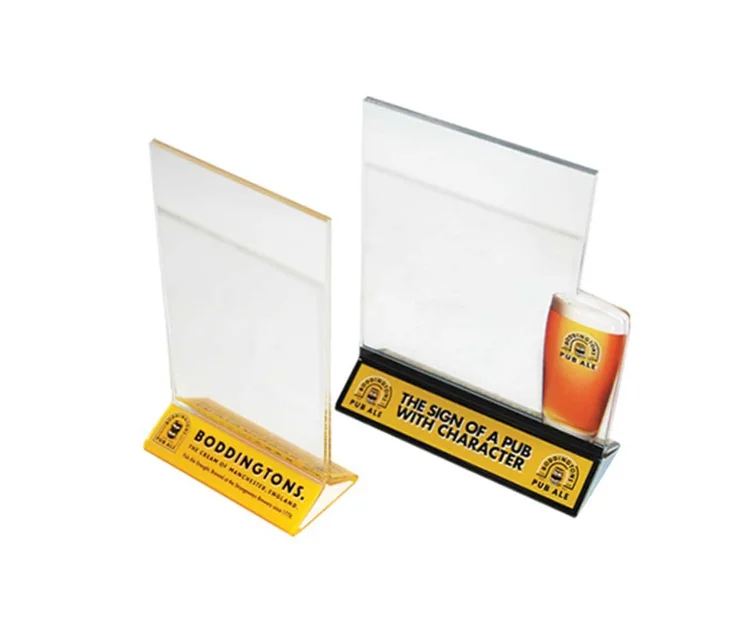
Table tents are commonly made from cardstock, plastic, or acrylic. These materials ensure durability and easy cleaning in busy environments.
Can Table Tents Be Customized For Branding?
Yes, table tents can be fully customized. Businesses add logos, colors, and messages to align with their brand identity and marketing goals.
Conclusion
Table tents play a key role in effective marketing. They capture attention and convey information quickly. Businesses use them to promote offers, events, or products. Simple, yet powerful tools to boost visibility. They fit well on tables, counters, or reception desks.
Eye-catching designs make them stand out. Cost-effective and versatile, table tents serve various purposes. Restaurants, hotels, and events benefit greatly from them. Easy to update and customize for different needs. Table tents are essential for attracting and engaging customers. They communicate messages clearly, leaving a lasting impression.
Perfect for enhancing customer experiences and driving business growth.