If you love fishing, knowing how to add fishing line to a reel is an essential skill you can’t afford to miss. Whether you’re fixing a broken line or just getting your gear ready for the next trip, doing it right saves you time, money, and frustration.
In this guide, you’ll discover simple, step-by-step instructions that anyone can follow—even if you’ve never done it before. Keep reading, and you’ll be ready to cast out with confidence in no time.

Credit: n1outdoors.com
Choose The Right Fishing Line
Choosing the right fishing line helps you catch fish more easily. It affects casting, strength, and control on the water.
There are many types and sizes of fishing lines. You need to pick one that fits your fishing style and the fish you want to catch.
Types Of Fishing Lines
Fishing lines come in three main types: monofilament, fluorocarbon, and braided. Each has its own features and uses.
- Monofilament:Affordable and flexible. Good for beginners and general fishing.
- Fluorocarbon:Less visible underwater. Great for clear water and shy fish.
- Braided:Very strong and thin. Best for heavy cover and long casting.
Selecting Line Strength
Line strength is measured in pounds and shows how much weight the line can hold. Choose strength based on the size of fish you want.
| Fish Type | Recommended Line Strength |
| Small fish (trout, panfish) | 4-8 lbs |
| Medium fish (bass, walleye) | 8-15 lbs |
| Large fish (pike, catfish) | 15-30 lbs |
| Very large fish (saltwater species) | 30+ lbs |
Consider Line Diameter
Line diameter affects how the line moves and its strength. Thinner lines cast farther and are less visible.
- Thick diameter lines are stronger but easier for fish to see.
- Thin diameter lines are less visible but may not hold very big fish.
- Balance strength and diameter for your fishing needs.

Credit: www.youtube.com
Prepare Your Reel
Preparing your fishing reel is important before adding new line. It helps the reel work smoothly and last longer.
Start by checking the reel carefully. Remove old line and clean the spool well. This makes sure the new line stays strong and secure.
Remove Old Line
Take off all the old fishing line from the reel spool. Cut the line if needed to make it easier to pull out. Remove every part of the old line to avoid tangles.
Inspect The Reel
Look over the reel for any damage or dirt. Check the spool, bail arm, and line roller carefully. Make sure all parts move freely and are not broken.
- Check for cracks or rust on the spool
- Test the bail arm for smooth opening and closing
- Spin the reel handle to hear any unusual sounds
- Inspect the line roller for wear or dirt buildup
Clean The Spool
Cleaning the spool removes dirt and old grease. Use a soft cloth and mild soap to wipe it down. Dry the spool fully before adding new line.
| Cleaning Tool | Purpose |
| Soft cloth | Wipe off dirt and dust |
| Mild soap | Remove grease and grime |
| Dry towel | Dry the spool completely |
Attach The Line To The Reel
Adding fishing line to your reel is an important skill for fishing. It helps you prepare your gear for a successful day on the water.
This guide will walk you through the key steps to attach the line correctly. Follow these instructions to avoid tangles and line breaks.
Threading The Line
Start by pulling the line from the spool. Thread it through the rod guides from the tip down to the reel. Make sure the line flows smoothly without twists.
Tie The Knot
Attach the line to the reel spool with a strong knot. Use the Arbor knot for a secure hold. This knot prevents slippage during casting and retrieving.
- Wrap the line around the spool.
- Tie an overhand knot around the main line.
- Make a second overhand knot in the tag end.
- Pull both knots tight against the spool.
- Trim the excess line close to the knot.
Secure The Line
After tying the knot, ensure the line is tight and aligned on the spool. Wind the reel handle to evenly wrap the line. Avoid loose coils or overlaps.
| Common Issue | Solution |
|---|---|
| Line slips on spool | Tighten the knot or retie using a stronger knot |
| Line tangles or overlaps | Wind line slowly and keep tension steady |
| Line breaks easily | Check for sharp edges and use proper knot |
Spool The Line Correctly
Adding fishing line to a reel needs care to work well. Spooling the line correctly helps avoid problems on the water. This guide covers key tips for spooling your line right.
Focus on three main points: keeping proper tension, filling the spool evenly, and not overfilling. Follow these to get the best results.
Maintain Proper Tension
Keep the line tight as you spool it. Loose line can cause tangles and knots. Use your fingers or a cloth to hold the line firmly.
- Use steady pressure on the line
- Do not let the line slack
- Check tension often during spooling
- Adjust grip to avoid snapping the line
Fill The Spool Evenly
Spread the line evenly across the spool. Uneven filling causes line to slip off or tangle. Move the line guide slowly from side to side.
| Do | Don’t |
| Move line guide steadily | Let line pile up in one spot |
| Check spool surface regularly | Ignore uneven line layers |
| Use your hand to smooth line | Rush spooling process |
Avoid Overfilling
Do not fill the spool past its edge. Overfilling leads to tangles and line breaks. Leave some space for line expansion during use.
- Stop spooling when line is about 1/8 inch from spool edge
- Check reel specs for recommended line capacity
- Trim excess line after spooling
Check For Issues
Adding fishing line to a reel needs care to avoid problems. Checking the reel helps the line last longer. It also keeps your fishing smooth and fun.
Look for common issues before and after spooling the line. Fixing them early saves time and effort on the water.
Prevent Line Twist
Line twist causes tangles and weak spots. It happens if the line is not loaded properly or the reel spins too fast.
- Check that the spool matches the line type (monofilament or braid).
- Attach the line to the spool with a secure knot.
- Keep tension on the line while winding it onto the reel.
- Use your fingers or a cloth to guide the line evenly across the spool.
- Avoid overfilling the spool, leaving some space at the edge.
Test The Reel Function
Testing the reel before fishing checks if the line is spooled right. It also shows if the reel parts work smoothly.
| Test | What to Check | Fix |
| Handle Turn | Is the handle smooth and easy to turn? | Lubricate or tighten loose parts. |
| Drag System | Does the drag adjust smoothly without sticking? | Clean drag washers or replace if worn. |
| Line Flow | Does the line come off the spool without snagging? | Re-spool line with correct tension and alignment. |
| Bail Arm | Does the bail open and close properly? | Check for dirt or damage; clean or repair as needed. |
Trim Excess Line
Excess line can cause tangles and affect casting distance. Trimming the line tidy helps your reel work better.
Use sharp scissors or line clippers to cut the line. Leave about 1/8 inch (3 mm) above the knot or spool edge. This prevents the line from slipping off or getting caught.
- Check the line end for frays and trim if needed.
- Avoid leaving too much line outside the reel.
- Secure the line end with a small piece of tape if needed for braided line.
Tips For Different Reel Types
Adding fishing line to a reel varies by reel type. Using the right method helps avoid tangles and line damage.
Below are tips for spinning reels, baitcasting reels, and fly reels. Each needs a different approach for best results.
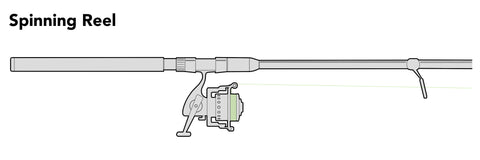
Spinning Reels
Spinning reels are common and easy to use. Attach the line to the spool carefully to prevent slipping.
- Open the bail arm fully before attaching the line.
- Tie the line with an arbor knot around the spool.
- Close the bail arm slowly to secure the line.
- Wind the line evenly onto the spool by turning the reel handle.
- Keep light tension on the line to avoid loops.
Baitcasting Reels
Baitcasting reels require careful spooling to reduce backlash and improve casting distance.
| Tip | Reason |
|---|---|
| Apply light tension by holding the line with fingers. | Prevents line from getting loose or tangled. |
| Fill the spool up to 1/8 inch from the edge. | Avoids overfilling, which causes backlash. |
| Use a backing line before adding the main line. | Helps fill the spool and keeps the line secure. |
Fly Reels
Fly reels need a smooth and even line lay to work properly with fly fishing lines.
Follow these steps:
- Remove the reel spool from the reel frame.
- Attach the fly line to the backing line using a nail knot.
- Wind the backing line onto the spool first, keeping tension.
- Next, wind the fly line evenly over the backing line.
- Replace the spool on the reel and check for smooth rotation.

Credit: www.youtube.com
Frequently Asked Questions
How Do I Attach Fishing Line To A Reel Spool?
Tie the line to the reel spool using an arbor knot. Pull it tight to secure. This prevents slipping when you start winding the line onto the reel.
What Type Of Fishing Line Works Best On Reels?
Monofilament and braided lines suit most reels well. Choose based on fishing type, target species, and reel capacity for optimal performance.
How Much Fishing Line Should I Put On A Reel?
Fill the spool to about 1/8 inch below the spool lip. This ensures smooth casting and prevents line tangles or overfilling.
Can I Reuse Old Fishing Line When Re-spooling?
It’s best to use new line for strength and reliability. Old line can weaken and cause breakages during fishing.
Conclusion
Adding fishing line to a reel is simple with practice. Start with the right tools and a clean space. Follow the steps carefully to avoid tangles. Always check for tightness and even distribution. Regular practice will make the process quicker and easier.
Remember, a well-spooled reel enhances your fishing experience. It ensures smooth casting and retrieval. Next time you head out, you’ll be ready. Enjoy your time on the water. Happy fishing!