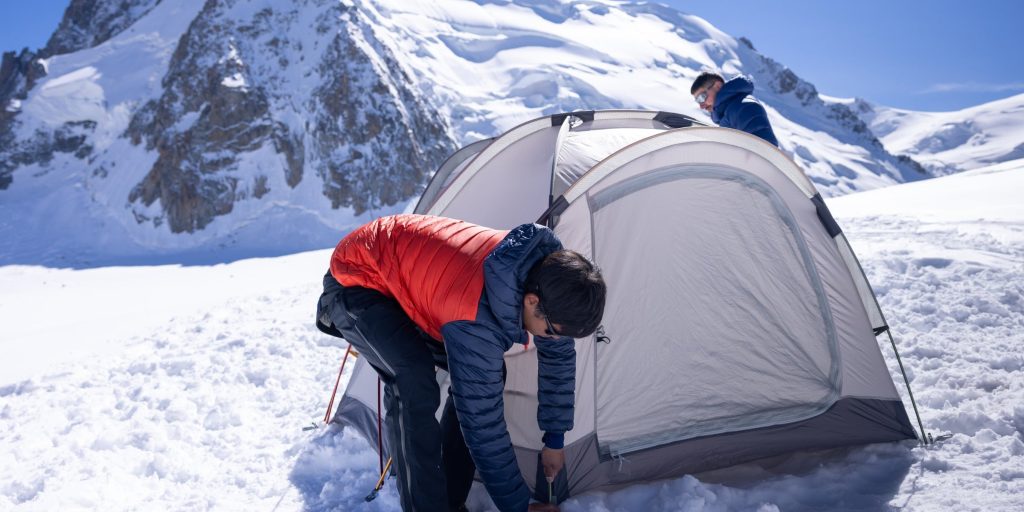
Camping in a tent can be an amazing experience, but staying warm through chilly nights is often the biggest challenge. You don’t want cold, restless sleep to ruin your adventure.
Imagine waking up cozy, refreshed, and ready to enjoy the day ahead. In this guide, you’ll discover simple, practical tips that make a real difference in keeping your tent warm. Whether you’re a beginner or a seasoned camper, these easy-to-follow strategies will help you stay comfortable and safe, no matter how low the temperature drops.
Keep reading to learn how to turn your tent into a warm, inviting space every time you camp.

Credit: hilltoppacks.com
Choose The Right Tent
Staying warm in a tent starts with picking the right one. Your tent protects you from cold weather and wind. It helps keep your body heat inside.
Choosing a tent that fits the weather and your needs makes camping more comfortable. Look for features that help trap heat and block cold air.
Select A Four-season Tent
Four-season tents are built for cold weather and snow. They have strong poles and sturdy fabrics. This keeps the tent stable in harsh conditions.
These tents block wind better than three-season tents. They also help trap heat inside. This makes them a good choice for cold camping trips.
Look For Insulated Features
Some tents come with insulation or thicker walls. These features keep warmth inside and cold out. Check if the tent has a built-in rainfly or extra layers.
- Double-wall tents add insulation between layers
- Thick fabric reduces heat loss
- Rainfly covers keep wind and rain away
Insulated tents help keep your body heat inside the tent. This makes a big difference on cold nights.
Consider Tent Size And Ventilation
Pick a tent size that fits your group but is not too big. A smaller tent holds heat better. Large tents can feel cold inside.
Good ventilation is also important. It helps prevent moisture build-up. Moisture can make you feel colder inside the tent.
- Choose a tent that fits your group comfortably
- Use vents to reduce inside moisture
- Close vents in very cold weather but keep air flow

Credit: blog.whiteduckoutdoors.com
Pick Warm Sleeping Gear
Staying warm in a tent while camping is very important. The right sleeping gear helps you sleep better and feel cozy.
Choose gear designed for cold weather to keep the chill away at night.
Use A Cold-weather Sleeping Bag
Pick a sleeping bag rated for low temperatures. Look for bags with insulation that traps heat well. Mummy-shaped bags keep warmth close to your body.
Add Insulating Sleeping Pads
Sleeping pads stop cold from the ground. They create a layer of air that holds your body heat. Use pads with good insulation value, called R-value.
| Sleeping Pad Type | R-Value (Insulation) | Best Use |
| Closed-cell foam | 2.0 – 3.5 | Cool to cold weather |
| Inflatable insulated | 3.5 – 6.0 | Cold weather |
| Self-inflating | 3.0 – 5.0 | Cool to cold weather |
Bring Extra Blankets And Liners
Extra blankets and liners add warmth inside your sleeping bag. Liners can increase the bag’s temperature rating by several degrees.
- Use fleece or wool blankets for extra heat.
- Silk liners are lightweight and warm.
- Layer blankets to trap more warmth.
Dress In Layers
Staying warm in a tent starts with the clothes you wear. Layering helps keep your body heat in and cold air out. It also lets you adjust your clothing as the temperature changes.
Each layer has a special job. You need the right base, middle, and outer layers to stay cozy and dry all night long.
Start With Moisture-wicking Base Layers
Base layers sit next to your skin. They pull sweat away to keep you dry. Cotton is a bad choice because it traps moisture. Look for fabrics like polyester or merino wool.
- Wear long-sleeve tops and full-length bottoms
- Choose snug fits to trap body heat
- Avoid cotton to prevent chills
- Pick breathable materials to stop sweat build-up
Add Insulating Mid Layers
The mid layer keeps your body heat trapped. Fleece, down, or wool work well. You can add or remove this layer as needed. It should fit comfortably over your base layer.
| Material | Warmth | Weight | Breathability |
| Fleece | High | Light | Good |
| Down | Very High | Very Light | Low |
| Wool | High | Medium | Good |
Wear Windproof And Waterproof Outer Layers
The outer layer blocks wind, rain, and snow. It protects all the inner layers. Choose a jacket and pants with waterproof fabric and sealed seams. This layer should also let sweat escape.
Tips for outer layers:
- Look for breathable membranes like Gore-Tex
- Pick jackets with adjustable hoods and cuffs
- Wear pants with zippers for ventilation
- Pack a compact rain poncho for emergencies
Keep Your Body Warm
Camping in a tent can be cold, especially at night. Keeping your body warm helps you enjoy your trip more. Warm clothes and smart habits can keep cold away.
Focus on protecting your head, hands, and feet. These parts lose heat quickly. Use simple tricks to stay comfortable and safe.
Wear A Hat And Gloves
Your head loses a lot of heat. Wearing a hat helps keep your body heat inside. Gloves keep your hands warm and working well.
Choose wool or fleece hats and gloves. These materials keep warmth even if they get damp. Avoid cotton because it loses heat when wet.
Use Hand And Foot Warmers
Hand and foot warmers are small packets that produce heat. They help when the weather is very cold. Use them inside gloves and boots for extra warmth.
- Activate warmers by shaking or exposing them to air
- Place warmers inside mittens, gloves, and socks
- Use warmers for several hours of heat
Stay Dry To Avoid Heat Loss
Wet clothes and skin lose heat fast. Stay dry to keep warm during camping. Change out of wet clothes as soon as possible.
Use waterproof jackets and boots. Avoid sweating by wearing layers you can remove. Dry your clothes near a campfire or inside the tent if safe.
Optimize Tent Setup
Staying warm while camping starts with how you set up your tent. A good setup keeps cold air out and heat in.
Use smart tips to protect your tent from wind and cold ground. Small changes can make a big difference.
Pitch Tent In A Sheltered Spot
Choose a spot shielded from wind, like behind trees or large rocks. Avoid low areas where cold air settles.
Look for natural windbreaks to block chilly gusts. This helps keep your tent warmer during the night.
Use A Ground Tarp For Insulation
A ground tarp adds a layer between the cold earth and your tent floor. It reduces heat loss through the bottom.
- Choose a tarp slightly smaller than your tent base
- Place it flat and smooth to avoid moisture buildup
- Use a waterproof tarp to keep ground water out
- Make sure the tarp does not extend beyond the tent edges
Seal Tent Openings To Retain Heat
Close all zippers and flaps to stop warm air from escaping. Use tape or fabric to cover small gaps.
| Method | Purpose |
|---|---|
| Close zippers tightly | Keep warm air inside |
| Use draft stoppers | Block cold air leaks |
| Cover vents at night | Prevent heat loss |
| Seal seams with tape | Stop drafts |
Manage Heat Sources Safely
Staying warm in a tent during camping is important. Using heat sources can help you feel cozy. Always use them safely to avoid accidents.
Heat sources can be dangerous if not handled well. Follow safety tips to keep yourself and others safe while camping.
Use Portable Heaters With Caution
Portable heaters can warm your tent quickly. Choose heaters made for indoor or tent use only. Avoid heaters that use open flames.
Keep the heater away from flammable items like sleeping bags and clothes. Turn off heaters before sleeping or leaving the tent.
- Place heater on a flat, stable surface
- Keep a clear space of at least 3 feet around it
- Use heaters with automatic shut-off features
- Never leave heaters unattended
Keep Hot Water Bottles Inside
Hot water bottles are a safe way to stay warm. Fill them with hot water before going to bed. Wrap them in a cloth or cover to avoid burns.
Keep the hot water bottle inside your sleeping bag or near your body. It helps maintain warmth through the night without risk.
- Use durable bottles made for hot water
- Check for leaks before use
- Do not overfill the bottle
- Keep away from children without supervision
Avoid Carbon Monoxide Risks
Carbon monoxide is a dangerous gas produced by some heaters. It is colorless and odorless, making it hard to detect. Always ventilate your tent well.
Do not use fuel-burning devices inside a closed tent. Use battery-powered or electric heat sources instead to reduce risks.
- Keep tent vents open when using heaters
- Use carbon monoxide detectors if possible
- Never sleep with a running fuel heater
- Be aware of symptoms like headache or dizziness
Maintain Nutrition And Hydration
Staying warm in a tent while camping needs good food and drink. Your body needs fuel to make heat. Drinking enough water helps your body work well.
Focus on eating and drinking the right things. This keeps your energy up and your body warm. Here are ways to keep your nutrition and hydration balanced.
Eat High-calorie Meals
High-calorie foods give your body energy to create heat. Choose meals that are easy to cook and packed with calories. This helps you stay warm longer.
- Include nuts and peanut butter
- Eat cheese and whole-grain bread
- Cook meals with olive oil or butter
- Snack on dried fruits and chocolate
Drink Warm Beverages
Warm drinks raise your body temperature and comfort you. Hot tea, coffee, or soup can make a big difference. Avoid drinks with too much caffeine or alcohol.
| Beverage | Benefit |
| Herbal tea | Hydrates and warms |
| Hot chocolate | High calories and warmth |
| Broth or soup | Hydrates and feeds |
Stay Hydrated To Regulate Body Heat
Water keeps your body working well and controls your temperature. Drink water often, even if you do not feel thirsty. Cold weather can make you forget to drink.
Tips to stay hydrated:
- Carry a water bottle with you
- Drink small amounts regularly
- Avoid sugary or alcoholic drinks
- Use warm water if cold water feels uncomfortable
Credit: www.battlbox.com
Prepare For Emergency Warmth
Camping in a tent can get cold fast. Being ready for emergencies helps keep you safe. You need to prepare for warmth if the temperature drops.
Bring the right gear and know how to spot cold-related problems. This guide covers key steps to stay warm in tough conditions.
Carry Emergency Blankets
Emergency blankets are thin and light. They reflect your body heat back to you. Carry them in your backpack at all times.
- Wrap yourself in an emergency blanket to keep heat in.
- Use it as a ground cover to block cold from the floor.
- Keep a blanket in your tent and sleeping bag.
Pack Extra Clothing
Extra clothing layers help trap heat and keep you dry. Choose clothes made of wool or synthetic fibers.
| Clothing Item | Purpose |
| Thermal underwear | Keeps your core warm |
| Fleece jacket | Insulates body heat |
| Waterproof jacket | Keeps you dry in rain or snow |
| Extra socks and gloves | Protect extremities from cold |
Know Signs Of Hypothermia
Hypothermia happens when your body loses heat too fast. It can be dangerous. Learn the warning signs to act quickly.
- Shivering that does not stop
- Slow or slurred speech
- Weak pulse or slow breathing
- Confusion or drowsiness
- Loss of coordination and clumsiness
Frequently Asked Questions
How Can I Keep My Tent Warm Overnight?
Use an insulated sleeping pad and a high-quality sleeping bag. Wear warm clothes and keep a hot water bottle inside your sleeping bag to retain heat.
What Clothing Is Best For Cold Camping Nights?
Wear layers, including thermal underwear, fleece or wool mid-layers, and a waterproof outer layer. Avoid cotton as it retains moisture and chills the body.
Are Portable Heaters Safe For Tents?
Some portable heaters are safe if used correctly with proper ventilation. Always follow manufacturer instructions and never leave heaters unattended inside a tent.
How Does Tent Placement Affect Warmth?
Pitch your tent in a sheltered spot away from wind. Use natural windbreaks like trees or rocks to reduce heat loss.
Conclusion
Staying warm while camping enhances your outdoor adventure. Warm clothes, sleeping bags, and cozy blankets help a lot. Hot drinks can boost warmth and comfort. A good tent setup keeps the cold out. Layer your clothing for better insulation. Always pack extra warm gear.
Prepare for unexpected cold weather. These tips ensure a cozy camping experience. Enjoy nature without feeling chilly. Warmth means better rest and more fun. Embrace the outdoors with confidence. Camping should be enjoyable, not cold. Stay warm, stay happy, and make lasting memories.