Setting up your tent the right way can make all the difference between a comfortable night and a restless one. If you’ve ever struggled with loose or wobbly tents, you know how frustrating it can be.
But don’t worry—staking your tent properly is easier than you think. In this guide, you’ll learn simple, effective steps to stake your tent securely. By the end, you’ll feel confident that your shelter will stand strong no matter the weather.
Ready to make your camping experience safer and more enjoyable? Let’s get started!
Choosing The Right Spot
Staking a tent properly starts with picking the best spot. The right place keeps your tent stable and safe.
Look closely at the ground, watch for dangers, and think about the wind before you set up.
Assessing Ground Conditions
Check if the ground is firm enough to hold tent stakes. Soft or sandy soil may not hold well.
- Look for flat areas without rocks or roots
- Avoid wet or muddy spots to keep dry
- Test ground by pushing a stake in gently
- Choose soil that feels solid and stable
Avoiding Hazards
Find a spot away from dangers that can harm you or your tent. These risks can spoil your camping.
| Hazard | What to Avoid |
| Falling Branches | Stay clear of dead or weak trees |
| Flood Areas | Do not camp near riverbanks or low spots |
| Sharp Rocks | Remove or avoid rocky ground |
| Animal Paths | Keep away from wildlife trails |
Considering Wind Direction
Wind can affect your tent’s stability and comfort. Place your tent to block strong winds.
- Face the tent door away from the wind
- Use natural windbreaks like bushes or hills
- Secure stakes firmly on the windward side
- Check local weather for usual wind directions

Credit: www.reddit.com
Selecting Tent Stakes
Choosing the right tent stakes helps keep your tent secure. The type of ground and weather affect your choice.
Good stakes prevent your tent from moving or collapsing during wind or rain. Learn how to pick the best stakes.
Types Of Stakes
Different tent stakes work better in certain grounds. Some are best for soft soil, others for rocky areas.
- Pin Stakes: Thin and light, good for soft soil.
- V-Stakes: Strong and wide, good for hard ground.
- Spiral Stakes: Screw into the ground for firm hold.
- Snow Stakes: Flat and wide for snow or sand.
Material Choices
Stake material affects weight and strength. Choose a material that fits your camping style.
| Material | Weight | Durability | Cost |
| Aluminum | Light | Good | Moderate |
| Steel | Heavy | Very Strong | Low |
| Titanium | Very Light | Strong | High |
| Plastic | Light | Low | Low |
Length And Thickness
Longer stakes hold better in loose soil. Thick stakes resist bending and breaking.
- Short stakes work for firm ground but may not hold well in soft soil.
- Thin stakes are light but can bend easily.
- Thick stakes are stronger but add weight.
- Choose length and thickness based on camping location and weather.
Proper Stake Placement
Placing tent stakes correctly keeps your tent stable and safe. It helps prevent damage and keeps you comfortable inside.
Focus on the right angle, depth, and spacing for each stake. Secure the tent corners tightly for the best hold.
Optimal Angle And Depth
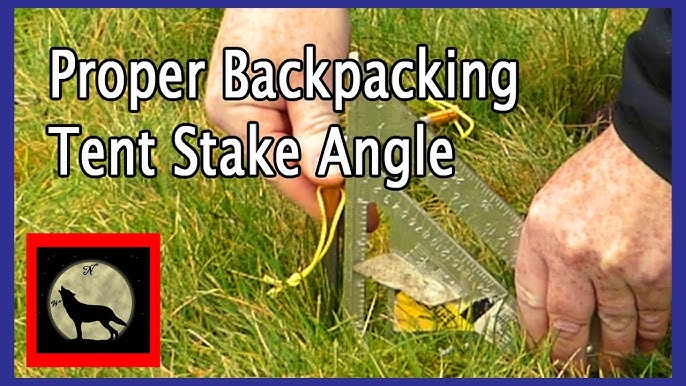
Drive stakes into the ground at a 45-degree angle away from the tent. This angle offers strong resistance against wind and tension.
Make sure the stake is deep enough. At least three-quarters of the stake should be underground to hold firmly.
Spacing Between Stakes
Place stakes evenly around the tent to spread tension. Avoid placing them too close or too far apart.
- Keep stakes about 6 to 8 feet apart for most tents.
- Adjust spacing based on tent size and shape.
- Use extra stakes for larger tents or in windy areas.
Securing Tent Corners
Tent corners need the strongest hold. Attach stakes tightly to keep the tent fabric taut.
| Corner | Tip for Secure Placement |
|---|---|
| Front | Pull fabric tight and angle stake away from tent |
| Back | Use longer stakes if ground is soft |
| Left | Check tension and adjust if loose |
| Right | Double stake if wind is strong |
Techniques For Different Surfaces
Staking a tent well keeps it safe and steady. Different surfaces need different staking methods. Knowing how to stake on sandy, rocky, or icy ground helps keep your tent strong.
Use the right tools and techniques for each surface type. This guide shares tips for sandy soil, rocky terrain, and snow or ice.
Sandy Soil Tips
Sandy soil is loose and does not hold stakes well. Use longer stakes to get better grip. Try to dig a small trench to place the stake at an angle.
- Use wide or sand-specific stakes for more surface area
- Place stakes at a 45-degree angle away from the tent
- Dig a shallow trench and bury the stake for extra hold
- Attach guy lines tightly to prevent movement
Rocky Terrain Solutions
Rocky ground makes it hard to push stakes into the soil. Use rocks or heavy objects to secure tent corners. Avoid forcing stakes into cracks that may break them.
| Method | Description |
|---|---|
| Rock Anchors | Wrap guy lines around large rocks and tie tightly. |
| Deadman Anchor | Bury a sturdy object like a log or bag filled with soil and attach lines. |
| Short Stakes | Use short, strong stakes in small soil pockets between rocks. |
Snow And Ice Strategies
Snow and ice require special care to hold tent stakes. Use snow stakes or make deadman anchors by burying objects in the snow. Keep guy lines tight to prevent slipping.
- Choose snow stakes shaped like a “V” or flat for better grip
- Dig a hole and bury the stake or deadman anchor deep in the snow
- Pack snow firmly around the anchor for stability
- Check and tighten lines regularly as snow melts or shifts
Using Guy Lines For Extra Stability
Guy lines help keep your tent steady in wind and bad weather. They add extra support to the tent poles and fabric. Using them correctly makes your tent safer and more comfortable.
Attaching and tensioning guy lines right is key. Also, placing them well gives the best balance and strength. Follow these tips to use guy lines effectively.
Attaching Guy Lines
Attach guy lines to the loops or rings on your tent’s outer fabric or poles. Use strong knots like a taut-line hitch for easy adjustment. Make sure the line is secure but not tight yet.
Tensioning Techniques
Tension the guy lines evenly to keep the tent fabric taut and poles upright. Avoid over-tightening, which can damage the tent or cause the stakes to pull out.
- Pull the guy line until it feels firm but not stretched too much.
- Use a tensioner or slide knot to adjust the length easily.
- Check and adjust tension after strong winds or heavy rain.
Placement For Maximum Support
Place guy lines at points that balance the tent and resist wind well. Usually, these points are on the corners and along the sides.
| Guy Line Position | Purpose | Distance from Tent |
|---|---|---|
| Front corners | Stops forward movement | 3 to 6 feet |
| Back corners | Prevents backward pull | 3 to 6 feet |
| Mid-side points | Keeps tent fabric tight | 2 to 4 feet |

Credit: www.popularmechanics.com
Common Mistakes To Avoid
Staking a tent incorrectly can cause it to fall or get damaged. It is important to avoid common errors. These mistakes affect the tent’s stability and your safety.
Learn about common errors to make sure your tent stays secure. This guide covers key points to watch out for when staking your tent.
Improper Stake Angles
Putting stakes in at wrong angles weakens their hold. Stakes should be driven into the ground at a low angle, pointing away from the tent.
- Do not place stakes straight down.
- Use about a 45-degree angle for the best grip.
- Angle stakes away from the tent for tension.
- Avoid loose or shallow staking.
Overlooking Soil Type
Different soils need different stakes and methods. Soft, sandy, or rocky ground requires special care.
| Soil Type | Best Stake Type | Tip |
| Soft or Sandy | Long, wide stakes | Use longer stakes for better grip |
| Rocky | Strong metal stakes | Place stakes in cracks or crevices |
| Hard or Frozen | Heavy-duty stakes | Use a hammer carefully to set stakes |
| Loamy or Clay | Standard stakes | Ensure stakes are deep enough |
Ignoring Weather Conditions
Wind and rain affect tent stability. Ignoring weather can cause stakes to pull out or tents to collapse.
Tips to secure your tent in bad weather:
- Check wind direction before staking
- Use extra guy lines in strong wind
- Reinforce stakes after heavy rain
- Clear water paths to avoid pooling
Maintaining Your Stakes
Keeping your tent stakes in good shape helps your tent stay stable. Regular care makes staking easier and safer.
Proper maintenance also extends the life of your stakes. This saves money and keeps your camping gear ready.
Regular Inspection
Check your stakes after each use. Look for bends, cracks, or signs of rust. Damaged stakes may not hold well.
Make sure the points are sharp and clear of dirt. Sharp tips penetrate the ground better and hold your tent firmly.
Cleaning And Storage
Remove mud and dirt from stakes after camping. Use water and a brush to clean them well. Dry them before storing.
Store stakes in a dry place to prevent rust. Keep them in a bag or container to avoid losing any.
Replacing Damaged Stakes
Replace stakes if they are bent or cracked. Weak stakes can fail during strong wind or rain.
Carry spare stakes on your trip. It helps you fix problems fast without stopping your camping plans.

Credit: www.amazon.com
Frequently Asked Questions
How Do You Stake A Tent Securely?
To stake a tent securely, insert stakes at a 45-degree angle away from the tent. Use sturdy stakes and ensure tight guy lines. This keeps the tent stable during wind or rain, preventing it from collapsing or blowing away.
What Type Of Stakes Work Best For Tents?
Metal stakes work best for most tents due to their strength. For sandy or soft soil, use longer or specialized stakes. Choose stakes based on terrain to ensure your tent remains firmly anchored.
When Is The Best Time To Stake A Tent?
Stake your tent immediately after pitching it on flat ground. Early staking helps maintain tent shape and stability. It also prevents damage caused by wind or uneven tension on the fabric.
How Many Stakes Are Needed For A Typical Tent?
Most tents require 6 to 10 stakes depending on size and design. Check your tent’s instructions for exact numbers. Proper staking ensures the tent’s structure stays intact and secure.
Conclusion
Staking a tent is simple with the right steps. Start by choosing a flat, dry spot. Secure your tent’s corners with stakes. Ensure they’re tight and firm. Adjust the ropes for proper tension. This keeps the tent stable. Practice these tips for every camping trip.
Enjoy a safe and comfortable shelter. Your outdoor adventures will be more enjoyable. A well-staked tent ensures a good night’s sleep. Happy camping!