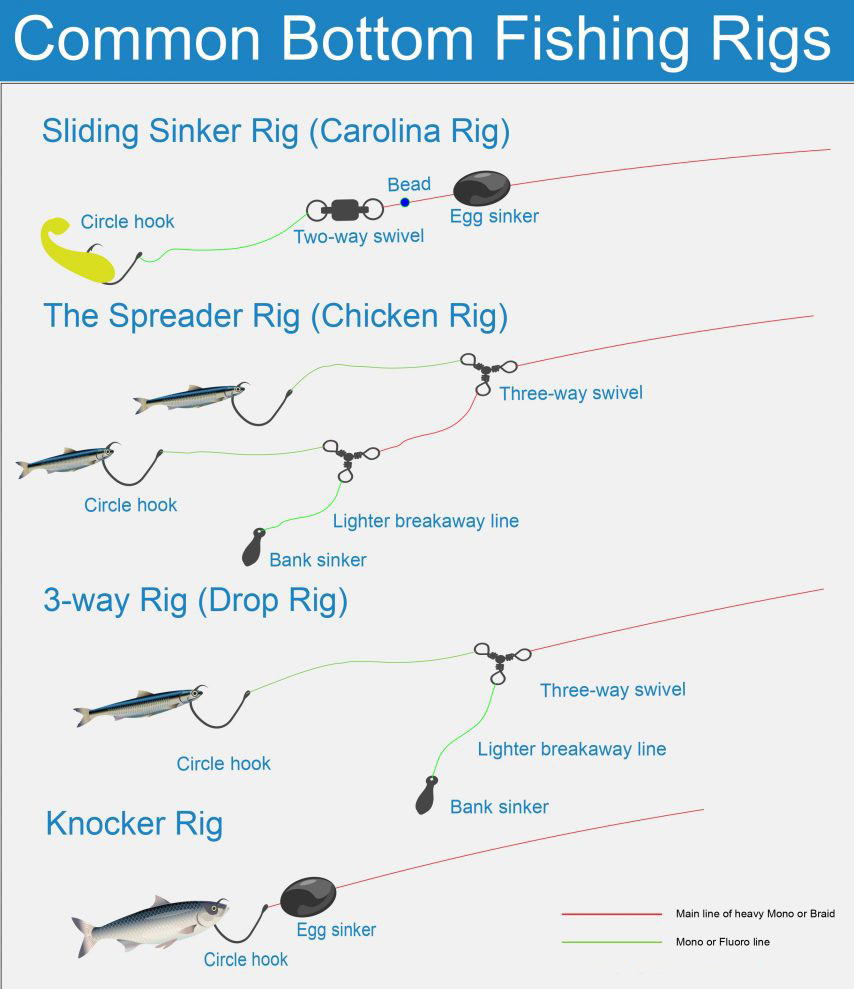
Are you ready to improve your fishing skills and catch more fish? Knowing how to rig your fishing line properly is the key to a successful day on the water.
Whether you’re a beginner or have some experience, setting up your line the right way can make all the difference. In this guide, you’ll learn simple, step-by-step techniques to rig your fishing line quickly and confidently. Keep reading, and soon you’ll feel the thrill of a strong tug on your line like never before.
Choosing The Right Line
Picking the right fishing line is key to a good fishing experience. The line affects how you cast, catch, and handle fish.
Different lines work better for certain types of fish and water. Knowing your options helps you choose the best line for your needs.
Types Of Fishing Lines
There are three main types of fishing lines: monofilament, fluorocarbon, and braided. Each type has unique features and uses.
- Monofilament:Flexible and easy to handle, good for beginners.
- Fluorocarbon:Nearly invisible underwater, great for clear water fishing.
- Braided:Very strong and thin, best for heavy cover and long casts.
Line Strength And Test
Line strength is measured by its test, which shows how much weight it can hold before breaking. You want a line strong enough for your target fish.
Choosing a line with the right test helps avoid breakage and lost fish. Lighter lines work for small fish, heavier lines for big fish.
- Light test: 2-6 pounds, for small fish.
- Medium test: 8-14 pounds, for most fish types.
- Heavy test: 20+ pounds, for large or strong fish.
Material Differences
Fishing line materials differ in stretch, visibility, and strength. These factors affect how you fish and what you catch.
Monofilament stretches more, which can absorb fish strikes. Fluorocarbon is less visible but stiffer. Braided line has no stretch and is very strong.
| Material | Stretch | Visibility | Strength |
|---|---|---|---|
| Monofilament | High | Medium | Medium |
| Fluorocarbon | Low | Low | Medium |
| Braided | None | High | High |

Credit: greatdaysoutdoors.com
Essential Rigging Tools
Rigging fishing line needs the right tools. These tools help tie knots and attach hooks securely.
Using proper tools makes fishing easier and keeps your line strong.
Basic Tackle Box Items
Your tackle box holds the basic tools for rigging fishing line. These are simple but very useful.
- Fishing line spools for different strengths
- Hooks in various sizes for different fish
- Sinkers to help your bait sink
- Bobbers to keep bait at the right depth
- Swivels to prevent line twisting
- Basic scissors or line cutters
Specialty Rigging Tools
Specialty rigging tools improve your ability to tie strong knots and handle tough lines.
| Tool | Purpose |
| Needle Nose Pliers | Grip small hooks and crimps firmly |
| Hook Eye Cleaner | Clear blocked hook eyes for easier threading |
| Knot Tying Tool | Help tie secure knots quickly |
| Line Threader | Guide line through small lure holes |
| Crimping Tool | Secure sleeves and wire leaders tightly |
Popular Rigging Techniques
Fishing line rigging is key to catching fish efficiently. Good rigging keeps your tackle strong and bait effective. This guide covers popular methods used by many anglers.
Learning these techniques helps you prepare your fishing line right. Proper rigging improves your chances on every fishing trip.
Knots That Hold
Strong knots prevent your line from slipping or breaking. Some knots work better with certain lines and hooks. Practice these knots to make your rig secure.
- Improved Clinch Knot:Easy to tie and holds well with monofilament line.
- Palomar Knot:Very strong and works great with braided lines.
- Uni Knot:Versatile and simple for many rigging needs.
- Loop Knot:Keeps bait moving naturally in water.
Attaching Hooks And Swivels
Hooks and swivels connect your bait and line. Proper attachment stops line twist and keeps bait in place. Use the right knot for each connection.
| Component | Recommended Knot | Purpose |
| Hook | Improved Clinch Knot | Strong hold on hook eye |
| Swivel | Uni Knot | Prevents line twist |
| Snap Swivel | Palomar Knot | Quick lure changes |
Setting Up Leaders
Leaders protect your main line from sharp teeth or rough surfaces. They also reduce line visibility in clear water. Choose the right material and length for your leader.
- Use fluorocarbon leaders for clear water and shy fish.
- Use wire leaders to stop toothy fish from biting through.
- Keep leaders short for better bait action and longer for extra protection.
- Attach leaders with strong knots or crimps for security.

Credit: mysterytacklebox.com
Customizing Your Setup
Rigging your fishing line is not a one-size-fits-all task. Different situations need different setups.
Customizing your line helps you catch more fish and protect your gear.
Adjusting For Target Species
Each fish species has its own size and strength. Choose a line that can handle the fish you want.
Use hooks and weights that match the species’ feeding habits and mouth size.
- Light line for small fish like trout
- Heavy line for strong fish like bass or catfish
- Use sharp hooks for fish with tough mouths
- Match bait size to the species’ preference
Adapting To Water Conditions
Water clarity and depth affect how fish see your line and bait. Adjust your rig to fit these conditions.
Use thinner, clear lines in clear water to avoid scaring fish. Use stronger lines in rough water.
- Clear water: use invisible or light-colored line
- Muddy water: use brighter or heavier line
- Deep water: use heavier line to handle pressure
- Fast currents: use heavier weights to keep bait steady
Troubleshooting Common Issues
Rigging fishing line can sometimes cause problems. These issues affect your fishing experience.
Knowing how to fix common problems helps you fish better and avoid frustration.
Avoiding Line Tangles
Line tangles happen when the line twists or loops on itself. This stops your fishing smoothly.
To avoid tangles, keep your line tight and check the reel often while casting.
- Use the right spool tension on your reel
- Keep the line straight when casting
- Check for twists before you start fishing
- Replace old or damaged line regularly
Preventing Line Breakage
Line breakage stops your catch and wastes time. It happens if the line is weak or damaged.
To prevent breaks, inspect your line for nicks and avoid sharp edges on your gear.
- Use the correct line strength for your fish
- Check for cuts or frays before each trip
- Keep your line clean and dry after use
- Replace line after heavy use or damage

Credit: mysterytacklebox.com
Maintenance And Care
Taking care of your fishing line keeps it strong and ready to use. Proper maintenance helps avoid breaks and tangles.
Regular cleaning and correct storage extend the life of your fishing line. This saves money and improves your fishing experience.
Cleaning Your Line
Salt, dirt, and debris can damage your fishing line. Clean your line after every use to keep it smooth and strong.
Use fresh water and a soft cloth or sponge to wipe the line gently. Avoid harsh chemicals that can weaken the line.
- Rinse the line with fresh water
- Wipe gently with a soft cloth
- Let the line dry completely before storing
- Check for nicks or damage during cleaning
Storage Tips For Longevity
Store your fishing line in a cool, dark place to avoid damage from sunlight and heat. Sunlight can weaken the line fibers.
Keep the line loose on the spool to prevent twists and kinks. Avoid storing the line near chemicals or sharp objects.
- Use a sealed container or plastic bag for storage
- Avoid direct sunlight and heat sources
- Keep line away from sharp edges and chemicals
- Inspect line before each use for any damage
Frequently Asked Questions
How Do I Choose The Right Fishing Line For Rigging?
Choose fishing line based on fish type, water conditions, and tackle. Monofilament suits beginners, fluorocarbon is nearly invisible, and braided line offers strength and sensitivity.
What Is The Best Knot For Rigging Fishing Line?
The improved clinch knot is popular for rigging. It’s strong, easy to tie, and secures hooks or lures firmly. Practice ensures knot reliability.
How Do I Rig A Fishing Line For Beginners?
Start by attaching the hook with a reliable knot. Add weights or bobbers as needed. Test the setup to ensure smooth casting and bait presentation.
Can I Rig Fishing Line For Different Fish Species?
Yes, adjust rig style and line strength for target species. Use lighter rigs for small fish and heavier setups for larger, stronger fish.
Conclusion
Mastering fishing line rigging enhances your fishing success. Practice makes perfect. Always choose the right line for the fish. Remember to check knots regularly. A well-rigged line ensures better catches. Keep tools handy for quick adjustments. Different techniques suit different fishing spots.
Experiment to find what works best. Enjoy the process of learning and fishing. Stay patient and persistent. Share your experiences with fellow anglers. Building skills takes time. Every trip brings new lessons. Happy fishing!