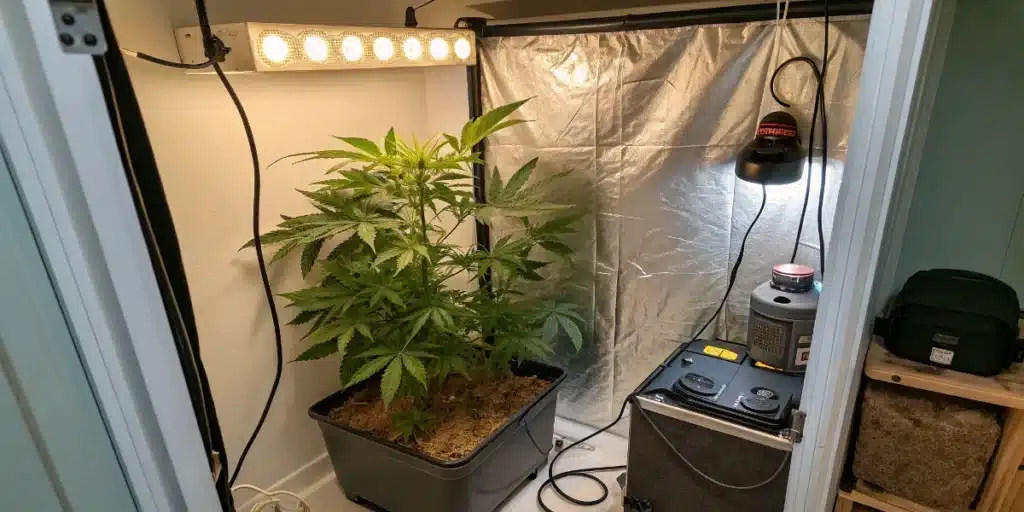
Are you ready to take control of your cannabis growing experience? Growing weed in a grow tent gives you the power to create the perfect environment for your plants, no matter where you live.
Imagine harvesting fresh, high-quality buds right from your own space. In this guide, you’ll discover simple, step-by-step tips that make growing weed in a grow tent easy and rewarding. Whether you’re a beginner or want to improve your skills, this article will help you get the best results.
Keep reading to unlock the secrets to a successful grow tent setup and watch your plants thrive like never before!
Choosing The Right Grow Tent
A grow tent is a controlled space for growing weed indoors. Picking the right tent helps plants grow healthy and strong.
Focus on size, material, and airflow to get the best results from your grow tent.
Size And Space Considerations
Choose a grow tent size based on how many plants you want. Small tents fit a few plants, large tents hold many.
Also, check the space where you will put the tent. Make sure there is room to open and work inside.
- Small tents: 2×2 feet, fit 1-2 plants
- Medium tents: 4×4 feet, fit 4-6 plants
- Large tents: 5×5 feet or bigger, fit many plants
Material Quality And Light Proofing
Good grow tents use thick fabric that blocks all light. This helps plants get the right light cycle.
Look for tents with strong zippers and sturdy frames. They last longer and keep the tent stable.
- Use heavy-duty canvas or oxford fabric
- Check for reflective inner lining for better light use
- Ensure no light leaks from seams or zippers
Ventilation And Airflow Features
Good airflow keeps plants healthy and stops mold or pests. Choose tents with many vent openings.
Vents should fit fans, filters, and carbon filters easily. This helps you control temperature and odor.
- Multiple vent holes with drawstrings to close
- Ports for exhaust and intake fans
- Mesh windows for extra airflow if needed
Selecting Quality Seeds
Choosing the right seeds is key to growing healthy cannabis plants. Good seeds give you strong plants and better yields.
Knowing the types of seeds and how to start them helps you grow better weed in your tent.
Feminized Vs Regular Seeds
Feminized seeds grow only female plants, which produce buds. Regular seeds grow male or female plants.
Female plants give you the flowers you want, while male plants can pollinate and reduce quality.
- Feminized seeds are best for growers who want all buds.
- Regular seeds are cheaper but may grow males.
- Regular seeds are good for breeding new strains.
Choosing Strains For Yield
Some strains produce more buds than others. Pick strains that fit your space and goals.
Look for strains labeled as high-yield or with good reviews on production.
- Indica strains usually grow shorter and bushier.
- Sativa strains grow taller and take longer to flower.
- Hybrid strains mix traits for balanced growth and yield.
Seed Germination Tips
Start seeds in a warm, moist place to help them sprout fast.
Handle seeds gently and keep them dark until they crack open.
- Use damp paper towels or seedling plugs for germination.
- Keep temperature around 70-80°F (21-27°C).
- Plant seeds when the root tip shows, about 1/4 inch deep.
Setting Up Lighting
Lighting is very important for growing weed in a grow tent. It helps plants grow healthy and strong.
Good lighting gives the right energy for photosynthesis. This helps plants make food and grow faster.
Types Of Grow Lights
There are different types of grow lights to use in a tent. Each has its own benefits and costs.
Common types include LED, HID, and fluorescent lights. Choose one based on your space and budget.
- LED Lights:Energy-saving and last a long time.
- HID Lights:Strong light but use more electricity.
- Fluorescent Lights:Good for seedlings and small plants.
Optimal Light Cycles
Light cycles control how long plants get light and darkness. This affects their growth stages.
Use 18 hours of light and 6 hours of dark for the vegetative stage. For flowering, switch to 12 hours of light and 12 hours of dark.
- Vegetative stage: 18 hours light, 6 hours dark
- Flowering stage: 12 hours light, 12 hours dark
Positioning For Even Coverage
Place lights so they cover the whole grow tent evenly. This helps all plants get enough light.
Keep lights at the right height. Too close can burn plants. Too far can make plants grow tall and weak.
- Hang lights above plants, about 12 to 24 inches away
- Use reflectors or reflective tent walls to spread light
- Move lights as plants grow to keep proper distance

Credit: migrolight.com
Controlling Temperature And Humidity
Growing weed in a grow tent needs careful control of temperature and humidity.
Proper conditions help plants grow strong and healthy. Watch your tent’s climate closely.
Ideal Temperature Ranges
Keep the temperature right for each growth stage. Too hot or cold can hurt your plants.
- Seedling stage: 70-77°F (21-25°C)
- Vegetative stage: 70-85°F (21-29°C)
- Flowering stage: 65-80°F (18-27°C)
Humidity Levels For Growth Stages
Humidity affects how your plants drink water and breathe. Change it as your plants grow.
| Growth Stage | Humidity Range (%) |
|---|---|
| Seedling | 65-70% |
| Vegetative | 40-70% |
| Flowering | 40-50% |
| Late Flowering | 30-40% |
Tools For Monitoring Conditions
Use tools to check your tent’s temperature and humidity. They help keep conditions stable.
- Thermometer to track heat levels
- Hygrometer to measure humidity
- Digital sensors with alerts for quick changes
- Timers and controllers to automate fans and humidifiers
Soil And Nutrients
Growing weed in a grow tent requires the right soil and nutrients. These elements help plants grow strong and produce good yields.
Choosing the right soil and feeding your plants properly are key steps. They provide the foundation for healthy growth.
Choosing The Right Soil Mix
Good soil holds water and air well. It also drains excess water to stop root problems. A light, fluffy soil mix is best for grow tents.
- Use soil with peat moss to retain moisture
- Add perlite or vermiculite for drainage and air
- Include compost for nutrients and microbes
- Avoid heavy clay soils that hold too much water
- Check pH level; ideal is between 6.0 and 7.0
Essential Nutrients And Feeding Schedule
Plants need three main nutrients: nitrogen (N), phosphorus (P), and potassium (K). These support leaves, roots, and buds.
| Growth Stage | Nitrogen (N) | Phosphorus (P) | Potassium (K) |
| Seedling | Low | Moderate | Low |
| Vegetative | High | Moderate | Moderate |
| Flowering | Low | High | High |
Feed plants with nutrients based on their growth stage. Overfeeding can harm roots and slow growth.
Organic Vs Synthetic Nutrients
Organic nutrients come from natural sources like compost and fish emulsion. They improve soil health over time.
Synthetic nutrients are made in labs. They provide exact amounts of nutrients but do not improve soil quality.
- Organic nutrients release slowly, helping plants long term
- Synthetic nutrients act fast but can build up salts
- Organic soils support beneficial microbes
- Synthetic feeding needs careful monitoring of pH and EC
- Both types work well if used correctly

Credit: blimburnseeds.com
Watering Techniques
Watering is very important for growing weed in a grow tent. Giving the right amount of water helps plants grow strong and healthy.
Using good watering techniques avoids problems like root rot or dry plants. Let’s learn how to water your plants well.
Frequency And Amount
Water your plants often but not too much. Usually, plants need water every 2 to 3 days.
The amount of water depends on the plant size and container. Use enough water to moisten the soil but not flood it.
- Check soil moisture before watering
- Water until some drains out the bottom
- Adjust watering if leaves look droopy or dry
Water Quality Considerations
Good water quality helps plants absorb nutrients. Use clean water without chemicals or heavy minerals.
Check the pH of your water. The best pH for weed plants is between 6.0 and 7.0.
- Use filtered or distilled water if possible
- Test pH regularly and adjust if needed
- Avoid water with chlorine or fluoride
Avoiding Overwatering
Too much water can harm roots and stop plant growth. Avoid overwatering by watching soil and plant signs.
Let the top inch of soil dry out before watering again. This keeps roots healthy and prevents mold or rot.
- Use pots with good drainage holes
- Lift pots to feel their weight; light means dry
- Watch for yellow or droopy leaves as warning signs
Pruning And Training Plants
Growing weed in a grow tent needs good care and attention. Pruning and training help plants grow strong and healthy. These techniques control plant shape and improve light exposure.
Using the right pruning and training methods can increase your harvest. This guide covers three key ways to train and prune your plants.
Low Stress Training (lst)
Low Stress Training bends branches gently to open the canopy. This lets light reach more parts of the plant. It also helps plants grow wider and produce more buds.
- Use soft ties to bend branches outward
- Adjust ties as plants grow to keep branches spread
- Do not break or cut branches during LST
- Start LST early when plants have 3-4 nodes
Topping And Fimming
Topping cuts off the top of the main stem. This creates two new branches and a bushier plant. Fimming is a similar technique but removes part of the new growth.
| Technique | Effect | When to Perform |
| Topping | Creates two main colas | After 4-5 nodes appear |
| Fimming | Creates multiple new shoots | After 3-4 nodes appear |
Defoliation For Better Light Penetration
Defoliation removes some leaves to let light reach lower parts. This helps buds grow bigger and reduces humidity inside the tent. Only remove older leaves and do it carefully.
- Remove large fan leaves blocking light
- Do not remove more than 30% of leaves at once
- Check plants daily after defoliation
- Stop defoliation before flowering ends

Credit: www.reddit.com
Pest And Disease Management
Growing weed in a grow tent needs careful pest and disease control. Pests and diseases can harm your plants and reduce yield.
Good management helps keep plants healthy and strong. It also protects your investment and ensures good harvests.
Common Pests In Grow Tents
Grow tents often attract pests that feed on your cannabis plants. These pests can spread quickly in enclosed spaces.
Some common pests include spider mites, aphids, and fungus gnats. Each pest causes different types of damage.
- Spider mites create tiny webs and suck plant juices.
- Aphids cluster on leaves and stems, causing yellow spots.
- Fungus gnats lay eggs in soil, and larvae eat roots.
Preventative Measures
Preventing pests and diseases is better than treating them. Cleanliness and careful monitoring protect your plants.
Keep your grow tent clean and avoid introducing pests. Check plants often for early signs of trouble.
- Use sterile soil and clean pots to reduce pests.
- Remove dead leaves and plant waste promptly.
- Keep humidity and temperature in the right range.
- Quarantine new plants before adding them to the tent.
- Use sticky traps to catch flying pests early.
Safe Treatment Options
Use safe treatments to remove pests without harming plants or people. Organic options work well inside grow tents.
Choose treatments that target pests but are gentle on your cannabis. Avoid harsh chemicals that can damage plants.
- Neem oil sprays help control spider mites and aphids.
- Insecticidal soap kills soft-bodied insects without residue.
- Beneficial insects like ladybugs eat harmful pests.
- Sticky traps reduce flying pest populations.
- Use hydrogen peroxide diluted in water to kill fungus gnats.
Harvesting At Peak
Growing weed in a grow tent requires attention to detail. Harvesting at the right time is key to getting the best quality.
Knowing when to harvest ensures strong effects and good flavor. This guide covers signs of maturity, harvesting tips, and drying methods.
Signs Of Maturity
Watch your plants closely as they near harvest time. The right signs tell you when buds are ready.
- Trichomes change from clear to milky or amber color
- Pistils turn from white to dark orange or brown
- Buds swell and look dense
- Leaves may start yellowing near the end
Harvesting Techniques
Use clean, sharp scissors or pruning shears to cut your plants. Handle buds gently to avoid damage.
- Cut branches one at a time
- Trim away large fan leaves
- Remove small sugar leaves close to buds
- Place trimmed buds on drying racks or hang them upside down
Drying And Curing Tips
Proper drying and curing protect the flavor and potency of your harvest. Keep the environment controlled.
| Drying Conditions | Curing Conditions |
| Dark room | Glass jars with air holes |
| Temperature: 60-70°F (15-21°C) | Temperature: 60-70°F (15-21°C) |
| Humidity: 45-55% | Humidity: 60-65% |
| Dry for 7-10 days | Open jars daily for 10-14 days |
Maximizing Yield Tips
Growing weed in a grow tent lets you control the environment. This helps plants grow bigger and produce more buds. Using the right methods can increase your harvest size.
Focus on the key factors that affect growth. These include light cycles, air quality, and plant health. Each plays a role in how much weed you can grow.
Optimizing Growth Cycles
Adjusting light schedules guides plant growth stages. Use longer light periods for growth and shorter ones to start flowering. This helps plants use energy well.
- Keep 18 hours of light and 6 hours of dark for vegetative growth.
- Switch to 12 hours light and 12 hours dark to trigger flowering.
- Maintain stable light times to avoid stress on plants.
- Use timers to control light cycles precisely.
- Check bulbs regularly to ensure full brightness.
Using Co2 Enrichment
Adding CO2 to your grow tent can boost plant growth. Plants use CO2 during photosynthesis to produce energy. Higher CO2 levels help plants grow faster and yield more.
| CO2 Level (ppm) | Effect on Growth |
| 400 (normal air) | Standard growth |
| 800-1000 | Improved growth rate and yield |
| Above 1200 | Risk of plant damage |
Keep CO2 levels between 800 and 1000 ppm during light hours. Avoid high CO2 levels when lights are off. Use a CO2 controller to keep levels steady.
Maintaining Plant Health
Healthy plants produce better yields. Watch for pests and diseases. Keep leaves clean and roots strong. Good care helps plants grow large buds.
Tips for Healthy Plants
- Water plants properly, avoid overwatering.
- Use balanced nutrients for each growth stage.
- Keep temperature between 70-85°F (21-29°C).
- Maintain humidity at 40-60%.
- Check plants daily for signs of stress or pests.
Frequently Asked Questions
How Do I Set Up A Grow Tent For Weed?
Choose a suitable space and size. Install proper lighting, ventilation, and reflective walls. Maintain temperature and humidity for healthy growth.
What Lighting Is Best For Growing Weed Indoors?
Use LED or HPS grow lights. LEDs are energy-efficient and emit less heat. Keep lights 12-18 inches above plants for optimal growth.
How Often Should I Water Weed Plants In A Grow Tent?
Water when the top inch of soil feels dry. Avoid overwatering to prevent root rot. Typically, water plants every 2-3 days.
What Nutrients Are Essential For Growing Weed Indoors?
Use nitrogen, phosphorus, and potassium-rich fertilizers. Add micronutrients like calcium and magnesium. Follow feeding schedules to avoid nutrient burn.
Conclusion
Growing weed in a grow tent is simple and rewarding. This process requires patience, care, and knowledge. Start with quality seeds for the best results. Ensure your tent has the right light and ventilation. Monitor temperature and humidity closely. Water and feed your plants regularly.
Remember, every plant is unique. So, observe and adjust as needed. Happy growing! Enjoy the process and learn from each experience. With practice, you’ll improve. Your hard work will pay off with a successful harvest. Good luck and keep growing!