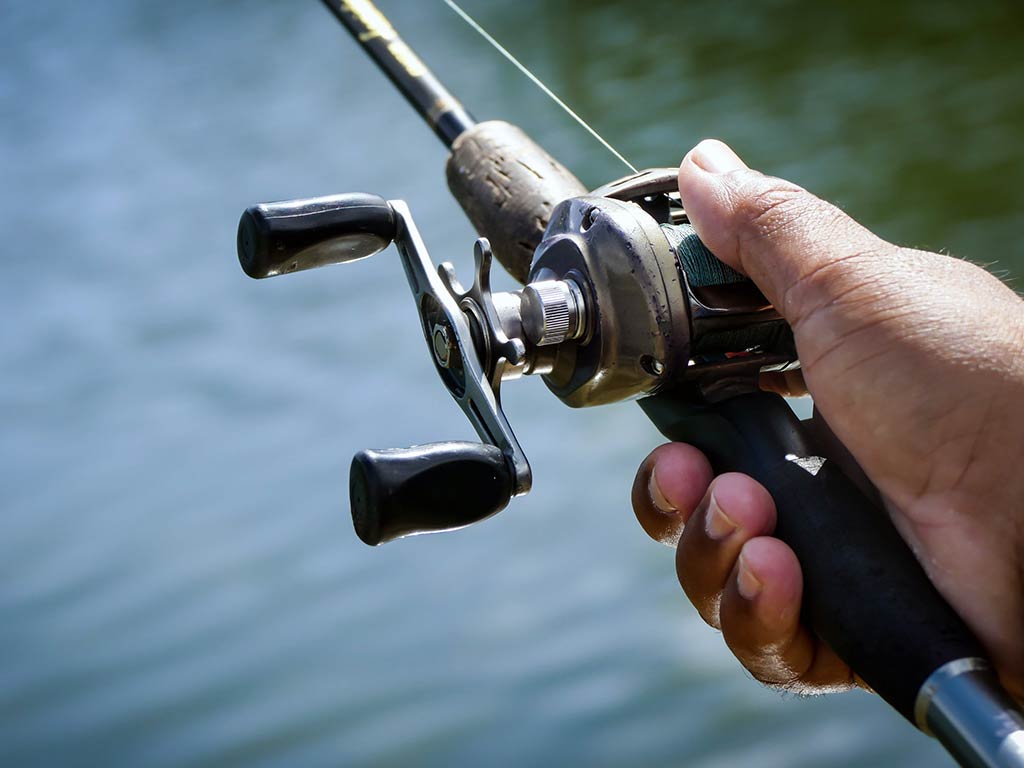
If you’ve ever wanted to enjoy the thrill of fishing but didn’t know where to start, learning how to use a fish rod is the perfect first step. Imagine the calm of the water, the tug on your line, and the excitement of reeling in your catch.
This guide will walk you through everything you need to know to feel confident and ready. By the end, you’ll have simple, clear steps to make your fishing experience enjoyable and successful. Ready to get your hands on that rod and start fishing like a pro?
Let’s dive in!

Credit: fishingbooker.com
Choosing The Right Rod
Choosing the right fishing rod is important for a good fishing experience. The rod you pick affects how well you can cast, control, and catch fish.
Different rods work best for different types of fishing. Knowing what to look for helps you pick the best rod for your needs.
Types Of Fishing Rods
Fishing rods come in many types. Each type suits a certain fishing style or environment.
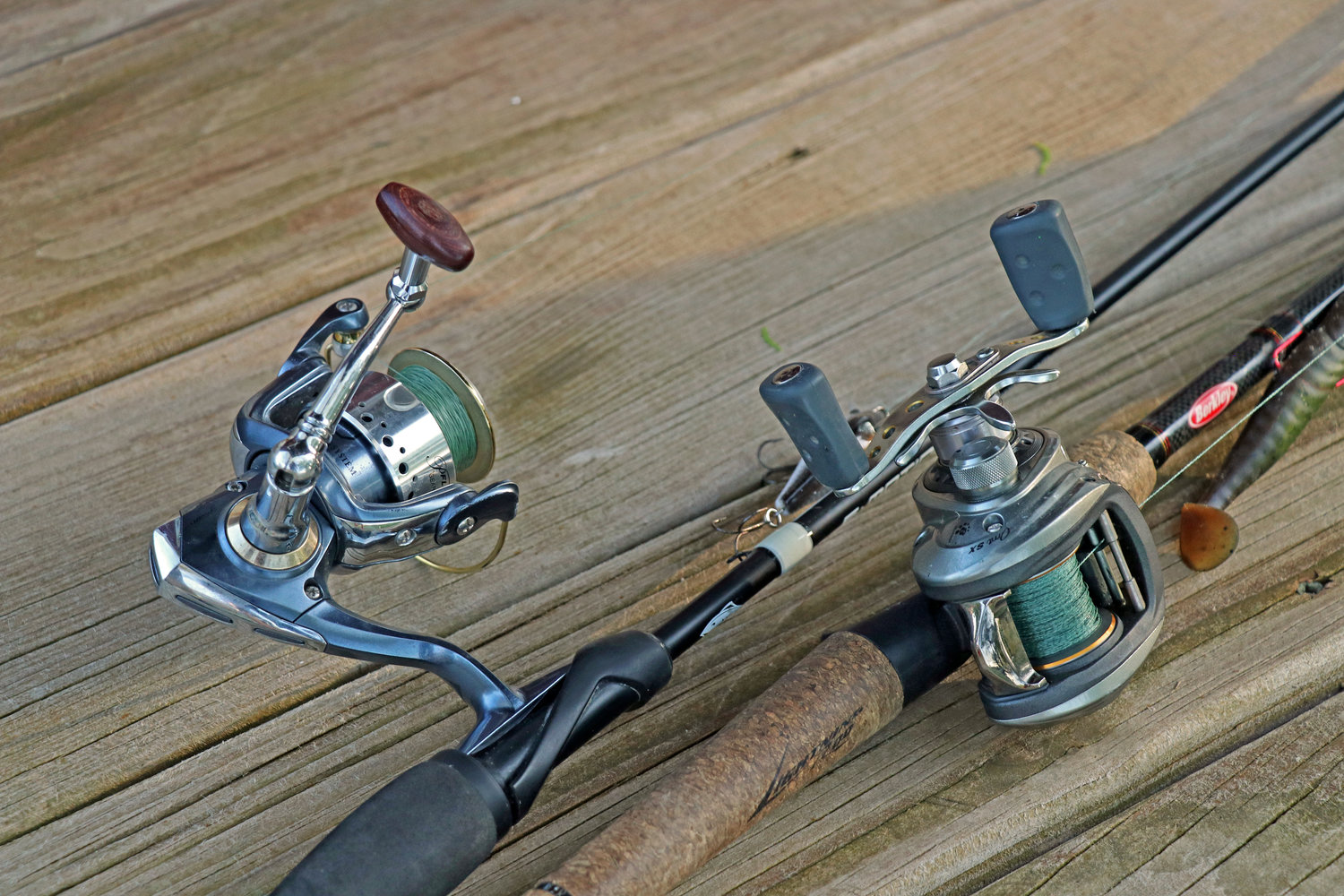
Common types include spinning rods, baitcasting rods, and fly rods. Spinning rods are easy to use and good for beginners. Baitcasting rods offer more control for experienced anglers. Fly rods are made for fly fishing using light lures.
- Spinning rods: versatile and beginner-friendly
- Baitcasting rods: precise and good for heavy lures
- Fly rods: designed for fly fishing with light lines
- Trolling rods: used for fishing from boats at slow speeds
- Ice fishing rods: short and strong for cold weather fishing
Matching Rod To Fish Species
Choose a rod that fits the size of the fish you want to catch. Small fish need lighter rods. Bigger fish need stronger rods.
Using the right rod helps you catch fish without breaking the line or losing the fish. Match the rod power to the fish size and strength.
- Light rods for small fish like trout or panfish
- Medium rods for bass or walleye
- Heavy rods for large fish like catfish or pike
Material And Length Considerations
Fishing rods are made from different materials. Common materials include graphite, fiberglass, and composite blends.
Graphite rods are light and sensitive. Fiberglass rods are durable and flexible. Composite rods offer a mix of both qualities.
Rod length affects casting distance and control. Longer rods cast farther but can be harder to control. Short rods give better control but shorter casts.
- Graphite: light, sensitive, good for finesse fishing
- Fiberglass: strong, durable, good for heavy use
- Composite: balanced, versatile for many fishing types
- Short rods (5-6 feet): better control, good for close fishing
- Medium rods (6-7 feet): good balance of distance and control
- Long rods (7+ feet): better casting distance, less control

Credit: anglersresource.net
Setting Up Your Rod
Setting up your fishing rod correctly helps you catch fish easily. It makes your fishing experience better and safer.
This guide explains how to attach the reel, thread the line, and choose the right line and hook for your rod.
Attaching The Reel
Start by placing the reel on the rod’s reel seat. The reel seat is near the handle and holds the reel tightly.
Turn the reel seat rings to secure the reel. Make sure it is tight so the reel does not move while fishing.
Threading The Line
Pull the fishing line from the reel. Guide the line through each guide ring on the rod, starting near the handle.
Pass the line through all the rings until it reaches the tip of the rod. This helps the line flow smoothly when casting.
Selecting The Right Line And Hook
Choose a fishing line that fits the fish you want to catch. Thicker lines hold bigger fish but are harder to cast.
Select a hook size that matches your bait and fish. Small hooks work for small fish, large hooks for big fish.
- Light line (2-6 lb) for small fish like trout or panfish
- Medium line (8-12 lb) for bass or walleye
- Heavy line (15+ lb) for large fish like catfish or pike
- Small hooks (size 10-14) for small bait and fish
- Medium hooks (size 6-8) for general fishing
- Large hooks (size 1-4) for big bait and fish
Mastering Casting Techniques
Using a fish rod well means learning how to cast properly. Casting helps you place your bait where the fish are.
Good casting saves energy and improves your chances to catch fish. Let’s look at three important casting styles.
Basic Overhead Cast
The overhead cast is the most common way to cast. It sends your bait far and straight.
Start with the rod tip low. Pull the rod back over your shoulder. Then, quickly bring it forward and release the line.
- Hold the rod firmly but relaxed
- Look where you want to cast
- Release the line at the right moment
- Practice to control distance and accuracy
Sidearm Cast Tips
The sidearm cast is good for windy days or low branches. It sends the bait at a low angle.
Keep the rod close to horizontal. Swing the rod sideways and release the line smoothly. This helps avoid obstacles above.
- Use a smooth, controlled motion
- Keep your wrist firm but flexible
- Practice to improve your aim
Roll Cast For Tight Spots
The roll cast works well in tight spaces like near trees or bushes. It does not need much space behind you.
Start with the line straight on the water. Lift the rod slowly, then push it forward. The line will roll out smoothly.
- Keep your line tight on the water
- Move the rod smoothly forward
- Release the line as the rod moves forward
Credit: www.texaskayakfisher.com
Improving Casting Accuracy
Casting accuracy is important for better fishing results. It helps you place the bait exactly where the fish are. Using your fish rod well can improve your aim and catch rate.
This guide explains ways to improve casting by focusing on target selection, line tension, and adjusting for wind and distance.
Target Selection
Choosing the right target spot in the water is key. Look for places where fish usually gather like near plants, rocks, or shaded areas. Aim your cast to these spots for better chances.
- Observe water surface for fish activity
- Aim near structures like logs or weed beds
- Pick spots with less water movement for calm casting
- Avoid casting too close to yourself to prevent tangles
Controlling Line Tension
Keeping the right tension on your fishing line helps control the cast and bait drop. Too loose or too tight line can cause poor accuracy or tangles.
| Line Tension | Effect on Cast |
| Too Loose | Line may tangle or slacken |
| Optimal | Smooth casting and bait placement |
| Too Tight | Hard to control, may snap |
Adjusting For Wind And Distance
Wind and distance change how your cast lands. Adjust your rod angle and power based on conditions to keep your cast on target.
- Cast lower and stronger with strong wind
- Use a higher arc for longer distance casts
- Practice shorter casts in calm weather to build skill
- Watch the wind direction before casting
Handling Common Casting Problems
Casting can be tricky for new fishers. Small problems can stop you from catching fish.
Learn how to handle common issues to enjoy fishing more and catch better.
Preventing Line Tangles
Line tangles happen when the fishing line twists or loops around itself. This can ruin your cast.
To prevent tangles, keep your line tight and avoid overfilling the reel spool.
- Check your reel for twists before casting
- Use the right line weight for your rod
- Keep the line straight while casting
- Do not let the line slack during retrieval
Dealing With Snags
Snags happen when your line catches on rocks, weeds, or debris. This stops your lure from moving freely.
Try to pull gently and avoid jerking the rod. You might free the line without breaking it.
- Lift the rod tip slowly to loosen the snag
- Try to change the angle of pull
- Let the line slack and try again
- Cut the line if it is stuck badly
Fixing Backlash Issues
Backlash happens when the spool spins too fast and the line loops around itself. This creates a mess called a bird’s nest.
To fix backlash, stop the spool from spinning too fast and rewind the line carefully.
- Use your thumb to control spool speed during casting
- Adjust your reel’s brake settings for better control
- Practice smooth and steady casting motions
- Untangle loops gently with your fingers
Maintenance For Longevity
Taking care of your fish rod helps it last longer and work better. Simple maintenance keeps it safe from damage and wear.
Clean your rod regularly, check for problems, and store it correctly. These steps protect your investment and improve fishing trips.
Cleaning Your Rod
Clean your rod after every use. Salt, dirt, and grime can harm the rod’s finish and parts.
- Rinse the rod with fresh water to remove salt and dirt.
- Use a soft cloth to wipe the rod dry.
- Clean the guides and reel seat carefully.
- Apply light oil to metal parts to stop rust.
Inspecting For Damage
Look over your rod often to find any damage early. Fix small problems before they grow.
| Part | What to Check | Action if Damaged |
| Rod Blank | Cracks or chips | Stop using and get repaired |
| Guides | Bent rings or missing inserts | Replace or repair guides |
| Reel Seat | Loose or cracked | Tighten or replace seat |
| Handle | Wear or cracks | Clean or replace grip |
Proper Storage Tips
Store your rod in a safe place to keep it straight and dry. Avoid places with high heat or humidity.
- Use a rod rack or holder to keep rods upright and separated.
- Keep rods away from direct sunlight to avoid damage.
- Remove the reel if storing for a long time.
- Loosen the drag on your reel to protect it.
- Cover your rod with a cloth sleeve or case.
Frequently Asked Questions
How Do I Choose The Right Fish Rod?
Choosing the right fish rod depends on the fish type and fishing style. Consider rod length, power, and action for best results. Lighter rods suit small fish, while heavier rods handle bigger catches. Match your rod with the reel and fishing environment for optimal performance.
What Is The Correct Way To Hold A Fish Rod?
Hold the fish rod with your dominant hand near the reel. Support the rod with your other hand below the reel. Keep a firm but relaxed grip to maintain control. This grip helps you cast smoothly and handle fish effectively.
How Do I Cast A Fish Rod Properly?
To cast properly, hold the rod at a 45-degree angle. Release the line smoothly while flicking the rod tip forward. Practice timing to avoid tangles and increase distance. Always ensure the area behind you is clear for safety.
When Should I Replace My Fish Rod Line?
Replace your fish rod line every few months or after heavy use. Signs include fraying, discoloration, or loss of strength. Fresh line improves casting distance and reduces breakage risk. Regular replacement ensures better fishing performance and durability.
Conclusion
Using a fish rod can be fun and rewarding. Start with the basics. Hold the rod firmly. Practice casting in open areas. Be patient; fish might take time to bite. Always check local fishing rules. Clean and store your rod properly after use.
This keeps it in good shape for future trips. Invite friends or family to join you. Fishing can be a great bonding activity. Remember, practice makes perfect. Each trip brings new learning experiences. Enjoy your time by the water. And don’t forget to share your catch stories!