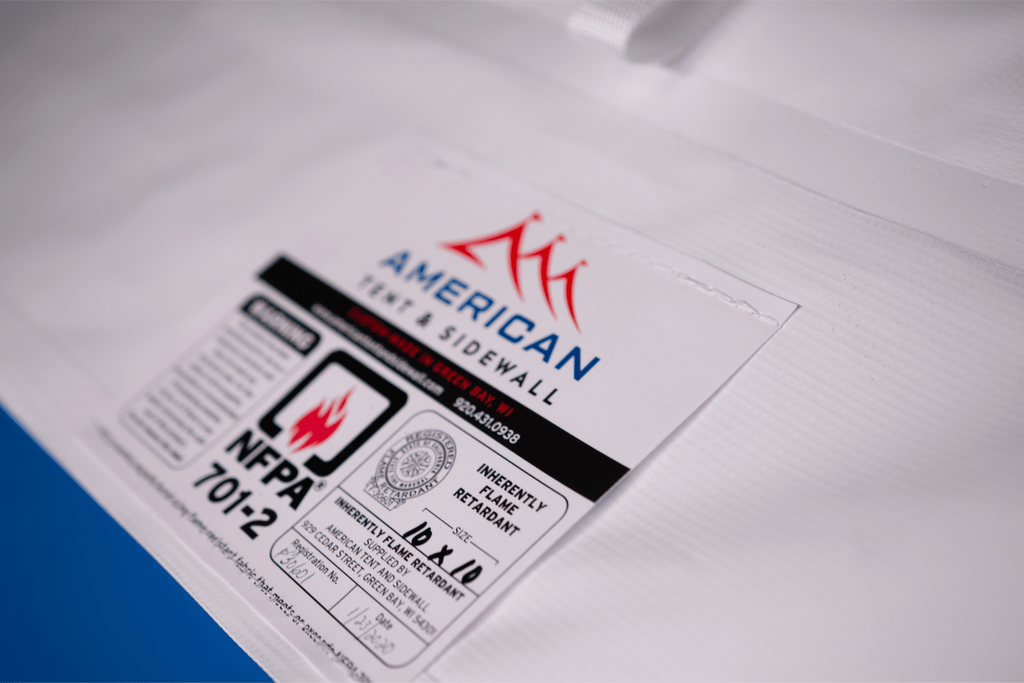
When you’re choosing a tent, knowing what it’s made of can make all the difference. The right material affects how your tent handles rain, wind, and even how comfortable you’ll be inside.
You want something strong but light, waterproof but breathable. Curious about what goes into making a tent that keeps you safe and dry? Keep reading to discover the key materials used in tents and how they impact your outdoor experience.
Understanding this will help you pick the perfect tent for your next adventure.

Credit: www.lifeintents.com
Common Tent Fabrics
Tents are made from different fabrics to suit many needs. The fabric affects the tent’s weight, durability, and weather resistance.
Four common fabrics are cotton canvas, nylon, polyester, and polyurethane-coated fabrics. Each has unique features for camping.
Cotton Canvas
Cotton canvas is a traditional tent fabric. It is thick, strong, and breathable. This fabric helps keep the tent cool in hot weather.
Cotton canvas tents weigh more and take longer to dry. They work well for long camping trips where weight is not a concern.
Nylon
Nylon is a lightweight and strong fabric. It dries quickly and is easy to pack. Nylon tents are popular for backpackers.
- Lightweight and easy to carry
- Strong and tear-resistant
- Water-resistant but needs coating
- Can degrade in sunlight over time
Polyester
Polyester tents resist stretching and shrinking. This fabric holds color well and lasts longer in sunlight than nylon.
Polyester is often used for family tents and casual camping. It offers good water resistance and durability.
Polyurethane-coated Fabrics
Polyurethane (PU) coating adds waterproofing to tent fabrics. It is applied to nylon or polyester to keep water out.
| Feature | Description |
| Waterproof | Blocks rain and moisture |
| Durability | Protects fabric from wear |
| Weight | Adds some weight to the fabric |
| Cost | Increases price slightly |
Durability Factors
Tents must be strong to protect people from weather. The materials used affect how long a tent lasts.
Durability depends on many factors like tear resistance, waterproofing, UV protection, and breathability.
Tear Resistance
Tear resistance means the material does not rip easily. Strong fabrics help tents stay intact during use.
Materials like ripstop nylon or polyester have special weaves that stop small tears from spreading.
- Ripstop nylon has thick threads every few inches
- Polyester resists stretching and tearing
- Stronger seams add to tear resistance
Waterproofing
Waterproofing stops water from soaking through the tent fabric. This keeps people dry inside.
Coatings like polyurethane or silicone are added to fabrics. They form a barrier against rain and moisture.
- Polyurethane is common and cost-effective
- Silicone adds flexibility and strength
- Sealed seams prevent water leaks
Uv Protection
UV protection stops sunlight from damaging the tent fabric. Sun rays can weaken materials over time.
Fabrics with UV inhibitors last longer outdoors. They keep colors from fading and prevent material breakdown.
- UV coatings block harmful rays
- Polyester resists UV damage better than nylon
- UV protection keeps tent strong for many seasons
Breathability
Breathability lets air move through the tent fabric. This reduces inside moisture and condensation.
Good tents balance waterproofing with breathability. This keeps campers comfortable and dry.
- Mesh panels improve airflow
- Breathable fabrics prevent dampness
- Proper ventilation helps avoid mold
Fabric Weaves And Coatings
Tents are made from strong fabrics that keep you safe and dry. The fabric weave and coating help protect against weather and wear.
Different weaves and coatings add strength, water resistance, and durability to tent fabrics. These features make tents last longer outdoors.
Ripstop Weave
Ripstop weave uses thick threads in a crosshatch pattern. This stops small tears from getting bigger.
This weave makes the fabric strong and tear-resistant. It is lightweight and often used in camping tents.
- Prevents fabric from ripping easily
- Keeps tents durable in rough conditions
- Lightweight for easy carrying
Silicone Coating
Silicone coating adds water resistance and flexibility to tent fabric. It helps the fabric stay strong and dry.
This coating also protects against UV rays and makes the fabric last longer. It is smooth and lightweight.
- Waterproof and flexible
- Protects from sun damage
- Light and smooth surface
Polyurethane Coating
Polyurethane coating makes fabric waterproof and strong. It is often used on tent floors and rain flies.
This coating resists water well but can be heavier than silicone. It also protects the fabric from wear.
- Waterproof and durable
- Good for tent floors
- Heavier than silicone coating
Polyvinyl Chloride (pvc) Coating
PVC coating is thick and very strong. It makes tent fabric waterproof and easy to clean.
This coating adds weight but protects tents from harsh weather. It is common in heavy-duty tents.
- Very strong and waterproof
- Easy to clean surface
- Heavier than other coatings
Lightweight Vs Heavy-duty Fabrics
Tents come in many materials. Each fabric suits different needs. Lightweight fabrics are easy to carry. Heavy-duty fabrics offer more strength and durability.
Choosing the right fabric depends on your camping style. Backpackers want light weight. Families and explorers need tough fabrics for rough use.
Backpacking Tent Materials
Backpacking tents use light fabrics to reduce pack weight. Nylon and polyester are common. They are thin but strong enough for fair weather. Waterproof coatings keep campers dry.
- Ripstop nylon for tear resistance
- Polyester for UV resistance
- Silicone or polyurethane coatings for waterproofing
Expedition And Mountaineering Fabrics
These tents use heavy-duty fabrics. They must resist wind, snow, and cold. Canvas and thick nylon blends are popular. Fabrics often have extra coatings to fight water and ice.
| Fabric Type | Strength | Water Resistance | Weight |
| Heavy Nylon Blend | High | High | Heavy |
| Canvas | Very High | Moderate | Very Heavy |
| Ripstop Polyester | High | High | Medium |
Family Tent Fabrics
Family tents balance weight and durability. Polyester is common for its UV and water resistance. Thicker fabrics protect against wear and rough ground.
Family tents often include features like:
- Double-layered fabric for extra protection
- Strong mesh for ventilation and bug protection
- Waterproof coatings that last through many seasons
Eco-friendly Tent Materials
Tents are made with different materials to protect people from weather. Eco-friendly tents use materials that help the environment.
These materials reduce waste and use less energy. They also break down safely after use.
Recycled Fabrics
Recycled fabrics come from reused plastic bottles or old fabrics. They save resources and stop plastic from polluting nature.
These fabrics are strong and water-resistant. They work well for tents that last a long time.
- Made from recycled plastic bottles (PET)
- Use less water and energy to produce
- Reduce plastic waste in oceans and landfills
- Durable and light for easy camping
Biodegradable Options
Biodegradable tent materials break down naturally in the environment. They do not leave harmful waste behind.
These options use natural fibers like cotton or hemp. They are less common but good for short-term tents.
- Natural fibers like cotton, hemp, and bamboo
- Break down safely in soil or water
- Less harmful to wildlife and plants
- May need special care to last longer

Credit: www.letsgoaero.com
Maintenance And Care Tips
Tents are made from special fabrics that need good care. Taking care of your tent helps it last longer and stay strong.
Follow simple tips to clean, store, and fix your tent. This keeps it ready for your next outdoor trip.
Cleaning Fabrics
Cleaning your tent fabric gently keeps it safe. Use cold water and a soft brush. Avoid harsh soaps or bleach. Let the tent dry fully before packing.
- Shake out dirt and debris before cleaning
- Use mild soap mixed with water
- Spot clean stains carefully
- Rinse well to remove all soap
- Dry the tent in shade, not direct sunlight
Storage Recommendations
Store your tent in a dry, cool place to avoid damage. Keep it loose in a large bag, not tightly packed. Moisture causes mold and weak fabric.
| Storage Tip | Reason |
| Dry tent completely | Prevents mold and mildew |
| Keep in a breathable bag | Allows air circulation |
| Store away from sunlight | Protects fabric from UV damage |
| Do not store compressed | Keeps fabric fibers intact |
Repairing Tears And Holes
Fix tears quickly to stop them from growing. Use a patch kit made for tent fabrics. Clean and dry the area before applying the patch.
- Trim loose threads around the tear
- Apply adhesive or sew patch carefully
- Press patch firmly and let it dry
- Check repair before next use
Credit: americantent.com
Frequently Asked Questions
What Are Tents Commonly Made From?
Tents are commonly made from polyester, nylon, or canvas. These materials are lightweight, durable, and water-resistant, ensuring protection and comfort during camping.
Why Is Polyester Popular For Tent Fabric?
Polyester is popular because it resists UV damage and dries quickly. It is strong, lightweight, and maintains shape well in various weather conditions.
How Does Nylon Fabric Benefit Tents?
Nylon is lightweight, flexible, and strong. It offers excellent water resistance when coated, making it ideal for backpacking tents and wet environments.
What Makes Canvas Tents Durable?
Canvas is thick, breathable, and highly durable. It provides excellent insulation and breathability but is heavier and requires more maintenance than synthetic fabrics.
Conclusion
Choosing the right tent material is crucial. It impacts durability and comfort. Nylon and polyester are common options. Both are lightweight and water-resistant. Canvas offers more insulation and strength. But it’s heavier. Each material suits different needs and climates. Consider your environment before deciding.
A tent’s material can affect your camping experience. Ensure it aligns with your priorities. This knowledge helps in making informed decisions. Enjoy a comfortable camping trip with the right tent material. Happy camping!