Planning a hiking trip can be exciting, but packing for it? That’s where many people get stuck.
What should you bring to stay safe, comfortable, and ready for anything? Packing too much means carrying extra weight, but packing too little could leave you unprepared. You want to find that perfect balance. This guide will help you pack smart, so your hiking adventure feels smooth and stress-free from start to finish.
Keep reading to discover exactly what you need to bring on your next hike.
Clothing Basics
Packing the right clothes makes your hiking trip more comfortable. Choose items that fit the weather and keep you dry and warm.
Good clothing helps protect you from cold, heat, and rain. It also allows you to move easily on the trail.
Layering For Comfort
Wearing layers lets you adjust your clothing as the temperature changes. Start with a base layer that moves sweat away from your skin.
- Base layer: lightweight and moisture-wicking
- Middle layer: warm insulation like fleece or wool
- Outer layer: waterproof and windproof shell
Weather-appropriate Gear
Check the weather forecast before your trip. Pack clothes that suit the expected conditions to stay safe and dry.
| Weather | Recommended Clothing |
| Hot and sunny | Lightweight shirt, sun hat, sunglasses |
| Cold and dry | Thermal base layer, insulated jacket, gloves |
| Rainy | Waterproof jacket, rain pants, quick-dry clothes |
Footwear Choices
Your shoes must support your feet and handle rough paths. Pick hiking boots or trail shoes that fit well and protect your ankles.
Consider these points for footwear:
- Choose shoes with good grip for slippery trails.
- Break in new boots before your trip.
- Wear moisture-wicking socks to prevent blisters.
- Bring extra socks to change during your hike.
Navigation Tools
Good navigation tools keep you safe on your hiking trip. They help you find your way and avoid getting lost.
Carrying the right tools makes your hike easier and more fun. Know what to bring before you start.
Maps And Compass
Maps show trails, landmarks, and terrain. A compass helps you find directions using the map.
Always carry a paper map and a compass. Learn how to read them before your hike.
- Choose a map with clear trail lines
- Check the map scale for distance
- Use a compass with a rotating bezel
- Practice orienting the map with the compass
Gps Devices
GPS devices use satellites to show your exact location. They are easy to use and very accurate.
Bring a fully charged GPS device on your hike. It helps track your path and find waypoints.
- Look for GPS with long battery life
- Use devices with offline maps
- Save important waypoints before you start
- Carry extra batteries or a power bank
Trail Apps
Trail apps run on smartphones and show maps and routes. They can record your hike and share data.
Download apps and maps before you go. Use apps with offline mode to save phone battery.
- Choose apps with detailed trail info
- Check user reviews for accuracy
- Use apps that show elevation and distance
- Carry a portable charger for your phone
Shelter And Sleep
Good shelter and sleep gear keep you safe and comfortable on a hiking trip. They protect you from weather and help you rest well.
Choosing the right shelter and sleep items depends on the trip length, weather, and weight limits. It is important to pack smart.
Tents And Tarps
Tents give you full protection from rain, wind, and bugs. They come in many sizes and weights. Pick one that fits your needs.
Tarps are lighter and smaller. They offer less protection but work well in dry weather. You can use a tarp with a groundsheet.
- Tents protect against insects and cold
- Tarps are lightweight and easy to pack
- Both need stakes and ropes to secure
- Choose waterproof materials for rain
Sleeping Bags And Pads
Sleeping bags keep you warm at night. Pick one with a temperature rating that matches your trip’s climate.
Sleeping pads add comfort and insulation from cold ground. They help you sleep better and protect your bag from moisture.
- Choose a sleeping bag size that fits you well
- Down bags are light but cost more
- Synthetic bags work better in wet weather
- Inflatable or foam pads add cushioning
Emergency Shelter Options
Emergency shelters are small and light. They help if your main shelter fails or you get lost.
Common emergency shelters include space blankets and bivy sacks. They keep heat in and protect from wind.
- Space blankets reflect body heat
- Bivy sacks cover your sleeping bag
- Carry emergency shelters for safety
- Use them only in urgent situations
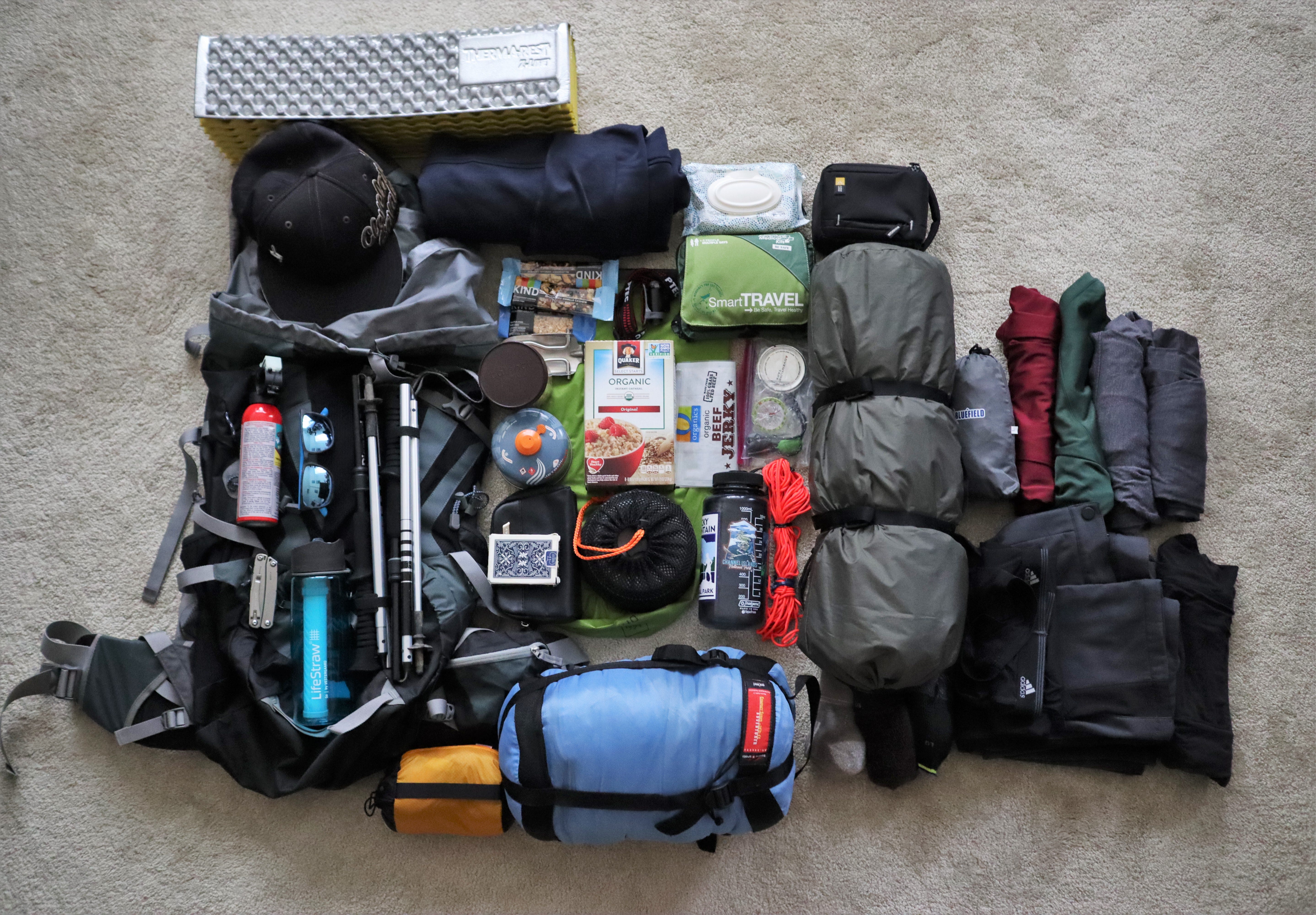
Credit: pangolinswithpacks.com
Food And Hydration
Packing the right food and water is key for a safe hiking trip. Good planning helps keep your energy high and your body hydrated.
Focus on foods that are light, nutritious, and easy to prepare. Also, know how to find and clean water on the trail.
Meal Planning
Choose meals that offer energy and are easy to carry. Think about breakfast, lunch, dinner, and snacks.
- Pack lightweight foods like nuts, dried fruits, and energy bars.
- Include easy-to-cook meals such as instant oatmeal or dehydrated soups.
- Bring extra snacks to keep your energy steady throughout the day.
- Plan for quick meals that need little or no cooking on short hikes.
Water Sources And Filters
Water is essential for hydration. Know where to find water and how to make it safe for drinking.
| Water Source | Use | Notes |
| Streams and Rivers | Filter or boil | Check water flow and clarity |
| Lakes and Ponds | Filter, boil, or use tablets | Avoid stagnant water when possible |
| Snow and Ice | Melt before use | Carry a stove or lighter for melting |
| Springs | Usually clean, but still filter | Best natural source if available |
Hydration Systems
Pick a hydration system that fits your hike length and style. Carry enough water and refill often.
- Water bottles: Simple and easy to fill.
- Hydration bladders: Drink through a tube without stopping.
- Collapsible bottles: Save space when empty.
- Filters and purifiers: Clean water from natural sources.
Safety And First Aid
Safety is the top priority on any hiking trip. Carrying first aid and safety tools helps you handle injuries and emergencies.
Knowing what to pack for safety makes your hike more enjoyable and less risky. Prepare for common accidents and unexpected events.
First Aid Kit Essentials
A good first aid kit treats cuts, scrapes, burns, and insect bites. It helps you manage small injuries on the trail.
Include items that cover different needs and are easy to use. Check your kit before every trip.
- Adhesive bandages in various sizes
- Sterile gauze pads and adhesive tape
- Antiseptic wipes and antibiotic ointment
- Tweezers for splinter removal
- Pain relievers like ibuprofen or acetaminophen
- Elastic bandage for sprains
- Allergy medication or antihistamines
- Disposable gloves for hygiene
- Burn cream or aloe vera gel
- Scissors and safety pins
Emergency Signaling
Emergency signaling tools help rescuers find you if you get lost. They are small but very important to carry.
Choose items that work in different situations and are easy to use, even when tired or scared.
- Whistle with a loud, clear sound
- Bright-colored signal mirror
- Flashlight or headlamp with extra batteries
- Glow sticks or LED flares
- Personal locator beacon (PLB) or GPS device
Wildlife Precautions
Wildlife can be dangerous if surprised or provoked. Take steps to avoid encounters and protect yourself.
Learn about animals in your hiking area. Carry items that help keep wildlife away and keep food safe.
- Store food in sealed containers or bear-proof canisters
- Make noise while hiking to avoid startling animals
- Carry bear spray where bears live
- Know how to react if you meet wildlife
- Avoid hiking at dawn or dusk when animals are active
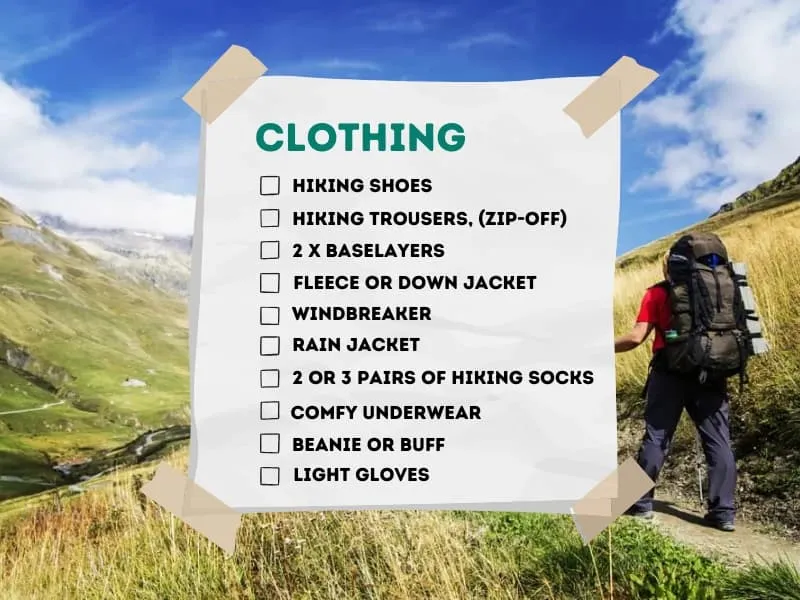
Credit: bookatrekking.com
Tools And Accessories
Packing the right tools and accessories makes hiking safer and easier. These items help you handle emergencies and improve your outdoor experience.
Focus on lightweight, durable gear that fits your trip length and conditions. Let’s look at essential tools and accessories to bring.
Multi-tools And Knives
Multi-tools and knives serve many purposes. They help with food prep, gear repair, and first aid. Choose tools with sturdy blades and useful attachments.
- Compact size for easy carrying
- Locking blades for safety
- Includes pliers, scissors, and screwdrivers
- Rust-resistant materials
Fire Starting Gear
Fire is vital for warmth and cooking. Carry reliable fire starters to light fires quickly, even in damp conditions.
| Type | Pros | Cons |
| Waterproof Matches | Easy to use | Can run out |
| Ferro Rod | Lasts long | Needs practice |
| Flint & Steel | Very durable | Requires skill |
| Lighter | Quick ignition | May fail if wet |
Lighting Options
Good lighting keeps you safe after dark. Choose light sources that last and are easy to carry.
- Headlamps free your hands
- Flashlights offer strong beams
- Extra batteries or rechargeable options
- Compact and lightweight designs
Personal Items
Packing the right personal items makes your hiking trip safer and more comfortable. These items protect you from the sun, insects, and help with identification.
Plan carefully to bring only what you need. This keeps your backpack light and your trip enjoyable.
Sun Protection
Sun protection is important to avoid sunburn and heat problems. Bring sunscreen with a high SPF and apply it often.
Wear a hat and sunglasses to protect your face and eyes from UV rays. Lightweight, long-sleeve shirts add extra coverage.
- Sunscreen with SPF 30 or higher
- Wide-brim hat
- UV-protection sunglasses
- Long-sleeve lightweight shirt
Insect Repellent
Insects can cause bites and spread diseases. Use insect repellent to keep bugs away during your hike.
Apply repellent on exposed skin and clothes. Choose a product that protects against mosquitoes and ticks.
- Insect repellent spray or lotion
- Clothing treated with insect repellent
- Wear long pants and socks
Personal Identification
Carry personal identification in case of emergency. It helps rescuers know who you are and contact your family.
Use a waterproof bag or case to protect your ID from rain or sweat. Include medical info if needed.
- Government-issued ID or driver’s license
- Medical information card
- Emergency contact details
- Waterproof ID holder
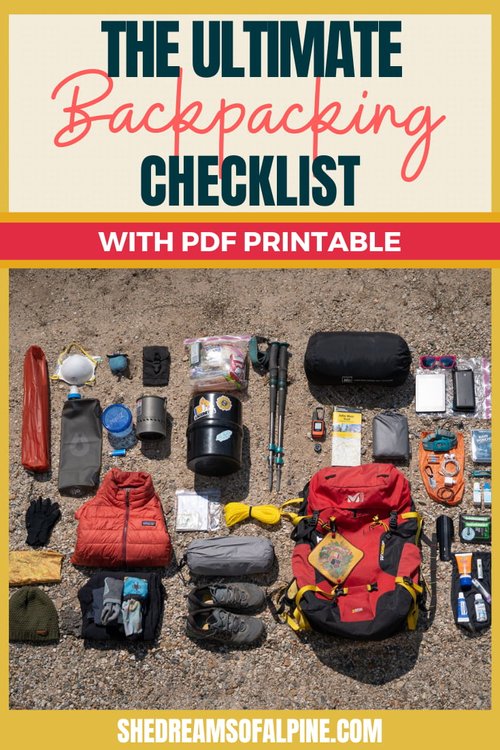
Credit: www.shedreamsofalpine.com
Packing Tips
Packing for a hiking trip needs careful thought. Bringing the right items makes your trip safe and fun.
Organizing your gear well helps you find things quickly. It also keeps your backpack balanced and dry.
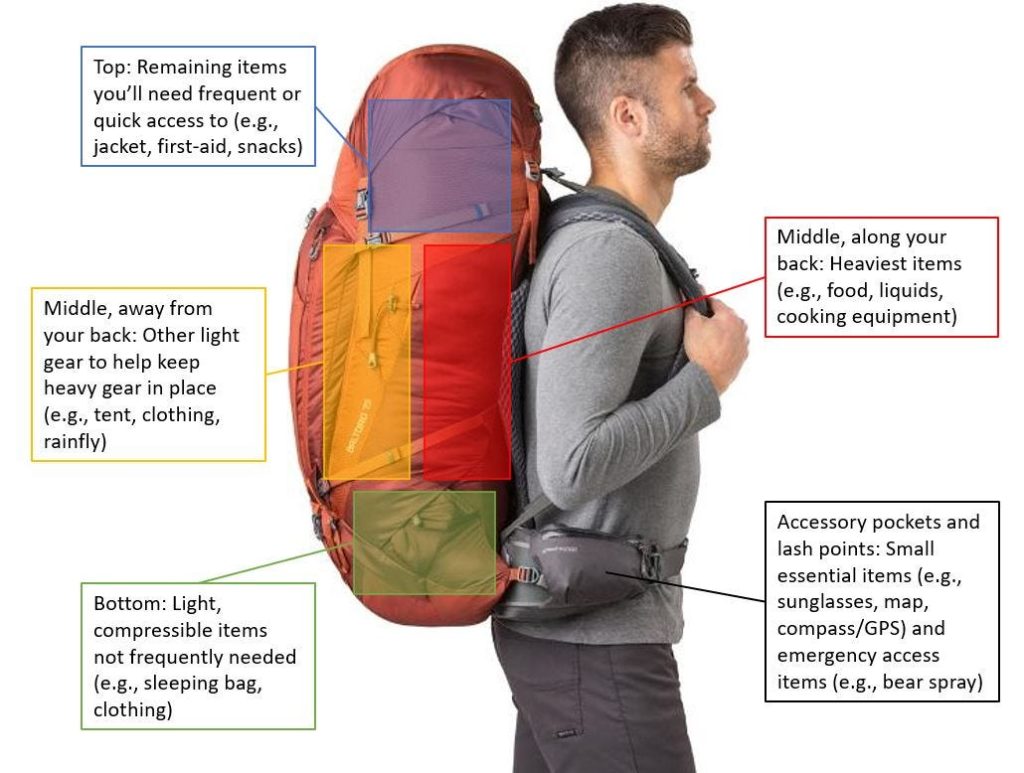
Weight Distribution
Distribute weight evenly to avoid back pain. Put heavy items close to your spine and near the middle.
Lighter items go at the top and sides. This balance helps you move easily on rough trails.
- Place heavy gear like water and food near your back.
- Keep medium-weight items in the middle.
- Put light gear like clothes on top or outside pockets.
Waterproofing Techniques
Keep your gear dry to stay comfortable and safe. Use waterproof bags or covers inside your backpack.
Wrap electronics and clothes in plastic bags. Use a rain cover for your backpack to protect against rain.
- Use dry bags for important items.
- Seal plastic bags tightly to stop water entry.
- Always carry a rain cover for your backpack.
Organizing Gear
Organize gear by use and size to save time. Keep daily items like snacks and maps in easy pockets.
Group similar items together. Use packing cubes or stuff sacks to keep things tidy inside your pack.
- Store food and water separately from clothes.
- Use small bags for toiletries and first aid.
- Keep navigation tools in a pocket you can reach fast.
Frequently Asked Questions
What Essentials Should I Pack For A Hiking Trip?
Pack water, snacks, a map, first-aid kit, and appropriate clothing. Include a flashlight, multi-tool, and sunscreen for safety and comfort. Adjust gear based on weather and trip length.
How Much Water Should I Carry Hiking?
Carry at least 2 liters per person for a day hike. Increase water for hot weather or strenuous trails. Stay hydrated by drinking small amounts regularly.
What Clothing Is Best For Hiking Trips?
Wear moisture-wicking layers, sturdy boots, and weather-appropriate outerwear. Avoid cotton; choose breathable, quick-dry fabrics. Bring rain gear and extra socks for comfort.
Should I Pack A First Aid Kit For Hiking?
Yes, always carry a basic first aid kit. Include bandages, antiseptic wipes, pain relievers, and any personal medications. It ensures quick response to minor injuries.
Conclusion
Packing wisely for a hiking trip ensures a smooth adventure. Bring essentials like water, snacks, and a first-aid kit. Layer your clothing for changing weather. Don’t forget navigation tools like a map or compass. Choose lightweight gear to ease your journey.
Remember, comfort is key to enjoying the hike. Protect your skin with sunscreen and insect repellent. Secure important items in waterproof bags. Stay prepared for unexpected situations. Share your hiking plan with someone for safety. Happy hiking!