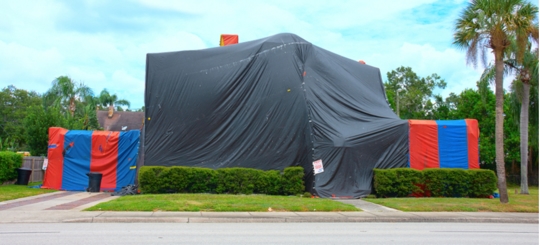
Thinking about tenting your house but unsure about the cost? You’re not alone.
Knowing how much to tent a house can save you from unexpected expenses and stress. Whether you’re dealing with pests, preparing for a renovation, or protecting your home, understanding the price helps you plan better. Keep reading, and you’ll discover what factors affect the cost and how to get the best value for your money.
This guide is made to help you make smart decisions for your home and peace of mind.
Factors Affecting Tenting Costs
Tenting a house is a method used to control pests like termites. The cost to tent varies a lot. Many factors can change the price you pay.
Knowing these factors helps you understand why some quotes are higher than others. This guide explains the main things that affect tenting costs.
Size Of The House
The size of your home is one of the biggest factors in the cost. Larger houses need more materials and time to cover fully. This means higher costs.
Extent Of Pest Infestation
The level of pest infestation affects how much work is needed. A small problem costs less to treat than a heavy infestation. More pests mean more chemicals and time.
Location And Accessibility
Where the house is located can change the price. Remote or hard-to-reach homes cost more. Workers may need extra time and equipment to access the site.
- Urban areas usually have lower transport costs.
- Rural homes may require special vehicles.
- Multi-story homes need more safety measures.
Type Of Chemicals Used
The kind of chemicals used in tenting affects the cost. Some chemicals are stronger or safer but cost more. The choice depends on the pest and local regulations.
| Chemical Type | Cost | Effectiveness |
| Standard Fumigants | Low | Good |
| Eco-friendly Options | High | Moderate |
| Specialized Chemicals | Medium | Very Good |
Additional Services
Extra services add to the total cost. These can include cleaning, repairs, or follow-up visits. Each service needs more time and materials.
Common additional services:
- Pre-treatment inspection
- Post-treatment cleaning
- Structural repairs for damage
- Guarantee or warranty coverage

Credit: www.exclusivetents.com
Average Price Range For Tent Fumigation
Tent fumigation is a method to control pests inside a home. It involves covering the house with a large tent and releasing gas to kill insects.
The cost of tent fumigation depends on the size of the home and the extent of the infestation. Here is an overview of average price ranges for different home sizes.
Small Homes
Small homes are usually under 1,000 square feet. Tent fumigation for these homes costs less because less material and gas are needed.
- Average cost: $700 to $1,200
- Fumigation time: 24 to 48 hours
- Includes tent setup and removal
Medium-sized Homes
Medium-sized homes range between 1,000 and 2,500 square feet. The price increases due to more coverage and gas needed.
| Home Size | Square Feet | Price Range | Fumigation Time |
| Small Home | Under 1,000 | $700 – $1,200 | 24 – 48 hours |
| Medium Home | 1,000 – 2,500 | $1,200 – $2,000 | 48 – 72 hours |
| Large Home | Over 2,500 | $2,000 – $4,000+ | 72+ hours |
Large Homes And Estates
Large homes and estates are over 2,500 square feet. Tent fumigation costs more because of the size and complexity.
Important factors that affect the cost for large homes:
- Number of rooms and floors
- Amount of furniture and belongings
- Accessibility for tent setup
- Severity of pest infestation
Cost Breakdown Components
Tenting a house involves several cost components. Each part plays a role in the total price.
Understanding these costs helps you prepare your budget better for the service.
Preparation Charges
Preparation includes clearing areas and protecting valuables. This work takes time and labor.
- Moving furniture and fragile items
- Covering appliances and electronics
- Cleaning the area before tenting
- Setting up safety signs
Tenting And Sealing Fees
The house gets covered with a large tent. Workers seal all openings tightly.
| Service | Description | Typical Cost |
| Tent Setup | Covering entire house with plastic sheeting | $500 – $1,500 |
| Sealing | Sealing windows, doors, vents | $200 – $600 |
| Labor | Work hours for setup and sealing | $300 – $700 |
Fumigation Treatment
The treatment uses chemicals to kill pests inside the tented house. It lasts several hours.
Costs depend on house size and chemical type. Some treatments need special permits.
- Smaller homes cost less
- Larger homes or multiple floors cost more
- Eco-friendly chemicals might add to price
- Permit fees vary by location
Post-treatment Inspection
After fumigation, inspectors check the house for safety and effectiveness.
They ensure no gas remains and pests are eliminated. This step is important for health.
| Inspection Type | Purpose | Cost Range |
| Gas Clearance | Check toxic gas levels | $100 – $300 |
| Effectiveness Check | Confirm pest removal | $150 – $400 |
| Documentation | Provide safety certificate | $50 – $150 |

Credit: www.exclusivetents.com
Ways To Save On Tent Fumigation
Tent fumigation can be expensive, but there are ways to lower the cost. Planning ahead helps you save money.
Knowing how to compare services and schedule properly can reduce your expenses. Bundling services is also a smart choice.
Comparing Multiple Quotes
Getting quotes from different companies helps you find the best price. Prices can vary a lot between providers.
Make sure to compare what each quote includes. Some may charge extra for preparation or follow-up visits.
- Ask for detailed pricing to avoid hidden fees
- Check if the company is licensed and insured
- Compare service guarantees and warranties
Scheduling Off-season Treatments
Scheduling fumigation during off-season times can lower prices. Demand is usually lower, so companies offer discounts.
Try to book your treatment in months when fewer people request fumigation. This can save you money and time.
- Ask pest control companies about off-season discounts
- Avoid peak seasons like spring and summer
- Plan early to secure lower rates
Bundling Pest Control Services
Bundling tent fumigation with other pest control services can lower overall costs. Many companies offer package deals.
Combining services saves money on each treatment and reduces the number of visits needed.
- Ask about discounts for multiple services
- Include termite, rodent, or insect control in one plan
- Regular maintenance plans can lower long-term costs
Expert Tips For A Successful Tent Treatment
Tenting a house is a common way to remove pests like termites. It requires careful planning. Knowing what to do before, during, and after the treatment helps it work well.
This guide shares expert tips to help you prepare your home, stay safe during fumigation, and care for your home after treatment.
Preparing Your Home
Proper preparation ensures the treatment is effective and safe. You must clear the house and protect your belongings.
- Remove all pets and plants from the house and yard.
- Take out food, medicine, and personal items from cabinets and shelves.
- Cover or remove aquariums and air purifiers.
- Open all drawers and cabinets to allow gas to reach all areas.
- Turn off pilot lights on gas appliances.
- Seal any gaps where fumigant might leak.
Ensuring Safety During Fumigation
Safety is the top priority during tenting. Follow rules to protect your family and neighbors.
| Safety Tip | Description |
| Evacuate Everyone | No people, pets, or plants inside the house. |
| Warning Signs | Put signs around the property to warn others. |
| Professional Supervision | Certified experts should handle the fumigation. |
| Do Not Enter | Stay out of the house until it is safe. |
| Ventilate After | Let the house air out fully before reentry. |
Post-treatment Care
After the tent is removed, your home needs some care to keep it safe and clean.
- Open windows and doors to air out the home for several hours.
- Wipe down surfaces to remove any residue.
- Check food packages for any damage before use.
- Reintroduce pets and plants only after full ventilation.
- Inspect the home regularly to catch any pest return early.
Credit: www.thegamer.com
Common Mistakes To Avoid
Tenting a house is a big job that needs careful planning. Many people make mistakes that cost extra money or cause problems later.
Knowing the common errors helps you avoid them. This saves time, money, and stress during the tenting process.
Ignoring Hidden Costs
Some costs do not appear in the first quote. These hidden fees can make the project more expensive than planned.
Examples include cleanup fees, damage repairs, and extra materials. Always ask for a full list of possible charges before hiring.
- Removal and disposal of hazardous waste
- Repairs to siding or roofing caused by tenting
- Additional tenting for large or complex house parts
- Costs for permits or local regulations
Choosing Cheapest Option Without Research
Picking the cheapest tenting service can lead to poor work. Low prices sometimes mean low quality or hidden risks.
Research different companies and read reviews. Check their experience and safety records before deciding.
- Look for licenses and insurance
- Ask for references from past customers
- Compare detailed quotes, not just prices
- Beware of prices much lower than market rates
Neglecting Follow-up Treatments
Tenting kills pests but may not stop them returning. Skipping follow-up treatments can cause infestations to come back.
Schedule follow-up visits as the pest control company advises. These treatments keep your home safe long after tenting.
- Inspect your home regularly for new pest signs
- Use recommended treatments after tenting
- Seal cracks and entry points to block pests
- Maintain cleanliness to reduce pest attraction
When To Consider Tent Fumigation
Tent fumigation is a method used to eliminate severe pest infestations in homes. It involves covering the entire house with a tent and filling it with a gas that kills insects inside. This process is usually done by professionals.
Knowing when to use tent fumigation can save your home from serious damage. It is important to recognize signs that show the infestation is too large for normal treatments.
Signs Of Severe Infestation
Severe infestations require tent fumigation because pests have spread throughout the house. Here are common signs to watch for:
- Visible large groups of termites or other pests
- Damaged wood that sounds hollow when tapped
- Swarmers flying inside or near the home
- Walls or ceilings that show cracks or bulges
- Unusual piles of insect wings or droppings
Alternative Pest Control Methods
Not all pest problems need tent fumigation. Some less severe cases can be managed with other methods. These include:
- Spot treatments with insecticides on infested areas
- Bait systems to attract and kill pests over time
- Heat treatments that raise temperature to kill insects
- Using natural predators or biological controls
- Regular inspections and maintenance to catch problems early
Long-term Prevention Strategies
Preventing future infestations is key to protecting your home. You can follow these long-term steps:
| Prevention Action | How It Helps |
|---|---|
| Fix leaks and moisture issues | Reduces conditions that attract pests |
| Seal cracks and entry points | Keeps pests from entering the house |
| Store firewood away from home | Limits pest habitats near the house |
| Regularly clean and declutter | Removes places pests can hide |
| Schedule routine pest inspections | Detects problems before they grow |
Frequently Asked Questions
How Much Does It Cost To Tent A House?
Tenting a house typically costs between $1,000 and $4,000. The price varies based on house size, location, and pest severity. Larger homes and severe infestations increase costs. Always get multiple quotes for accurate pricing.
What Factors Affect House Tenting Prices?
House size, pest type, location, and treatment complexity affect tenting costs. Additional services like prep work or repairs add to the price. Local regulations and company rates also influence the final cost.
How Long Does House Tenting Take?
House tenting usually takes 1 to 3 days. The process includes preparation, fumigation, and airing out. Time varies depending on house size and pest infestation level.
Is House Tenting Safe For Occupants?
House tenting uses strong chemicals and requires vacating the home. It is safe if professionals handle the process and proper ventilation occurs afterward. Pets and plants should be removed prior.
Conclusion
Understanding the cost to tent a house helps in budgeting wisely. Various factors impact the final price. House size, location, and pest type play key roles. Always get multiple quotes from trusted professionals. This ensures competitive pricing. Consider any additional services offered.
These can add to the overall expense. Always prioritize safety and quality. Proper tenting protects your home effectively. Remember, investing in good pest control saves money long-term. Stay informed and make the best decision for your home. Peace of mind is priceless.