
If you love fishing, you know how important your lures are. Clean lures catch more fish and last longer.
But how do you clean them the right way? You might think a quick rinse is enough, but there’s more to it. In this guide, you’ll learn simple and effective steps to keep your fishing lures in top shape. By the end, you’ll be ready to boost your fishing success with lures that look and work like new.
Let’s dive in and get your tackle box ready!

Credit: www.reddit.com
Choosing The Right Cleaning Tools
Cleaning fishing lures keeps them in good shape and helps catch more fish. Picking the right tools makes cleaning easier and safer.
Use tools that remove dirt without harming the lure’s paint or hooks. Soft and gentle items work best.
Soft Brushes And Toothbrushes
Soft brushes help clean tiny parts of fishing lures. Old toothbrushes work well because their bristles reach small spaces.
Use gentle strokes to avoid scratching the lure’s surface. Soft brushes remove dirt and grime carefully.
- Choose brushes with soft, nylon bristles
- Use a toothbrush for detailed cleaning
- Avoid stiff or metal brushes
Mild Detergents And Soaps
Use mild detergents to clean fishing lures safely. Harsh chemicals can damage paint and hooks.
Mix a small amount of mild soap with water. This solution removes dirt without harming the lure’s finish.
- Use dish soap that is gentle and fragrance-free
- Avoid bleach or strong chemicals
- Rinse lures well after cleaning
Microfiber Cloths
Microfiber cloths dry and polish fishing lures without scratching. They absorb water and remove residue well.
Use a clean cloth to gently wipe lures after washing. This keeps them shiny and ready for your next trip.
- Pick lint-free microfiber cloths
- Use soft pressure to avoid damage
- Wash cloths regularly to keep them clean
Preparing Your Lures For Cleaning
Cleaning your fishing lures keeps them in good shape and ready for the next trip. Proper preparation helps remove dirt and grime safely.
Start by handling your lures carefully and follow simple steps to protect both your gear and yourself.
Removing Hooks Safely
Hooks are sharp and can cause injury. Use pliers or a hook remover to take them off carefully. Wear gloves to protect your hands.
- Hold the lure firmly to avoid slipping
- Use needle-nose pliers to grip the hook
- Remove hooks slowly to prevent damage
- Place hooks in a safe container after removal
Soaking Techniques
Soaking helps loosen dirt and old fishing smells. Use warm water with mild soap or a gentle cleaner for best results.
| Soaking Method | Recommended Time | Notes |
| Warm Water & Mild Soap | 10-15 minutes | Safe for most lures |
| Vinegar Solution | 5-10 minutes | Good for rust removal |
| Isopropyl Alcohol | 2-5 minutes | Disinfects and dries fast |
Handling Delicate Materials
Some lures have soft or painted parts. These need gentle cleaning to avoid damage. Avoid harsh chemicals and scrubbing hard.
- Use a soft cloth or brush
- Pat dry instead of rubbing
- Do not soak for too long
- Store in a dry place after cleaning
Effective Cleaning Methods
Keeping your fishing lures clean helps them last longer and work better. Dirt, slime, and salt can damage lures if not removed. Use simple methods to clean them after each fishing trip.
Below are easy ways to clean your lures safely. These methods remove grime without harming the lure’s finish or hooks.
Gentle Scrubbing Tips
Use a soft brush or cloth to scrub your lures gently. Hard scrubbing can scratch or damage paint and coatings. Focus on removing dirt from small parts and crevices.
- Rinse lures with fresh water first.
- Use a soft toothbrush or sponge.
- Scrub gently around hooks and eyes.
- Dry lures with a soft towel after cleaning.
Using Vinegar And Baking Soda
Vinegar and baking soda are safe cleaners for fishing lures. Vinegar removes rust and mineral deposits. Baking soda acts as a mild abrasive to lift dirt.
| Ingredient | Purpose | How to Use |
| White Vinegar | Removes rust | Soak lures for 10 minutes |
| Baking Soda | Clears grime | Make paste with water, scrub gently |
| Fresh Water | Rinse residue | Rinse lures after treatment |
Ultrasonic Cleaners For Lures
Ultrasonic cleaners use sound waves to clean lures deeply. They remove dirt in hard-to-reach places without scrubbing. This method is safe for most lures.
- Fill the cleaner with water and a mild detergent.
- Place lures in the basket without touching each other.
- Run the cleaner for 3 to 5 minutes.
- Remove lures and rinse with fresh water.
- Dry completely before storing.
Drying And Storing Lures
Cleaning fishing lures is important to keep them working well. Drying and storing lures properly helps them last longer.
Wet lures can rust or get damaged. Good drying and storage protect your fishing gear.
Proper Drying Practices
After cleaning, dry your lures fully before storing. Use a soft cloth to remove water and let them air dry.
Keep lures in a dry place with good air flow. Avoid direct sunlight to prevent colors from fading.
- Wipe each lure with a clean towel
- Place lures on a dry towel to air dry
- Dry hooks carefully to avoid rust
- Use a fan or open window for faster drying
Preventing Rust And Corrosion
Rust can ruin your fishing lures quickly. Keep hooks dry and avoid storing lures in damp places.
Use small silica gel packs or rust inhibitors in your tackle box to reduce moisture and stop corrosion.
- Dry hooks and metal parts after use
- Add silica gel packs to tackle boxes
- Check lures regularly for rust spots
- Replace rusty hooks to protect other lures
Organizing For Longevity
Store lures neatly to avoid damage. Use tackle boxes with compartments to keep lures separated.
Keep similar lures together. Organizing helps you find them quickly and keeps hooks from tangling.
- Use tackle boxes with adjustable compartments
- Sort lures by type, size, or color
- Keep sharp hooks covered or separated
- Label compartments for easy access
Maintaining Lure Shine And Performance
Keeping fishing lures shiny helps attract more fish. Clean lures work better in water and last longer.
Simple care steps keep your lures looking new and performing well. This guide covers polishing, paint touch-ups, and maintenance.
Polishing Techniques
Polishing removes dirt and scratches from lure surfaces. Use a soft cloth and gentle polish to avoid damage.
- Rinse lures with fresh water after use
- Apply a small amount of metal or plastic polish
- Buff the lure with a microfiber cloth in circles
- Dry completely before storing to prevent rust
Touching Up Paint And Finish
Scratches and chips reduce a lure’s shine and effectiveness. Small touch-ups improve appearance and protect the lure.
| Material | Touch-Up Method |
|---|---|
| Plastic Body | Use enamel paint with a fine brush |
| Metal Parts | Apply rust-resistant paint or clear coat |
| Wooden Lures | Sand lightly then apply waterproof paint |
Regular Maintenance Schedule
Regular care keeps lures ready for every trip. Set a schedule to clean, polish, and inspect lures.
- After each fishing trip, rinse lures with fresh water.
- Once a month, polish lures to restore shine.
- Check for paint damage and touch up as needed.
- Store lures in a dry place to prevent rust and fading.
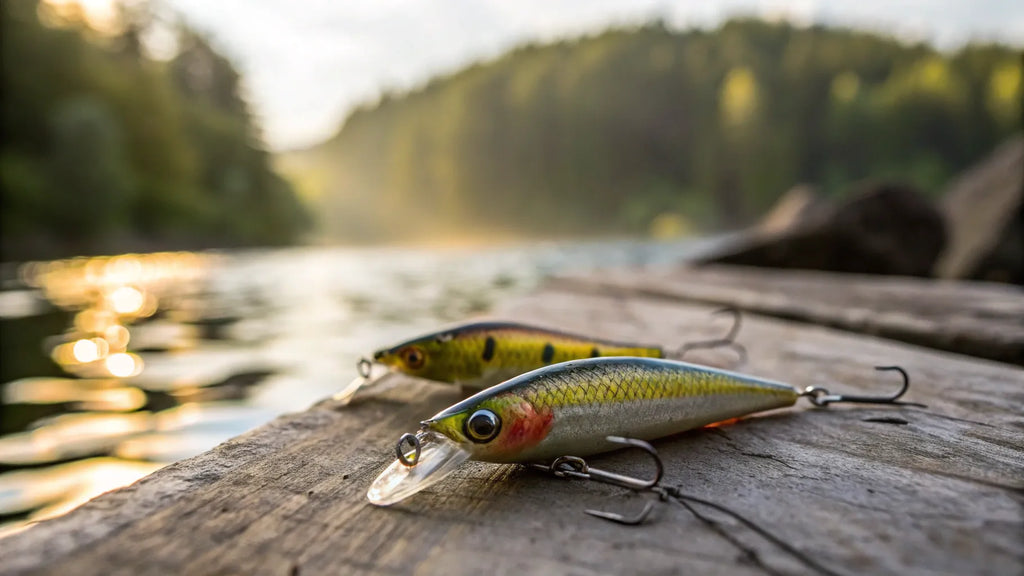
Credit: www.battlbox.com
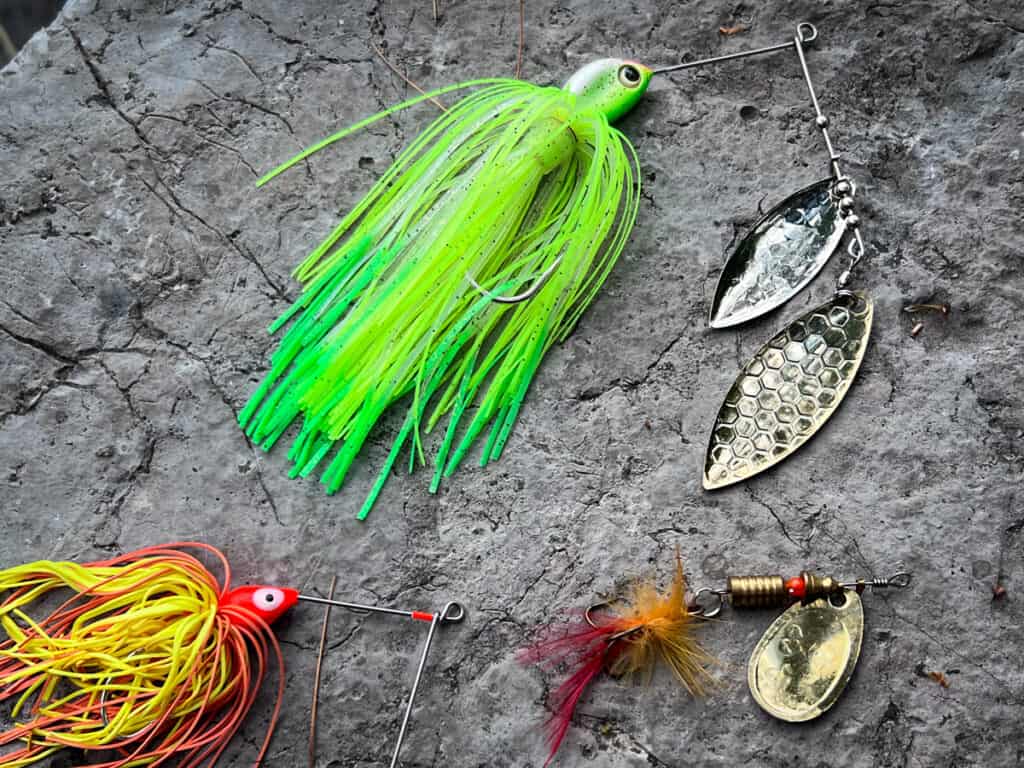
Credit: bushlife.ca
Frequently Asked Questions
How Often Should I Clean My Fishing Lures?
Clean your fishing lures after every fishing trip. This prevents dirt, salt, and debris buildup. Regular cleaning maintains lure effectiveness and longevity. It also helps avoid rust and corrosion, especially in saltwater environments.
What Is The Best Way To Clean Fishing Lures?
Use warm water, mild soap, and a soft brush to clean lures. Rinse thoroughly to remove soap residue. Dry completely before storing to prevent rust. Avoid harsh chemicals that can damage paint and hooks.
Can I Use Household Items To Clean Fishing Lures?
Yes, mild dish soap, vinegar, and baking soda work well. Vinegar removes rust, while baking soda acts as a gentle abrasive. Avoid using bleach or strong solvents that harm lure materials.
How Do I Remove Rust From Fishing Lure Hooks?
Soak hooks in white vinegar for 30 minutes to dissolve rust. Use a soft brush to scrub off remaining rust. Rinse and dry hooks thoroughly. Replace severely rusted hooks for safety and performance.
Conclusion
Cleaning fishing lures keeps them effective and long-lasting. A clean lure attracts more fish. Regular maintenance helps avoid rust and damage. Simple household items make cleaning easy. Soap, water, and a soft brush work wonders. Always dry lures completely before storing.
This prevents rust and decay. A well-maintained lure means more successful fishing trips. Try these steps today and see the difference. Happy fishing!