Are you planning a camping trip and wondering, “How much does a tent cost?” Choosing the right tent can feel overwhelming, especially when prices vary so much. You want a tent that fits your needs without breaking your budget.
You’ll discover the real costs behind tents—what affects the price, what features you get at different price points, and how to pick the best tent for your adventures. Keep reading to make sure your next outdoor experience is comfortable, safe, and affordable.
Tent Price Range
Tents come in many styles and prices. Your choice depends on your needs and budget.
This guide shows price ranges for budget, mid-range, and high-end tents.
Budget Tents
Budget tents usually cost between $20 and $100. They work well for casual use. These tents are often light and simple.
- Small size for 1 to 2 people
- Basic materials like polyester or nylon
- Simple setup with few poles
- Limited weather protection
Mid-range Tents
Mid-range tents cost about $100 to $300. They offer better durability and features. These tents suit regular campers.
| Price Range | $100 – $300 |
| Capacity | 2 to 6 people |
| Material | Stronger fabrics and poles |
| Features | Improved weather resistance, ventilation |
High-end Tents
High-end tents cost $300 and up. They use top materials and advanced designs. These tents suit serious campers and extreme weather.
- Lightweight and strong aluminum or carbon poles
- Waterproof and breathable fabrics
- Extra space and multiple rooms
- Enhanced weather protection and durability

Credit: www.wired.com
Factors Affecting Tent Cost
Tent prices vary based on many factors. Knowing these helps you choose the right tent.
Understanding what affects cost can save money and meet your camping needs.
Size And Capacity
Bigger tents cost more than smaller ones. They use more material and need stronger support.
The capacity shows how many people fit inside. More space means higher price.
- Small tents for 1-2 people are cheaper
- Family tents for 4 or more cost more
- Tall tents with standing room add to the price
Material Quality
High-quality fabrics and poles raise the tent’s cost. They last longer and resist damage.
Cheap tents use lighter materials that may tear or wear out fast.
- Nylon and polyester are common tent fabrics
- Waterproof coatings add to material cost
- Aluminum poles cost more than fiberglass ones
Weather Resistance
Tents made for harsh weather cost more. They protect better from rain, wind, and cold.
Strong tents have thicker fabrics and sturdier poles. They can handle tough conditions.
- Waterproof ratings affect price
- Wind resistance adds strength and cost
- Extra features like snow flaps increase price
Brand Reputation
Well-known brands usually charge more. They offer quality assurance and better support.
Less-known brands may sell cheaper tents but with less reliability.
- Famous brands invest in design and testing
- Trusted brands provide warranties
- Brand name can increase price by 10-30%
Types Of Tents And Their Costs
Tents come in many shapes and sizes. Their cost depends on the type and features.
Choosing the right tent means knowing how much you want to spend and what you need.
Backpacking Tents
Backpacking tents are small and light. They are easy to carry on long hikes.
Prices usually range from $100 to $400. Higher prices mean lighter materials and better durability.
- Basic models: $100 – $200
- Mid-range tents: $200 – $300
- High-end ultralight tents: $300 – $400+
Family Tents
Family tents are bigger and have more space. They fit several people and gear comfortably.
Costs range from $150 to $600. Larger tents and extra features raise the price.
- Small family tents: $150 – $300
- Medium size tents: $300 – $450
- Large or deluxe tents: $450 – $600+
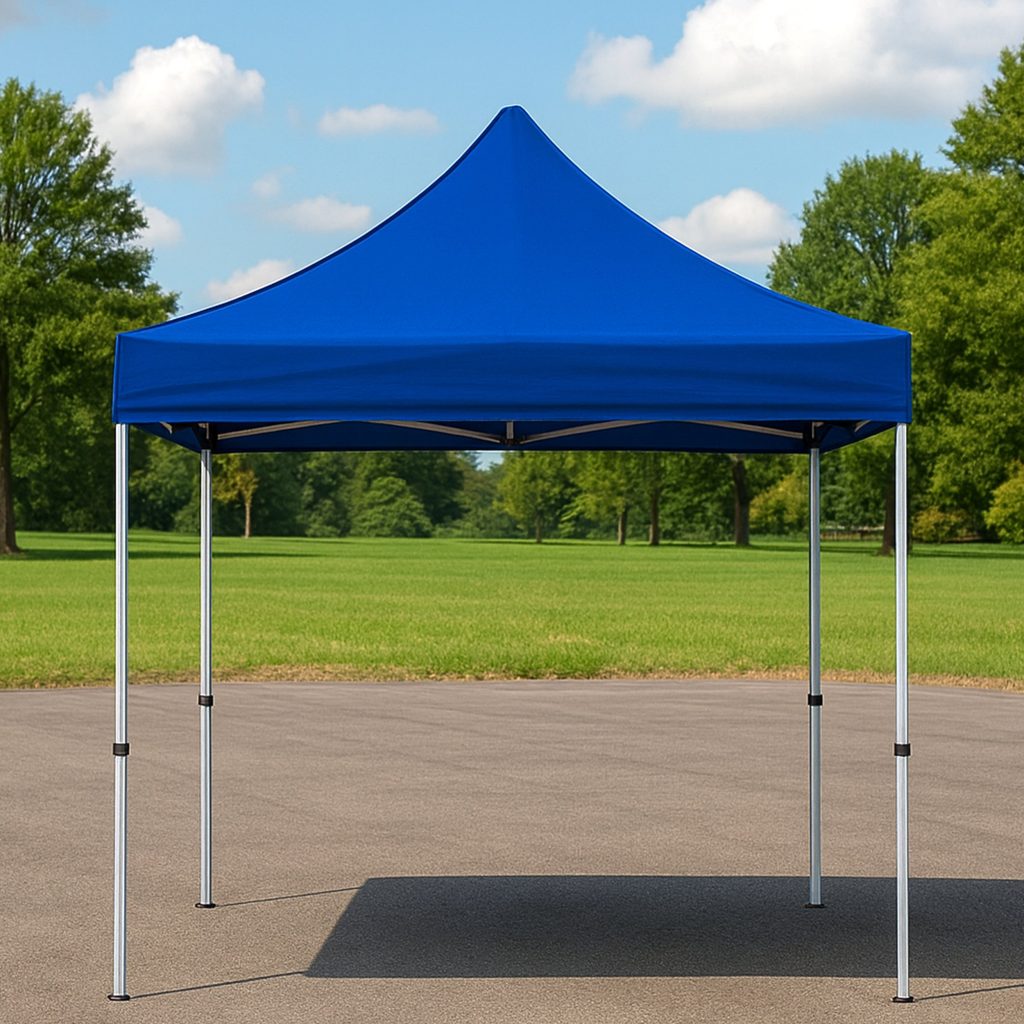
Pop-up Tents
Pop-up tents are quick to set up. They are great for casual camping and festivals.
Prices usually go from $50 to $200. Simpler designs cost less.
- Basic pop-up tents: $50 – $100
- Mid-quality tents: $100 – $150
- Large or weatherproof models: $150 – $200
Ultralight Tents
Ultralight tents focus on weight. They use advanced materials to reduce carry load.
These tents cost between $300 and $700. They are for serious hikers and climbers.
- Entry-level ultralight: $300 – $400
- Mid-range models: $400 – $550
- Top-end ultralight tents: $550 – $700+

Credit: whiteduckoutdoors.com
Where To Buy Affordable Tents
Finding a tent that fits your budget can be simple. There are many places to buy tents at low prices. Knowing where to look helps you get a good deal.
This guide covers three popular spots to find affordable tents. Each place has its own benefits and options to explore.
Online Retailers
Online stores offer a wide range of tents. You can compare prices and read reviews before buying. Many sites also provide discounts and free shipping.
- Amazon
- Walmart
- REI Outlet
- Backcountry
Outdoor Stores
Local outdoor stores let you see tents in person. Staff can help you choose the right size and type. They often have seasonal sales to save money.
| Store | Price Range | Special Offers |
| Bass Pro Shops | $50 – $400 | Clearance Sales |
| Academy Sports | $40 – $350 | Member Discounts |
| Decathlon | $30 – $300 | Price Match |
Second-hand Options
Buying used tents can save a lot of money. Check local marketplaces or apps for good deals. Inspect tents carefully to avoid damage.
- eBay
- Facebook Marketplace
- Craigslist
- Local thrift stores
Additional Camping Gear Costs
Buying a tent is just the start of your camping expenses. You will need other gear to have a safe and comfortable trip. These extra items add to your total camping cost.
Let’s look at the common camping gear and their price ranges. This helps you plan your budget better for your outdoor adventure.
Sleeping Bags
Sleeping bags keep you warm and cozy at night. Prices depend on the temperature rating and material quality.
Basic sleeping bags cost less but may not be warm enough for cold weather. Mid-range bags offer better insulation and comfort.
- Budget bags: $20 – $50
- Mid-range bags: $50 – $120
- High-end bags: $120 and above
Camping Mats
Mats provide cushioning and insulation under your sleeping bag. They improve sleep quality on hard or cold ground.
Prices vary by thickness and material. Foam mats are cheaper but heavier. Inflatable mats cost more but are lighter and comfy.
- Foam mats: $10 – $30
- Inflatable mats: $30 – $100
Cooking Equipment
Cooking gear includes stoves, pots, and utensils. It helps you prepare meals while camping.
Simple stoves are affordable but have limited fuel options. More advanced kits cost more but offer better performance.
- Basic stove sets: $20 – $50
- Complete cooking kits: $50 – $150
- Fuel and accessories: $5 – $30
Lighting
Lighting gear lets you see after dark. You can use lanterns, flashlights, or headlamps for hands-free light.
Battery-powered lights cost less but need replacements. Rechargeable lights cost more but save money over time.
- Basic flashlights: $5 – $20
- LED lanterns: $15 – $50
- Headlamps: $20 – $60
Tips To Save On Camping Gear
Camping gear like tents can be expensive. You can save money by shopping smart. These tips help you spend less without losing quality.
Look for deals and options that fit your budget. Planning ahead makes buying camping gear easier and cheaper.
Seasonal Sales
Camping gear often goes on sale during certain times of the year. Buying tents off-season can save you money. Winter and late fall usually have lower prices.
Stores want to clear space for new gear before camping season starts. Watch for big discounts around holidays like Black Friday and end-of-summer sales.
- Buy tents in late fall or winter
- Check holiday sales for big discounts
- Sign up for store newsletters for sale alerts
Bundle Deals
Many stores offer bundle deals on camping gear. You can get tents, sleeping bags, and other items together. Bundles often cost less than buying each item alone.
Look for package offers that fit your camping needs. Bundles save money and reduce the hassle of buying gear separately.
- Check for tent and accessory bundles
- Compare bundle prices with individual prices
- Choose bundles that include essential gear only
Renting Gear
Renting camping gear is a great way to save money. You only pay for what you use. Renting tents is cheaper than buying if you camp rarely.
Check local outdoor shops or online rental services. Make sure to inspect gear before use to avoid extra fees.
- Rent tents for short trips
- Inspect rented gear carefully
- Compare rental prices before booking
Credit: www.wired.com
Frequently Asked Questions
How Much Does A Basic Camping Tent Cost?
Basic camping tents usually cost between $30 and $100. Prices vary by size, material, and brand. Budget tents are ideal for occasional campers or beginners. Higher prices often mean better durability and features. Consider your camping needs before buying.
What Affects The Price Of A Tent The Most?
Tent price depends on size, material quality, and features. Lightweight, waterproof, and durable fabrics increase cost. Extra features like multiple rooms or enhanced ventilation also raise prices. Brand reputation and design innovation play a role. Choose features that match your camping style.
Are Expensive Tents Worth The Investment?
Expensive tents offer better durability, weather resistance, and comfort. They last longer and perform well in tough conditions. For frequent campers, the higher upfront cost can save money over time. However, casual campers may find budget tents sufficient.
How Much Should I Budget For A Family Tent?
Family tents typically range from $150 to $400. Larger size and extra rooms increase the price. Look for tents with good ventilation and weather protection. Investing in a quality family tent enhances comfort and convenience during trips.
Conclusion
Choosing the right tent depends on your needs and budget. Prices vary widely. Basic tents cost less but offer fewer features. Larger tents provide more space but are more expensive. Consider the weather where you’ll camp. Some tents are better for rain or snow.
Also, think about how often you’ll use the tent. Spending more might make sense for frequent campers. Online reviews can guide your decision. Compare prices and features before buying. With the right choice, your camping trips will be more enjoyable and comfortable.
Happy camping!