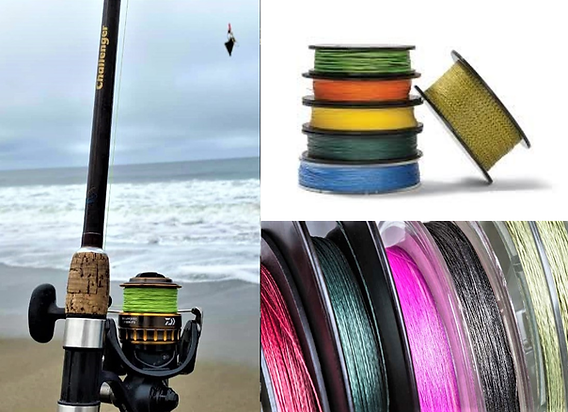
Choosing the right color fishing line can make a big difference in your catch. You might think any line will do, but the color you pick affects how fish see your bait and how well you can see your line.
Are you struggling to find the perfect balance between visibility and invisibility underwater? This guide will help you understand which color fishing line works best for your fishing spot and style. Keep reading to discover simple tips that can improve your fishing success today.

Credit: reactiontackle.com
Choosing Line Color
Picking the right color for your fishing line is important. It helps you catch more fish by making the line less visible.
The best color depends on several things like water and light. Knowing these can improve your fishing success.
Factors Affecting Visibility
Visibility of fishing line depends on many factors. These include water clarity, water color, and light conditions.
Choosing the right color means matching these factors. It helps the line blend well with the environment.
Water Clarity And Color
Clear water needs a line that is less visible, like light blue or clear. This stops fish from seeing the line.
In murky or dark water, use darker colors like green or brown. These colors blend with the water better.
- Clear water: choose light blue, clear, or fluorocarbon
- Murky water: use green, brown, or dark colors
- Stained water: olive or green lines work well
Light Conditions Impact
Bright sunlight can make some lines easier to see. Fluorescent or bright lines are good in low light.
At dawn, dusk, or cloudy days, use lines that match water color. This keeps the line hidden.
- Bright light: clear or light blue lines work best
- Low light: fluorescent or bright lines improve visibility for anglers
- Cloudy days: match line color to water for invisibility

Credit: thegww.com
Popular Fishing Line Colors
Choosing the right fishing line color helps catch more fish. Different colors work better in different waters and light conditions.
This guide covers clear, green, camouflage, and bright lines. Knowing the benefits of each color improves your fishing experience.
Clear And Fluorocarbon Lines
Clear and fluorocarbon lines are nearly invisible underwater. They work well in clear water and bright light. These lines do not scare fish easily.
Fluorocarbon also sinks faster than other lines. It resists abrasion from rocks and weeds. This makes it good for fishing in tough spots.
Green And Camouflage Lines
Green lines blend well with water and plants. They are best for fishing in freshwater with lots of vegetation. Camouflage lines hide better in murky water.
- Green lines match algae and underwater grass
- Camouflage lines have mixed colors for muddy water
- Both help avoid spooking fish in clear or stained water
Bright And High-visibility Lines
Bright lines are easy to see above water. They help anglers track their line’s movement. These colors work well in low light or deep water.
| Color | Best Use |
|---|---|
| Yellow | Daytime fishing in clear water |
| Orange | Low light or murky water |
| Pink | Tracking line in heavy cover |
Matching Line Color To Environment
Choosing the right fishing line color helps you catch more fish. The line should blend well with the water and surroundings.
Fish can see the line, so matching the color to the environment makes the line less visible. This increases your chances of success.
Fishing In Clear Water
Clear water means high visibility. Use lines that are nearly invisible to fish. Transparent or light blue lines work best here.
These colors blend with clear water and sunlight. Avoid bright or dark colors that stand out.
- Use clear or light blue fishing line
- Avoid dark or bright colors
- Keep line thin for less visibility
Fishing In Murky Water
Murky water hides the line well. Choose brighter colors to help you see your line better. Green, yellow, or orange lines work well.
These colors stand out for anglers but do not scare fish in muddy water. Visibility above water is important in this case.
- Pick bright green, yellow, or orange lines
- Helps you track the line easily
- Fish don’t see bright colors in murky water
Fishing Around Vegetation
Vegetation makes fishing tricky. Green or brown lines blend with plants and weeds. This hides your line from fish.
Choose a color that matches the plants in the area. This helps keep your line invisible and avoids spooking fish.
- Use green or brown lines near plants
- Match line color to local vegetation
- Reduce line visibility in weeds
Line Color For Different Fish Species
Choosing the right fishing line color helps catch more fish. Fish see colors differently underwater.
Using the right color line can make your line less visible to fish. This improves your chances of a bite.
Freshwater Species
Freshwater fish react to line color based on water clarity and light. Clear water calls for invisible lines.
For murky water, brighter colors help you see the line better. Fish like bass and trout can be picky.
- Bass:Use green or brown lines to blend with weeds.
- Trout:Clear or light green lines work best in clear streams.
- Panfish:Fluorescent or bright lines help you track bites.
- Catfish:Dark green or black lines are good in muddy water.
Saltwater Species
Saltwater fish live in deeper, often clearer water. Line color choice depends on depth and water color.
Blue and clear lines work well in open ocean. Dark lines suit rocky or weedy areas where fish hide.
- Redfish:Clear or light green lines avoid spooking fish.
- Snook:Use gray or clear lines for clear coastal waters.
- Tarpon:Blue or clear lines work well in deep water.
- Flounder:Brown or camo lines blend with sandy bottoms.
Expert Tips For Line Color Selection
Choosing the right fishing line color helps you catch more fish. The color affects how visible your line is to fish. It also depends on water, weather, and time of day.
This guide shares expert tips to pick the best line color. Learn how to adjust, combine, and test line colors on the water.
Adjusting To Weather And Time
Light and weather affect line visibility. Bright days need different colors than cloudy or dark times. Choose a color that blends with surroundings but stays hidden from fish.
- Use clear or light blue lines on sunny days for water clarity.
- Try darker or green lines in cloudy or low light conditions.
- Match line color with water color for better camouflage.
- Switch to fluorescent lines at dawn or dusk for visibility to you.
Combining Line Colors
Combining line colors can give you the best of both worlds. Use a strong main line with a less visible leader. This helps fish stay unaware of your setup.
| Line Part | Recommended Color | Reason |
| Main Line | Bright or fluorescent | Easier for angler to see |
| Leader | Clear, green, or blue | Less visible to fish |
| Shock Leader | Dark or camo | Blends with bottom for heavy cover |
Testing And Adapting On The Water
Test different line colors during fishing trips. Watch fish reactions and line visibility. Change colors if fish avoid your bait or line shows too much.
Tips for testing line colors:
- Start with a common color for your fishing spot.
- Observe if fish seem scared or curious.
- Try a new color if bites are low.
- Keep notes on what works best in different conditions.
Innovations In Fishing Line Colors
Fishing line colors have changed a lot over the years. New types help anglers catch more fish and see their lines better.
Two new trends are color-changing lines and UV reactive lines. Both add useful features for fishing in different conditions.
Color-changing Lines
Color-changing fishing lines shift colors in different water temperatures or light conditions. This helps anglers spot their lines better.
- Lines change color to signal fish bites
- Colors shift in cold or warm water
- Improves visibility for anglers
- Helps protect line from sun damage by fading
Uv Reactive Lines
UV reactive lines glow or become more visible under ultraviolet light. This helps anglers see the line in low light or deep water.
| Feature | Benefit |
| Glows under UV light | Easy to see at dawn or dusk |
| Bright colors | Improved tracking in deep water |
| Durable coating | Lasts longer in sun exposure |

Credit: www.wired2fish.com
Frequently Asked Questions
What Color Fishing Line Is Least Visible Underwater?
Green and clear lines are least visible underwater. They blend well with natural water colors, reducing fish detection and increasing catch rates.
Does Fishing Line Color Affect Fish Behavior?
Yes, fish can detect certain colors. Using natural or clear lines minimizes spooking fish and improves your chances of a successful catch.
Which Color Fishing Line Suits Murky Water Best?
Bright colors like yellow or orange work well in murky water. They offer better visibility for anglers while remaining effective for fishing.
Is Clear Fishing Line Better For All Fishing Conditions?
Clear lines are versatile and work well in most situations. They are especially good for clear water but may be less visible in low light.
Conclusion
Choosing the right color fishing line can improve your catch. Clear lines work well in bright water and sunny days. Green or camo lines blend in with plants and algae. Bright lines help you see the line better in deep water.
Match the line color to your fishing spot for best results. Test different colors to find what suits you. Remember, the best line color depends on the water and fish. Keep it simple and enjoy your time fishing.