Are you struggling to tie your fishing line to your reel the right way? Getting this step wrong can lead to lost fish and wasted time.
But don’t worry—once you learn the simple, reliable method, you’ll feel confident every time you cast your line. In this guide, you’ll discover easy-to-follow steps that make tying your fishing line quick and secure. Keep reading, and you’ll be ready to reel in your next big catch with ease!
Credit: www.epicflyrods.com
Choosing The Right Fishing Line
Choosing the right fishing line is important for a good fishing experience. The line connects your rod and reel to the hook and bait.
Different fishing situations need different types of lines. Picking the right line helps you catch fish easier and avoid losing them.
Types Of Fishing Line
There are three main types of fishing line: monofilament, fluorocarbon, and braided. Each type has special features for certain fishing needs.
- Monofilament:This line is stretchy and easy to handle. It works well for beginners and general fishing.
- Fluorocarbon:It is nearly invisible underwater. Good for clear water and shy fish.
- Braided:Very strong and thin. It has little stretch and is best for heavy cover or big fish.
Line Strength And Thickness
Line strength is measured in pounds, or “test.” It shows how much weight the line can hold before breaking. Thickness affects casting and how the line moves in water.
| Line Type | Strength Range (lbs) | Thickness (inches) |
|---|---|---|
| Monofilament | 4–20 | 0.008–0.020 |
| Fluorocarbon | 6–25 | 0.010–0.025 |
| Braided | 10–80 | 0.006–0.030 |
Credit: n1outdoors.com
Preparing The Reel
Before tying fishing line to a reel, you need to prepare the reel properly. This process helps the reel work smoothly and lasts longer.
Preparing includes cleaning the reel, checking for damage, and opening the spool to add new line. Each step is important to avoid problems while fishing.
Cleaning And Inspecting The Reel
Start by wiping the reel with a clean cloth to remove dirt and salt. Look for cracks, rust, or broken parts that may cause trouble.
- Use fresh water to rinse off saltwater residue.
- Dry the reel thoroughly to stop rust.
- Check the handle and drag system for smooth movement.
- Inspect the spool for dents or damage.
- Lubricate moving parts lightly if needed.
Opening The Reel Spool
To tie line, you must open the spool carefully. This lets you attach the line without tangles or damage.
| Step | Action | Tip |
|---|---|---|
| 1 | Locate the spool release knob or button. | It is usually near the handle or on the side. |
| 2 | Turn or press to loosen the spool. | Do this gently to avoid breaking parts. |
| 3 | Lift the spool off the reel. | Hold it carefully to prevent dropping. |
| 4 | Prepare the spool for line attachment. | Make sure it is clean and dry. |
Attaching The Line To The Reel
Attaching the fishing line to the reel is the first step in setting up your fishing gear. It ensures the line stays secure during casting and reeling.
This process is simple and helps you start fishing without tangles or problems.
Threading The Line Through The Guides
Before tying the line to the reel, thread it through the rod guides. These guides keep the line straight and help cast accurately.
Start at the tip of the rod and pass the line through each guide until you reach the reel.
- Hold the line and the rod firmly
- Insert the line through the first guide at the tip
- Continue threading through each guide down the rod
- Stop when the line reaches the reel spool
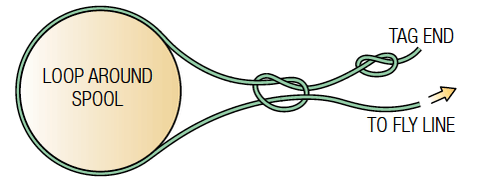
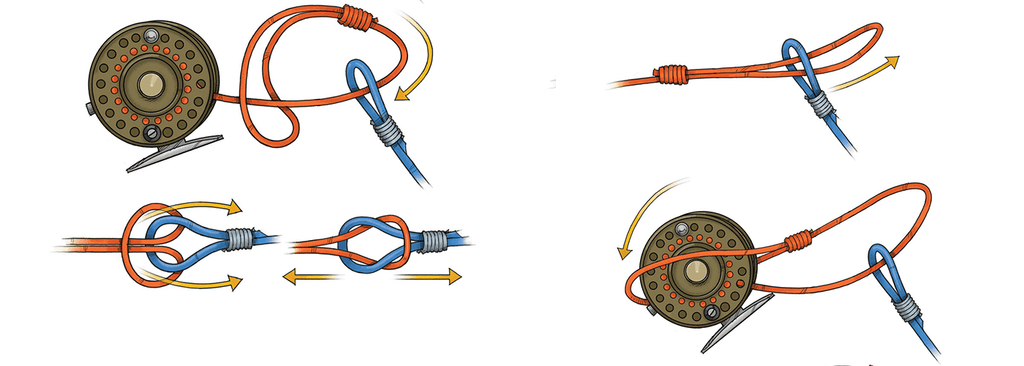
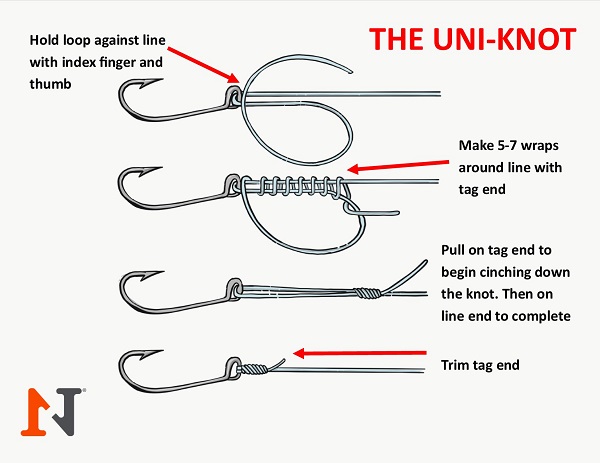
Tying The Arbor Knot
The arbor knot is a strong knot to attach the line to the reel spool. It keeps the line from slipping during fishing.
Follow these simple steps to tie the arbor knot securely.
- Wrap the line around the reel spool
- Tie an overhand knot around the main line
- Tie a second overhand knot at the tag end
- Pull both knots tight against the spool
- Trim the tag end close to the knot
Securing The Knot
Securing the knot properly is key to keeping your fishing line attached to the reel. A loose knot can cause the line to slip off while fishing.
Follow careful steps to tighten and test the knot before trimming the excess line for best results.
Tightening And Testing The Knot
After tying the knot, pull the line slowly but firmly to tighten it around the reel spool. Make sure the knot sits neatly without overlapping.
- Hold the reel and line firmly with one hand.
- Pull the tag end of the line gently to tighten the knot.
- Check that the knot is snug and does not slip.
- Test by pulling the main line away from the reel to confirm security.
Trimming Excess Line
Trim the excess tag end of the line close to the knot to avoid tangles. Leave a small tail to ensure the knot does not unravel.
| Trim Length | Reason |
| 2-3 mm | Prevents knot from slipping |
| Too Short | Risk of knot coming undone |
| Too Long | May cause tangling or snagging |
Spooling The Line
Spooling the line means putting fishing line onto your reel. This step is key for smooth casting and reeling.
Proper spooling stops tangles and helps your line last longer during fishing trips.
Maintaining Tension
Keeping tension on the line while spooling is very important. It prevents loose loops that cause tangles.
Use your fingers or a cloth to hold the line tight as it goes onto the reel.
- Hold the line firmly between your fingers
- Keep steady pressure while turning the reel
- Ask a partner to help for better control
Filling The Spool Evenly
Fill the spool with line evenly from one side to the other. Uneven spooling causes problems later.
Move the line back and forth across the spool while winding it in.
- Watch the line lay flat and neat
- Stop if the line bunches up in one spot
- Keep the spool about 1/8 inch from full
Common Mistakes To Avoid
Tying fishing line to a reel seems simple but many make errors. These mistakes can cause line damage or loss of fish.
Knowing what to avoid helps you tie the line properly and keep your gear in good shape.
Overfilling The Spool
Putting too much line on the reel spool leads to problems during casting. The line may tangle or slip off easily.
- Fill the spool about 1/8 inch below the rim.
- Too much line causes backlashes and knots.
- Too little line reduces casting distance and control.
Loose Knots
A loose knot can slip or come undone while fishing. Make sure the knot is tight and secure before you start.
| Common Knot Mistakes | Effects |
| Not pulling the knot tight | Slips off the spool |
| Failing to wet the knot | Friction weakens the line |
| Incorrect knot type | Less strength and durability |
Twisting The Line
Twisted line causes tangles and weak spots. It happens when the line spins during spooling or casting.
- Use swivel connectors to reduce line spin.
- Keep tension on the line while spooling.
- Check for twists regularly and straighten the line.
Tips For Line Maintenance
Maintaining your fishing line helps you catch more fish. Good care keeps the line strong and safe.
Follow simple tips to keep your fishing line in top shape for every trip.
Regular Inspection
Check your fishing line often for damage. Look for cuts, frays, or weak spots that can break.
Inspect the line near the reel and the hook area carefully. Replace any damaged parts quickly.
- Run your fingers along the line to feel for rough spots
- Look for discoloration or cracks in the line
- Check the knots for tightness and wear
- Examine the line after each fishing trip
Replacing Old Line
Old fishing line loses strength over time. It can snap easily and cause lost fish.
Change the line regularly to avoid problems. Use fresh line for better fishing results.
- Remove old line from the reel completely
- Choose the right type and weight of new line
- Wind the new line evenly on the reel
- Test the line tension before fishing

Credit: www.youtube.com
Frequently Asked Questions
How Do You Tie Fishing Line To A Reel Spool?
To tie fishing line to a reel spool, start by threading the line through the reel’s line guide. Wrap the line around the spool two to three times, then tie an arbor knot to secure it. Trim excess line and start winding the reel slowly.
What Is The Best Knot For Attaching Line To A Reel?
The arbor knot is the best choice for attaching line to a reel. It’s simple, strong, and prevents the line from slipping on the spool. This knot ensures the line stays secure during casting and reeling.
How Much Fishing Line Should I Leave When Tying To A Reel?
Leave about 6 to 8 inches of line when tying to the reel. This length allows you to make the necessary wraps and tie a secure knot without wasting line.
Can I Use Any Fishing Line For Tying To A Reel?
Yes, you can use any fishing line, but the type depends on your fishing needs. Monofilament is easiest to tie, while braided lines require extra attention to knot strength.
Conclusion
Tying fishing line to a reel is simple with practice. Use the right knot and tighten it well. Make sure the line is secure to avoid slipping. This skill saves time and frustration on the water. Keep your tools ready and check your line often.
Try these steps next time you fish. Enjoy a smooth and successful fishing experience every trip.