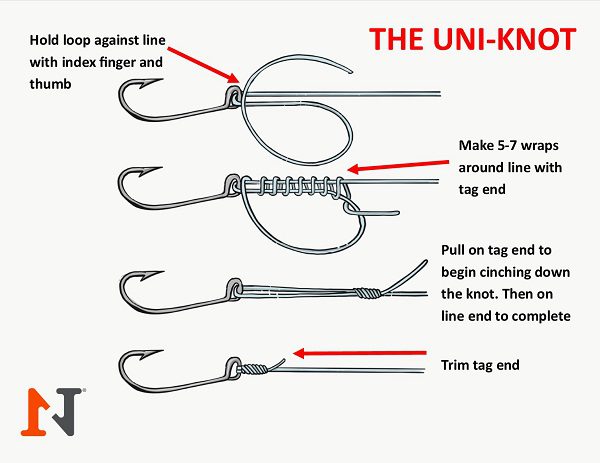
Are you ready to take your fishing game to the next level? Knowing how to tie your line to a fishing reel is a fundamental skill every angler should master.
But let’s face it—getting it just right can be tricky. Have you ever felt frustrated because your line came loose or tangled at the worst possible moment? You’re not alone. Many fishing enthusiasts face this challenge. But don’t worry, because this guide is here to help you.
Imagine the thrill of casting your line with confidence, knowing it’s secure and ready to reel in your next big catch. Intrigued? Keep reading to discover the easy steps that will transform your fishing experience and eliminate those pesky line issues for good.
Choosing The Right Line
Picking the right fishing line is important for a good fishing experience. The line affects how well you catch fish and how strong your setup is.
Different lines work better for certain fishing styles and fish types. Knowing the differences helps you choose the best line for your reel.
Monofilament Vs. Braided Lines
Monofilament is a single strand of nylon. It is stretchy and easier to handle for beginners. It also floats on water, which helps with topwater fishing.
Braided line is made of many thin fibers woven together. It has no stretch and is very strong for its size. It sinks faster and lasts longer than monofilament.
- Monofilament is good for light fishing and easy casting
- Braided line is best for heavy cover and deep water
- Monofilament is cheaper but wears out faster
- Braided line is thinner but may need a leader to avoid fish bites
Line Strength And Diameter
Line strength is measured in pounds (lb) and shows how much weight the line can hold. Choose a line strong enough for your target fish.
Diameter affects how the line moves in water. Thinner lines cast farther but may be weaker. Thicker lines are stronger but harder to cast far.
| Line Strength (lb) | Diameter (inches) | Use |
| 4-8 | 0.008-0.012 | Small fish, panfish, trout |
| 10-20 | 0.013-0.018 | Medium fish, bass, walleye |
| 25-50 | 0.020-0.035 | Large fish, catfish, pike |
Considerations For Different Fish Species
Different fish need different line types and strengths. Small fish need light lines that are less visible. Big fish need strong lines that can handle their fight.
Some fish have sharp teeth or rough mouths. Braided lines or lines with a strong leader help prevent cuts. Always check fish behavior before choosing your line.
- Trout and panfish: use light monofilament lines
- Bass and walleye: medium strength lines work well
- Catfish and pike: heavy braided lines are best
- Saltwater fish: use strong lines with abrasion resistance
Credit: monsterbass.com
Preparing The Reel
Before tying the line to your fishing reel, you need to prepare the reel properly. This helps your fishing line last longer and work better.
Preparing includes cleaning the reel and spooling the line in the right way. Both steps make your fishing experience smoother.
Cleaning And Inspecting The Reel
Start by cleaning your fishing reel. Dirt and old line can cause problems during fishing.
Check for any damage like cracks or loose parts. Fix or replace parts if needed to avoid reel failure.
- Use a soft cloth to wipe the reel
- Remove old fishing line completely
- Inspect the spool and handle for damage
- Apply a small amount of reel oil if needed
Spooling The Reel Properly
Put the fishing line on the reel spool evenly. This prevents tangles and line twists.
Keep the line tight while spooling. This helps the line stay in place during casting and retrieval.
- Attach the line to the spool with a secure knot
- Hold the line tight as you turn the reel handle
- Fill the spool almost to the edge, leaving some space
- Check the line for twists or overlaps
Attaching The Line
Attaching the fishing line to your reel is key for a strong setup. Doing it right helps avoid slipping and line breaks.
This guide shows easy ways to tie your line securely to the reel spool. Follow the steps carefully for best results.
Selecting The Best Knot
Choose a knot that holds tight and is easy to tie. The Arbor knot, Improved Clinch knot, and Palomar knot work well for most reels.
- Arbor Knot: Simple and quick for attaching line to the spool.
- Improved Clinch Knot: Strong and good for monofilament and fluorocarbon lines.
- Palomar Knot: Very strong and easy to tie with braided lines.
Step-by-step Knot Tying
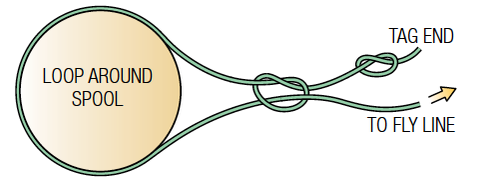
Follow these steps to tie the Arbor knot, a popular choice for reels.
- Wrap the line around the reel spool.
- Tie an overhand knot around the standing line.
- Pull the tag end through the loop you made.
- Moisten the knot with water or saliva.
- Tighten the knot by pulling both ends firmly.
- Trim the tag end close to the knot.
Tips For Tightening The Knot
| Tip | Reason |
|---|---|
| Moisten the knot before tightening | Reduces friction and prevents line damage |
| Pull the line slowly and evenly | Ensures the knot tightens smoothly |
| Leave a small tag end | Prevents the knot from slipping loose |
| Check knot tightness after tying | Confirms a secure attachment |

Credit: www.wikihow.com
Testing The Connection
After tying the fishing line to the reel, it is important to test the connection. This ensures your knot will hold while fishing.
Testing helps you avoid losing your catch or damaging your gear. Focus on knot security and line tension.
Checking Knot Security
Check the knot by pulling the line firmly. The knot should not slip or come undone.
Look for any loose loops or weak spots. Tighten the knot again if needed before fishing.
- Pull the line with steady pressure
- Watch for slippage or unraveling
- Retie if the knot feels weak
Adjusting Line Tension
Set the line tension to allow smooth casting and reeling. Too tight or loose tension causes problems.
Adjust the drag system on your reel. Test by pulling the line to feel resistance and smooth movement.
- Start with medium drag tension
- Pull line to test resistance
- Increase or decrease drag as needed
- Make sure line moves smoothly without slipping
Common Mistakes To Avoid
Tying the fishing line to your reel seems easy but small mistakes cause big problems.
Fixing these errors can save you time and keep your line strong on every cast.
Overlapping Line Issues
When the line overlaps on the spool, it creates tangles and knots during casting.
This happens if you do not keep enough tension or spool the line unevenly.
- Keep steady tension when winding the line on the reel.
- Fill the spool evenly from one side to the other.
- Avoid overfilling the spool to prevent loose loops.
Loose Knots And Line Slippage
Tying loose knots causes the line to slip off the reel during use.
Always pull the knot tight and test it before fishing to avoid losing fish or gear.
- Use strong, simple knots like the improved clinch knot.
- Pull the knot firmly to secure the line.
- Check the knot for slippage before each trip.

Credit: windrider.com
Maintaining Your Setup
Keeping your fishing reel and line in good shape helps you catch more fish. Regular care stops problems before they start.
This guide shows simple ways to maintain your setup for better fishing trips.
Regular Line Replacement
Fishing line wears out from use and sun exposure. Change it often to avoid breaks while fishing.
Check your line for cracks or frays before every trip. Replace it if you see damage or after several uses.
- Remove old line carefully from the reel
- Choose the right line strength for your fishing
- Spool the new line evenly on the reel
- Test the line tension before fishing
Reel Maintenance Tips
Clean your reel after each use to keep it working smoothly. Dirt and salt can cause damage over time.
Use a soft cloth and mild cleaner to wipe the reel. Lubricate moving parts with reel oil or grease regularly.
- Rinse reel with fresh water after saltwater fishing
- Dry the reel completely before storing
- Check screws and parts for tightness
- Store reel in a dry, cool place
Frequently Asked Questions
How Do I Tie Fishing Line To A Reel Quickly?
To tie fishing line quickly, use the improved clinch knot. Thread the line through the reel’s spool hole. Wrap the tag end around the main line five times. Pass it through the loop near the spool. Pull tight and trim excess line for a secure knot.
What Is The Best Knot For Fishing Reels?
The improved clinch knot is ideal for tying line to reels. It provides strong, reliable hold and is easy to tie. This knot prevents slipping and works well with various line types like monofilament and fluorocarbon.
How Much Line Should I Attach To The Reel?
Attach about 6 to 8 inches of line for tying. This length gives enough room to create secure knots. Avoid using too little line, which can cause weak knots, or too much, which wastes line and complicates the process.
Can I Tie Fishing Line Without Tools?
Yes, you can tie fishing line by hand without tools. Use your fingers to thread, wrap, and tighten the knot. Tools like scissors help trim excess line but are not mandatory for securing the line to the reel.
Conclusion
Tying a line to your fishing reel is simple with practice. Use the right knot for a strong hold. Make sure the line is tight and neat on the spool. Check your work before you start fishing. A well-tied line helps you catch more fish.
Keep practicing to improve your skill. Soon, it will become a quick, easy task. Enjoy your time by the water with confidence.