Are you struggling to keep your grow tent at the right temperature? You’re not alone.
Many indoor gardeners face the challenge of cooling down their grow tents to ensure their plants thrive. When temperatures soar, your plants can become stressed, leading to stunted growth or even the dreaded crop failure. But don’t worry; with the right strategies, you can create the perfect environment for your green friends.
Imagine a thriving indoor garden with lush, healthy plants, free from the heat stress that can hold them back. In this guide, you’ll discover simple, effective methods to cool down your grow tent and nurture your plants to their full potential. Keep reading to transform your gardening experience and achieve the results you’ve always wanted.
Causes Of Heat In Grow Tents
Grow tents can get very hot during plant cultivation. Understanding what causes heat helps keep plants healthy. Several factors add to the temperature inside the tent.
Knowing the main heat sources lets you plan to cool the tent. This guide covers common causes of heat in grow tents.
Lighting Heat Output
Grow lights produce heat as they run. Some types of lights give off more heat than others. High-intensity discharge (HID) lights, like HPS and MH bulbs, create a lot of heat. LED lights run cooler but still add some warmth.
- HID lights generate significant heat and need cooling.
- LED lights produce less heat but still affect temperature.
- Leaving lights on too long raises tent heat.
- Light placement close to plants traps heat near them.
Ventilation Issues
Poor ventilation causes heat to build up inside the tent. Without good airflow, hot air stays trapped. Exhaust fans remove warm air outside. Intake fans bring in cooler air. Blocked vents or small fans reduce air movement.
| Ventilation Problem | Effect on Tent Heat |
| Blocked exhaust | Traps hot air inside |
| Weak intake fan | Reduces fresh air flow |
| Small vents | Limits air exchange |
| No circulation fan | Causes stagnant air |
External Temperature Factors
The outside temperature affects the tent’s heat. Warm rooms or spaces raise the tent’s internal heat. Direct sunlight on the tent walls adds extra warmth. Poor insulation lets outdoor heat transfer inside.
- Place the tent in a cool, shaded area.
- Avoid direct sunlight on tent fabric.
- Use insulation to block heat transfer.
- Keep room temperature controlled.

Credit: www.reddit.com
Choosing The Right Grow Tent Location
Keeping your grow tent cool is important for healthy plants. Choosing the right location helps control temperature. This guide explains how to pick the best spot for your tent.
A good location can reduce heat buildup and improve air quality. Think about light, temperature, and space before placing your grow tent.
Avoiding Direct Sunlight
Direct sunlight can make the grow tent very hot. It is best to place the tent in a shaded area. This keeps the temperature lower and protects plants.
Windows that get strong sunlight can heat the tent quickly. Avoid rooms with large, unshaded windows. Use curtains or blinds if needed.
Selecting Cooler Areas
Some rooms stay cooler than others. Basements and lower floors often have lower temperatures. These places help keep your grow tent cool.
Try to avoid rooms near heat sources like ovens or heaters. Cooler spots reduce the need for extra cooling devices and save energy.
Space For Airflow
Good airflow helps remove heat from the grow tent. Leave space around the tent so air can move freely. This lowers the temperature inside.
- Keep at least 6 inches of space around all sides
- Place the tent near a window or vent if possible
- Use fans to improve air movement inside the room
Improving Ventilation Systems
Cooling your grow tent is vital for healthy plant growth. Good airflow stops heat build-up inside the tent. Ventilation systems help keep the temperature stable and fresh air circulating.
Using the right fans and ducting can lower heat and humidity. Understanding different ventilation types helps you pick the best setup for your tent.
Intake And Exhaust Fans
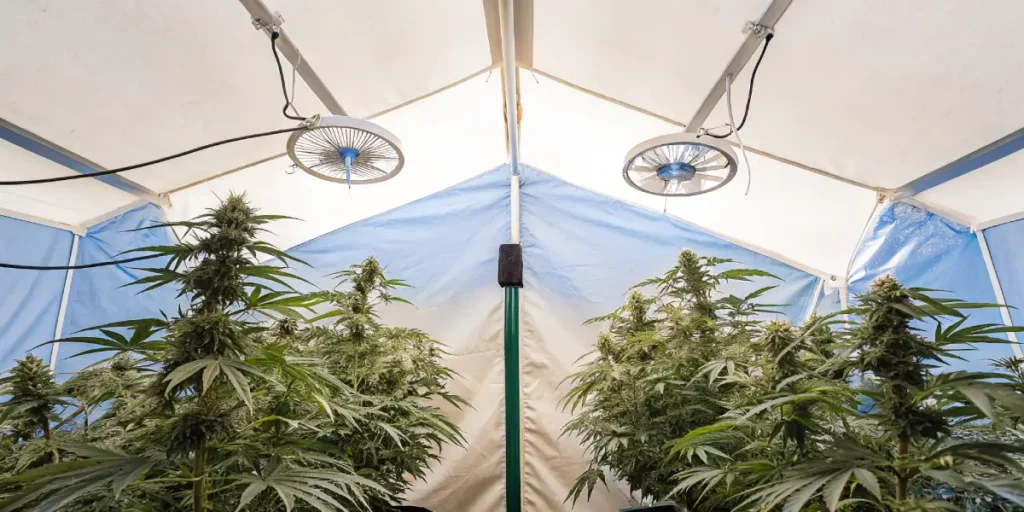
Intake fans bring fresh air into the tent. Exhaust fans push hot air out. Both work together to create a steady airflow. This exchange cools the space and removes excess humidity.
- Place intake fans low to pull in cool air from outside.
- Install exhaust fans high to remove hot air that rises.
- Use fans with adjustable speeds to control airflow.
- Clean fans regularly to keep them working well.
Using Ducting Properly
Ducting guides air between fans and the tent. Proper use cuts noise and stops air leaks. It also helps move air faster and more efficiently.
| Tip | Explanation |
|---|---|
| Use rigid ducting | Less air resistance than flexible ducting. |
| Keep ducting short | Reduces airflow loss and fan strain. |
| Seal connections | Prevents air leaks and loss of pressure. |
| Avoid sharp bends | Maintains smooth air flow inside ducts. |
Passive Vs Active Ventilation
Passive ventilation uses natural airflow without fans. It depends on vents and pressure differences. Active ventilation uses fans to force air movement.
- Passive ventilation:Quiet and low cost, but less control over airflow.
- Active ventilation:Better control and faster air exchange, but uses electricity.
- Combine both types for efficient cooling and fresh air supply.
Credit: blimburnseeds.com
Optimizing Lighting To Reduce Heat
Grow tents can get very hot because of the lights inside. Heat can harm your plants and slow their growth.
Using smart lighting can help keep your grow tent cooler. This saves energy and keeps plants healthy.
Switching To Led Lights
LED lights use less power and produce less heat than traditional lights. They stay cool even when on for many hours.
LEDs also give your plants the right colors for growth. This helps plants grow strong without extra heat.
- Use LED grow lights to reduce heat
- Choose full-spectrum LEDs for plant health
- Replace old bulbs with LED options
Adjusting Light Schedules
Lower the time lights are on to cut down heat. Plants need light, but too much heat can hurt them.
Turn off lights during the hottest parts of the day. This helps cool the tent naturally.
- Set lights to run fewer hours daily
- Turn lights off during midday heat
- Use timers for consistent schedules
Light Distance Management
Keep lights at the right distance from plants. Too close makes heat build up and can burn leaves.
Raising lights helps spread heat away from plants. Use adjustable hangers to change light height as plants grow.
- Measure distance between lights and plants
- Increase gap to reduce heat exposure
- Adjust light height as plants get taller
Using Cooling Devices
Keeping your grow tent cool is important for plant health. Cooling devices help control temperature inside the tent.
These devices improve air flow and lower heat. You can choose different cooling tools based on your setup.
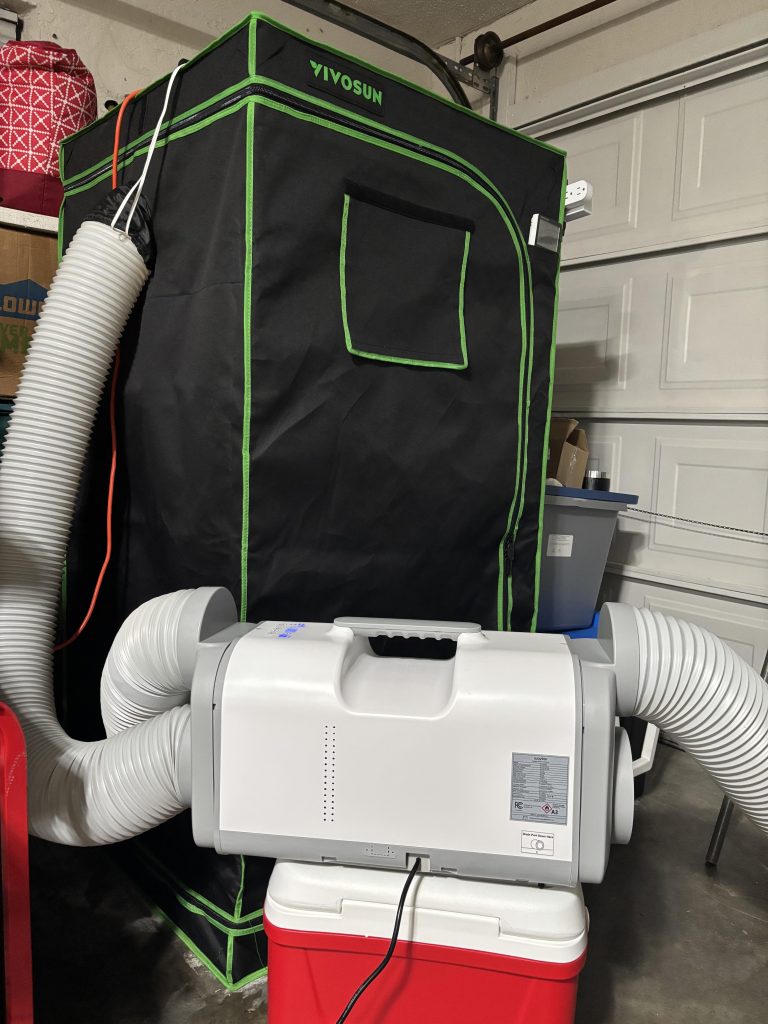
Portable Air Conditioners
Portable air conditioners cool the air by removing heat and moisture. They are easy to move and set up.
These units work well in small to medium grow tents. They keep the temperature steady and protect plants from heat stress.
Evaporative Coolers
Evaporative coolers use water to cool the air. They blow air through a wet pad to lower the temperature.
These coolers work best in dry climates. They add moisture while cooling, which may help some plants.
- Lower energy use than air conditioners
- Increase humidity inside the tent
- Need regular water refilling
Oscillating Fans
Oscillating fans move air around the grow tent. This helps stop hot spots and improves air circulation.
Fans do not cool the air directly but make plants feel cooler. They also help prevent mold and pests.
- Use multiple fans for best air flow
- Place fans to avoid direct wind on plants
- Combine with other cooling devices for good results
Credit: blimburnseeds.com
Insulation And Reflective Materials
Keeping a grow tent cool is important for healthy plants. Insulation and reflective materials help control the temperature inside the tent.
Using the right materials can stop heat from entering and reflect light and heat away. This guide covers key ways to cool your grow tent.
Thermal Insulation Options
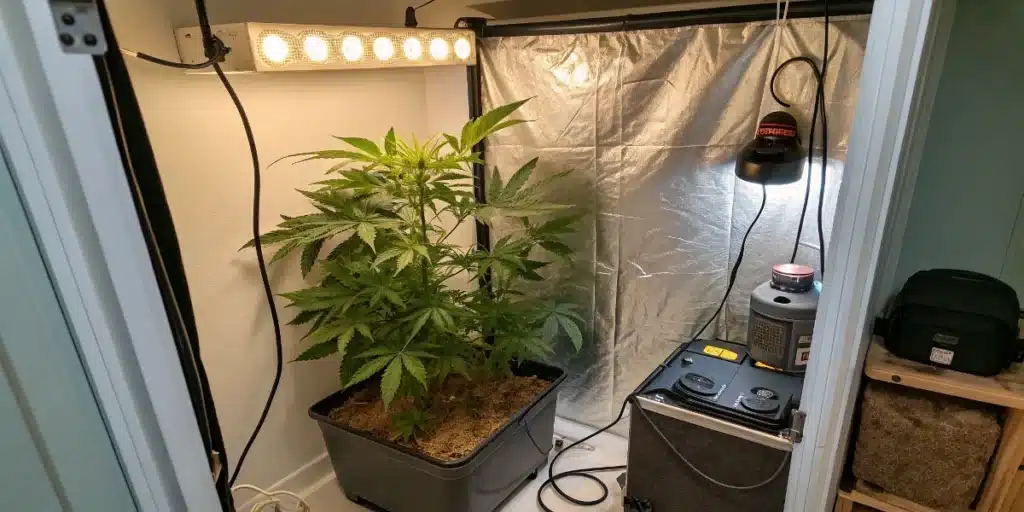
Thermal insulation stops heat from moving into the grow tent. It keeps the inside cooler by blocking outside heat.
- Foam boards: Easy to cut and install on walls and ceilings.
- Fiberglass: Good for sound and heat insulation but needs careful handling.
- Reflective bubble wrap: Combines insulation with light reflection.
- Spray foam: Seals gaps and adds a strong insulation layer.
Reflective Foil And Mylar
Reflective materials bounce light and heat away from your grow tent. This reduces heat buildup inside.
| Material | Reflectivity | Use |
| Mylar Film | Up to 95% | Line tent walls and ceilings |
| Reflective Foil | Around 90% | Wrap ducts and cover surfaces |
| White Paint | About 80% | Paint external tent surfaces |
Sealing Gaps And Leaks
Air gaps let hot air enter and cool air escape. Sealing all cracks keeps the tent cooler and saves energy.
- Use weather stripping on door edges and vents.
- Apply silicone sealant around frame joints and cable holes.
- Check for torn or loose fabric and repair it.
- Cover ventilation openings with mesh to reduce heat entry but keep airflow.
Monitoring And Controlling Temperature
Keeping the temperature right in your grow tent is key for healthy plants. You need tools to check and control heat levels easily.
Good monitoring helps you avoid too hot or too cold conditions. This stops plant stress and keeps growth steady.
Digital Thermometers And Hygrometers
Digital thermometers show the exact temperature inside your tent. Hygrometers measure humidity, which affects temperature feel.
- Check temperature several times a day for accuracy.
- Place sensors away from lights for true readings.
- Use combined thermometer and hygrometer devices for convenience.
- Monitor humidity to prevent mold and heat stress.
Automated Climate Controllers
Climate controllers link sensors to fans, heaters, and humidifiers. They keep conditions stable without constant manual checks.
| Device | Function | Benefit |
| Temperature Controller | Turns on/off heaters or fans | Keeps temperature steady |
| Humidity Controller | Adjusts humidifiers or dehumidifiers | Maintains proper moisture level |
| Combined Controller | Manages both temperature and humidity | Automates grow tent climate fully |
Adjusting Settings Based On Data
Use the data from your devices to change tent settings. Small tweaks improve plant health and avoid damage.
- Review temperature and humidity readings daily.
- Increase ventilation if heat is too high.
- Lower heater setting if temperature is above target.
- Add humidifier if air feels dry to plants.
- Record changes and results to find best settings.
Watering And Humidity Tips
Keeping the right temperature in your grow tent is important for healthy plants. Watering and humidity affect how hot or cool your tent feels.
This guide explains how humidity changes temperature and how to use watering methods to keep your tent cool.
Impact Of Humidity On Temperature
Humidity controls the heat inside your grow tent. High humidity can make the air feel warmer. Low humidity can dry out your plants.
Proper humidity levels help keep the temperature steady. Plants use water to cool down through a process called transpiration.
Using Misting Systems
Misting sprays water into the air. This raises humidity and cools the grow tent by evaporation.
- Misting helps lower air temperature quickly.
- Use timers to control misting intervals.
- Check that mist does not soak plant leaves constantly.
- Combine misting with good airflow to avoid mold.
Balancing Watering Schedules
Watering plants too much or too little changes humidity and temperature in the tent.
| Watering Time | Effect on Humidity | Effect on Temperature |
| Early Morning | Raises humidity moderately | Helps cool tent |
| Midday | Increases humidity more | Can raise temperature if no ventilation |
| Evening | Humidity stays high overnight | May cause dampness and heat buildup |
Diy Cooling Hacks
Growing plants inside a tent can cause heat to build up quickly. Keeping the temperature low is important for healthy plants.
These DIY cooling hacks help cool your grow tent without expensive equipment. They are simple and easy to try at home.
Ice Packs And Frozen Bottles
Ice packs and frozen water bottles work well to lower the air temperature inside your grow tent. They absorb heat as they melt or warm up.
Place them near your intake or exhaust fans. This helps cool the air entering or leaving the tent.
- Freeze water bottles and place them in front of fans
- Use reusable ice packs for less mess
- Replace frozen items regularly to keep cooling effect
- Keep bottles sealed to avoid water spills
Wet Towels And Fans
Wet towels can cool air by evaporation. Combine them with fans to move cool air around your grow tent.
Hang wet towels near an intake fan or place them so a fan blows air over them. This lowers the temperature inside the tent.
- Soak towels in cold water and wring out excess
- Position towels so air flows through them
- Use a fan to spread the cool air
- Replace or re-wet towels when dry
Creative Airflow Boosts
Good airflow helps keep heat from building up. Using simple tricks can improve air movement inside your grow tent.
Try adding small fans or adjusting vents to increase air circulation. This helps plants stay cool and healthy.
- Use clip fans to direct air where needed
- Keep intake vents open for fresh air
- Place fans to create cross ventilation
- Use ducting to guide hot air out
Frequently Asked Questions
How Can I Reduce Heat In My Grow Tent Effectively?
Use proper ventilation, install exhaust fans, and add intake vents. Reflective materials and LED lights also reduce heat inside the tent.
What Role Does Ventilation Play In Cooling A Grow Tent?
Ventilation removes hot air and brings in fresh, cooler air. This exchange controls temperature and prevents heat buildup effectively.
Are Led Grow Lights Better For Cooling Than Hps Lights?
Yes, LED lights emit less heat than HPS bulbs. They save energy and help maintain lower temperatures inside the tent.
How Does A Carbon Filter Affect Grow Tent Temperature?
A carbon filter doesn’t cool the tent but improves airflow by reducing odors. Proper airflow indirectly helps maintain cooler temperatures.
Conclusion
Keeping your grow tent cool helps plants grow healthy and strong. Use fans and ventilation to move hot air out. Place reflective materials to lower heat inside the tent. Water plants carefully to avoid adding extra humidity. Check temperature often to make quick changes if needed.
Small steps make a big difference in tent cooling. Stay patient and observe your plants’ needs daily. A cooler tent means better growth and higher yields. Keep trying different methods until you find what works best. Your plants will thank you with vibrant leaves and flowers.