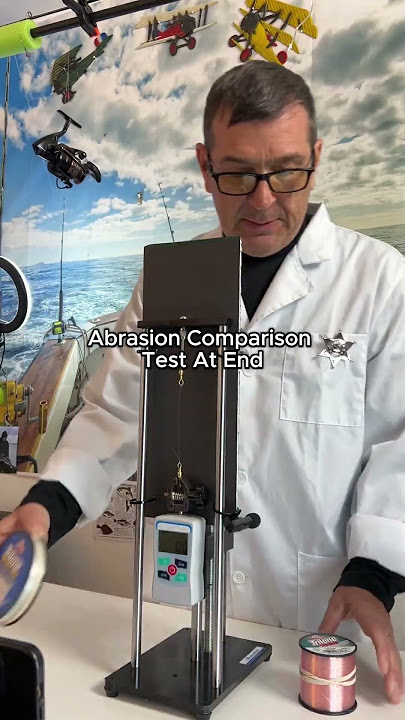
Are you planning your next fishing trip and wondering if your fishing line is up to the task? Ensuring your fishing line is still in good condition is crucial for a successful day on the water.
After all, the last thing you want is to lose a big catch due to a weak or brittle line. This guide will show you simple yet effective ways to test your fishing line’s strength and reliability. By the end, you’ll have the confidence that your gear won’t let you down when it matters most.
Stay with us, and you’ll learn to check your line like a pro, ensuring every cast counts.
Credit: www.lamiglas.com
Signs Of Line Wear
Fishing line wears out over time and use. It is important to check it often to avoid losing fish.
Look for clear signs that show the line is weak or damaged. These signs help you know when to replace the line.
Visible Damage
Check the fishing line closely for any cuts, nicks, or frays. These damages can cause the line to break easily.
- Small cuts or abrasions on the surface
- Frayed or fuzzy spots
- Tiny knots or twisted areas
- Broken strands in braided line
Discoloration
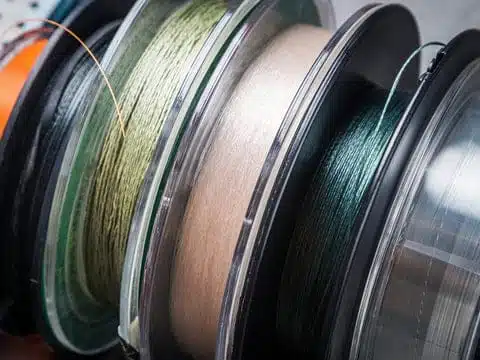
Fishing line can change color after long exposure to sunlight and water. Discoloration shows the line is old or weak.
| Type of Line | Normal Color | Signs of Discoloration |
| Monofilament | Clear or green | Cloudy, yellow, or brown tint |
| Fluorocarbon | Clear | Opaque or yellowed areas |
| Braid | Solid colors | Faded or uneven colors |
Loss Of Flexibility
Old fishing line may feel stiff or brittle. A flexible line bends easily without cracking.
To test flexibility:
- Hold a short piece of line between fingers.
- Bend it gently back and forth.
- Check for stiffness or cracking sounds.
- If the line breaks or feels hard, it needs replacement.
Simple Strength Tests
Fishing lines wear out over time and lose strength. Testing the line helps you avoid losing fish or tackle.
Simple tests can show if your fishing line is still strong enough for use. These tests take only a few minutes.
Tug Test
The tug test checks the line’s overall strength by pulling it hard. Use your hands to pull the line firmly.
If the line stretches a lot or breaks easily, it is weak. A good line will resist breaking under strong pulls.
Knot Test
Tie a simple knot in the fishing line and pull it tight. The knot test checks if the line breaks near knots.
If the line breaks at the knot, it is old or damaged. A strong line holds well even when knotted.
- Tie a basic overhand knot
- Pull the knot tight with your hands
- Check if the line breaks or slips
Stretch Test
The stretch test shows how much the line can stretch without damage. Gently pull the line and feel its elasticity.
If the line feels stiff or snaps quickly, it is weak. Good lines stretch a bit and return to shape.
Float And Sink Check
Testing your fishing line helps you know if it is still good to use. One simple way is the float and sink check. This check shows if the line has changed its properties.
The float and sink test is easy and needs only a container with water. You can do it at home or before you go fishing.
Prepare For The Float And Sink Test
Get a clear container filled with water. Use fresh water at room temperature. Cut a small piece of your fishing line for testing.
Perform The Test
Drop the piece of line into the water. Watch if it floats or sinks. A good line usually floats or stays near the surface. An old or damaged line may sink quickly.
- Float: Line is still strong and clean.
- Sinks slowly: Line may be aged but still usable.
- Sinks fast: Line is likely damaged or weak.
What Affects Float And Sink Behavior
Several factors change how fishing line floats or sinks. These include dirt, water absorption, and wear. Check these to understand your test results better.
| Factor | Effect on Line | Result in Water |
| Dirt or oil | Heavier line | Sinks faster |
| Water absorption | Weakens line | Sinks more easily |
| Wear and tear | Loss of strength | Sinks quickly or breaks |
Tips For Accurate Testing
- Use a clean container to avoid false results.
- Test several pieces from different parts of the spool.
- Dry the line and inspect for cracks or stiffness.
- Repeat the test if unsure about the result.
Credit: gomexus.com
Inspecting Line Memory
Fishing line memory means how much the line keeps its shape after use. Lines with high memory tend to curl or twist. This can cause tangles and knots when casting or reeling.
Checking line memory helps you know if the line is still good or needs replacement. This keeps your fishing experience smooth and avoids line problems.
Look For Coils And Bends
Take some line off the spool and lay it flat. Watch if it holds coils or bends from the spool shape. A line that stays curled has high memory and may cause casting problems.
Compare New And Used Line
Compare a fresh piece of line with the used line from your reel. Notice any differences in stiffness or curl. New line is usually straighter and softer. Used line may be more curved or stiff.
Test Stretch And Recovery
Pull a piece of line and then release it. Good line stretches and returns to its original shape. Line with memory may stay stretched or twisted. This shows it is worn out.
Signs Of Poor Line Memory
- Line holds tight coils after spool removal
- Twists and tangles easily during casting
- Stiff or brittle feel when handled
- Does not return to original shape after stretching
Tips To Reduce Line Memory
| Method | Effect |
| Store line off the reel | Prevents tight coils |
| Use line conditioner | Makes line more flexible |
| Warm the line slightly | Helps relax curls |
| Replace line regularly | Keeps memory low |
When To Replace Your Line
Fishing line wears out over time and use. It is important to know when to replace it. Old or damaged line can break easily.
Testing your fishing line helps avoid lost fish and gear. Check your line regularly to keep it strong.
Signs You Can’t Ignore
Some signs show your fishing line is no longer safe to use. Look closely for these signs before each fishing trip.
- Frays or small cuts along the line
- Discoloration or faded color
- Line feels sticky or stiff
- Line is brittle or snaps easily
- Knots slip or do not hold well
If you see any of these, replace your line immediately. Using damaged line risks losing fish and equipment.
Recommended Replacement Intervals
The time to replace fishing line depends on use and type. Even unused line can weaken over time.
- Monofilament line: Replace every 6 months to 1 year
- Fluorocarbon line: Replace every 1 to 2 years
- Braid line: Replace every 1 to 2 years
- Replace sooner if exposed to sun or saltwater often
- Replace after heavy use or catching large fish
Keep track of when you put on new line. This helps you know when it is time to change it.
Tips To Extend Line Life
Fishing line can weaken over time. Testing if it is still good helps avoid losing fish.
Proper care can make your line last longer and perform better during your trips.
Proper Storage
Store fishing line in a cool, dry place away from heat and moisture. Avoid storing it in direct sunlight.
Keep the line on a spool or in its original packaging to prevent tangles and damage.
- Use sealed containers or bags
- Avoid high temperature areas like car trunks
- Keep line away from sharp objects
Cleaning Techniques
Clean your fishing line after every use to remove dirt and salt. Salt buildup can weaken the line quickly.
Use fresh water and a soft cloth or sponge to gently wipe the line before storing.
- Rinse with fresh water
- Wipe with a clean cloth
- Dry the line completely before storing
Avoiding Sun Damage
Sunlight breaks down fishing line fibers and reduces strength. Avoid leaving line exposed to the sun.
Use covers for reels or store gear in shaded areas to protect the line from UV rays.
- Keep line covered when not in use
- Store fishing gear indoors or under shade
- Replace line regularly if used in sunny conditions
Credit: www.fishtalkmag.com
Frequently Asked Questions
How Do I Check If Fishing Line Is Still Strong?
Test the line by gently pulling it with your hands. Look for any frays, cracks, or weak spots. If it snaps easily or feels brittle, it’s time to replace it.
What Signs Show Fishing Line Has Deteriorated?
Discoloration, stiffness, and visible abrasions indicate deterioration. Also, a rough texture or reduced stretch means the line is no longer reliable for fishing.
Can Old Fishing Line Affect My Catch Rate?
Yes, old line can break easily, causing lost fish. It also reduces casting distance and sensitivity, negatively impacting your overall fishing success.
How Often Should I Replace My Fishing Line?
Replace your line every 6 to 12 months or after heavy use. Environmental exposure like sunlight and water weakens the line over time.
Conclusion
Testing your fishing line regularly keeps your gear safe and strong. Small checks can stop big problems later. Feel the line for rough spots or damage. Stretch it gently to see if it snaps easily. Keep your fishing fun by using good, reliable line.
Don’t ignore signs of wear or weakness. A strong line means better chances to catch fish. Stay ready and enjoy every fishing trip with confidence. Simple tests save time and money in the long run.