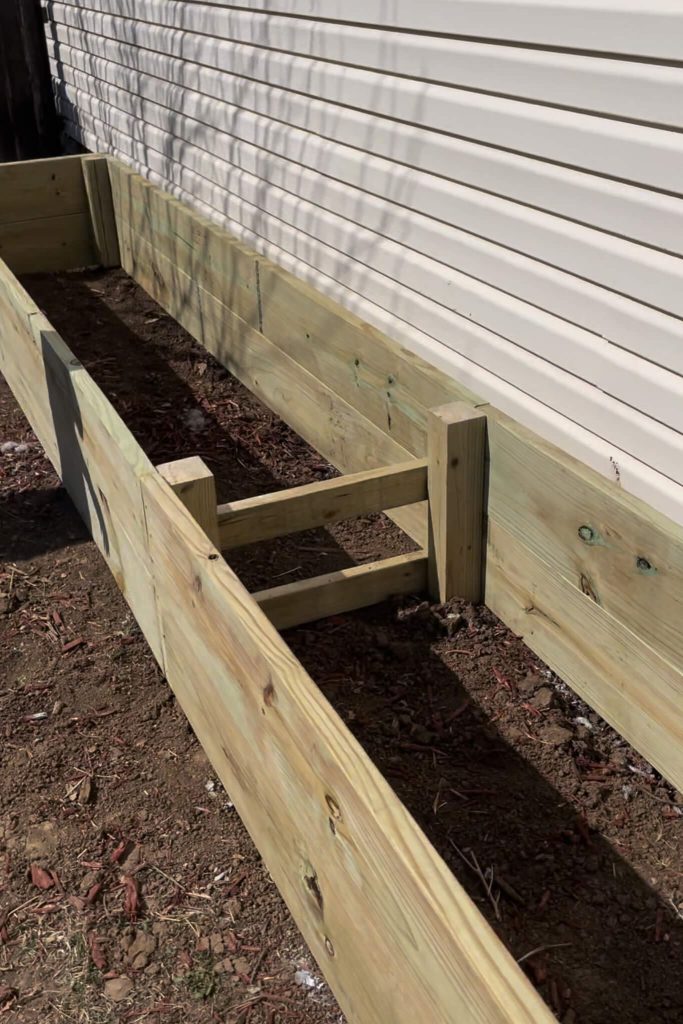
Are you dreaming of a lush, thriving garden but wondering if you should line your raised garden bed? This decision might seem simple, yet it can significantly impact your garden’s success.
Imagine having healthier plants, better soil drainage, and fewer weeds. Sounds great, right? We’ll explore whether lining your raised garden bed is the secret to achieving that vibrant garden you’ve always wanted. Stick with us, and we’ll guide you through the benefits, drawbacks, and everything you need to know to make the best choice for your garden.
Let’s dive in and unlock the potential of your gardening space!

Credit: www.reddit.com
Benefits Of Lining
Lining a raised garden bed helps protect the structure and soil. It keeps the garden healthy and lasting longer.
Different materials can be used to line a garden bed. Each offers specific benefits for your plants and wood.
Protecting Wood From Moisture
Lining blocks moisture from reaching the wooden frame. This stops wood from rotting and breaking down fast.
Wood in contact with wet soil can weaken quickly. A liner acts as a barrier and keeps water away.
Preventing Soil Erosion
A liner helps hold soil in place inside the bed. It stops dirt from washing out after heavy rain.
- Prevents soil loss through drainage holes
- Keeps soil layers intact
- Supports plant roots by maintaining soil depth
- Reduces the need to refill soil often
Controlling Soil Quality
Lining helps separate soil from the ground below. This controls what nutrients and materials mix in.
| Benefit | How Lining Helps |
| Soil pH Control | Prevents unwanted soil mixing |
| Weed Reduction | Stops weeds from growing up through the bed |
| Drainage Control | Allows water to drain without losing soil |
| Nutrient Retention | Keeps fertilizers and compost inside the bed |

Credit: www.reddit.com
Popular Lining Materials
Lining a raised garden bed helps protect the wood and soil. It also controls weeds and moisture. Different materials work well for different needs.
Here are some popular materials to line your raised garden bed. Each has its own benefits and drawbacks.
Landscape Fabric
Landscape fabric is a woven material that lets water pass through. It blocks weeds and keeps soil in place. This fabric is easy to cut and install.
- Allows water and air flow
- Prevents weeds from growing
- Durable and long-lasting
- Needs to be secured well
Plastic Sheeting
Plastic sheeting stops water and air from passing. It protects the wood from moisture but can trap water in soil. Use it only if good drainage exists.
Rubber Liners
Rubber liners are strong and flexible. They last a long time and block water well. Rubber is safe for plants if it is non-toxic and thick enough.
| Feature | Landscape Fabric | Plastic Sheeting | Rubber Liners |
| Water Permeability | Yes | No | No |
| Durability | Medium | Low | High |
| Plant Safety | Safe | Safe but watch drainage | Safe if non-toxic |
| Weed Control | Good | Excellent | Excellent |
Metal Sheets
Metal sheets are strong and last for many years. They do not let water pass but can heat the soil. Metal edges might need covering to protect plants and hands.
Choosing The Right Liner
Raised garden beds often need liners to protect wood and soil. Choosing the right liner can affect the bed’s life and your plants’ health.
Consider durability, environmental effects, and costs before picking a liner. Each factor helps you find the best fit for your garden.
Durability Factors
A good liner must last through wet soil and sun exposure. It should resist tears and break down slowly over time.
- Plastic liners last long but may crack in cold weather.
- Rubber liners stretch and resist damage well.
- Natural fiber liners break down faster but help soil breathe.
- Metal liners are strong but can rust and heat up soil.
Environmental Impact
Think about how your liner affects the earth. Some liners add waste, while others support healthy soil and water flow.
| Liner Type | Biodegradable | Recyclable | Soil Friendly |
| Plastic | No | Sometimes | No |
| Rubber | No | Yes | Yes |
| Natural Fibers | Yes | No | Yes |
| Metal | No | Yes | No |
Cost Considerations
Liner prices vary by material and size. Balance your budget with the liner’s life and benefits.
- Plastic liners are usually the cheapest.
- Rubber liners cost more but last longer.
- Natural fiber liners are affordable but may need replacing sooner.
- Metal liners have high upfront costs.
Credit: www.gardenary.com
Potential Drawbacks
Lining a raised garden bed can seem helpful, but it also has some downsides. It is important to know these before starting your garden project.
Some problems come from how the liner affects water flow, plant roots, and the materials used. These issues can affect your plants and bed durability.
Restricted Drainage
Liners can block water from draining well. Poor drainage causes water to collect inside the bed.
Standing water may lead to root rot and other plant diseases. Good drainage helps keep plants healthy.
- Liners without holes stop water from passing through
- Water buildup harms roots and soil health
- Excess moisture attracts pests and fungi
Root Growth Limitations
Some liners create barriers that stop roots from growing freely. Plants need space to spread their roots well.
If roots cannot grow outside the bed, plants may become weak or crowded. This limits plant size and health.
- Liners block roots from reaching natural soil
- Restricted roots may stunt plant growth
- Plants become less stable and less productive
Material Degradation
Some lining materials break down fast in soil and sunlight. This means the liner needs replacement sooner.
Degraded materials can release harmful chemicals into the soil. This can affect plant health and soil quality.
- Plastic liners may crack or tear over time
- Natural liners can rot and lose strength
- Chemical breakdown may harm plants
Installation Tips
Lining a raised garden bed helps protect the wood and soil. It keeps roots safe from chemicals and pests. Proper installation ensures your bed lasts longer.
Use the right materials and follow simple steps. This guide covers preparing the bed, securing the liner, and ensuring drainage.
Preparing The Bed
Start by cleaning the inside of the bed. Remove any nails or splinters that could tear the liner. Smooth the wood surface before adding the liner.
Check the bed for damage. Fix cracks or loose boards to keep soil contained. A strong frame supports the liner and soil well.
Securing The Liner
Choose a durable liner made for garden use. Cut it so it fits inside with some overlap at the edges. Attach the liner firmly to the bed.
- Use a staple gun to fix the liner to the wood.
- Place staples every 6 to 8 inches along the edges.
- Fold excess liner inside to avoid gaps.
- Avoid sharp folds that can cause tears.
- Check the liner for holes or weak spots.
Ensuring Proper Drainage
Drainage prevents water buildup that harms plants. The liner should allow water to escape while holding soil.
| Drainage Tip | Reason |
|---|---|
| Cut small holes in the liner | Allows excess water to drain |
| Place gravel at the bottom | Improves water flow and aeration |
| Use breathable fabric liners | Prevents waterlogging while keeping soil |
Alternatives To Lining
Raised garden beds often need protection from soil and moisture damage. Instead of lining the beds, you can try other methods. These alternatives help keep your garden healthy and your bed lasting longer.
Here are some practical options to consider for protecting your raised garden beds without lining them.
Using Rot-resistant Wood
Choose wood types that naturally resist rot and decay. Cedar and redwood are popular choices. These woods last longer without the need for chemical treatments.
Using rot-resistant wood helps your garden bed stand up to moisture. It also reduces maintenance and saves money in the long run.
Regular Maintenance
Maintaining your raised bed can prevent damage without lining. Check the wood for signs of wear or rot often. Fix issues before they get worse.
- Inspect wood every few months
- Remove any debris that holds moisture
- Apply natural wood sealants if needed
- Replace damaged boards promptly
Natural Barriers
Natural barriers protect wood from soil and moisture. Materials like gravel or landscape fabric work well. They keep wood dry and extend its life.
| Barrier Type | Benefit | Installation Tip |
|---|---|---|
| Gravel | Improves drainage | Place a layer under the soil |
| Landscape Fabric | Prevents soil contact | Secure tightly to bed walls |
| Plastic Sheeting | Blocks moisture | Use breathable types only |
Frequently Asked Questions
Should I Line My Raised Garden Bed?
Lining a raised garden bed helps retain soil and moisture. It also protects wood from rot. However, choose breathable liners to avoid waterlogging and root damage.
What Materials Are Best For Lining Raised Beds?
Use landscape fabric, plastic liners, or pond liners. Landscape fabric allows drainage, while plastic retains moisture. Choose based on your garden’s needs and plant types.
Does Lining Affect Soil Drainage In Raised Beds?
Yes, liners can impact drainage. Breathable materials improve water flow, while plastic liners may trap water. Proper drainage prevents root rot and promotes healthy plant growth.
Can Lining Prevent Weed Growth In Raised Beds?
Yes, lining with landscape fabric blocks weeds effectively. It creates a barrier, reducing weed invasion from below. This saves time and effort in garden maintenance.
Conclusion
Lining a raised garden bed can protect wood and soil. It helps keep pests away and controls moisture well. Not all gardens need lining, but it suits many types. Choose materials that match your garden’s needs and budget. Think about drainage and plant health too.
A well-lined bed can last longer and grow better plants. Decide based on your space and goals. Start small and learn what works best for you. Gardening is a journey—enjoy each step along the way.