Struggling with your sleeping bag after a long day outdoors? You’re not alone.
Rolling your sleeping bag the right way can save you space, keep it clean, and make packing up quick and easy. Imagine having more room in your backpack and less hassle when it’s time to move. You’ll discover simple, step-by-step tips to roll your sleeping bag perfectly every time.
Stick with me, and you’ll never wrestle with a bulky, messy sleeping bag again.

Credit: www.amazon.co.uk
Choosing The Right Spot
Picking a good spot to roll your sleeping bag helps keep it clean and dry. It also makes packing easier and protects the bag from damage.
Look for a flat, dry place free from sharp objects. This helps keep your sleeping bag in good shape for many trips.
Find A Flat Surface
A flat surface keeps your sleeping bag even when you roll it. Avoid slopes or uneven ground to prevent wrinkles or damage.
Avoid Moist Or Wet Areas
Rolling your sleeping bag on wet ground can cause it to stay damp. Dampness can lead to mold or bad smells. Always check the ground before you start.
Clear Away Debris And Sharp Objects
Remove sticks, rocks, and other sharp things from the area. These can tear your sleeping bag fabric or make rolling difficult.
- Pick up sticks and branches
- Brush away leaves and dirt
- Check for glass or metal scraps
- Look out for insects or bugs
Choose A Spot With Good Airflow
Good airflow helps dry your sleeping bag if it is damp. Avoid tight spaces with poor ventilation. Open areas or near a gentle breeze are best.
Keep Away From Fire Or Heat Sources
Do not roll your sleeping bag too close to campfires or heaters. Heat can damage the materials and reduce its warmth.
Preparing Your Sleeping Bag
Rolling your sleeping bag starts with good preparation. This makes it easier to pack and saves space.
Take your time to prepare the sleeping bag well. This keeps it clean and in good shape.
Lay It Flat
Spread your sleeping bag on a clean, flat surface. This helps to avoid wrinkles and lumps.
Make sure the bag is fully open. Lay it with the zipper side up for easier rolling.
Smooth Out Wrinkles
Run your hands over the sleeping bag to remove wrinkles. This makes rolling tighter and neater.
Check for any folds or creases. Straighten them out before you start rolling.
Folding Techniques
Rolling a sleeping bag properly saves space and keeps it clean. Different folding methods suit different needs and types of bags.
This guide explains two popular folding techniques to help you pack your sleeping bag well.
Simple Fold Method
The simple fold method is easy and fast. It works best for most sleeping bags and small spaces.
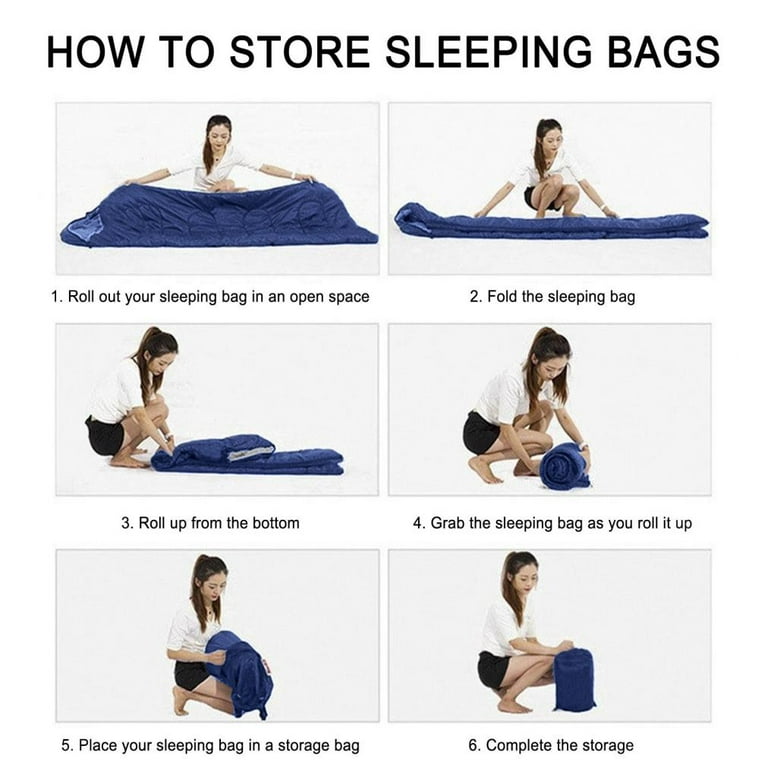
- Lay the sleeping bag flat on the ground.
- Fold the bag in half lengthwise, matching the edges.
- Fold it in half again if the bag is very long.
- Start rolling from the bottom, keeping it tight.
- Secure the roll with straps or cords.
Accordion Fold Method
The accordion fold method keeps the sleeping bag compact and easy to carry. It uses a back-and-forth folding style.
| Step | Action |
|---|---|
| 1 | Spread the sleeping bag flat on a clean surface. |
| 2 | Fold the bag widthwise into sections about 12 inches wide. |
| 3 | Continue folding back and forth, like an accordion. |
| 4 | Once folded, roll the bag tightly from one end. |
| 5 | Use straps or a bag to keep it secure. |

Credit: trendtents.com
Rolling Your Sleeping Bag
Rolling a sleeping bag properly keeps it compact and easy to carry. It also helps protect the insulation inside from damage.
Follow simple steps to roll your sleeping bag tightly and evenly. This saves space in your backpack and makes packing faster.
Start From The Foot End
Begin rolling your sleeping bag from the foot end, not the head. This method traps air inside and keeps the insulation lofted.
Lay the sleeping bag flat and smooth out wrinkles. Then fold the hood or top part back if possible before rolling.
Keep It Tight And Even
Roll the sleeping bag tightly to reduce its size. Keep the roll even to avoid bulges or weak spots.
- Press down gently as you roll to squeeze out air.
- Use your hands to guide and shape the roll evenly.
- Secure the rolled bag with straps or cords if available.
- Check that no parts are loose or sticking out.
Securing The Roll
Rolling a sleeping bag tightly is only half the job. You need to secure it well. This keeps it compact and easy to carry.
There are simple ways to fasten the roll. Using straps or a stuff sack helps keep your sleeping bag neat and ready.
Using Straps Or Ties
Straps or ties hold your rolled sleeping bag firmly. They stop it from unrolling during travel or storage.
- Place straps around the rolled sleeping bag at both ends and the middle.
- Tighten the straps so the roll stays firm but not crushed.
- Use adjustable straps with buckles for easy tightening and release.
- If no straps are available, use strong fabric ties or cords.
- Check straps regularly to keep them from loosening.
Stuff Sack Tips
Stuff sacks help protect and compress your sleeping bag. They save space and keep the bag clean.
| Tip | Benefit |
|---|---|
| Push the sleeping bag firmly into the sack | Compresses the bag tightly |
| Use the sack’s compression straps | Keeps the roll small and secure |
| Close the sack tightly with its drawstring or zipper | Prevents dirt and moisture from entering |
| Store the sack in a dry place | Maintains sleeping bag condition |
Storing Your Sleeping Bag
Proper storage keeps your sleeping bag safe and ready to use. It stops damage and saves space.
Different storage methods fit short-term and long-term needs. Use the right way to keep it fresh.
Short-term Storage
After a trip, dry your sleeping bag completely. Store it loosely to keep its shape.
Use a large mesh sack or cotton bag. Avoid tight compression bags for short storage.
- Keep it in a cool, dry place
- Do not pack it tightly
- Keep it away from direct sunlight
Long-term Storage
For long storage, keep your sleeping bag loose to protect insulation. Use a large storage sack.
Store in a dry, dark place with good air flow. Avoid basements or attics with moisture.
- Use a large cotton or mesh storage sack
- Hang it or store flat if possible
- Check it every few months for moisture
Common Mistakes To Avoid
Rolling a sleeping bag may seem simple, but many people make mistakes. These errors can cause the bag to take more space or get damaged.
Knowing what to avoid helps keep your sleeping bag in good shape and easy to carry.
Not Laying The Bag Flat
One common mistake is not spreading the sleeping bag flat before rolling. Wrinkles or folds can make rolling uneven and bulky.
Rolling Too Tightly Or Too Loosely
Rolling too tight can damage the insulation inside the bag. Rolling too loose wastes space in your backpack.
- Roll firm but gentle to protect the filling
- Avoid squeezing the bag into a small roll
- Keep the roll compact enough to save space
Forgetting To Zip Up Fully
Leaving the sleeping bag partially unzipped causes uneven rolling and may trap air inside. This can make the bag bulky and hard to pack.
Ignoring The Stuff Sack Directions
Stuff sacks often have a recommended way to pack your bag. Ignoring these can lead to poor fit or damage to the sack and bag.
| Mistake | Effect | How to Avoid |
| Not Laying Flat | Uneven roll, bulky bag | Smooth out wrinkles before rolling |
| Rolling Too Tight | Damage to insulation | Roll gently but firmly |
| Rolling Too Loose | Wastes space | Keep roll compact |
| Forgetting to Zip | Bulky, uneven roll | Always zip fully |
| Ignoring Sack Directions | Poor fit, damage | Follow sack instructions |

Credit: www.davistent.com
Maintaining Your Sleeping Bag
Keeping your sleeping bag clean and in good shape helps it last longer. Proper care ensures it stays warm and comfortable on every trip.
Follow simple steps to clean and fix your sleeping bag. This will protect its materials and maintain its performance.
Cleaning Tips
Washing your sleeping bag needs care to avoid damage. Use gentle soap and cold water to keep the filling and fabric safe.
- Use a front-loading washing machine or wash by hand.
- Choose a mild detergent made for delicate fabrics.
- Wash on a gentle cycle with cold water only.
- Do not use bleach or fabric softeners.
- Rinse the bag twice to remove all soap.
- Air dry flat or tumble dry on low heat with tennis balls inside.
Repairing Small Tears
Fixing small tears quickly stops them from getting bigger. Use the right tools to repair without harming the sleeping bag.
| Tool | Use |
| Fabric repair tape | Quick fix for small holes on the outside fabric |
| Needle and thread | Stitch tears carefully with strong thread |
| Seam sealer | Apply on stitches to prevent leaks and strengthen repair |
Frequently Asked Questions
How Do You Properly Roll A Sleeping Bag?
To roll a sleeping bag properly, lay it flat and zip it up. Start rolling tightly from the foot end, pushing out air. Keep the roll compact, then secure it with straps or a stuff sack for easy storage and transport.
Why Is Rolling A Sleeping Bag Important?
Rolling a sleeping bag saves space in your backpack and protects the insulation. Proper rolling prevents damage and keeps the bag clean. It also makes packing quicker and more efficient during camping trips.
What Is The Best Technique To Avoid Wrinkles?
Smooth out wrinkles before rolling your sleeping bag tightly. Roll slowly and evenly to maintain shape. Avoid folding sharply to protect insulation layers and extend the bag’s lifespan.
Can I Roll A Sleeping Bag When Wet?
It’s best to avoid rolling a wet sleeping bag. Moisture can cause mildew and damage insulation. Instead, air dry it fully before rolling and storing to keep it fresh and durable.
Conclusion
Rolling a sleeping bag takes practice and patience. Start by laying it flat and folding carefully. Roll tightly to save space and keep it neat. Use straps or cords to hold the roll together. A well-rolled sleeping bag fits easily in your backpack.
This simple skill makes packing faster and camping more enjoyable. Keep trying, and soon it will feel natural. Ready for your next outdoor trip!