
Are you ready to grow your own fresh vegetables and beautiful flowers but don’t know where to start? A raised bed garden might be the perfect solution for you.
It’s easier to manage, saves space, and helps your plants thrive. Imagine stepping outside to pick your own homegrown produce—fresh, healthy, and full of flavor. You’ll discover simple, step-by-step tips to create your very own raised bed garden, even if you’ve never gardened before.
Keep reading, and soon you’ll be on your way to enjoying a vibrant garden that you built yourself.
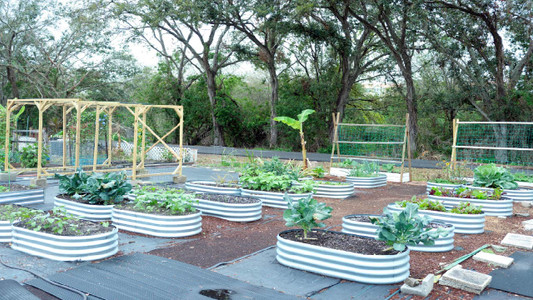
Credit: www.dripworks.com
Choosing The Right Location
Picking the right place for your raised bed garden is very important. It helps plants grow healthy and strong.
Look for a spot that has good sunlight, soil, and water access. These factors affect your garden’s success.
Assessing Sunlight Exposure
Most vegetables need at least six hours of sunlight daily. Find a spot that gets full sun, especially in the morning.
Avoid places shaded by trees or buildings. Too little sun can slow plant growth and reduce harvests.
- Check sunlight at different times of day
- Observe shadows from nearby objects
- Choose a spot with at least 6 hours of sun
Considering Soil Drainage
Good drainage keeps water from pooling around roots. Raised beds help drain water, but location still matters.
Choose a place where water does not stay after rain. Avoid low spots or areas near gutters.
- Test soil by digging a hole and filling it with water
- Wait to see if water drains within a few hours
- Pick a spot that dries quickly and does not flood
Access To Water Source
Plants need regular watering, especially in raised beds. Choose a location close to a water source.
This makes watering easy and saves time. Using a hose or watering can is simpler near a tap.
- Find a spot near an outdoor faucet
- Check if you can use a hose or drip irrigation
- Make sure water access is convenient and safe
Selecting Materials For Raised Beds
Choosing the right materials is important for building a raised bed garden. The materials affect how long the bed lasts and how it looks.
Pick materials that are safe for plants and fit your budget. Think about the climate and how much work you want to do.
Wood Options And Treatments
Wood is a popular choice for raised beds because it is natural and easy to work with. Different types of wood last different times outside.
Cedar and redwood resist rot well. Pine is cheaper but needs treatment to last longer. Avoid wood treated with chemicals that can hurt plants.
- Cedar: durable and rot-resistant
- Redwood: natural rot resistance
- Pine: affordable but needs sealing
- Avoid pressure-treated wood with harmful chemicals
Alternative Materials
You can use other materials besides wood for your raised bed. Some last longer and need less care.
Metal, stone, and recycled plastic are good choices. Metal beds heat soil faster but may rust. Stone looks natural but is hard to build.
- Metal: long-lasting, may rust
- Stone: natural look, heavy to build
- Recycled plastic: weatherproof, easy to clean
- Concrete blocks: sturdy, easy to stack
Size And Shape Considerations
Think about how big and what shape your raised bed should be. Size affects how much you can grow and how easy it is to reach plants.
Common widths are 3 to 4 feet so you can reach the middle. Length can be any size but keep paths between beds for walking.
- Width: 3 to 4 feet for easy reach
- Length: as long as space allows
- Height: 6 to 12 inches for most plants
- Shape: rectangle, square, or custom to fit your space
Preparing The Site
Starting a raised bed garden begins with choosing the right spot. Preparing the site well helps your plants grow strong.
This guide covers how to clear the area, level the ground, and install weed barriers before building your raised bed.
Clearing The Area
Remove all grass, weeds, and debris from the spot. This makes space for your raised bed and stops unwanted plants.
Use a shovel or garden hoe to dig out roots and clear the soil. This helps prevent weeds from growing later.
Leveling The Ground
Make the soil flat and even where the raised bed will sit. A level base keeps the bed stable and water spread evenly.
Use a rake or a board to smooth the soil surface. Check for dips or bumps and fix them before building the bed.
Installing Weed Barriers
Lay down a weed barrier fabric or cardboard on the cleared and leveled area. This blocks weeds from growing up into your bed.
Make sure to cover the entire spot under the bed. Overlap edges if needed to stop weed seeds from slipping through.
Building The Raised Bed
Building a raised bed is a great way to start gardening. It helps control soil quality and keeps plants organized.
This guide explains how to build the frame, secure the structure, and add support features for your raised bed.
Assembling The Frame
Choose wood that resists rot, like cedar or redwood. Cut the boards to the size you want for your bed.
Lay the boards on a flat surface and join them to form a rectangle or square.
- Use 2×6 or 2×8 boards for good soil depth
- Make sure corners are square
- Pre-drill holes to prevent wood from splitting
Securing The Structure
Use screws or nails to hold the boards tightly. This keeps the frame strong and stable.
Check that the frame stays square as you fasten the corners.
- Use galvanized screws to avoid rust
- Drive screws at least two inches deep
- Attach corner brackets for extra strength
Adding Support Features
Adding support inside the bed stops the boards from bowing out under soil weight.
You can add stakes or cross braces to keep the sides straight and stable.
- Place stakes inside corners and in the middle of long sides
- Use wood or metal supports
- Secure supports with screws or nails
Filling The Bed With Soil
Filling your raised bed with the right soil is key to healthy plants. Good soil holds water and gives plants nutrients.
Choosing the best soil mix and layering it correctly helps plants grow strong. Adding nutrients improves soil fertility.
Choosing Soil Mix
Pick soil that drains well but keeps moisture. A good mix has garden soil, compost, and coarse sand.
This mix gives plants air, water, and nutrients. Avoid heavy clay or pure sand because they do not hold water well.
- 50% good garden soil
- 30% compost or organic matter
- 20% coarse sand or perlite
Layering Techniques
Start by placing coarse materials at the bottom. This helps with drainage and stops water from pooling.
Add soil mix in layers. Firm each layer lightly before adding the next one. This prevents air pockets.
- Bottom layer: small rocks or sticks for drainage
- Middle layers: soil mix added in 6-8 inch layers
- Top layer: rich compost or mulch to protect soil
Improving Soil Fertility
Add natural fertilizers like compost or aged manure to feed plants. These improve soil texture and nutrition.
Mix in organic matter every season to keep soil healthy. Avoid chemical fertilizers that can harm soil life.
- Use compost for steady nutrient release
- Add aged manure for rich nitrogen supply
- Mix in worm castings to boost microbes
- Apply mulch to reduce soil drying
Selecting Plants For Beginners
Choosing the right plants makes starting a raised bed garden easier. Pick plants that grow well with little care.
Focus on plants that suit your climate and soil. This helps your garden thrive and stay healthy.
Easy-to-grow Vegetables
Some vegetables grow fast and need less attention. These are perfect for beginners to get good results.
- Leafy greens like lettuce and spinach
- Radishes that mature quickly
- Carrots with simple soil needs
- Green beans that climb or bush types
- Zucchini and summer squash
Herbs And Flowers
Herbs and flowers add beauty and help your garden stay healthy. Many herbs are easy to grow from seeds.
- Basil and parsley for cooking
- Chives and mint with fresh flavors
- Marigolds to keep pests away
- Sunflowers that attract pollinators
- Lavender for scent and color
Companion Planting Tips
Some plants grow better when placed near each other. This helps protect them and improve growth.
- Plant basil near tomatoes to improve flavor
- Grow carrots and onions together to deter pests
- Marigolds keep harmful bugs away from vegetables
- Beans add nitrogen to soil, helping leafy greens
- Sunflowers provide shade for plants that need it
Planting And Maintenance
Starting a raised bed garden is simple and fun. Proper planting and care help plants grow well.
Good maintenance keeps your garden healthy and productive all season.
Proper Planting Techniques
Use good soil that drains well. Fill your raised bed with a mix of compost and garden soil.
Plant seeds or seedlings at the right depth. Follow the seed packet instructions for spacing.
- Place seeds twice as deep as their size
- Leave enough space between plants for growth
- Plant taller crops on the north side for sunlight
Watering Schedules
Water your garden regularly to keep soil moist. Avoid overwatering to prevent root rot.
Early morning is the best time to water. This reduces water loss and helps plants absorb moisture.
- Water deeply to reach roots
- Check soil moisture before watering again
- Use drip irrigation or soaker hoses for efficiency
Mulching And Weeding
Mulch helps keep soil moist and stops weeds from growing. Use straw, wood chips, or leaves.
Remove weeds often to stop them from taking nutrients and water from your plants.
- Apply mulch in a 2-3 inch layer around plants
- Pull weeds by hand or use a hoe for small beds
- Weed after watering when soil is soft
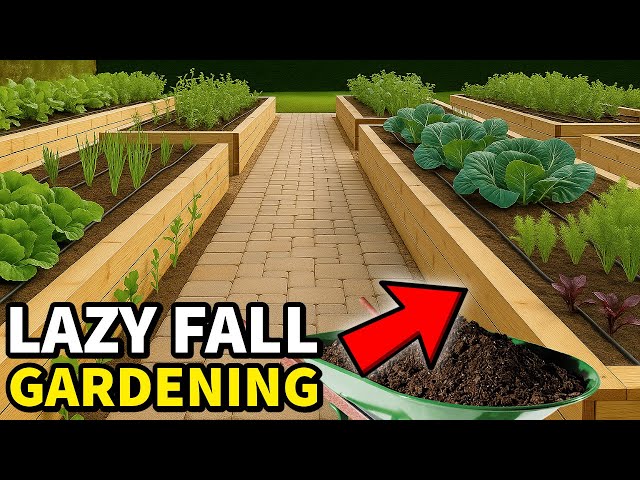
Credit: www.youtube.com
Dealing With Common Issues
Starting a raised bed garden is exciting but can come with challenges. Pests, soil problems, and weather can affect your plants.
Knowing how to handle these issues helps your garden grow healthy and strong. Here are some common problems and tips to fix them.
Pests And Diseases
Insects and diseases can harm your plants by eating leaves or spreading infections. Watch your garden often to catch problems early.
- Use natural predators like ladybugs to control pests.
- Remove damaged or diseased leaves to stop spread.
- Try organic sprays made from neem oil or soap.
- Keep your garden clean and free of weeds.
- Rotate crops each season to reduce disease buildup.
Soil Nutrient Deficiencies
Plants need nutrients from soil to grow. Lack of nutrients can cause weak growth or yellow leaves. Testing soil helps find what is missing.
| Nutrient | Signs | Fix |
| Nitrogen | Yellow leaves, slow growth | Add compost or manure |
| Phosphorus | Dark leaves, poor roots | Use bone meal or rock phosphate |
| Potassium | Leaf edges brown, weak stems | Apply wood ash or kelp meal |
Weather Challenges
Weather changes can stress plants. Too much sun, rain, or cold can damage your garden. Protect plants to keep them healthy.
- Use shade cloths to protect from strong sun.
- Cover plants with plastic or fabric in cold weather.
- Ensure good drainage to avoid waterlogging.
- Water plants early in the morning to reduce evaporation.
- Check weather forecast to plan garden care.
Harvesting And Crop Rotation
Starting a raised bed garden is exciting, and knowing how to harvest crops helps you get the best results. Crop rotation keeps your soil healthy and plants strong.
Good harvesting and rotating crops can make your garden grow better each year. Let’s look at how to do this well.
Knowing When To Harvest
Harvest your vegetables at the right time for the best taste and nutrition. Different plants have different signs for when they are ready.
Watch for changes in size, color, and firmness. Picking too early or too late can affect the quality.
- Leafy greens are best when leaves are young and tender.
- Fruits like tomatoes turn bright and feel slightly soft.
- Root vegetables are ready when they reach expected size.
- Beans and peas should be picked before seeds harden.
Extending The Growing Season
You can grow more food by extending the growing season. Use tools and techniques to keep plants healthy longer.
Raised beds warm up faster in spring and drain well, helping plants grow early and late in the year.
- Cover plants with row covers or plastic for frost protection.
- Plant cold-hardy crops in fall and winter.
- Use mulch to keep soil warm and moist.
- Start seeds indoors to transplant later.
Planning For Next Season
Crop rotation means planting different crops in each bed each year. This helps stop pests and keeps soil full of nutrients.
Plan your garden so that plants from the same family do not grow in the same spot two years in a row.
| Year | Bed 1 | Bed 2 | Bed 3 |
|---|---|---|---|
| Year 1 | Tomatoes (nightshade family) | Beans (legume family) | Carrots (root vegetables) |
| Year 2 | Beans | Carrots | Tomatoes |
| Year 3 | Carrots | Tomatoes | Beans |

Credit: christinecovinoblog.com
Frequently Asked Questions
What Materials Do I Need To Build A Raised Bed Garden?
You need wood, bricks, or metal for the frame. Also, get quality soil, compost, and gardening tools. Choose untreated wood to avoid chemicals. Ensure materials are durable and safe for plants.
How Much Space Is Ideal For A Raised Bed Garden?
A raised bed should be 3-4 feet wide for easy access. Length varies, but 6-8 feet is common. Ensure enough space for sunlight and watering. Leave pathways for comfortable gardening.
What Soil Mix Is Best For Raised Bed Gardening?
Use a mix of garden soil, compost, and peat moss. This blend improves drainage and fertility. Avoid heavy clay or sandy soils alone. Maintain soil pH between 6. 0 and 7. 0 for most plants.
How Often Should I Water A Raised Bed Garden?
Water deeply 2-3 times a week, depending on weather. Raised beds drain faster, so monitor soil moisture closely. Early morning watering reduces evaporation. Adjust frequency during hot or dry periods.
Conclusion
Starting a raised bed garden is simple and rewarding. Choose the right location. Use quality soil. Plant seeds or seedlings. Water regularly. Watch your garden grow. Soon, you’ll enjoy fresh vegetables and herbs. Gardening offers peace and joy. Beginners can learn quickly with practice.
Mistakes help you improve. Enjoy the process. Share your harvest with friends and family. Raised bed gardening connects you with nature. It provides fresh, homegrown food. Keep learning and experimenting. Your garden will flourish over time. Happy gardening!