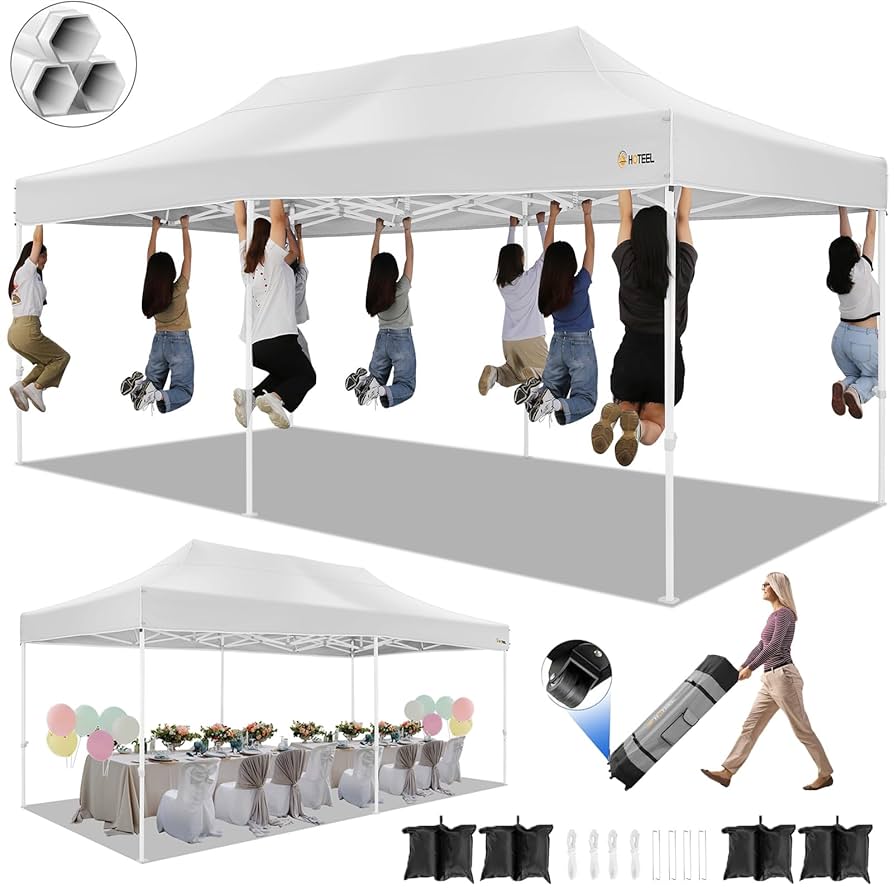
Setting up a canopy tent might seem tricky at first, but it doesn’t have to be. Whether you’re planning a backyard party, a camping trip, or a market stall, having your canopy ready quickly and safely is key.
In this guide, you’ll learn simple steps to set up your canopy tent with ease, even if it’s your first time. By the end, you’ll feel confident and ready to enjoy your outdoor space without the hassle. Keep reading—you’re just minutes away from mastering your canopy setup!
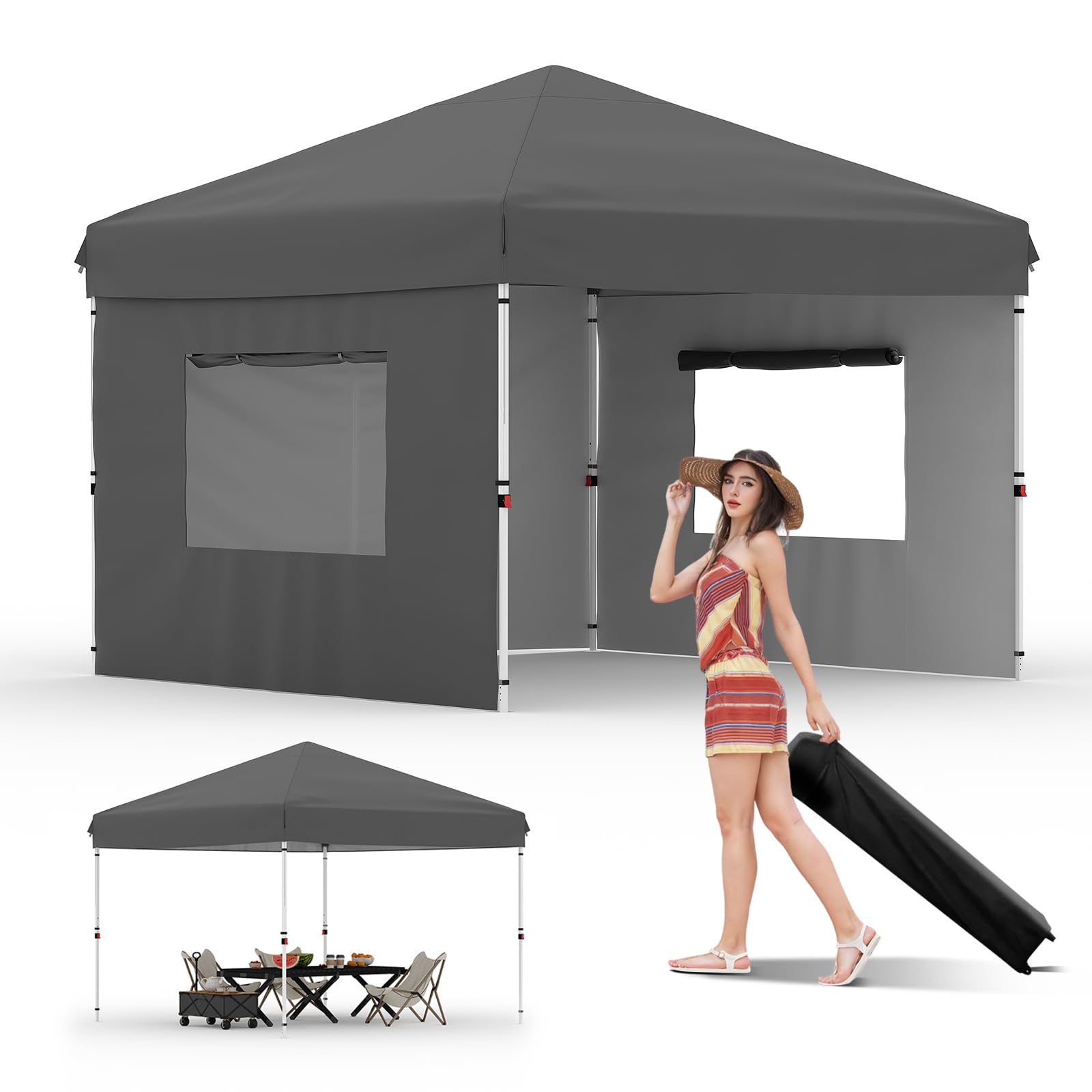
Credit: www.garvee.com
Choosing The Right Canopy Tent
Choosing the right canopy tent makes your outdoor time better. It protects you from sun and rain. Picking the right one depends on several factors.
Think about how many people will use the tent and where you will set it up. Also, the material and style matter for your needs.
Size And Capacity
Size is important. You want a tent that fits your group and gear. Too small feels crowded. Too big can be hard to move.
- Measure the space where you will set the tent.
- Count the people and items you want inside.
- Allow extra space for comfort and movement.
- Check the tent’s size in square feet or meters.
Material And Durability
Material affects how strong and long-lasting the tent is. The frame and canopy fabric must resist weather and wear.
| Material | Features | Best Use |
| Steel Frame | Strong, heavy | Windy areas |
| Aluminum Frame | Lightweight, rust-resistant | Easy transport |
| Polyester Fabric | Water-resistant, UV protection | General use |
| Vinyl Coated Fabric | Waterproof, durable | Heavy rain |
Types Of Canopy Tents
Canopy tents come in many styles. Each style fits different needs and events. Choose one that matches your plan.
- Pop-up Tents:Easy to set up and move.
- Frame Tents:Sturdy and good for long stays.
- Inflatable Tents:Use air for structure, light to carry.
- Retractable Canopies:Adjustable shade and coverage.
Preparing For Assembly
Setting up a canopy tent starts with good preparation. Getting ready helps make the process smooth and safe.
This section covers checking parts, picking a spot, and gathering tools before you build.
Check All Parts
Make sure you have every piece before you begin. Missing parts can delay your setup.
- Frame poles
- Canopy fabric
- Connectors and joints
- Anchors or stakes
- Guy ropes or straps
- Carrying bag
Select A Suitable Location
Pick a flat, open space for your canopy. Avoid areas with low branches or uneven ground.
| Location Feature | Reason |
| Flat ground | Helps keep the tent stable |
| Open area | Provides enough space to work |
| Clear of debris | Prevents damage to the canopy |
| Away from power lines | Ensures safety during setup |
Gather Necessary Tools
Collect tools before starting. Having them ready saves time and effort.
- Rubber mallet for stakes
- Screwdriver or wrench for bolts
- Gloves for hand protection
- Measuring tape to check spacing
- Step ladder for tall frames
Setting Up The Frame
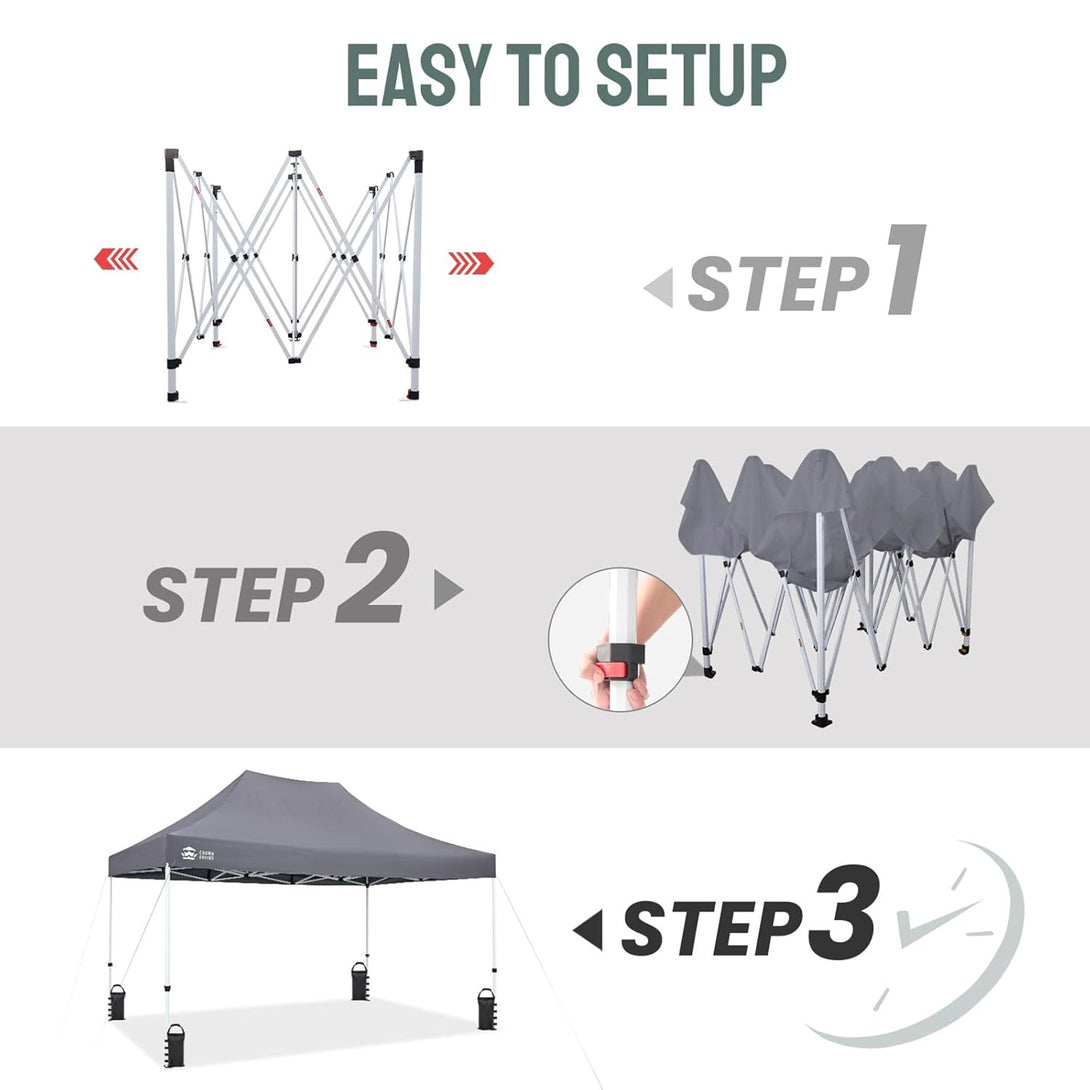
Setting up a canopy tent starts with preparing the frame. The frame supports the canopy and keeps it stable. Follow simple steps to ensure a sturdy setup.
Each part of the frame must be unfolded, extended, and securely locked. This guide explains these parts clearly.
Unfolding The Frame
Begin by placing the folded frame on flat ground. Hold the frame by its corners and pull gently to start unfolding. Make sure the frame spreads out evenly.
Do not force the frame open quickly. Slow and steady unfolding prevents damage to the joints.
Extending The Legs
After the frame is open, extend each leg to raise the canopy. Most legs have multiple height settings for different needs. Extend the legs evenly to keep the tent balanced.
- Unlock the leg locks by pressing or sliding the lock mechanism.
- Pull the leg downward to the desired height.
- Release the lock to secure the leg at the chosen height.
- Repeat for all legs, making sure they match in height.
Locking Mechanisms
Locking mechanisms keep the frame and legs firmly in place. There are different types, such as push buttons, sliding locks, or clamps.
| Lock Type | Description | How to Use |
|---|---|---|
| Push Button | A button pops out to lock the leg. | Push the button in to move leg, release to lock. |
| Sliding Lock | A small latch slides over to block movement. | Slide latch open to adjust, close to lock. |
| Clamp Lock | A clamp tightens around the frame to hold parts. | Open clamp to move, close and tighten to lock. |
Attaching The Canopy Cover
Attaching the canopy cover correctly makes your tent strong and safe. It protects you from sun and rain. Follow simple steps to fix the cover well.
This guide covers how to position the canopy, secure the corners, and adjust the tension for the best fit.
Positioning The Canopy
Start by unfolding the canopy cover. Place it over the tent frame evenly. Make sure all edges hang down equally on each side.
Check that the canopy is not twisted. Align the corners with the frame’s legs. This helps the cover fit smoothly.
Securing The Corners
- Attach each corner strap to the frame’s leg hooks or Velcro fasteners.
- Pull the straps tight to hold the canopy in place.
- Check all corners for equal tightness to avoid sagging.
- If your cover has clips, snap them around the frame edges.
- Use bungee cords if extra security is needed.
Adjusting Tension
Proper tension keeps the canopy taut and stable. Loose fabric can flap in the wind and cause damage.
| Action | Purpose | Tip |
| Tighten corner straps | Remove slack | Do not over-tighten to avoid tearing |
| Adjust center buckles or clips | Keep canopy flat over frame | Check for wrinkles |
| Use tension rods if included | Support middle sections | Place rods under canopy fabric |
Securing The Tent
Setting up a canopy tent is easy, but securing it is important for safety. A well-secured tent stays in place during wind or movement.
This guide explains how to secure your canopy tent using stakes and ropes, weighting down the legs, and checking stability.
Using Stakes And Ropes
Drive stakes into the ground at each leg of the tent. Use a hammer to push them in firmly.
Tie ropes from the tent’s frame to the stakes. Pull the ropes tight to keep the tent steady.
- Place stakes at a 45-degree angle away from the tent
- Use strong ropes or cords for better hold
- Check ropes often to keep them tight
Weighting Down The Legs
Use weights on the tent legs to stop it from moving. This works well on hard surfaces like concrete.
Weights can be sandbags, water bags, or heavy blocks. Place them securely around each leg.
- Fill bags with sand or water for heavier weight
- Use multiple weights if the wind is strong
- Check weights regularly to keep them in place
Checking Stability
After securing the tent, check if it is stable. Gently push on the frame to test its strength.
Tighten ropes or add more weights if the tent moves too much. Repeat until the tent feels firm and safe.
Credit: crown-outdoor.com
Tips For Quick Assembly
Setting up a canopy tent fast saves time and effort. Knowing some simple tips helps the process go smoothly.
Organizing your team and parts before you start makes a big difference. Practice also builds confidence and speed.
Working With A Team
Having more people helps set up the tent faster. Each person can take a specific job to avoid confusion.
- Assign roles like unfolding, holding poles, and attaching fabric
- Communicate clearly to coordinate actions
- Stay patient and help each other
Organizing Parts
Sorting tent parts before you start saves time. Knowing where each piece goes prevents delays.
| Part | Purpose | Tip |
| Frame Poles | Support structure | Lay out in order of assembly |
| Canopy Fabric | Cover for shade | Keep clean and dry |
| Connectors | Join poles | Check for damage before use |
| Anchors | Secure tent to ground | Place near assembly area |
Practice Makes Perfect
Practice assembling the tent several times. Familiarity reduces mistakes and speeds up setup.
Try these tips to improve your speed:
- Read the instructions carefully before starting
- Assemble in a clear, open area
- Practice with your team to improve coordination
- Store parts neatly after use for easy access next time
Troubleshooting Common Issues
Setting up a canopy tent can sometimes be tricky. Some common problems might slow you down.
Knowing how to fix these issues will help you set up your tent faster and safer.
Dealing With Uneven Ground
Uneven ground can make your canopy unstable. It is important to level the tent base.
- Look for the flattest spot possible.
- Use wooden boards or flat stones to support legs on slopes.
- Adjust leg height if your tent has telescoping legs.
- Check that all legs touch the ground firmly before securing.
Fixing Loose Connections
Loose joints or connectors make your canopy weak and unsafe. Tightening these parts is key.
| Common Loose Parts | How to Fix |
| Frame joints | Push or snap pieces firmly until locked |
| Leg locks | Check buttons or clips and secure properly |
| Canopy clips | Reattach or replace if worn out |
| Bolts and screws | Use a wrench or screwdriver to tighten |
Managing Windy Conditions
Wind can damage your canopy or blow it away. Use these tips to keep it safe.
- Secure the tent with heavy weights on each leg.
- Use strong ropes and stakes to anchor the tent.
- Angle the canopy so the wind flows over, not against it.
- Lower the tent height if possible to reduce wind impact.
- Take down the canopy if wind speeds become dangerous.

Credit: www.ergodyne.com
Frequently Asked Questions
How Do You Secure A Canopy Tent?
To secure a canopy tent, use stakes or weights at each leg. Ensure it’s on a flat surface for stability. In windy conditions, use additional ropes or tie-downs to prevent movement. Regularly check and adjust for maximum safety.
What Tools Are Needed To Set Up A Canopy Tent?
Setting up a canopy tent usually requires no tools. Most come with a push-button system for easy assembly. However, having a rubber mallet can help with securing stakes, and a ladder might be useful for taller canopies.
How Long Does It Take To Set Up A Canopy Tent?
Setting up a canopy tent typically takes 10-20 minutes. The time depends on the tent size and experience level. With practice, the process becomes quicker. Having extra hands can also speed up the setup.
Can One Person Set Up A Canopy Tent Alone?
Yes, one person can set up a canopy tent alone. However, assistance makes the process easier and faster. Start by assembling the frame, then attach the canopy cover. Always ensure each corner is securely fastened.
Conclusion
Setting up a canopy tent is easier than it seems. Follow the steps carefully and take your time. Make sure all parts fit well and stay secure. Practice once or twice before your event. A sturdy tent offers shade and protects from rain.
Enjoy your outdoor time with confidence and comfort. Simple tools and a little patience go a long way. Now, you are ready to set up your canopy tent with ease.