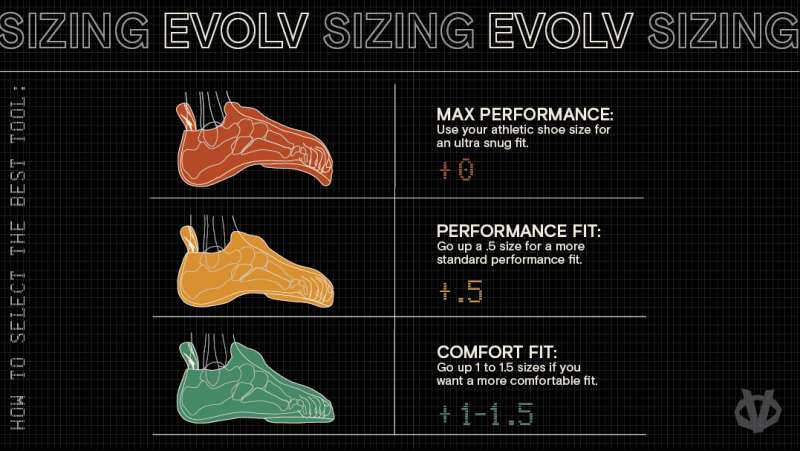
Choosing the right fit for your rock climbing shoes can make all the difference between struggling on a route and climbing with confidence. You might think a tight shoe means better performance, but if it’s too uncomfortable, it can slow you down and even cause injury.
So, how should rock climbing shoes fit to give you the perfect balance of comfort and control? This guide will help you understand exactly what to look for, so you can climb harder, climb longer, and enjoy every moment on the wall.
Keep reading to find out how to get the fit that works best for you.

Credit: www.reddit.com
Choosing The Right Size
Finding the correct size for rock climbing shoes is very important. A good fit helps you climb safely and comfortably.
Climbing shoes should feel snug but not painfully tight. Knowing how to measure and compare sizes can help you choose well.
Measuring Your Foot Accurately
Measure your foot length and width to find your true size. Use a ruler or tape measure for best results.
It helps to measure both feet because one foot may be bigger. Use the larger measurement to pick your shoe size.
- Place your foot on a flat surface with a piece of paper under it
- Mark the longest toe and the back of your heel
- Measure the distance between the marks in centimeters or inches
- Repeat for the other foot
Comparing Brands And Models
Different brands and models fit differently. One size in one brand may feel too small or large in another.
Check size charts for each brand. Read reviews to learn if shoes run big, small, or true to size.
- Look for size charts on the brand’s website
- Compare your foot measurements to the chart
- Try shoes on if possible before buying
- Remember that aggressive shoes fit tighter than comfort models
Considering Socks And Foot Swelling
Think about wearing thin or no socks with climbing shoes. Socks add extra space and change the fit.
Your feet can swell during climbing or long days. Choose shoes that allow slight room for swelling but stay snug.
- Try shoes on with the socks you plan to wear
- Wear shoes after some activity to check fit with swollen feet
- A tight fit is okay but avoid pain or numbness
- Remember that climbing shoes stretch a little over time
Fit Types And Their Impact
Choosing the right fit for rock climbing shoes is very important. The fit affects comfort and climbing performance.
Different fit types suit different climbing styles and foot shapes. Understanding these fits helps you pick the best shoe.
Snug Vs Tight Fit
Snug shoes fit closely but do not cause pain. They offer good control and comfort for longer climbs.
Tight shoes are smaller and press against your feet firmly. They increase precision but can cause discomfort if worn too long.
- Snug fit: Comfortable, good for beginners and long climbs
- Tight fit: Precise, best for short, technical climbs
- Always avoid shoes that cause sharp pain or numbness
Flat Vs Aggressive Shape
Flat shoes have a relaxed shape and less curve. They are comfortable and good for beginners or crack climbing.
Aggressive shoes curve downward and focus pressure on the toes. This helps on steep and overhanging routes.
- Flat shape: Comfortable, best for all-day use
- Aggressive shape: Precise, good for hard climbs
- Pick shape based on your climbing style and comfort needs
Heel And Toe Fit Importance
A good heel fit prevents the shoe from slipping off during climbs. It also improves stability on footholds.
The toe area should fit snugly without pinching. Proper toe fit helps you use small holds better and increases control.
- Heel fit: Secure but not painful, avoids slipping
- Toe fit: Snug for control, avoid dead space inside shoe
- Check both areas before buying to ensure good performance
Comfort Vs Performance Balance
Rock climbing shoes need to fit just right. The fit affects both comfort and climbing ability. Finding the right balance helps you climb better and avoid pain.
Comfort and performance often pull in different directions. Shoes that fit perfectly for performance can feel tight. Comfortable shoes may not give the best support. Knowing when to choose each is key.
When To Prioritize Comfort
Comfort matters most during long climbs or all-day sessions. Shoes that hurt your feet can cause blisters and fatigue. Choose comfort if you are new or climbing easy routes.
Comfort also helps when you need to wear shoes for many hours. It reduces pain and lets you focus on climbing without distraction.
- Long climbing days
- Beginner or casual climbing
- Easy or moderate routes
- Training sessions
When To Choose Performance Fit
Performance fit means a tighter shoe for better control. This fit helps with precision on small holds and steep walls. Choose performance fit for hard or technical climbs.
Shoes that fit for performance may feel snug or tight. This is normal if you want to push your climbing ability and need extra grip.
- Hard or technical climbs
- Short, intense sessions
- Need for better foot placement
- Climbing on small or sharp holds
Adjusting Fit For Different Climbing Styles
Different climbing styles need different shoe fits. Bouldering often needs tighter shoes for power and precision. Trad climbing needs comfort for long wear and protection.
Sport climbing can use a balance of comfort and performance. Adjust your shoe fit based on how you climb and how long you wear shoes.
- Bouldering: tighter, performance fit
- Trad climbing: comfortable, relaxed fit
- Sport climbing: balanced fit
- Indoor climbing: depends on session length
Signs Of Poor Fit
Wearing rock climbing shoes that do not fit well can cause discomfort and harm. It is important to know the signs that show your shoes may be too tight or too loose.
Recognizing these signs helps you choose the right size for better climbing performance and comfort.
Common Pain Points
Pain in specific areas of your feet is a clear sign of poor fit. Soreness or pressure usually appears on toes, heels, or the sides of your feet.
If the shoes cause constant pain, they are either too small or not shaped well for your feet. This pain can get worse over time.
Blisters And Numbness
Tight shoes may cause blisters and numbness in your feet. Blisters appear where the shoe rubs the skin too much.
Numbness happens when shoes cut off circulation or press on nerves. Both blisters and numbness show that the fit is not right.
- Blisters on toes or heel
- Numbness in toes or foot arches
- Swelling or redness after climbing
Impact On Climbing Efficiency
Poorly fitting shoes reduce your climbing ability. Loose shoes make it hard to feel the rock and keep your balance.
Tight shoes cause pain that distracts you and limits foot movement. Both conditions lower your control and safety.
Breaking In Your Shoes
Rock climbing shoes need to fit snugly but not cause pain. Breaking them in helps you climb better and stay comfortable. It takes time for shoes to mold to your feet.
Wearing them carefully and using some simple techniques can speed up the process. Learn how to break in your shoes safely and know when to replace them.
Safe Wearing Practices
Wear your new climbing shoes for short periods at first. Avoid wearing them all day to prevent pain and blisters. Use them indoors or on easy climbs during the break-in time.
- Put on shoes before climbing, not during long walks
- Use clean socks to reduce friction
- Take breaks if your feet start to hurt
- Do not force shoes on if they cause sharp pain
- Keep your nails trimmed to avoid pressure
Stretching Techniques
Stretching your climbing shoes helps them fit better. You can use heat or manual methods to soften the material. Be careful not to damage the shoes.
| Method | How to Do It | Notes |
| Heat Stretching | Warm shoes with a hairdryer, then wear thick socks and walk around | Do not overheat; avoid damaging glue |
| Manual Stretching | Use your hands to gently pull tight spots | Best for small adjustments |
| Using Shoe Stretchers | Insert a shoe stretcher and leave it overnight | Good for widening shoes |
When To Replace Shoes
Climbing shoes wear out over time. Replace them when they no longer support your feet or affect your climbing. Watch for holes, worn soles, and loose seams.
- Check for sole wear that reduces grip
- Look for holes in the toe or heel areas
- Notice if the shoe shape has changed too much
- Replace if shoes cause pain due to loss of fit
- Consider resole services before full replacement

Credit: www.reddit.com
Tips For Trying On Shoes
Finding the right fit for rock climbing shoes is key for comfort and performance. Trying them on carefully helps avoid pain and slipping.
Use these tips to make sure your shoes fit well before you buy.
Testing Fit In Store
Try on shoes with the socks or no socks depending on your usual climbing style. The shoes should feel snug but not painfully tight.
- Your toes should be slightly curled, not flat.
- The heel must fit tightly without slipping.
- Check if the shoe presses too hard on any part.
- Wear the shoe for at least 10 minutes before deciding.
Simulating Climbing Movements
Move your feet as you would while climbing. This helps check shoe comfort during actual use.
- Stand on your toes to feel the shoe’s grip.
- Press your foot down to test the sole stiffness.
- Try edging by standing on a small ledge or object.
- Twist your foot slightly to test side support.
- Walk around and squat to check flexibility.
Consulting Expert Advice
Ask store staff or experienced climbers for help. They can suggest the best fit and shoe model for your foot shape and climbing style.
| Question | Why It Matters |
| Does the shoe fit tight but not painful? | Prevents foot pain and slipping |
| Is the heel secure and snug? | Improves foot control on holds |
| Can I move my toes comfortably? | Allows better balance and grip |
| Does the shoe feel right when climbing? | Ensures good performance and comfort |

Credit: www.reddit.com
Frequently Asked Questions
How Tight Should Rock Climbing Shoes Be?
Rock climbing shoes should fit snugly without causing pain. They should have minimal dead space to enhance precision. Your toes should be slightly curled, but not crunched. It’s essential for the shoe to be tight enough for support, yet comfortable enough for extended use.
Can You Stretch Rock Climbing Shoes?
Yes, rock climbing shoes can stretch slightly with use. Most shoes will mold to your feet over time. Leather shoes stretch more than synthetic ones. To aid stretching, wear them around the house or use shoe stretchers. However, don’t expect drastic size changes.
Why Do Climbing Shoes Hurt?
Climbing shoes hurt due to their snug fit, designed for precision. They often require a break-in period. Shoes that are too tight can cause discomfort. Ensure your shoes are the right size and fit for your foot type to minimize pain.
Should Climbing Shoes Have Room For Toes?
Climbing shoes should have minimal room for toes. Toes should be slightly curled, not fully straight. This positioning enhances grip and control. However, they shouldn’t be uncomfortably cramped. Striking a balance between snugness and comfort is crucial for optimal performance.
Conclusion
Choosing the right rock climbing shoes takes care and attention. Shoes should fit snugly but not hurt your feet. Tight enough to stay on, loose enough to stay comfortable. Try different sizes and brands to find your best fit. Remember, good fit helps your climbing and keeps your feet safe.
Take your time and listen to your feet’s signals. Comfortable shoes make climbing more fun and less tiring. Keep these tips in mind for your next climbing adventure.