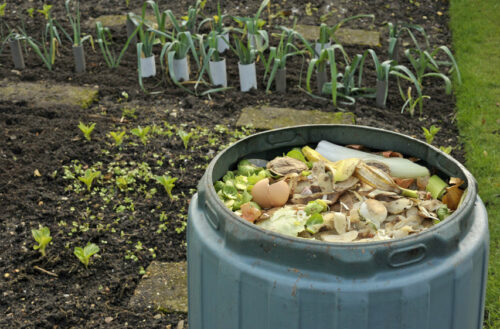
Looking to start composting but unsure where to place your compost bin? Choosing the right spot can make all the difference in how quickly your compost breaks down and how easy it is for you to use.
You want a location that keeps things tidy, smells fresh, and fits smoothly into your daily routine. You’ll discover simple tips to find the perfect place for your compost bin—so you can turn kitchen scraps into garden gold without any hassle.
Keep reading to learn how to make your composting experience easier and more effective!

Credit: www.bamboozlehome.com
Choosing The Right Location
Picking the best spot for your compost bin helps it work well. The right place keeps it healthy and easy to use.
Think about sunlight, access, and space before placing your bin. These factors make composting simple and effective.
Sunlight And Shade Balance
Your compost bin needs some sun to speed up decomposition. Too much sun can dry it out quickly.
Shade helps keep the compost moist and cool. A mix of sun and shade is best for healthy compost.
- Place the bin where it gets morning sun but afternoon shade
- Avoid full sun all day to prevent drying
- Check that shade does not block airflow
Accessibility And Convenience
Put your compost bin where you can reach it easily. This helps you add scraps and turn the compost often.
Close placement encourages regular use. It also makes it easier to manage and harvest finished compost.
- Place near your kitchen or garden
- Keep it on flat ground for stability
- Make sure it is easy to open and close
Space Considerations
Choose a spot with enough room for your compost bin and tools. The space should allow for good airflow.
Leave space to turn and manage the compost. Avoid cramped areas to prevent mess and pests.
- Allow extra space around the bin for turning
- Keep the area clear of plants and debris
- Ensure space is large enough for future expansion
Credit: www.pressdemocrat.com
Ideal Outdoor Spots
Finding the right place for your compost bin is important. It helps the compost break down well.
Choose a spot that is easy to reach and has good airflow. The location should also be safe from animals.
Backyard Corners
Backyard corners are great places for compost bins. They use space that is often unused.
These spots get enough shade to keep the compost moist. They also have good airflow to help break down waste.
Near Garden Beds
Placing a compost bin near garden beds saves time. You can easily add compost to your plants.
This spot also helps keep the compost nutrient-rich. The garden soil benefits from fresh compost often.
Close To Kitchen Doors
Keeping the compost bin close to the kitchen door makes it easy to add scraps. This encourages regular use.
This location helps reduce trips back and forth. It also keeps food waste contained and less messy.
Indoor Compost Bin Placement
Placing your indoor compost bin in the right spot helps keep your space clean. It also speeds up the composting process.
Think about where you spend most time and choose a place that is easy to reach. This will help you add scraps often.
Kitchen Counter Options
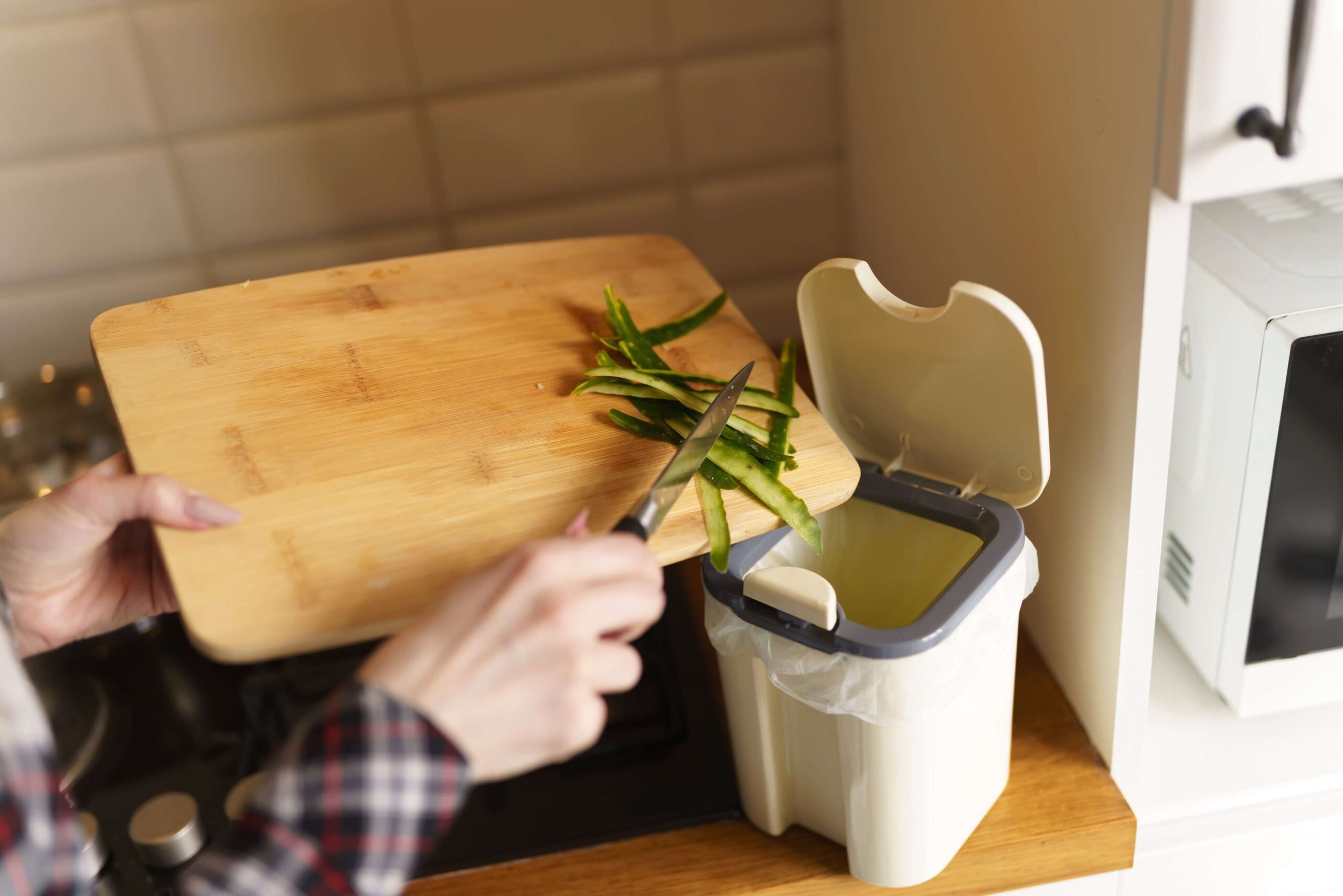
A kitchen counter is a common spot for a small compost bin. It keeps food scraps close while you cook.
Choose a spot that does not block your work area. Make sure it is near the sink for easy cleaning.
- Use a compact bin with a lid to control odors
- Place it near the cutting board or prep area
- Keep it away from heat sources like the stove
- Clean the bin regularly to avoid pests
Basement Or Garage Setup
A basement or garage can be a good place for larger compost bins. These areas are out of the way and have more space.
Make sure the area stays dry and has enough light. Keep the bin off the floor to prevent moisture damage.
- Check the temperature to avoid freezing in winter
- Place bin on a raised platform or shelf
- Keep the area clean to stop pests
- Use a bin with good sealing to control smell
Ventilation Needs
Good airflow helps compost break down faster and reduces bad smells. Choose a spot with fresh air.
If the bin is indoors, open windows or use fans to move air. Avoid closed spaces without ventilation.
- Place bin near a window or vent
- Avoid tight cupboards or sealed rooms
- Turn or mix compost to add oxygen
- Use bins with air holes or filters
Avoiding Common Pitfalls
Choosing the right spot for your compost bin is important. A poor location can cause problems.
Learn how to avoid common mistakes when placing your compost bin outside.
Distance From Neighbors
Place your compost bin far enough from neighbors’ homes. This helps avoid bad smells reaching them.
Keep it at least 10 feet away from neighbor’s property if possible. This gives space for air to flow.
Pest Prevention Tips
To stop pests, cover food scraps well with brown materials like leaves or paper.
Keep your bin closed or use a compost bin with a lid. This stops animals from getting inside.
- Do not add meat or dairy to compost
- Turn compost regularly to speed decomposition
- Use wire mesh around the bin to block rodents
Drainage And Moisture Control
Choose a spot with good drainage so water does not pool around the bin. Wet compost slows down.
Keep the compost moist like a wrung-out sponge. Too dry or too wet slows the process.
- Place bin on soil, not concrete, to help drainage
- Avoid low spots where rainwater collects
- Add dry materials if compost gets too wet
Enhancing Composting Efficiency
Where you place your compost bin affects how well it works. Good location helps speed up the composting process. It also keeps the bin easy to use and maintain.
Choosing the right spot can help control moisture, temperature, and airflow. These factors are important for healthy compost.
Using Raised Beds
Raised beds improve soil drainage and airflow around the compost. They keep the compost off the ground, reducing pests and waterlogging.
Place your compost bin near or inside raised beds for easy access. This helps mix compost directly into garden soil.
- Keep raised beds in a sunny spot to warm the compost
- Allow space for turning and adding materials
- Use sturdy materials that resist rot and pests
Incorporating Worm Bins
Worm bins use special worms to break down food waste faster. They need a shady, cool spot to keep worms healthy.
Place worm bins where you can easily feed them kitchen scraps. Avoid direct sun or freezing temperatures.
- Keep worm bins in a shaded area
- Ensure good ventilation to prevent odors
- Protect bins from heavy rain or frost
Seasonal Adjustments
Compost needs different care in each season. Move bins if needed to control temperature and moisture.
In summer, place bins in partial shade to avoid drying out. In winter, protect bins from frost by moving them near a wall or covering them.
- Check moisture levels often during dry months
- Add insulation like straw in cold weather
- Turn compost more often in hot weather
Credit: www.texasdisposal.com
Frequently Asked Questions
Where Is The Best Spot For A Compost Bin?
The best spot is a well-drained, shaded area near your garden. It should be easily accessible for adding waste and turning compost. Avoid direct sunlight to prevent drying out and place it away from your home to reduce odor issues.
How Close Should A Compost Bin Be To The Kitchen?
Place the compost bin within 10 to 20 feet of your kitchen. This distance makes it convenient to dispose of food scraps while minimizing odors inside your home. A nearby location encourages regular composting habits.
Can A Compost Bin Be Placed In Direct Sunlight?
Avoid placing a compost bin in direct sunlight. Sun exposure can dry out the compost, slowing decomposition. A partially shaded spot helps maintain moisture and supports healthy microbial activity for faster composting.
Should Compost Bins Be Placed On Soil Or Concrete?
Compost bins should be placed directly on soil. This allows beneficial organisms to enter and aid decomposition. Concrete or hard surfaces block airflow and drainage, which can hinder the composting process.
Conclusion
Choosing the right compost bin location is essential. It impacts efficiency and odor control. Place it near your garden for easy access. Ensure good drainage to prevent waterlogging. Keep it away from windows to avoid attracting insects. Consider sunlight exposure for faster decomposition.
Accessibility is key for regular maintenance. With these tips, your compost will thrive. Enjoy turning waste into valuable soil. Happy composting!