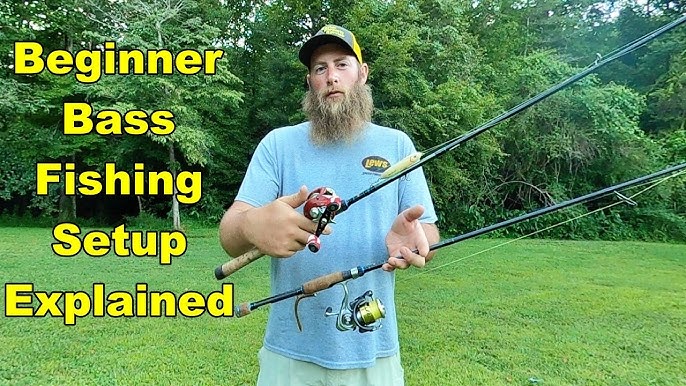
Setting up a fishing rod might seem tricky at first, but once you know the steps, it becomes simple and even fun. Whether you’re new to fishing or just want to improve your skills, getting your rod ready the right way is key to a great catch.
In this guide, you’ll learn how to assemble your rod, attach the reel, and prepare your line so you can focus on what matters most—enjoying your time on the water and landing that perfect fish. Ready to become confident with your fishing gear?
Let’s dive in and make sure your setup is spot on!
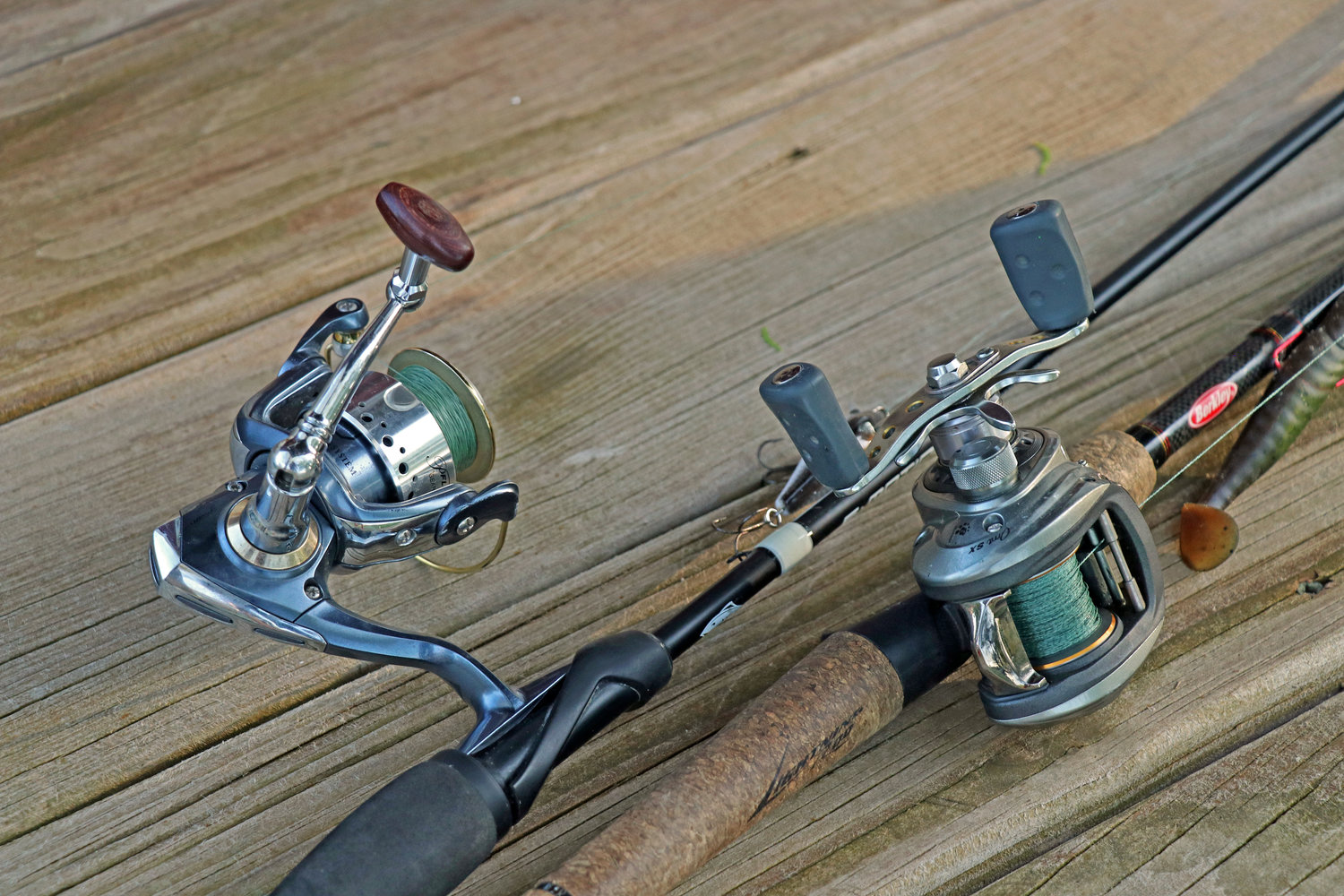
Credit: www.texaskayakfisher.com
Choosing The Right Rod And Reel
Setting up a fishing rod starts with picking the right rod and reel. These parts work together to help you catch fish easily.
This guide explains types of rods, matching reels, and selecting the right line weight.
Types Of Fishing Rods
Fishing rods come in several types. Each type fits different fishing styles and fish sizes.
- Spinning Rods:Good for beginners and light lures.
- Baitcasting Rods:Best for heavier baits and more control.
- Fly Rods:Made for fly fishing with light lines.
- Telescopic Rods:Easy to carry and store.
Matching Reel To Rod
Your reel must fit your rod to work well. The reel size and type depend on the rod and fishing style.
| Rod Type | Recommended Reel | Best Use |
| Spinning Rod | Spinning Reel | Light to medium fishing |
| Baitcasting Rod | Baitcasting Reel | Heavy lures and accuracy |
| Fly Rod | Fly Reel | Fly fishing in rivers |
| Telescopic Rod | Spinning or Closed Face Reel | Travel and casual fishing |
Selecting Line Weight
Line weight must match your rod and reel. The wrong line can cause breakage or poor casting.
- Check the rod’s recommended line weight range.
- Use lighter lines for small fish and light tackle.
- Use heavier lines for big fish and strong currents.
- Match the reel’s line capacity with your chosen line.
Preparing The Rod
Setting up a fishing rod is an important skill for a good fishing trip. Preparing the rod correctly helps you fish with ease and enjoy your time outdoors.
Start by checking your fishing rod and reel. Make sure they are clean and working well before you begin setting everything up.
Attaching The Reel
First, place the reel on the rod’s reel seat. The reel seat is a small area near the handle designed to hold the reel tightly.
Tighten the reel seat by turning the locking ring until the reel is secure. The reel should not move when you pull it gently.
Threading The Line
Pull the fishing line from the reel spool. Pass it through each guide on the rod, starting near the reel and moving to the tip.
Make sure the line passes inside every guide ring. This helps the line flow smoothly when you cast and reel in.
- Start with the guide closest to the reel
- Continue threading through each guide
- End at the rod’s tip guide
Securing The Line
After threading, tie the line to the reel spool with a secure knot. This prevents the line from slipping during fishing.
Pull the line tight and trim any extra line after the knot. Check that the line is tight and ready for your lure or bait.
- Use a strong knot like the Arbor knot
- Tighten the knot firmly
- Cut off extra line close to the knot
Setting Up The Tackle
Setting up your fishing tackle right is key to a good fishing day. It helps you catch fish easily and keeps your gear ready.
This guide covers choosing hooks, adding sinkers and bobbers, and picking baits and lures.
Choosing The Right Hook
Select a hook size and shape based on the fish you want to catch. Small hooks work for small fish. Big hooks suit bigger fish.
- Use circle hooks for catch and release fishing.
- J-hooks work well for bait fishing.
- Treble hooks are good with lures.
- Match hook size to bait size for better results.
Adding Sinkers And Bobbers
Sinkers add weight to your line, helping the bait sink. Bobbers keep your bait at the right depth and show when fish bite.
| Type | Use | Best For |
| Split Shot | Small weight | Light bait fishing |
| Egg Sinkers | Moves freely | Bottom fishing |
| Slip Sinkers | Slides on line | Deep water fishing |
| Round Bobbers | Floats on surface | Still water fishing |
| Stick Bobbers | Better visibility | Flowing water |
Selecting Baits And Lures
Choose bait or lures based on the fish species and water type. Live bait works well for many fish. Artificial lures attract fish with movement and color.
- Worms and minnows attract many freshwater fish.
- Plastic worms and jigs are good for bass fishing.
- Spinnerbaits mimic small fish with flash and vibration.
- Crankbaits dive to different depths for targeted fishing.
- Match lure color to water clarity and light conditions.

Credit: www.battlbox.com
Adjusting Drag And Tension
Setting the drag and tension on your fishing rod helps control the line’s resistance. It prevents the line from breaking when a fish pulls hard.
Proper drag settings improve your chances of landing fish safely. It also makes fishing more enjoyable and effective.
Understanding Drag Settings
Drag controls the resistance the fish feels when it pulls the line. Too much drag can snap the line, while too little drag lets the fish escape.
- Locate the drag adjustment knob on your reel.
- Turn the knob clockwise to increase drag tension.
- Turn the knob counterclockwise to decrease drag tension.
- Test the drag by pulling the line with your hand to feel resistance.
- Adjust until the line pulls smoothly without breaking.
Fine-tuning For Different Fish
Different fish species need different drag settings. Adjust your drag based on the fish size and strength.
| Fish Type | Drag Setting | Reason |
| Small Panfish | Light Drag | Line breaks easily with strong drag |
| Medium Bass | Medium Drag | Allows controlled fight without line snap |
| Large Catfish | Heavy Drag | Strong pull requires high resistance |
| Saltwater Tuna | Maximum Drag | Very powerful fish needs strong drag |
Casting Techniques
Casting is a key skill for setting up your fishing rod. It helps you place the bait where fish are likely to bite.
Good casting saves energy and improves your chances of catching fish. Let’s explore some important casting techniques.
Basic Casting Methods
There are simple ways to cast your fishing line. These methods work well for beginners and experienced anglers.
Overhead casting is the most common. You raise the rod behind you and throw the line forward smoothly.
- Sidearm casting: Cast with the rod held low and to the side for accuracy.
- Roll casting: Used when there is no room for a back cast.
- Pitch casting: Drop the bait close to the target with a short flick.
Tips For Accurate Casting
Accuracy helps you place the bait near fish hiding spots. Focus on control, not power.
Keep your wrist firm but flexible. Look at the target and aim carefully before casting.
- Practice smooth, even movements with your arm.
- Use your elbow as a pivot point for better control.
- Release the line at the right moment to hit the target.
- Adjust your force depending on the distance needed.
Avoiding Common Mistakes
Many anglers make simple errors that hurt their casting. Fixing these helps your fishing success.
Do not rush your cast. Rushing causes poor aim and tangles in the line.
- Avoid jerky movements; keep your cast smooth and steady.
- Do not grip the rod too tightly; it limits flexibility.
- Check your line for twists before casting.
- Practice casting in open spaces to build confidence.
Maintenance And Care
Taking care of your fishing rod ensures it stays strong and works well. Regular maintenance helps you avoid problems on fishing trips.
Learn easy ways to clean, store, and check your fishing equipment. These habits keep your gear ready for the next catch.
Cleaning The Rod And Reel
After each use, rinse your rod and reel with fresh water. This removes salt, dirt, and debris that can cause damage.
- Use a soft cloth to wipe down the rod.
- Apply light oil to reel parts to keep them moving smoothly.
- Do not use harsh chemicals that can harm the finish.
- Let the gear dry completely before storing.
Storing Equipment Properly
Store your fishing rod and reel in a dry, cool place. Avoid leaving them in direct sunlight or damp areas.
| Storage Tip | Reason |
| Use rod holders or racks | Prevents bending or warping |
| Keep reels loosened | Protects internal parts from stress |
| Cover with cloth or case | Keeps dust and dirt away |
| Keep away from extreme temperatures | Prevents material damage |
Regular Inspections
Check your fishing rod and reel before every trip. Look for cracks, loose parts, or rust spots that need fixing.
- Inspect guides and tips for damage.
- Test reel drag and handle for smooth action.
- Tighten any loose screws or fittings.
- Replace worn-out fishing line regularly.

Credit: fishgenix.com
Frequently Asked Questions
How Do You Choose The Right Fishing Rod?
Choose a rod based on your fishing style and target species. Consider rod length, power, and action for best performance. Match the rod with your reel and line for smooth casting and control.
What Are The Basic Steps To Set Up A Fishing Rod?
Attach the reel to the rod’s reel seat securely. Thread the fishing line through the guides from tip to base. Tie a suitable knot to attach the hook, lure, or bait.
How Do You Properly Thread A Fishing Line?
Start at the reel spool and pass the line through each guide. Ensure the line runs smoothly without tangles or twists. This prevents casting problems and improves fishing accuracy.
What Knot Is Best For Tying A Fishing Hook?
The improved clinch knot is popular and strong for hooks. Pass the line through the hook eye, wrap it around the line five times, and secure tightly. It ensures a firm connection without slipping.
Conclusion
Setting up a fishing rod is simple with the right steps. Start by attaching the reel securely to the rod. Next, thread the line through the guides from the tip down. Tie your hook or lure with a strong knot.
Adjust the drag on the reel for smooth casting. Practice casting a few times to get comfortable. This basic setup helps you enjoy fishing with ease. Keep your gear ready, and you’ll have a great time on the water. Fishing becomes fun once you know how to prepare your rod correctly.