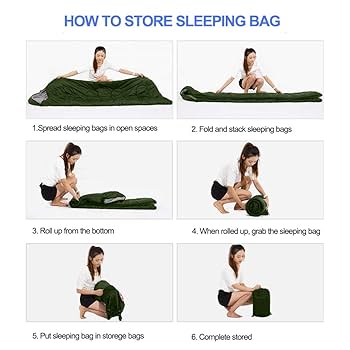
Packing up your sleeping bag might seem simple, but doing it the right way can save you space, keep your gear in good shape, and make your next trip easier. If you’ve ever struggled with a bulky, messy sleeping bag that won’t fit in your backpack, you’re not alone.
This guide will show you exactly how to roll up your sleeping bag quickly and efficiently. By the end, you’ll know the secrets to keeping your sleeping bag compact and ready for your next adventure. Ready to make packing less of a hassle?
Let’s dive in!

Credit: www.ebay.com
Choosing The Right Sleeping Bag
Picking the right sleeping bag makes camping more comfortable. It keeps you warm and fits your needs.
Consider the weather, size, and weight before buying your sleeping bag.
Consider The Temperature Rating
Sleeping bags have temperature ratings that show how cold it can get. Choose one that fits the coldest weather you expect.
Pick a bag rated for lower temperatures if you camp in cold places. For warm weather, a lighter bag works well.
Choose The Right Size
Your sleeping bag should fit your body size. A bag that is too big lets cold air in. A bag that is too small feels tight.
- Length should be about 6 inches longer than your height
- Width should allow you to move but keep warmth
Pick The Type Of Insulation
Sleeping bags use down or synthetic insulation. Down is light and compresses small. Synthetic works better when wet.
Choose down for dry, cold trips. Pick synthetic if you expect rain or damp conditions.
Think About The Shape
Sleeping bags come in mummy, rectangular, and semi-rectangular shapes. Mummy bags keep heat best but feel tight.
Rectangular bags are roomy but may not stay as warm. Semi-rectangular bags offer a balance of space and warmth.
Check The Weight And Pack Size
If you hike a lot, choose a sleeping bag that is light and packs small. Heavy bags are okay for car camping.
- Lightweight bags make carrying easier
- Small pack size saves space in your backpack

Credit: www.amazon.co.uk
Preparing Your Sleeping Bag
Getting your sleeping bag ready helps keep it clean and lasts longer. Proper care makes packing and rolling easier.
Follow simple steps to clean, dry, and lay your sleeping bag flat before rolling it up.
Cleaning And Drying
Clean your sleeping bag after every few uses or if it gets dirty. Use mild soap and cold water. Avoid harsh chemicals that can damage the fabric.
- Hand wash or use a gentle machine cycle
- Rinse well to remove soap
- Air dry in a shaded area
- Do not use a dryer with high heat
- Shake it occasionally to keep the filling even
Laying It Flat
Lay your sleeping bag flat to make rolling easier and prevent damage. Folding or stuffing it while wet can harm the insulation.
| Tip | Why It Helps |
|---|---|
| Spread the sleeping bag on a clean surface | Keeps it dry and clean |
| Smooth out wrinkles and lumps | Prevents uneven insulation |
| Let it dry completely before rolling | Avoids mold and bad odors |
Folding Techniques
Rolling up a sleeping bag saves space in your backpack. It also keeps your bag clean and dry.
There are different ways to fold a sleeping bag. Each way helps you pack it neatly and tightly.
Basic Fold
The basic fold is simple and quick. Lay the sleeping bag flat and smooth out wrinkles before folding.
Fold the sleeping bag in half lengthwise to reduce its width. Then roll it tightly from the foot end.
- Lay flat and smooth wrinkles
- Fold lengthwise in half
- Start rolling at the foot end
- Roll tightly to remove air
- Secure with straps or cords
Accordion Fold
The accordion fold creates a compact shape by folding the sleeping bag back and forth. It looks like a zigzag.
First, fold the sleeping bag in half lengthwise. Then fold it in sections like an accordion. Roll or pack it after folding.
- Fold lengthwise in half
- Fold in sections like an accordion
- Press air out between folds
- Roll or pack folded bag tightly
- Use straps to keep shape
Rolling Steps
Rolling a sleeping bag correctly helps save space and keeps it clean. Follow simple steps to roll it tightly and evenly.
Start by laying the sleeping bag flat and smooth. Then roll it from one end to the other using even pressure.
Starting At The Foot
Begin rolling from the foot end of the sleeping bag. This end is usually narrower, making the roll tighter and easier.
- Lay the sleeping bag flat with the foot end facing you.
- Fold any loose fabric inside to avoid wrinkles.
- Start rolling tightly from the foot end toward the head.
- Keep the roll as straight as possible to save space.
Applying Even Pressure
Apply steady and even pressure while rolling to avoid air pockets. This keeps the sleeping bag compact and easy to pack.
| Tip | Why It Helps |
|---|---|
| Use your hands to press down evenly | Removes air and prevents loose spots |
| Roll slowly and firmly | Keeps the shape tight and compact |
| Check the edges as you roll | Prevents fabric from bulging out |
Securing The Roll
Securing your rolled sleeping bag keeps it compact and easy to carry. It also protects the bag from dirt and damage. You can use straps, bands, or a stuff sack to keep the roll tight.
A well-secured sleeping bag fits better in your backpack and saves space. It also stops the bag from unrolling during travel.
Using Straps Or Bands
Straps or bands help hold the sleeping bag tightly. You can use built-in straps or add your own. They wrap around the rolled bag and keep it from loosening.
- Start rolling the bag tightly from the foot end.
- Wrap the straps or bands around the rolled bag.
- Tighten the straps and fasten the buckles or Velcro.
- Check that the roll feels firm and secure.
- Adjust the straps if the roll loosens during hiking.
Packing In The Stuff Sack
A stuff sack keeps your rolled sleeping bag clean and dry. It also compresses the bag for easier packing. Use the sack after you roll and secure the bag with straps or bands.
| Stuff Sack Feature | Benefit |
|---|---|
| Drawstring Closure | Keeps the bag inside without falling out |
| Compression Straps | Reduces volume for better backpack fit |
| Water-Resistant Material | Protects the sleeping bag from moisture |
| Durable Fabric | Prevents tears and wear during travel |

Credit: trendtents.com
Tips For Compact Packing
Packing a sleeping bag tightly saves space in your backpack. It helps you carry other gear easily.
Use simple tricks to make your sleeping bag smaller. This lets you pack it in a small stuff sack.
Removing Air
Air inside the sleeping bag makes it bulky. Squeeze out the air before rolling it up.
Lay the sleeping bag flat and press from one end to the other. Push the air out slowly.
- Start pressing from the foot end
- Move your hands toward the head end
- Keep rolling as you push air out
Compressing Efficiently
Roll the sleeping bag tightly after removing air. A tight roll takes less space.
Use straps or the bag’s compression sack. They keep the roll tight and secure.
- Lay the bag flat with the zipper closed
- Start rolling from the foot end
- Roll firmly but do not damage insulation
- Place the roll in the compression sack
- Tighten straps to reduce size
Common Mistakes To Avoid
Rolling up a sleeping bag may seem simple, but many people make mistakes. These errors can damage your bag or make it hard to carry.
Learn what to avoid when rolling up your sleeping bag to keep it clean and compact.
Not Cleaning The Bag First
Rolling up a dirty sleeping bag traps dirt and moisture inside. This can cause smells and damage the fabric.
Always clean and dry your sleeping bag before packing it away.
Ignoring Air Pockets
Leaving air in the sleeping bag makes it bulky. It also takes more space in your backpack.
Press out air gently as you roll to make it compact.
Rolling Too Tightly
Rolling your sleeping bag too tight can damage the insulation inside. This reduces its warmth over time.
Roll snugly but avoid squeezing it too hard.
Not Using A Compression Sack Properly
Stuffing the sleeping bag into a compression sack without rolling can create lumps. This makes it harder to fit in your pack.
Roll or fold the bag before placing it in the sack for better packing.
Forgetting To Store It Loosely After Use
Always store your sleeping bag loosely after trips. Keeping it rolled tightly for long times can harm the insulation.
Use a large storage sack or hang it in a dry place.
Frequently Asked Questions
How Do You Properly Roll A Sleeping Bag?
To properly roll a sleeping bag, start by laying it flat. Smooth out any wrinkles. Fold it in half lengthwise. Begin rolling tightly from the foot towards the head. Secure it with straps or use its built-in ties. This method ensures a compact roll, making it easier to pack.
Why Should You Roll A Sleeping Bag Tightly?
Rolling a sleeping bag tightly saves space in your backpack. It ensures the sleeping bag fits in its storage sack. A tight roll also prevents damage to the bag’s insulation. This way, it maintains its warmth and comfort. Proper rolling extends the sleeping bag’s lifespan.
What Is The Best Way To Store A Sleeping Bag?
The best way to store a sleeping bag is to keep it uncompressed. Use a large, breathable storage sack. Store it in a cool, dry place to prevent mildew. Avoid storing in a tight roll for long periods. This preserves its loft and insulation quality.
Can Rolling A Sleeping Bag Damage It?
Rolling a sleeping bag improperly can damage it. Tight rolling without care can stress seams and fabric. Always smooth out wrinkles before rolling. Use gentle pressure to prevent damage. Properly rolled bags maintain their insulation and longevity. Follow manufacturer instructions for best results.
Conclusion
Rolling up a sleeping bag does not have to be hard. Start by laying it flat and folding tightly. Roll from the bottom to keep air out. Use straps or ties to hold it firm. A well-rolled bag saves space and stays clean.
Practice a few times to get faster. This simple skill helps on every camping trip. Keep your sleeping bag neat and ready for adventure. Easy steps, good results.