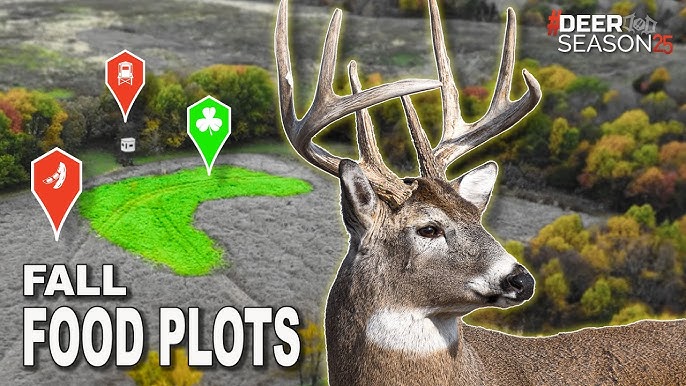
If you want to attract deer to your land and keep them coming back year after year, planting the right food plot is key. But with so many options out there, it can be confusing to know what to choose.
You might wonder which plants offer the best nutrition, grow well in your area, and stay green through the seasons. You’ll discover exactly what to plant for a deer food plot that works hard for you. By the end, you’ll have a clear plan to create a thriving space that feeds deer naturally and boosts your chances of successful wildlife viewing or hunting.
Ready to get started? Let’s dive in.
Choosing Deer Food Plot Location
Picking the right spot for a deer food plot helps plants grow well. It also attracts deer to the area.
Think about the soil, sunlight, and how close the spot is to where deer live.
Soil Type And Quality
Good soil helps plants grow strong and healthy. Deer like plants that grow in rich soil.
Look for soil that is loamy or sandy with good nutrients. Avoid rocky or very clay-heavy soil.
- Loamy soil holds moisture and drains well
- Sandy soil warms quickly and drains fast
- Check soil pH; deer plants like 6.0 to 7.0 pH
Sunlight And Drainage
Most deer food plants need plenty of sunlight. Choose a spot with at least 6 hours of sun each day.
Good drainage stops water from pooling around plants. Avoid low spots where water stays after rain.
- Full sun helps plants grow fast and strong
- Well-drained areas prevent root rot
- Avoid shaded spots under thick trees
Proximity To Deer Habitats
Plant your food plot near places where deer feel safe. Close to woods or thick brush is best.
Deer travel routes and bedding areas are good spots. They will find your plot easily if it is nearby.
- Near forest edges or thick cover
- Close to deer bedding areas
- Avoid open fields far from deer paths

Credit: www.gameandfishmag.com
Nutritional Needs Of Deer
Deer need the right nutrients to stay healthy and grow well. Knowing what to plant helps meet their needs all year.
Their diet changes with the seasons, so a good food plot includes many types of plants.
Protein Requirements
Protein helps deer build muscle and repair tissues. Young deer need more protein than adults.
- Plant legumes like clover and alfalfa for high protein.
- Grasses also provide some protein, but less than legumes.
- Protein needs are highest in spring and summer.
Energy Sources
Energy comes from carbohydrates and fats. Deer use energy to move and keep warm in winter.
| Energy Source | Examples | Season |
| Carbohydrates | Grains, corn, oats | Fall, Winter |
| Fats | Acorns, nuts | Fall |
| Fiber | Leaves, stems | All seasons |
Vitamins And Minerals
Vitamins and minerals keep deer’s bodies working right. They help with bone growth and blood health.
Key minerals for deer include:
- Calcium for strong bones
- Phosphorus for energy use
- Sodium to balance fluids
- Magnesium for muscle function
Top Nutritious Crops For Deer
Planting the right crops helps feed deer during all seasons. Nutritious food plots support healthy deer herds.
Choose plants that provide protein, energy, and vitamins. This guide shows top crops for deer food plots.
Legumes For Protein
Legumes give deer the protein they need to grow and stay healthy. These plants fix nitrogen in soil, helping crops grow better.
Common legumes for deer food plots include clover and peas. They are easy to plant and deer love to eat them.
- Red Clover
- White Clover
- Austrian Winter Peas
- Alfalfa
- Soybeans
Grains For Energy
Grains provide energy to deer, especially in cold months. They have carbohydrates that keep deer active and strong.
Plant grains in the fall for best results. Deer enjoy eating these crops when other food is scarce.
- Corn
- Oats
- Barley
- Wheat
- Millet
Brassicas For Vitamins
Brassicas are rich in vitamins and minerals. They help deer stay healthy and boost their immune system.
These leafy plants grow fast and work well in cool weather. Deer find them tasty and nutritious.
- Turnips
- Radishes
- Kale
- Collards
- Mustard
Planting Legumes
Legumes are a great choice for deer food plots. They provide high protein and help improve soil. Planting legumes attracts deer and keeps them healthy.
There are several legumes to consider. Alfalfa, clover, and soybeans are popular options. Each has unique benefits for deer and soil quality.
Alfalfa
Alfalfa grows well in many soils and provides rich nutrition. It has deep roots that help improve soil structure. Deer love its leaves and shoots.
Plant alfalfa in well-drained soil with full sun. It needs good soil preparation and regular watering. Alfalfa can produce several cuttings each year.
Clover Varieties
Clover is easy to grow and very attractive to deer. There are many types, each with different growing needs and benefits.
- Red Clover: Grows fast and is good for cool seasons.
- White Clover: Stays green longer and spreads easily.
- Alsike Clover: Tolerates wet soils better than others.
Choose clover based on your soil type and climate. Mixing clover types can offer food all year round.
Soybeans
Soybeans are a favorite food plot plant. They grow well in warm weather and provide lots of energy for deer.
| Planting Time | Late spring to early summer |
| Soil Type | Well-drained, fertile soil |
| Sunlight | Full sun |
| Benefits | High protein and energy content |
| Notes | Needs good moisture and weed control |
Growing Grains
Grains are a great choice for deer food plots. They provide good nutrition and attract deer well. Grains grow quickly and are easy to plant.
Planting grains helps keep deer healthy and coming back to your land. They offer energy and cover for deer during different seasons.
Corn
Corn is one of the best grains for deer food plots. It gives high energy and is very tasty to deer. Deer love to eat the kernels and leaves.
Plant corn in rows with good sunlight. Make sure the soil is well-drained and rich in nutrients. Corn grows best in warm weather.
- Plant seeds 1-2 inches deep
- Space seeds 8-12 inches apart
- Needs at least 60 days to mature
Oats
Oats are a cool-season grain that deer enjoy eating. They grow fast and provide good cover for deer. Oats add fiber and nutrients to a deer’s diet.
Plant oats in early spring or fall. They grow best in cooler temperatures and moist soil. Oats can be mixed with other plants for variety.
- Plant seeds 1-1.5 inches deep
- Space seeds about 2 inches apart
- Harvest or let mature in 60 days
Wheat
Wheat is another good grain for deer food plots. It grows well in cool weather and provides good nutrition. Deer eat the green wheat shoots and mature seeds.
Plant wheat in fall for winter food or early spring for summer growth. Wheat needs fertile soil and regular watering. It helps attract deer all year.
- Plant seeds 1-2 inches deep
- Space seeds 1-2 inches apart
- Grows best in cool, moist soil
Using Brassicas In Food Plots
Brassicas are a great choice for deer food plots. They provide good nutrition and attract deer well. These plants grow quickly and stay green late into the season.
Common brassicas for food plots include turnips, radishes, and kale. Each has unique benefits to help feed deer during fall and winter.
Turnips
Turnips are popular in food plots because deer eat both the leaves and roots. They grow fast and can tolerate cold weather. Deer like turnips for their sweet taste.
Radishes
Radishes add variety to a food plot. Their large roots break up hard soil and provide energy-rich food for deer. Radishes also grow quickly and resist frost well.
- Improves soil aeration
- High in carbohydrates
- Attracts deer late into the season
- Mixes well with other brassicas
Kale
Kale is a leafy brassica that deer enjoy. It stays green longer than many plants. Kale offers important vitamins and minerals for deer health.
| Brassica | Part Eaten | Growth Speed | Cold Tolerance |
|---|---|---|---|
| Turnips | Leaves and roots | Fast | Good |
| Radishes | Roots | Fast | Very good |
| Kale | Leaves | Moderate | Excellent |
Seasonal Planting Strategies
Planning a deer food plot requires understanding what plants grow best each season. This helps keep deer fed all year. Different crops thrive in spring, summer, and fall.
Choosing the right plants at the right time supports healthy deer populations. It also improves the success of your food plot.
Spring Crops
Spring is a good time to plant quick-growing crops. These plants provide fresh food after winter. Clover, peas, and oats grow well in cool weather.
- Clovers attract deer and fix nitrogen in soil
- Field peas provide protein and green cover
- Oats offer soft, digestible forage
Summer Crops
Summer crops must handle heat and occasional dryness. Sunflowers and sorghum are good choices. Both produce seeds deer enjoy.
| Crop | Benefits | Planting Tips |
|---|---|---|
| Sunflowers | High in energy, attracts deer | Plant in full sun, well-drained soil |
| Sorghum | Drought tolerant, produces seed heads | Plant after last frost, space seeds well |
| Millet | Fast growing, good forage | Plant in warm soil, needs moderate water |
Fall Crops
Fall crops prepare deer for winter. Root vegetables and brassicas are popular. Turnips, radishes, and winter rye keep deer healthy.
- Turnips – rich in nutrients, easy to grow
- Radishes – improve soil and feed deer
- Winter Rye – provides cover and forage
- Brassicas mix – variety of leafy greens
Credit: www.outsidepride.com
Maintaining And Managing Food Plots
Food plots need regular care to keep plants healthy and attractive to deer. Proper maintenance helps improve growth and yield.
Good management extends the life of your food plot and supports the local wildlife with nutritious plants.
Weed Control
Weeds compete with food plot plants for water, nutrients, and sunlight. Control weeds early for better results.
- Use selective herbicides safe for your food plot species.
- Hand-pull weeds in small plots to avoid chemical use.
- Maintain a clean border around the plot to reduce weed spread.
- Regularly mow edges to prevent weed seeds from entering.
Fertilization
Fertilizer supports strong plant growth and improves food quality. Test your soil to choose the right fertilizer.
| Type of Fertilizer | Recommended Use |
| Nitrogen (N) | Boosts leafy growth in legumes and grains |
| Phosphorus (P) | Helps root development and early growth |
| Potassium (K) | Increases drought resistance and overall health |
| Lime | Adjusts soil pH for better nutrient uptake |
Irrigation Tips
Water is critical, especially during dry spells. Proper irrigation keeps plants green and healthy.
- Water early in the morning or late in the evening to reduce evaporation.
- Use drip irrigation or soaker hoses for efficient water use.
- Avoid overwatering, which can cause root rot and weed growth.
- Monitor soil moisture regularly to know when to water.
Attracting Deer To Your Plot
Attracting deer to your food plot helps support their natural habits. A good plot provides food, shelter, and safety. Understanding how to make your plot inviting can increase deer visits.
Use the right plants and care methods to keep deer coming back. Simple actions can make a big difference in deer attraction and health.
Using Mineral Blocks
Mineral blocks supply essential nutrients that deer need. Place blocks where deer often feed or rest. Minerals improve deer health and encourage them to visit your plot regularly.
- Choose blocks with salt and trace minerals
- Place blocks near food sources but away from open roads
- Check and replace blocks regularly
- Avoid placing blocks too close to human activity
Creating Cover
Cover protects deer from predators and harsh weather. It makes your plot feel safe and inviting. Use plants that grow thick and tall to provide hiding spots.
| Plant Type | Purpose | Growth Speed |
| Native grasses | Ground cover and food | Medium |
| Brushy shrubs | Shelter and bedding | Slow |
| Fast-growing trees | Shade and wind protection | Fast |
Avoiding Disturbances
Deer avoid areas with too much noise or human activity. Keep your plot quiet and limit visits. Avoid heavy machinery and loud tools during peak deer hours.
Tips to reduce disturbances:
- Visit early morning or late evening only
- Keep dogs away from the plot
- Use natural barriers to block noise
- Minimize bright lights near the plot

Credit: www.youtube.com
Frequently Asked Questions
What Are The Best Plants For Deer Food Plots?
The best plants for deer food plots include clover, chicory, and alfalfa. These plants are highly nutritious and attract deer effectively. They thrive in various soil types and weather conditions, providing food year-round. Selecting the right mix ensures a healthy deer population and a successful food plot.
How Do I Prepare Soil For Deer Plots?
Start by testing your soil to determine pH and nutrient levels. Amend the soil with lime and fertilizers as needed. Clear the area of debris and till the soil to a depth of six inches. Proper soil preparation ensures optimal plant growth and attracts more deer to your plot.
When Is The Best Time To Plant Deer Food Plots?
The best time to plant deer food plots is during early spring or late summer. These periods provide optimal growing conditions for most plant varieties. Timing ensures plants establish well before the deer feeding season. Check regional guidelines for specific planting dates to maximize your plot’s success.
Can I Plant A Deer Food Plot In Shaded Areas?
Yes, certain plants like clover and brassicas grow well in partial shade. These plants can thrive under tree canopies or near forest edges. Choose shade-tolerant varieties to ensure successful growth. Adequate sunlight exposure is still crucial for optimal plant health and attracting deer.
Conclusion
Planting the right crops helps deer find food all year. Choose plants that grow well in your area. Mix grains, legumes, and grasses for best results. Healthy plants attract more deer to your plot. Regular care keeps your food plot strong and green.
Watch how deer respond and adjust your plan. A good food plot supports deer through all seasons. Simple steps bring big benefits to your land. Start planting today and enjoy nature’s rewards.