Choosing the right sleeping bag size can make or break your comfort on any trip. You don’t want to freeze in a bag that’s too small or carry extra weight with one that’s too big.
So, how do you find the perfect fit? This guide will help you understand exactly what size sleeping bag you need to stay cozy and sleep soundly, whether you’re camping under the stars or hitting the trails. Keep reading to discover simple tips that will make packing your next adventure easier and more comfortable.

Credit: www.reddit.com
Choosing The Right Length
Picking the right sleeping bag length is important for a good night’s sleep. A bag that is too short can feel tight and uncomfortable.
Too long, and the bag may be bulky and less warm. Let’s learn how to choose the right size for you.
Measuring Your Height
Start by measuring your height while standing straight. Use a tape measure or a ruler against a wall.
Measure from the top of your head to the bottom of your feet. This number helps pick the right sleeping bag length.
Standard Sleeping Bag Lengths
Sleeping bags come in different standard lengths. Most brands offer regular, long, and extra-long sizes.
- Regular length fits people up to 6 feet tall (about 183 cm).
- Long length fits people up to 6 feet 6 inches (about 198 cm).
- Extra-long length fits taller people or those who want more room.
Adjusting For Extra Comfort
Add a few inches to your height measurement for comfort. This gives room to move inside the bag.
Consider your sleeping style. If you like to stretch out, choose a longer bag than your height.
- Add 4-6 inches (10-15 cm) for side sleepers.
- Add 2-4 inches (5-10 cm) if you move a lot during sleep.
- Use the exact height if you sleep still and want a snug fit.

Credit: www.gearx.com
Width And Fit Matters
Choosing the right sleeping bag size is important for a good night’s sleep. The width and fit affect your comfort and warmth. A sleeping bag that is too tight or too loose can cause problems.
Understanding how sleeping bag fits work helps you pick the best one. This guide explains different fits, room for movement, and how fit affects warmth and comfort.
Types Of Sleeping Bag Fits
Sleeping bags come in different fits to suit your needs. Here are the common types:
- Rectangular Fit:Wide and roomy, good for those who move a lot.
- Mummy Fit:Tapered shape, close to the body for warmth.
- Semi-Rectangular Fit:A mix of rectangular and mummy shapes.
Room For Movement
You need enough space to move inside your sleeping bag. Too tight, and you will feel cramped. Too loose, and the bag will not keep you warm.
| Fit Type | Movement Space | Best For |
| Rectangular | High | Side sleepers and those who toss a lot |
| Semi-Rectangular | Medium | Most sleepers who want balance |
| Mummy | Low | Cold weather and minimal movement |
Impact On Warmth And Comfort
The fit of your sleeping bag changes how warm and comfortable you feel. A snug fit traps heat better. A loose fit lets cold air inside.
- Pick a mummy fit for cold nights to keep heat close.
- Choose a rectangular fit if you prefer more space.
- Consider a semi-rectangular fit for a mix of warmth and room.
- Try your sleeping bag with your sleeping clothes on to check comfort.
Considering Sleeping Positions
Choosing the right sleeping bag size depends on how you sleep. Your position affects comfort and warmth.
This guide explains the best sleeping bag size for back, side, and stomach sleepers.
Back Sleepers
Back sleepers lie flat on their backs with arms at their sides or on their chest. They need enough length and width to stretch comfortably.
A sleeping bag that is too tight can restrict movement and cause discomfort. Choose a size that allows room for your shoulders and feet.
Side Sleepers
Side sleepers curl slightly or stretch out with one arm under the head. They need more width to avoid feeling squeezed.
- Look for sleeping bags labeled as “wide” or “extra wide.”
- Ensure the shoulder and hip areas have extra space.
- Check the length to prevent your feet from touching the end.
Stomach Sleepers
Stomach sleepers lie on their front with arms near their sides or stretched out. They need enough length and a roomy footbox.
| Sleeping Position | Key Sleeping Bag Features | Recommended Size |
| Back Sleepers | Good length and shoulder width | Regular or Long |
| Side Sleepers | Extra width in shoulders and hips | Wide or Extra Wide |
| Stomach Sleepers | Roomy footbox and longer length | Regular Long or Extra Long |

Credit: petromax.com
Seasonal Size Variations
Choosing the right sleeping bag size depends on the season. Different seasons need different sizes for comfort.
Seasonal changes affect how much space you need inside your sleeping bag. This guide helps you pick the best size.
Summer Vs. Winter Bags
Summer sleeping bags are lighter and smaller. They give you enough room but keep weight low.
Winter sleeping bags are bigger to fit extra layers. They keep you warm by giving space for insulation.
- Summer bags: snug fit, less weight
- Winter bags: more room, extra insulation
- Winter bags often have hoods and draft collars
Layering Options
You may wear layers inside your sleeping bag in cold weather. This changes the size you need.
Pick a sleeping bag with enough space to add layers without feeling tight. Layers add warmth but take space.
- Thin layers need less extra space
- Thick layers need more room inside the bag
- Check bag size to fit your usual layering style
Insulation And Size
Insulation type affects sleeping bag size. Some insulation is bulky, needing bigger bags.
Synthetic insulation is often bulkier than down. Down bags can be smaller but still warm.
| Insulation Type | Size Needed | Warmth |
|---|---|---|
| Down | Smaller, compact bags | High warmth-to-weight ratio |
| Synthetic | Larger, roomier bags | Good warmth, heavier |
Specialty Sleeping Bags
Choosing the right size sleeping bag is key for comfort and warmth. Specialty sleeping bags suit specific needs and body types. These bags come in different sizes and styles for all kinds of users.
This guide looks at three specialty sleeping bag types: kids and youth sizes, plus-size options, and ultralight models.
Kids And Youth Sizes
Kids need sleeping bags that fit their smaller frames. Youth sizes offer more room than kids’ sizes but are still smaller than adult bags. A proper fit helps keep warmth and comfort.
- Kids sizes usually fit children up to 5 feet tall.
- Youth sizes fit teenagers or smaller adults.
- Sleeping bags should have enough length and width for movement.
- Check the manufacturer’s size chart before buying.
Plus-size Options
Plus-size sleeping bags offer extra width and length for larger bodies. These bags allow more room to move and avoid tightness. They also keep you warm without squeezing.
| Size | Length (inches) | Width (inches) |
| Regular | 75 | 30 |
| Plus-Size | 85 | 40 |
| Extra Plus | 90 | 45 |
Ultralight Models
Ultralight sleeping bags focus on low weight and pack size. They fit close to the body to save space and weight. These bags often use special materials to keep warmth with less bulk.
Features of ultralight sleeping bags:
- Compact and easy to carry
- Snug fit for better heat retention
- Use lightweight insulation
- Ideal for backpacking and hiking
Practical Tips For Buying
Choosing the right size sleeping bag is important for comfort and warmth. A sleeping bag that is too small feels tight and uncomfortable.
A sleeping bag that is too large may not keep you warm enough. Use these tips to find the best size for your needs.
Trying Before Buying
Try a sleeping bag before you buy it if possible. Lie down inside it to check the fit and comfort.
Make sure there is enough room to move your arms and legs. Also, check that your head fits well inside the hood or top area.
Check Manufacturer’s Size Charts
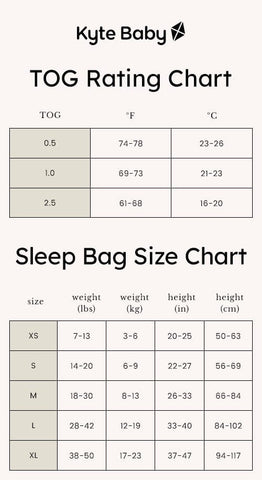
Look at the size charts provided by the sleeping bag maker. Sizes can vary between brands and models.
- Measure your height and shoulder width
- Compare your measurements to the chart
- Choose a size slightly larger for comfort
Consider Weight And Packability
Think about how heavy the sleeping bag is and how small it packs. This matters if you carry it on hikes or trips.
Light and compact bags save space and reduce weight in your backpack. But they should still fit you well.
- Check the packed size on the label
- Choose a size that fits your body
- Balance size, warmth, and weight for your trip
Frequently Asked Questions
What Sleeping Bag Size Fits My Height Best?
Choose a sleeping bag slightly longer than your height. This allows for comfort and room to move without excess bulk.
How Much Extra Width Do I Need In A Sleeping Bag?
Add 6 to 12 inches of width for comfort. This ensures you can move freely without feeling cramped.
Can I Use A Smaller Sleeping Bag If I’m Cold?
A smaller bag traps heat better but may feel tight. Prioritize comfort to avoid disrupted sleep or restricted movement.
Are Kids’ Sleeping Bag Sizes Different From Adults?
Yes, kids’ bags are shorter and narrower. Always check size charts to match the child’s height and build.
Conclusion
Choosing the right sleeping bag size makes your camping trip better. A bag too small feels tight and uncomfortable. One too big may not keep you warm enough. Think about your height and sleeping style. Don’t forget to check the bag’s dimensions before buying.
A good fit helps you sleep well outdoors. Rest easy and enjoy your adventure with the right sleeping bag size. Simple steps lead to a cozy night under the stars.