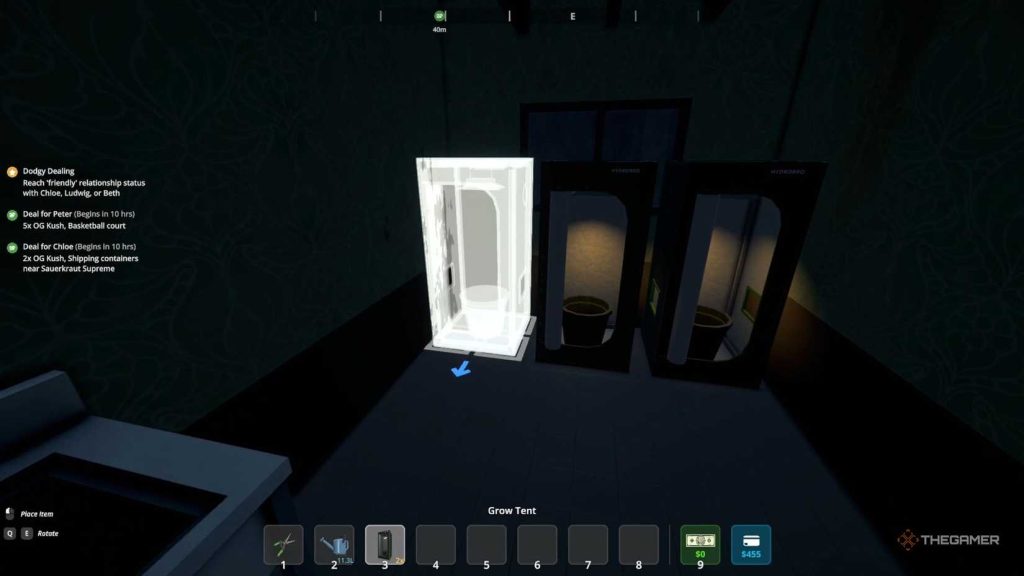
Are you ready to get your grow tent but unsure how to pick it up in Schedule 1? Choosing the right time and method to collect your grow tent can make a big difference in your experience.
You want the process to be smooth, hassle-free, and perfectly timed to fit your plans. You’ll discover simple steps and insider tips that will help you pick up your grow tent without any stress. Keep reading to make sure you get everything right from the start.
Choosing The Right Size
Picking the right size grow tent is important for healthy plants. A tent that fits your space and plants helps them grow well.
Consider how much room you have and how many plants you want to grow. This guide will help you choose the right size.
Assessing Available Space
Measure the area where you plan to put your grow tent. Make sure there is enough room for the tent and some extra space for working.
Check the height of the space too. Some plants grow tall, so your tent needs enough height to fit them and the lighting system.
- Measure length, width, and height of the space
- Leave extra room for air circulation and tools
- Ensure easy access to the tent for maintenance
Matching Plant Quantity And Growth Stage
Think about how many plants you want to grow inside the tent. Each plant needs enough space to grow without crowding.
Different growth stages require different space sizes. Seedlings need less room, but mature plants need more space to spread out.
| Growth Stage | Space per Plant |
|---|---|
| Seedling | 1-2 square feet |
| Vegetative | 2-4 square feet |
| Flowering | 4-6 square feet |
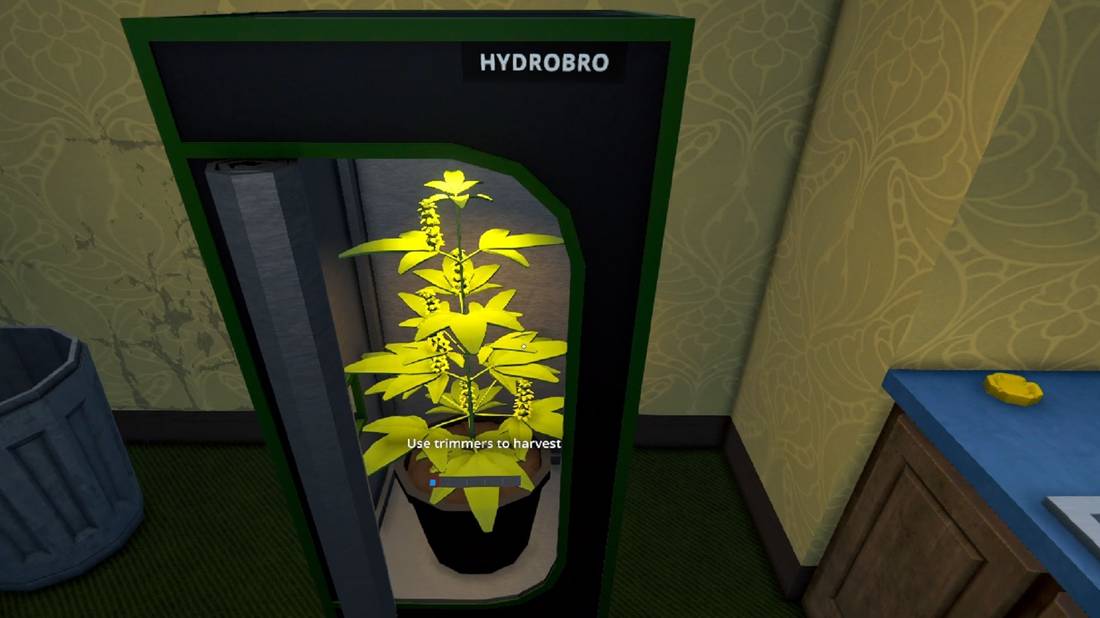
Credit: screenrant.com
Selecting Suitable Materials
Choosing the right materials for your grow tent is very important. Good materials help keep the tent strong and create the best environment for plants.
Look closely at the frame and the inside lining. These parts affect how well your grow tent works and how long it lasts.
Frame Durability And Stability
The frame holds up the whole grow tent. You want one that is both strong and steady. Metal frames, like steel or aluminum, work well.
- Steel frames are heavy but very strong.
- Aluminum frames are lighter and resist rust.
- Check if the frame has thick poles for better support.
- Look for secure connectors to keep the frame steady.
Reflective Interior Options
The inside lining reflects light to help plants grow better. Different materials offer different levels of reflectivity and durability.
| Material | Reflectivity | Durability |
|---|---|---|
| Mylar | 90-95% | High |
| Polyester Fabric | 80-90% | Medium |
| Flocked Fabric | 85-95% | High |
Ventilation And Airflow
Good ventilation is key for any grow tent in Schedule 1. It helps keep plants healthy and strong. Airflow controls temperature and humidity inside the tent.
Without proper airflow, heat and moisture build up. This can cause mold, pests, and slow growth. Setting up fans correctly improves the air quality for your plants.
Importance Of Proper Ventilation
Ventilation removes old air and brings in fresh air. This exchange is needed for plant respiration. It also controls the temperature and humidity to avoid stress.
- Prevents mold and mildew growth
- Reduces pests by removing stale air
- Keeps temperature within safe limits
- Maintains proper humidity levels
- Improves carbon dioxide supply for plants
Setting Up Exhaust And Intake Fans
Fans must be placed to create airflow from intake to exhaust. Intake fans bring fresh air in. Exhaust fans push warm, stale air out. Both are needed for good circulation.
| Fan Type | Purpose | Placement |
|---|---|---|
| Intake Fan | Brings fresh air inside | Near bottom of tent |
| Exhaust Fan | Removes hot, stale air | Near top of tent |
| Oscillating Fan | Circulates air inside tent | Inside tent, away from plants |
Lighting Considerations
Choosing the right lighting is key for a grow tent’s success. Light affects plant growth and yield.
Understanding types of grow lights and how to place them helps improve plant health.
Types Of Grow Lights
Grow lights come in different types, each with pros and cons. The main types are:
- LED lights: Energy efficient and low heat output.
- HID lights: High intensity, good for bigger tents.
- Fluorescent lights: Best for seedlings and clones.
- CFL lights: Compact and affordable for small grows.
Positioning And Mounting Tips
Correct placement of lights ensures even growth and prevents damage.
| Lighting Type | Recommended Distance from Plants | Mounting Suggestions |
| LED | 12 to 24 inches | Hang with adjustable ropes |
| HID | 18 to 30 inches | Use reflective hoods |
| Fluorescent | 6 to 12 inches | Mount horizontally above plants |
| CFL | 6 to 12 inches | Clamp to adjustable arms |
Ease Of Assembly And Portability
Picking up a grow tent in Schedule 1 means thinking about how easy it is to set up and move. A tent that is simple to build saves time and effort.
Portability is also key. A lightweight and easy-to-carry tent helps with relocation and storage.
Tool-free Setup Features
Many grow tents come with parts that click or snap together. This design lets you build the tent without tools. It makes assembly fast and easy.
Look for tents with clear instructions and simple frame designs. These features reduce mistakes and frustration during setup.
- Snap-in connectors for poles
- Pre-attached fabric with zippers
- Clear, step-by-step guides
- No need for screwdrivers or wrenches
Weight And Mobility Factors
Choose a grow tent that is light enough to carry easily. Heavy tents can be hard to move and set up again.
Check if the tent has carrying handles or a storage bag. These features help you transport the tent without hassle.
- Lightweight frame materials like aluminum
- Compact folding design for storage
- Carrying handles or straps included
- Storage bags for easy transport
Budget And Quality Balance
Picking the right grow tent means finding a balance between budget and quality. You want a tent that fits your price range but also lasts long.
Knowing how to compare price and quality will help you make a smart choice. This guide will focus on key points to consider.
Comparing Price Ranges
Grow tents come in many price ranges. Low-cost tents may be cheaper but have weaker materials. High-end tents use strong materials but cost more.
Look at what you get for the price. Sometimes mid-range tents offer good quality without a high cost.
- Low price: Basic materials, fewer features
- Mid price: Better build, more features
- High price: Strong materials, advanced features
Identifying Long-term Value
Long-term value means the tent lasts and works well over time. A cheap tent may need replacing soon, costing more later.
Check for strong frames, durable fabric, and good zippers. These parts affect how long your tent will last.
- Strong metal frames resist bending
- Thick fabric blocks light and holds heat
- Quality zippers prevent damage
- Good ventilation helps plants grow
Additional Features To Look For
Picking the right grow tent means checking for extra features. These features make growing plants easier and safer.
Look beyond size and material. Small details can improve your growing experience and protect your plants.
Observation Windows
Observation windows let you check your plants without opening the tent. This keeps the environment steady inside.
- Look for clear, durable windows that won’t tear easily.
- Windows with flaps or covers help block light when not needed.
- Choose windows placed at a good height for easy viewing.
- Some windows have zippers for easy opening and closing.
Pest And Light Proofing
Good pest and light proofing protect your plants from bugs and outside light. This keeps plants healthy and growing well.
| Feature | Benefit |
| Tight Zippers and Seams | Keep pests out and prevent light leaks |
| Double Layered Fabric | Blocks light fully and adds durability |
| Mesh Screens | Allow air flow but stop insects |
| Strong Frame | Keeps tent secure and sealed |
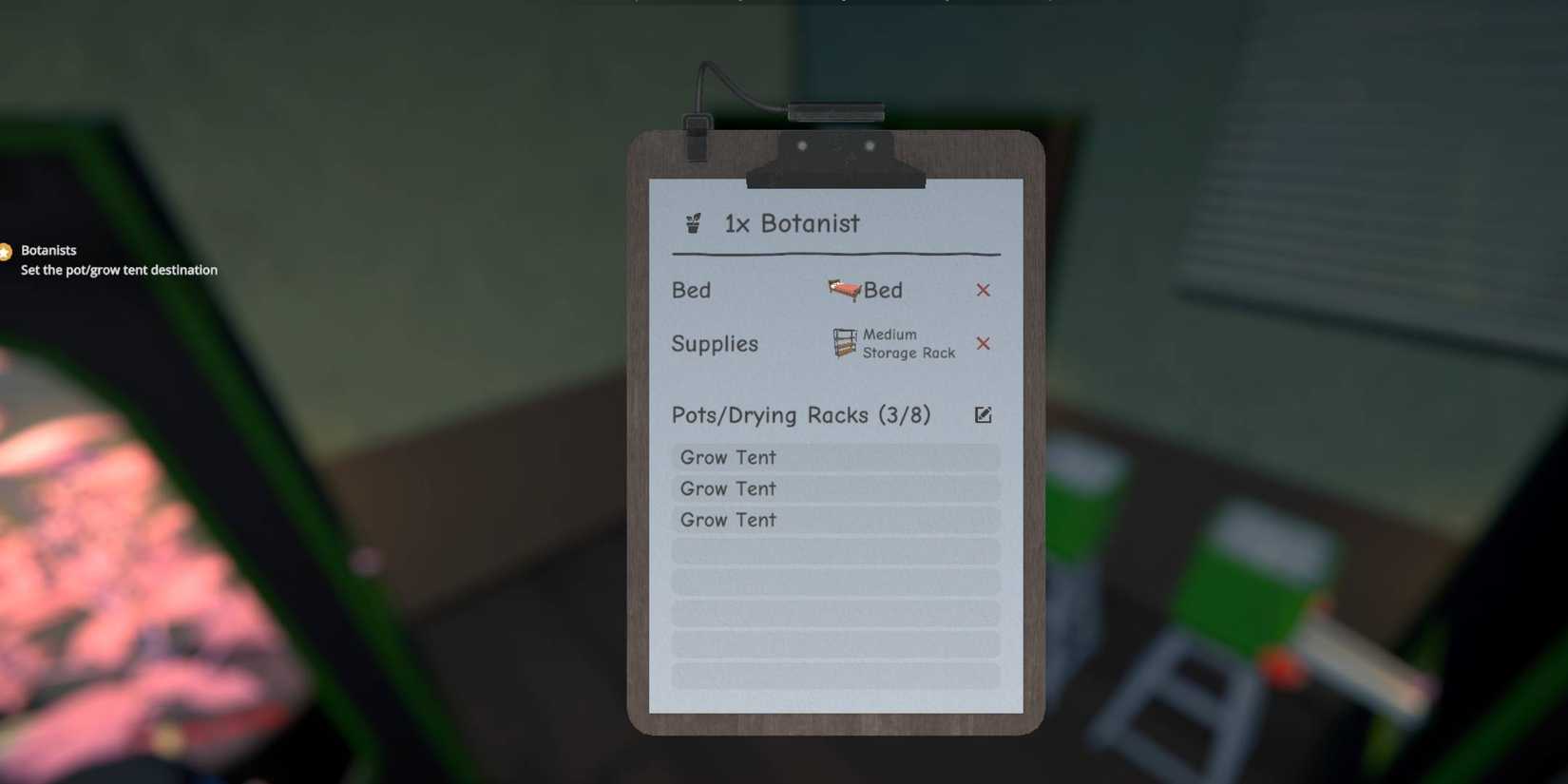
Credit: www.thegamer.com
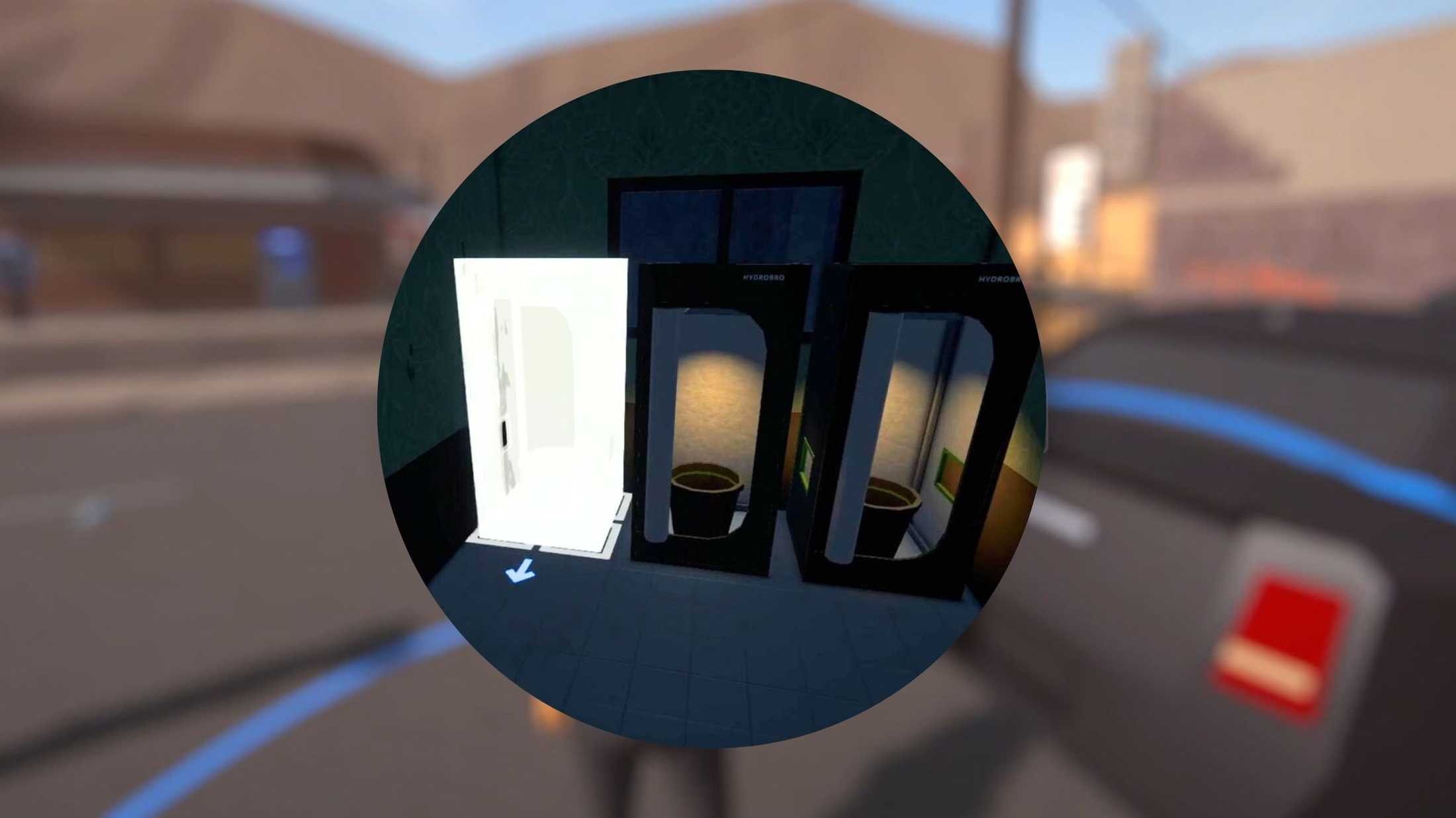
Credit: www.thegamer.com
Frequently Asked Questions
What Is A Grow Tent Used For?
A grow tent is an enclosed space designed for growing plants indoors. It provides a controlled environment with optimal light, temperature, and humidity. This setup helps to maximize plant growth and yields. It’s ideal for those who want to grow plants year-round, regardless of outdoor conditions.
How Do I Choose The Right Size Grow Tent?
Choosing the right size grow tent depends on your available space and plant needs. Consider the number of plants, their mature size, and space for equipment. Ensure there’s enough room for airflow and maintenance. Research different sizes and match them with your growing goals for best results.
What Are Essential Features Of A Grow Tent?
Essential features of a grow tent include reflective interiors, sturdy frames, and lightproof material. Ventilation ports and access points for electrical cords are crucial. Also, look for quality zippers and easy setup. These features ensure a productive and hassle-free growing environment.
How To Maintain A Grow Tent Effectively?
To maintain a grow tent, regularly clean and inspect it for damage. Ensure proper ventilation to prevent mold and mildew. Check equipment, like lights and fans, for functionality. Keep the interior organized to promote plant health. Regular maintenance extends the tent’s lifespan and enhances plant growth.
Conclusion
Choosing the right grow tent in Schedule 1 is simple with the right steps. Focus on size, materials, and ventilation. Think about your space and plant needs. A good tent helps plants grow healthy and strong. Take your time to compare options carefully.
This way, you get the best fit for your grow setup. Remember, a good grow tent makes a big difference. Start smart, and your plants will thank you.