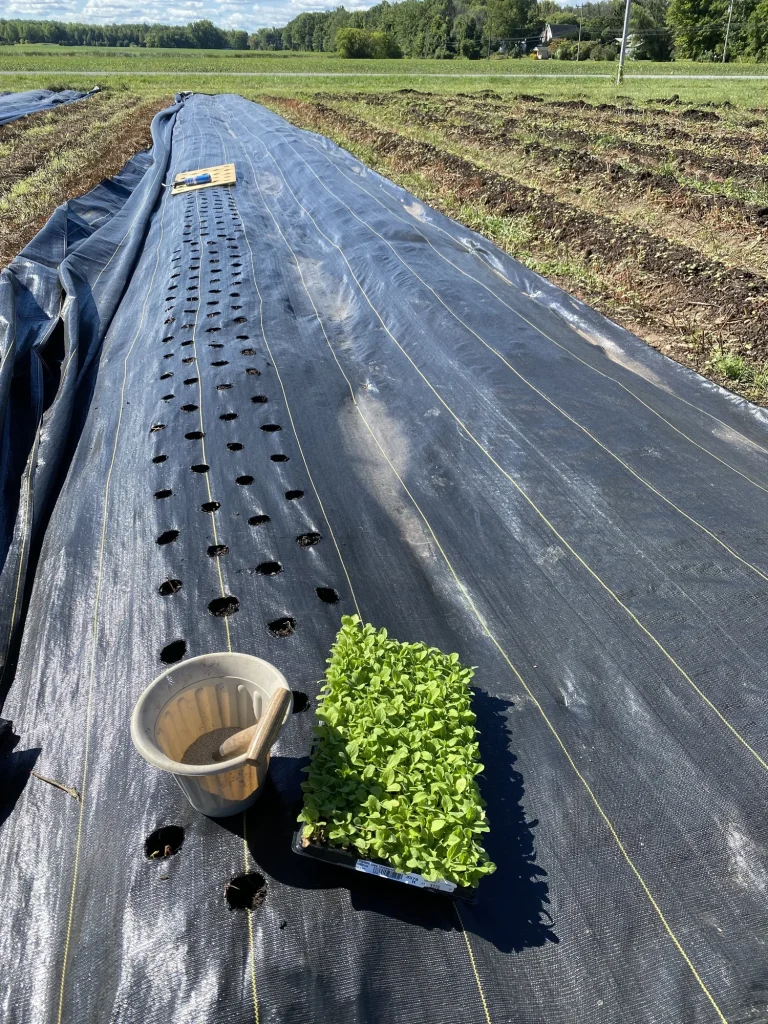
Are you tired of battling stubborn grass that keeps popping up where you don’t want it? You’ve probably heard that landscape fabric can stop grass from growing, but does it really kill it for good?
If you’re planning to use landscape fabric in your garden or yard, understanding how it affects grass is crucial. Keep reading to discover the truth about landscape fabric and whether it’s the solution you’ve been searching for to keep your lawn neat and weed-free.
This might change the way you approach your landscaping forever.
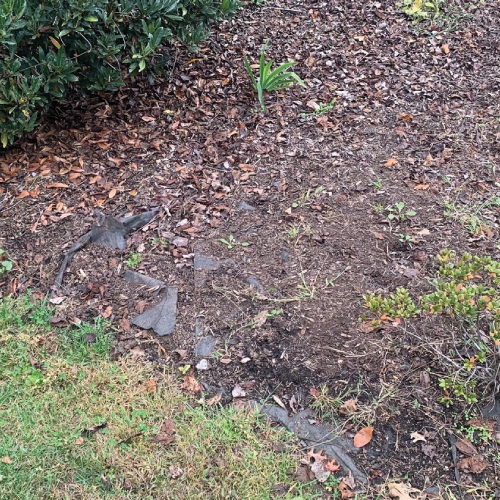
Credit: www.carringtonlawn.com
How Landscape Fabric Works
Landscape fabric is a material used to stop weeds and grass from growing. It is placed over the soil under mulch or stones.
The fabric blocks sunlight, which grass and weeds need to grow. It also slows down water loss from the soil.
Types Of Landscape Fabric
There are different kinds of landscape fabric made from various materials. Some are woven, and others are made from plastic or felt.
Woven fabrics are strong and let water pass through. Plastic fabrics block water but may cause problems for plants.
- Woven fabric: made from polypropylene or polyester fibers
- Non-woven fabric: made from plastic fibers pressed together
- Plastic sheeting: solid sheets that block water and air
Permeability And Soil Interaction
Permeability means how well water and air can pass through the fabric. Good permeability helps plants grow better.
Some fabrics let water drain but block sunlight. This stops grass but keeps soil moist. Poor permeability may cause water to pool.
- Permeable fabrics allow water and air to reach roots
- Non-permeable fabrics block water and air, which can harm soil
- Soil interaction affects plant health and fabric effectiveness
Impact On Grass Growth
Landscape fabric is often used to control weeds and improve garden beds. It blocks weeds from growing by covering the soil. But many wonder if this fabric will kill grass under or near it.
This article looks at how landscape fabric affects grass growth. It focuses on two main areas: grass roots and access to light and water.
Effects On Grass Roots
Grass roots need space and air to grow well. When landscape fabric is placed on top of grass, it creates a barrier. This barrier can stop roots from getting the air and nutrients they need.
- Roots may dry out if fabric blocks moisture.
- The fabric can limit root expansion into the soil.
- Grass under fabric may weaken or die over time.
Light And Water Access
Grass needs sunlight and water to survive. Landscape fabric blocks much of the light from reaching the grass below. It also changes how water moves into the soil.
| Factor | Effect of Landscape Fabric | Impact on Grass |
| Light | Mostly blocked | Grass cannot photosynthesize well |
| Water | Water passes through slowly | Grass gets less moisture |
| Air | Limited airflow | Roots may suffocate |
Common Misconceptions
Many people wonder if landscape fabric will kill grass. There are common ideas that the fabric alone stops grass from growing. This is not always true. Understanding how landscape fabric works helps clear up these ideas.
Some believe that just putting fabric on grass will make it die fast. Others think grass can grow through fabric easily. The truth is more complex and depends on other factors too.
Fabric Alone Vs. Combined Factors
Landscape fabric by itself does not always kill grass. The fabric blocks sunlight and air, which grass needs to live. But grass may still survive if the fabric is thin or damaged.
Other things like soil type, water, and grass species affect how well grass grows under fabric. Sometimes, grass dies because of poor water flow or lack of nutrients, not just the fabric.
- Fabric blocks sunlight and air
- Thin or torn fabric may let grass survive
- Soil and water conditions matter
- Some grasses are tougher than others
Long-term Effects On Turf
Over time, landscape fabric can harm grass if left too long. The fabric stops natural growth by blocking water and nutrients. Grass under fabric may become weak and die.
Some gardeners use fabric for a short time to control weeds. But using it for years can cause bare spots and soil problems. Grass usually does better without fabric in the long run.
- Long use blocks water and nutrients
- Grass under fabric becomes weak
- Can cause bare patches over time
- Best to remove fabric after weed control
Credit: www.leisurelandscapes.com
Proper Installation Tips
Landscape fabric can help control weeds and protect your garden beds. To work well, it needs to be installed properly. This guide will help you install landscape fabric to avoid killing grass and keep your lawn healthy.
Follow these simple tips for preparing the lawn, placing the fabric, and maintaining it over time. Good installation can make a big difference in your garden’s success.
Preparing The Lawn
Start by clearing the area where you will place the fabric. Remove all grass, weeds, and debris. This helps the fabric lay flat and stop grass from growing through.
Use a rake or hoe to smooth the soil. Level ground stops gaps under the fabric. Water the soil lightly to settle it before installation.
- Remove all grass and weeds
- Clear rocks and sticks
- Level the soil surface
- Lightly moisten the soil
Placement Techniques
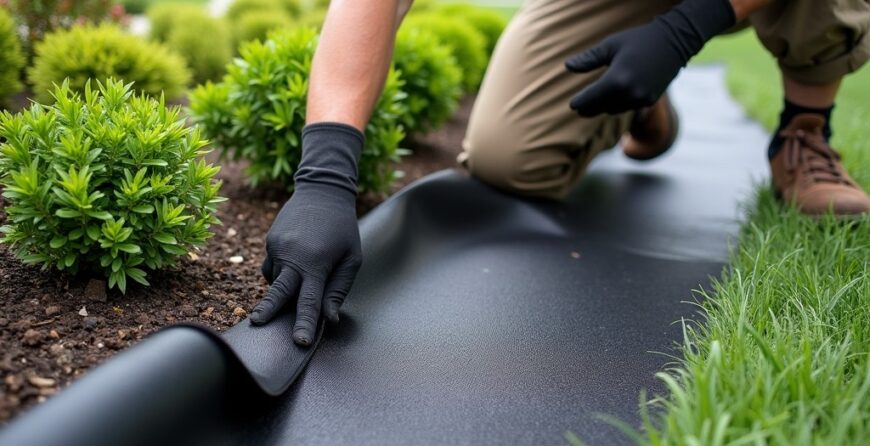
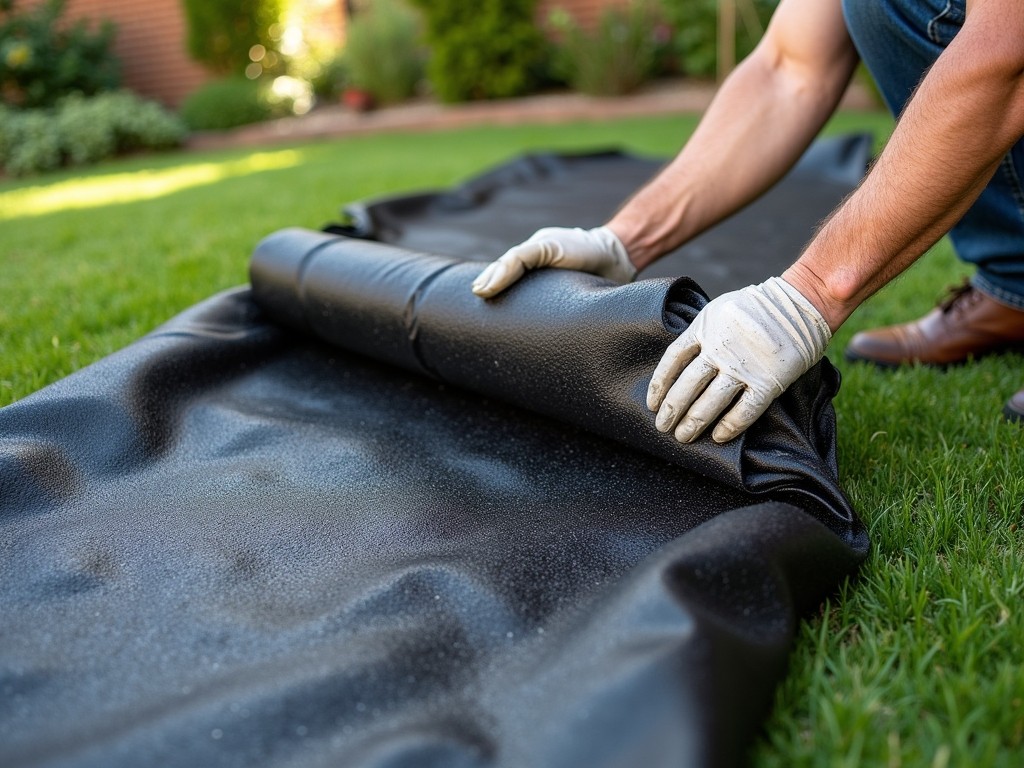
Roll out the fabric over the prepared soil. Overlap edges by at least 6 inches to stop grass from growing between seams. Cut the fabric to fit curves and corners carefully.
Secure the fabric with landscape staples or pins every 12 to 18 inches. This keeps it tight and prevents movement. Avoid stretching the fabric too much to prevent tears.
- Overlap fabric edges by 6 inches
- Cut fabric to fit the area
- Secure fabric with staples or pins
- Place staples every 12-18 inches
- Do not stretch fabric too tight
Maintenance Practices
Check the fabric regularly for holes or gaps. Repair any damage quickly to stop grass from growing through. Keep soil and mulch on top to protect the fabric from sun damage.
Remove any weeds that grow on top of the fabric. Water your plants carefully to avoid washing soil away. Proper care helps the fabric last longer and keeps grass under control.
- Inspect fabric for damage often
- Fix holes or gaps quickly
- Keep soil or mulch covering fabric
- Remove weeds growing on top
- Water plants gently
Alternatives To Landscape Fabric
Landscape fabric can stop grass but it may cause other problems. You can try other options that work with nature. These alternatives help keep weeds down and allow soil to breathe.
Choosing the right alternative depends on your garden needs. Some options add nutrients to the soil. Others create a natural barrier to block weeds without harming grass.
Organic Mulches
Organic mulches are natural materials that cover the soil surface. They help keep moisture in and reduce weed growth. Mulches also improve soil as they break down over time.
Common types of organic mulch include wood chips, straw, leaves, and grass clippings. These materials are easy to find and add a nice look to your garden.
- Wood chips slow weed growth and keep soil cool.
- Straw is light and works well in vegetable gardens.
- Leaves add nutrients as they decompose.
- Grass clippings are free and rich in nitrogen.
Natural Weed Barriers
Natural weed barriers use plants or materials that block weeds without plastic fabric. They protect soil and allow water and air to pass through. These barriers reduce the need for chemicals.
Examples include thick ground covers and cardboard layers. Ground covers shade the soil and stop weeds from growing. Cardboard breaks down, adding organic matter to the soil.
- Ground covers like clover or creeping thyme block sunlight.
- Cardboard layers smother weeds and improve soil health.
- Newspaper can be used but must be layered thickly.
- Cover crops prevent weeds and add nutrients when tilled in.
Credit: www.leisurelandscapes.com
Frequently Asked Questions
Does Landscape Fabric Prevent Grass Growth?
Landscape fabric can prevent grass growth by blocking sunlight and restricting water. It’s effective for controlling weeds and maintaining garden areas. However, over time, organic matter can accumulate on top, allowing grass to grow. Regular maintenance is essential to ensure the fabric remains effective.
How Does Landscape Fabric Affect Grass Roots?
Landscape fabric limits grass root growth by restricting water and nutrients. This can lead to weaker grass over time. While it helps in weed prevention, it can also hinder desirable grass growth if not monitored. Ensuring proper installation can help mitigate these effects.
Can Grass Grow Through Landscape Fabric?
Grass can sometimes grow through landscape fabric, especially if the fabric is damaged or improperly installed. Over time, organic debris can accumulate, allowing grass to root on top. Regular maintenance and proper installation are essential to prevent grass from growing through the fabric.
Is Landscape Fabric Biodegradable?
Most traditional landscape fabrics are not biodegradable and can persist in the environment. Some newer options offer biodegradable alternatives, but they may not last as long. When choosing fabric, consider the environmental impact and the intended duration of use in your landscape.
Conclusion
Landscape fabric can harm grass if left too long or installed incorrectly. It blocks sunlight and water, making grass weak and thin. But used carefully, it helps control weeds without killing grass quickly. Removing fabric at the right time lets grass grow back strong.
Choose the right fabric and check your lawn often. This way, you keep grass healthy while managing unwanted plants. Simple steps make a big difference in your yard’s look and health.